Miastenia Tratamiento en Alemania — Costos 2026


Revisado médicamente por
Fahad Mawlood
¿Cuál es el precio del diagnóstico y los tratamientos de Miastenia en Alemania? Descubra ahora
El costo del tratamiento de la miastenia en Alemania generalmente incluye diagnósticos esenciales como una consulta con un neurólogo que oscila entre $190 y $340. Si bien los procedimientos quirúrgicos específicos y las terapias hospitalarias especializadas varían, los gastos dependen de si el paciente requiere protocolos de atención estándar o intensificados. Los pacientes a menudo ahorran aproximadamente un 40% en comparación con los precios de la atención médica en EE. UU. Los centros de tratamiento de alta calidad se encuentran principalmente en Hamburgo, Fráncfort del Meno y Essen.
Costos típicos del tratamiento de la miastenia en Alemania
- Consulta con un neurólogo: $190 – $340
- Análisis de sangre extendido: de $150
- ECG: $50 – $60
Perspectiva de los expertos de Bookimed: Los pacientes que buscan atención innovadora deben priorizar los centros multidisciplinarios como el Hospital Universitario de Essen. Es líder en ensayos clínicos e investigación para afecciones neurológicas complejas. Para pacientes internacionales, el Hospital Asklepios Barmbek es una recomendación principal. Está clasificada como la clínica de primer nivel para pacientes extranjeros por la Medical Travel Quality Alliance. La Clínica Nordwest de Fráncfort ofrece diagnósticos 3D avanzados, lo que la hace ideal para una planificación de tratamiento precisa. Estas instituciones brindan estándares médicos de alto nivel verificados por la revista Focus y certificaciones ISO.
| Alemania | España | Turquía | |
|---|---|---|---|
| Plasmaféresis | ≈ $2,200 | de $12,200 | de $3,200 |
| Intercambio de plasma | ≈ $3,800 | ≈ $2,400 | ≈ $3,900 |
| Aféresis terapéutica | ≈ $1,400 | ≈ $1,400 | de $4,500 |
| Aféresis selectiva | ≈ $2,800 | ≈ $1,800 | ≈ $1,600 |
Sus beneficios y garantías con Bookimed
Precios directos
Bookimed no añade cargos extra a los precios de los tratamientos de Miastenia. Las tarifas proceden de las listas de precios oficiales de las clínicas. Pagará directamente en la clínica por su tratamiento a su llegada al país.
Sólo clínicas y médicos verificados
Bookimed está comprometido con su seguridad. Solo trabajamos con las clínicas que mantienen altos estándares internacionales en el tratamiento de Miastenia y cuentan con las licencias necesarias para atender a pacientes internacionales en todo el mundo.
Asistencia 24/7 gratuita
Bookimed ofrece asistencia experta gratuita. Un coordinador médico personal le apoya antes, durante y después de su tratamiento, resolviendo cualquier problema. Nunca estará solo en su viaje médico de tratamiento de Miastenia.

Su coordinador médico personal de Bookimed
- Le apoya en cada etapa
- Ayuda a elegir la clínica y el médico adecuados
- Asegura un acceso rápido y conveniente a la información
Descubra las mejores clínicas de tratamiento de Miastenia en Alemania: 2 opciones verificadas y Precios





Obtenga una evaluación médica para Miastenia en Alemania: consulte con doctores experimentados ahora
Ver todos los médicos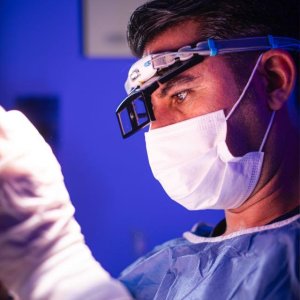
bilal Elbey
El Dr. Bilal Elbey posee una licencia médica alemana (Approbation). Tiene formación clínica en neurología y psiquiatría en Klinikum Wahrendorff y en la Escuela de Medicina de Hannover (MHH), en Hannover.
Aplica esta experiencia a la restauración capilar. Ofrece planes individualizados basados en una evaluación exhaustiva, con un claro enfoque en la seguridad y los resultados.
Ha participado en varios proyectos de investigación clínica. Sus trabajos científicos figuran en PubMed
Compartir contenido
Historias en video de pacientes de Bookimed
 Olena Sikoza
Preguntas frecuentes sobre el tratamiento de Miastenia en Alemania
¿Qué clínicas en Alemania son las más prestigiosas para el tratamiento de la miastenia gravis?
Alemania alberga centros líderes para el tratamiento de la miastenia gravis. Los hospitales universitarios como Charité Berlín y el Hospital Universitario de Essen dominan la investigación clínica. Estas instituciones ofrecen terapias avanzadas. Las opciones incluyen plasmaféresis y aféresis selectiva para estabilizar la transmisión neuromuscular. Los departamentos de neurología especializados garantizan un diagnóstico preciso mediante análisis de sangre extendidos y monitoreo de ECG.
- Capacidad hospitalaria: El Hospital Universitario de Essen trata a 370.000 pacientes anualmente utilizando diagnósticos basados en IA.
- Acreditación especializada: Asklepios Barmbek cuenta con certificaciones ISO y de la Medical Travel Quality Alliance.
- Experiencia en neurología: El Dr. Bilal Elbey se especializa en neurología con formación en la Escuela de Medicina de Hannover.
- Investigación avanzada: La Clínica Nordwest comprende cinco institutos de investigación centrados en desarrollos médicos innovadores.
Opinión de expertos de Bookimed: Si bien los hospitales universitarios como Essen manejan volúmenes masivos de pacientes, los centros especializados descentralizados a menudo brindan un acceso más rápido. La Clínica Nordwest es una opción sólida. Funciona como una institución multiespecializada con 11 centros. Esta estructura permite a los pacientes e
¿Qué opciones de tratamiento modernas están disponibles en Alemania para la miastenia gravis?
Alemania ofrece terapias modernas para la miastenia gravis, incluidos productos biológicos dirigidos como Efgartigimod y Ravulizumab. Los centros especializados utilizan aféresis y timectomía robótica para lograr una remisión rápida. Los protocolos de tratamiento se personalizan según el estado de los anticuerpos. Estas opciones están disponibles en hospitales acreditados por JCI e ISO.
- Terapias biológicas: Los bloqueadores de FcRn como Efgartigimod reducen rápidamente los niveles de anticuerpos dañinos.
- Inhibidores del complemento: Ravulizumab ofrece una dosificación conveniente cada 8 semanas para los pacientes.
- Técnicas de aféresis: La inmunoadsorción selectiva elimina rápidamente los autoanticuerpos durante los brotes clínicos graves.
- Cirugía mínimamente invasiva: La timectomía robótica reduce el tiempo de recuperación a 2-3 días de hospitalización.
Perspectiva de expertos de Bookimed: Los hospitales universitarios alemanes como el de Essen combinan eficazmente la investigación clínica con la práctica. Los datos muestran que estos centros tratan a más de 370.000 pacientes al año en 56 departamentos. Este alto volumen permite a los neurólogos ofrecer terapias más nuevas como Zilucoplan antes de que lleguen a las clínicas estándar mundiales. Algunos centros especializados incluso utilizan IA e imágenes digitales para realizar un segui
¿Es fácil obtener una segunda opinión de un especialista alemán?
Obtener una segunda opinión de especialistas alemanes es sencillo a través de plataformas médicas digitales y redes especializadas. Alemania otorga a los pacientes el derecho a elegir libremente a sus médicos. Los principales centros médicos ofrecen servicios estructurados de evaluación remota. Los pacientes internacionales suelen recibir informes de expertos por escrito en un plazo de 4 a 8 días laborables.
- Plazo de revisión: Los especialistas suelen entregar opiniones remotas en un plazo de 4 a 8 días laborables.
- Diagnóstico digital: Los expertos evalúan de forma remota imágenes DICOM digitales y resultados recientes de laboratorios de sangre.
- Acceso a especialistas: Las plataformas conectan a los pacientes con neurólogos certificados en hospitales universitarios de primer nivel.
- Verificación independiente: Alemania protege legalmente el derecho del paciente a buscar una verificación experta independiente.
Perspectiva de expertos de Bookimed: Los centros médicos de gran volumen, como el Hospital Asklepios Barmbek, tratan a más de 110.000 pacientes al año. Este volumen crea una base de datos masiva de casos neurológicos complejos para comparar. Al buscar una opinión para la miastenia, busque clínicas con certificación de Normas Internacionales ISO. Estas instalaciones siguen protocolos estrictos que garantizan que las evaluaciones remo
¿Dónde se realiza la timectomía en Alemania y qué técnica se utiliza?
La timectomía en Alemania se realiza principalmente en grandes hospitales universitarios de Berlín, Múnich, Essen y Fráncfort. Los centros especializados utilizan técnicas mínimamente invasivas como la cirugía toracoscópica asistida por vídeo (VATS) y la cirugía toracoscópica asistida por robot (RATS) para tratar la miastenia gravis y los timomas con gran precisión.
- Cirugía asistida por robot: La RATS proporciona visualización 3D mediante el sistema da Vinci para una extirpación precisa del tumor.
- Enfoques mínimamente invasivos: La VATS es la técnica moderna estándar. Solo requiere pequeñas incisiones de ojo de cerradura.
- Departamentos especializados: El Hospital Asklepios Barmbek de Hamburgo realiza cirugía mínimamente invasiva al 70 % de sus pacientes.
- Atención hospitalaria universitaria: El Hospital Universitario de Essen integra la investigación de alto volumen con la cirugía torácica robótica avanzada.
Perspectiva de expertos de Bookimed: Los hospitales universitarios alemanes como Essen y Nordwest atienden un volumen combinado masivo de más de 430.000 pacientes al año. Esta escala permite a estas instituciones mantener unidades de investigación especializadas para la miastenia gravis, asegurando que los pacientes tengan acceso a enfoques subxifoideos más nuevos que utilizan una única incisión debajo del esternón para acelerar la r
¿Qué tipo de neurorrehabilitación pueden esperar los pacientes después del tratamiento?
La neurorrehabilitación alemana para la miastenia se centra en el fortalecimiento muscular y la gestión de la fatiga a través de una atención multidisciplinaria. Los pacientes acceden a fisioterapia, terapia ocupacional y logopedia especializadas en centros acreditados por la JCI o ISO. Estos programas utilizan la neuroplasticidad para restaurar la movilidad y la independencia después de tratamientos agudos como la timectomía o la inmunoterapia.
- Enfoque terapéutico: Equipos interdisciplinarios brindan terapia física, ocupacional y del lenguaje dirigida.
- Enfoque especializado: Los programas abordan los síntomas bulbares, la capacidad respiratoria y las técnicas de deglución segura.
- Niveles de recuperación: La atención pasa de unidades hospitalarias intensivas a sesiones ambulatorias en el hogar.
- Herramientas avanzadas: Las clínicas pueden utilizar dispositivos asistidos por robots y pacing cognitivo para prevenir brotes.
Opinión experta de Bookimed: Las clínicas alemanas como Nordwest o Asklepios se centran en una rehabilitación conservadora de alta frecuencia. Sus protocolos a menudo priorizan la salud respiratoria y la preservación muscular sobre el esfuerzo físico agresivo. Este enfoque se alinea con el gran volumen de pacientes internacionales de neurología atendidos en Alemania. Su éxito depende de la sinergia entre cirujanos y tera
¿Qué protocolos de seguridad existen para la gestión de crisis en los hospitales alemanes?
Los hospitales alemanes siguen estrictas leyes federales que exigen planes integrales de alarma y emergencia para la gestión de crisis. Estas instalaciones operan bajo regulaciones de infraestructura crítica para garantizar la continuidad durante incidentes con múltiples víctimas o fallos técnicos. Los sistemas obligatorios de notificación de seguridad y los modelos de respuesta de emergencia dirigidos por médicos priorizan la estabilización del paciente y la coordinación de la atención de alta velocidad.
- Planificación de emergencia: Los hospitales mantienen protocolos legalmente exigidos para incidentes con múltiples víctimas y riesgos biológicos.
- Sistemas de notificación: La participación en los Sistemas de Notificación de Incidentes Críticos alcanzó al 96% de los hospitales en 2022.
- Modelo de respuesta: Los médicos de urgencias proporcionan estabilización in situ antes de que los pacientes lleguen al departamento hospitalario.
- Formación del personal: Las nuevas regulaciones de 2026 exigen formación especializada en Medicina de Urgencias Clínicas y Agudas.
Perspectiva del experto de Bookimed: Las señales de calidad en Alemania a menudo se correlacionan con altos volúmenes de pacientes y certificaciones específicas. El Hospital Universitario de Essen gestiona 370.000 pacientes al año y utiliza IA y tecnología de edificios inteligentes.
¿Qué hospitales en Alemania tienen las calificaciones más altas en neurocirugía?
Alemania alberga algunos de los departamentos de neurocirugía más prestigiosos del mundo, liderados por la Charité – Universitätsmedizin Berlin y el Hospital Universitario de Heidelberg. Estos centros destacan en el tratamiento de tumores cerebrales complejos y enfermedades cerebrovasculares. Para maximizar la eficacia de sus procedimientos, utilizan tecnologías de vanguardia como la resonancia magnética intraoperatoria y la neuronavegación asistida por computadora.
- Charité Berlín: Realiza más de 5000 cirugías al año. La clínica está dirigida por el reconocido neurocirujano Dr. Peter Vaikoczy.
- Centro Médico Solingen: El Dr. Ralf Buhl ha realizado más de 4.000 cirugías, incluidas cirugías de columna mínimamente invasivas.
- Clínica Asklepios Nord: equipada con el único sistema de resonancia magnética intraoperatoria bilateral de Alemania para garantizar precisión quirúrgica en tiempo real durante la extirpación del tumor.
- Clínica Nordwest: reconocida por la revista Newsweek como un hospital líder por su innovación en tecnología de ultrasonido 3D.
Opinión experta de Bookimed: Los datos muestran que elegir centros con un alto volumen quirúrgico suele llevar a recomendaciones de tratamiento más conservadoras. En el Centro Médico Solingen, que atiende a más de 60.000 pacientes al año, los cirujanos suelen sugerir fisioterapia en lugar de cirugía
¿Cuáles son las tasas de éxito de los procedimientos neuroquirúrgicos complejos en Alemania?
En Alemania, los procedimientos neuroquirúrgicos de alta complejidad demuestran una seguridad excepcional. Las tasas de éxito en las fusiones espinales alcanzan el 99 %. La tasa de supervivencia en las resecciones de tumores cerebrales primarios es del 97 %. La independencia funcional es alta. Más del 82 % de los pacientes reciben el alta inmediatamente después del tratamiento. Los centros alemanes priorizan la preservación de la función neurológica mediante técnicas modernas de mapeo.
- Resección de tumores: los cirujanos logran una resección tumoral completa en el 87,2% de los casos de metástasis cerebrales.
- Éxito en el tratamiento de enfermedades vasculares: los hospitales alemanes informan de una tasa de supervivencia del 98,7% para aneurismas no rotos.
- Mejora del estado neurológico: casi el 43% de los pacientes experimentan una mejora de los parámetros funcionales después de resecciones complejas.
- Seguridad de las intervenciones quirúrgicas: En grandes centros quirúrgicos, las tasas de supervivencia de los pacientes después de la cirugía de columna son del 98-99%.
Opinión experta de Bookimed: Cirujanos experimentados como el Dr. Uwe Köhler, de la Clínica Asklepios Altona, realizan más de 2000 cirugías al año. Los datos muestran que estos especialistas mantienen tasas de éxito de hasta el 90 %, incluso en los tumores cerebrales más comp
¿Qué tecnologías avanzadas suelen estar disponibles en las clínicas neuroquirúrgicas alemanas?
Las clínicas neuroquirúrgicas alemanas incorporan regularmente instrumentos digitales de alta precisión y visualización en tiempo real a la práctica quirúrgica. Entre las tecnologías clave se encuentra la neuronavegación computarizada para cirugías de cerebro y médula espinal. Instituciones como la Clínica Asklepios Nord utilizan la resonancia magnética intraoperatoria para verificar la extirpación de tumores en tiempo real. Estos sistemas proporcionan a los cirujanos navegación GPS 3D.
- Neuronavegación: proporciona visualización 3D y seguimiento de instrumentos en tiempo real para lograr precisión quirúrgica hasta el nivel submilimétrico.
- Imágenes intraoperatorias: sistemas como iMRI y O-arm CT permiten la confirmación inmediata de una resección exitosa.
- Neuromonitorización: Monitorea las funciones motoras y sensoriales durante la cirugía para proteger el sistema nervioso.
- Diagnóstico de fluorescencia: se utiliza el colorante 5-ALA para resaltar los bordes del tumor para una eliminación más completa.
- Asistencia robótica: Sistemas como el Da Vinci mejoran la precisión en procedimientos complejos y mínimamente invasivos.
Opinión experta de Bookimed: Grandes centros como la Charité – Universitätsmedizin de Berlín realizan más de 4000 procedimientos neuroquirúrgicos al año, lo que crea un entorno rico en datos para p
¿Qué formación especializada reciben los neurocirujanos en ejercicio en Alemania?
En Alemania, los neurocirujanos deben completar una residencia especializada de seis años tras graduarse de la facultad de medicina. Este programa estructurado incluye cuidados intensivos, práctica clínica y una revista quirúrgica obligatoria. Posteriormente, los candidatos aprueban un examen estatal para obtener el título de residente (Facharzt für Neurochirurgie).
- Residencia clínica: requiere de 48 a 72 meses de práctica neuroquirúrgica especializada.
- Cuidados intensivos: incluye una pasantía obligatoria de 6 meses en una unidad de cuidados intensivos neuroquirúrgicos.
- Revista quirúrgica: los cirujanos documentan cientos de cirugías, incluidas craneotomías y cirugías de columna.
- Examen de licencia: Los solicitantes deben aprobar un examen médico oral y práctico administrado por el estado.
Opinión experta de Bookimed: La formación neuroquirúrgica alemana se centra en una amplia experiencia quirúrgica. Por ejemplo, el Dr. Ralf Buhl, del Centro Médico Solingen, ha realizado más de 4000 cirugías. El Dr. Jürgen Kiwit, del Hospital Meoklinik, cuenta con más de 25 años de experiencia. Este riguroso sistema garantiza que los especialistas de los principales centros aborden casos complejos con una precisión demostrada.
Comentarios de los pacientes: Los pacientes se sienten seguros al saber que sus médicos han recibido año