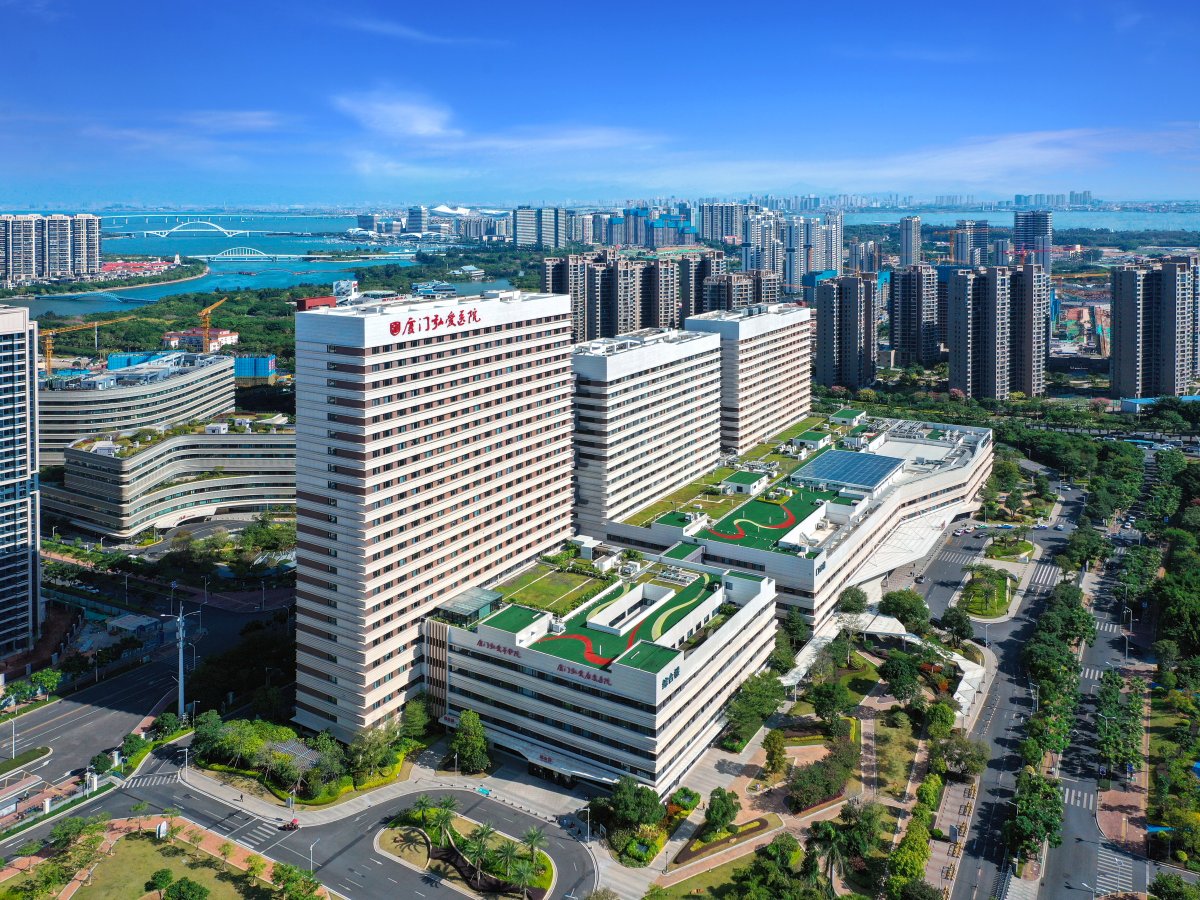
Boao International Medical Center
China, Qionghai


Revisado médicamente por
Fahad Mawlood
La inmunología y la inmunoterapia en China suelen costar entre $3,600 y $11,600. Los gastos totales dependen del tipo de terapia específica, el número de ciclos de tratamiento y si elige centros públicos o privados. Los pacientes internacionales suelen ahorrar entre un 70% y un 85% en comparación con los Estados Unidos en tratamientos avanzados.
Costos típicos de inmunología en China
Los principales centros médicos se concentran en Pekín, Shanghái y Cantón. Si bien los hospitales públicos ofrecen tarifas base más bajas, las instalaciones privadas acreditadas por la JCI en Shanghái a menudo brindan servicios de conserjería especializados para pacientes internacionales. Consulte con un especialista para obtener precios precisos para su diagnóstico específico.
| China | España | Turquía | |
|---|---|---|---|
| Tratamiento de sangre de cordón umbilical | ≈ $8,000 | ≈ $3,800 | ≈ $3,500 |
| Terapia intravenosa con curcumina | ≈ $600 | ≈ $450 | ≈ $900 |
| Terapia de mejora inmunológica | ≈ $5,500 | ≈ $2,200 | ≈ $1,800 |
| Plasmaféresis | ≈ $2,200 | de $12,300 | de $3,200 |
| Intercambio de plasma | ≈ $1,500 | ≈ $2,400 | ≈ $3,900 |
Bookimed no añade cargos extra a los precios de los tratamientos de Inmunología. Las tarifas proceden de las listas de precios oficiales de las clínicas. Pagará directamente en la clínica por su tratamiento a su llegada al país.
Bookimed está comprometido con su seguridad. Solo trabajamos con las clínicas que mantienen altos estándares internacionales en el tratamiento de Inmunología y tienen las licencias necesarias para atender a pacientes internacionales en todo el mundo.
Bookimed ofrece asistencia experta gratuita. Un coordinador médico personal le apoya antes, durante y después del tratamiento, resolviendo cualquier problema. Nunca estará solo en su viaje médico de procedimientos de Inmunología.

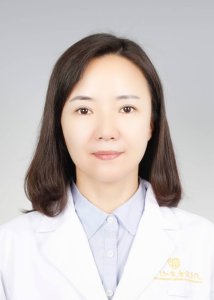
La profesora Liang Xiaoxiao es Directora del Departamento y Jefa de Servicio de Neurorrehabilitación. Cuenta con una maestría en neurología. Es experta en neuromodulación para trastornos de la conciencia, la cognición y el movimiento. Su labor se centra en casos de enfermedad cerebrovascular, enfermedad de Parkinson y afecciones relacionadas. También realiza inyecciones de toxina botulínica guiadas por ecografía para el blefaroespasmo, el espasmo hemifacial, la espasticidad de las extremidade
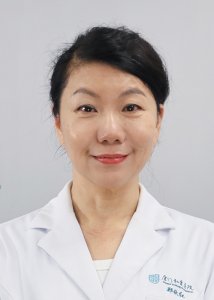
El profesor Zheng Qiu Hong es director del Centro de Investigación en Terapia Celular y experto nacional de alto nivel en bioterapia. Es profesor y tutor de maestría en la Universidad Médica de Fujian. Cuenta con más de 30 años de experiencia clínica en biología molecular tumoral y bioterapia. Entre 2012 y 2013 fue investigador visitante en investigación sobre células madre en la Facultad de Ciencias de la Vida de la Universidad de Connecticut. Anteriormente ocupó cargos directivos en el Hosp

Destacado experto en medicina tradicional china con más de 20 años de experiencia en el tratamiento de afecciones inflamatorias crónicas como vasculitis y miastenia en el Hospital Internacional Yanda.

Escrito por Veronika Kazina

Escrito por Veronika Kazina

Escrito por Veronika Kazina
 Olena Sikoza
China ofrece inmunoterapia de vanguardia, incluyendo terapia con células CAR-T, inhibidores de puntos de control inmunitarios y terapias combinadas, a pacientes internacionales. Instituciones como el Hospital Internacional Yanda combinan protocolos modernos con enfoques tradicionales. Centros especializados en Pekín y Shanghái facilitan el acceso a inhibidores de PD-1 de producción nacional y realizan ensayos clínicos globales para diversos tipos de cáncer.
Opinión experta de Bookimed: Los datos muestran que los hospitales de categoría A3, como el Hospital Internacional Yanda, atienden hasta 2.500.000 pacientes al año. Estos grandes centros suelen combinar tecnologías modernas con la medicina tradicional china para controlar los efectos secundarios del tratamiento. Este enfoque integra
La mayoría de los pacientes extranjeros pagan la inmunoterapia en China de su propio bolsillo, ya que los planes de seguro occidentales a menudo no cubren las redes asiáticas. El seguro estatal solo cubre a los residentes con empleo legal que cotizan al sistema de seguridad social. Las grandes instituciones médicas, como el Hospital Internacional de Yanda y el Hospital Humanitario de Xiamen, generalmente exigen el pago completo por adelantado.
Opinión de expertos de Bookimed: Los datos del Hospital Humanitario de Xiamen demuestran que está acreditado para realizar ensayos clínicos de fase I a IV. Los pacientes suelen señalar que participar en estos ensayos clínicos es una forma fiable de acceder a nuevos fármacos de inmunoterapia. Esta est
La inmunoterapia en monoterapia suele ser menos eficaz en pacientes chinos con cáncer de pulmón con mutación del EGFR que en aquellos con tumores de tipo salvaje. Las tasas de respuesta a la monoterapia con inhibidores oscilan entre el 1,8 % y el 14 %. En China, los expertos priorizan la terapia combinada para superar el microambiente tumoral "frío" característico de estas mutaciones.
Opinión de expertos de Bookimed: Si bien la monoterapia muestra una baja eficacia, los centros chinos de nivel III y categoría A, como el Hospital Internacional de Yanda, utilizan métodos de diagnóstico avanzados para identificar a los pacientes que, en raras ocasiones, responden al tratamiento. Los datos muestran que los
Los pacientes internacionales pueden participar en ensayos clínicos de inmunoterapia en China buscándolos en el Registro de Ensayos Clínicos de China o en ClinicalTrials.gov. Para participar, se requiere una invitación oficial de un hospital que cumpla con los requisitos de Buenas Prácticas Clínicas. Los centros líderes en Pekín y Shanghái suelen dirigir estos innovadores ensayos de fármacos de fase 1 a 4.
Opinión de expertos de Bookimed: Nuestros datos muestran que los grandes centros como el Hospital Internacional de Yanda, que atiende a 2.500.000 pacientes al año, suelen combinar protocolos internacionales con experiencia local. Para los ensayos clínicos, resulta estratégico centrarse en los hospitales terciarios de Pekín. Estas instituciones cuentan con el mayor número de instalaciones acreditadas por la JCI
Los pacientes extranjeros suelen utilizar una visa L o M estándar para someterse a inmunoterapia en China. Para estancias superiores a 30 días, se requiere una invitación del hospital. La estancia inicial es de 30 a 90 días. Es posible una prórroga de hasta 180 días con justificación médica del hospital.
Opinión de expertos de Bookimed: Grandes centros como el Hospital Internacional Yanda, que atiende a 2.500.000 pacientes anualmente, cuentan con sistemas especializados para la tramitación de documentación internacional. Estas instituciones acreditadas por la JCI suelen combinar la medicina tradicional china con protocolos internacionales. Este enfoque integral puede simplificar la justificación médica requerida para la prórroga de visados en la Oficina de Seguridad Pública.
Opinión de los pacientes: Los
Los centros de inmunoterapia más grandes de China, ubicados en Pekín y Shanghái, cuentan con personal angloparlante y departamentos internacionales especializados. Instituciones de alta calidad, como el Hospital Internacional Yanda, están acreditadas por la JCI. Estos centros ofrecen coordinadores médicos bilingües, asistencia para la obtención de visas y departamentos VIP especializados. La mayoría de los oncólogos más destacados tienen formación internacional para brindar consultas directas en inglés.
Opinión de los expertos de Bookimed: Los datos muestran una clara diferencia entre los hospitales estatales y los hospitales de categoría A, nivel III, como el Hospital Internacional Janda. Si bien los hospitales es