Tratamiento de Arritmia en Alemania — obtenga 3 coincidencias personalizadas de clínicas


Revisado médicamente por
Fahad Mawlood
Cómo funciona
¿Cuál es el precio del diagnóstico y los tratamientos de Arritmia en Alemania? Descubra ahora
El costo del tratamiento de la arritmia en Alemania varía dependiendo de los procedimientos específicos y las pruebas diagnósticas involucradas. Los diagnósticos iniciales y las consultas, incluyendo pruebas de laboratorio y ecocardiografía, comienzan desde 2.250 €. Un estudio de electrofisiología combinado con ablación con catéter puede variar de 20.550 € a 22.550 €, mientras que un procedimiento de cardioversión más simple con pruebas preliminares cuesta aproximadamente 10.250 €. Las opciones adicionales incluyen la ablación por radiofrecuencia, con costos entre 16.350 € y 18.400 €. El plan de tratamiento y los costos asociados se determinan después de una evaluación exhaustiva por parte de especialistas.
| Alemania | España | Turquía | |
|---|---|---|---|
| Crioablación del corazón | ≈ $22,000 | de $20,200 | de $8,100 |
| Ablación por radiofrecuencia con mapeo 3D | de $13,500 | de $22,500 | de $10,400 |
| Ablación por radiofrecuencia | de $8,500 | de $22,500 | de $5,400 |
Descubra las mejores clínicas de tratamiento de Arritmia en Alemania: 19 opciones verificadas y Precios



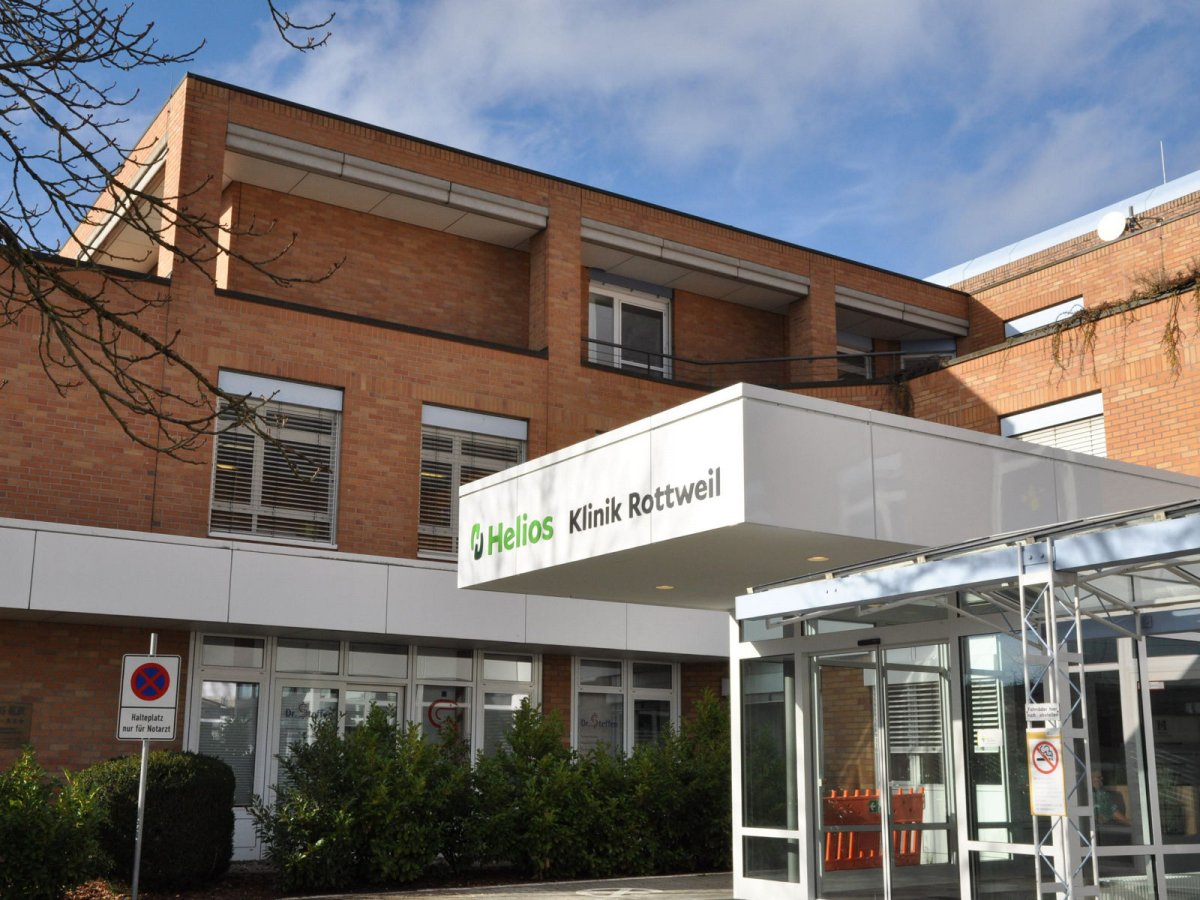




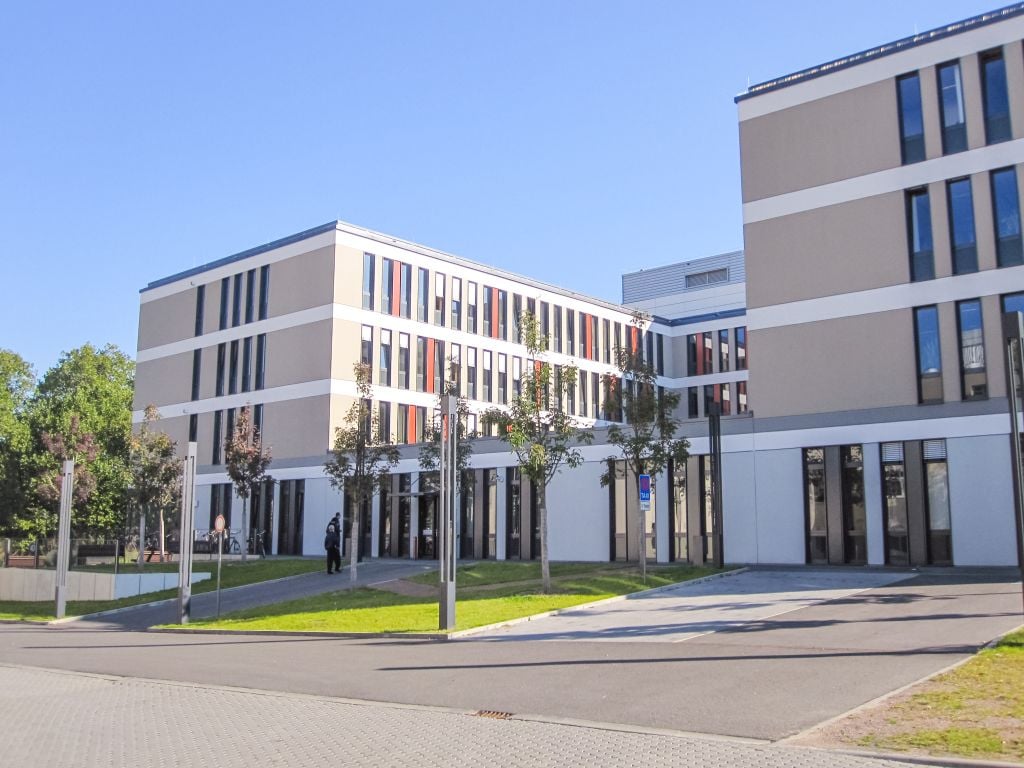

Hospital in the Pfeiffer`s foundations

Bavaria in Kreischa
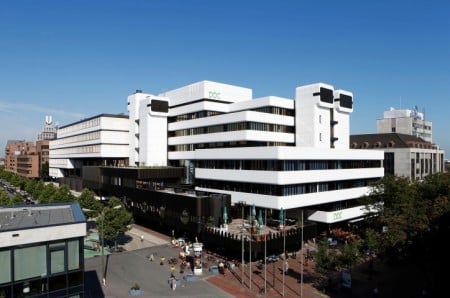
Diagnostic Center DOC Dortmund

German Heart Centre Munich
Obtenga una evaluación médica de tratamiento de Arritmia en Alemania: haga una consulta con 9 médicos experimentados ahora
Ver todos los médicos
Viktor Alexander Krol
El Dr. Viktor Alexander Krol dirige los departamentos de Gastroenterología y Medicina Interna en el Hospital Martinus, especializándose en la atención integral de afecciones complejas.
- Dirige un centro certificado de tratamiento de la obesidad con métodos quirúrgicos y endoscópicos avanzados
- Experto en el diagnóstico y tratamiento de enfermedades del sistema cardiovascular
- Utiliza las últimas tecnologías de diagnóstico para trastornos gastrointestinales y metabólicos
- Proporciona planes de tratamiento individualizados para cada paciente

Marc Ulrich Becher
El Prof. Dr. Marc-Ulrich Becher se especializa en tratamientos avanzados de arritmia en el Städtisches Klinikum Solingen, una clínica con una sólida reputación internacional.
- Realiza entre 3.000 y 4.000 procedimientos cardíacos diagnósticos y terapéuticos al año
- Experto en tratamientos basados en catéter, incluyendo el cierre de FOP y de la orejuela izquierda
- Utiliza técnicas de vanguardia como la litotricia intravascular para estenosis calcificadas
- Ofrece disponibilidad de cateterismo las 24 horas para afecciones cardíacas agudas
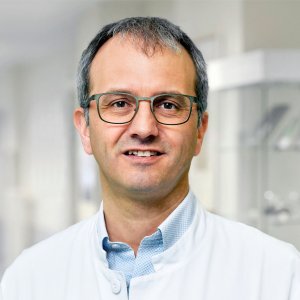
Armin Sause Chief Physician Of Cardiology And Cardiac Electrophysiology
El Dr. med. Armin Sause es el Jefe del Servicio de Cardiología y Ritmología del Hospital Universitario Helios de Wuppertal, un destacado centro cardiológico alemán. Bajo su liderazgo, el departamento se ha convertido en un centro especializado en ritmología y electrofisiología. El equipo utiliza tecnologías modernas y protocolos de tratamiento basados en la evidencia.
Su experiencia abarca la terapia de la fibrilación auricular, la ablación por catéter y por radiofrecuencia con mapeo 3
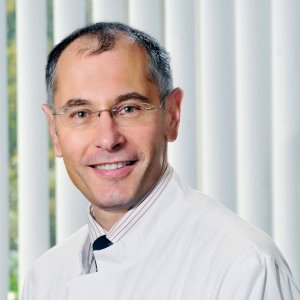
Melchior Seyfarth Director Of The Department Of Cardiology
Compartir contenido
Historias en video de pacientes de Bookimed
 Olena Sikoza
Preguntas frecuentes sobre el tratamiento de Arritmia en Alemania
¿Qué tan seguras son las ablaciones por catéter para arritmias realizadas en centros alemanes?
La ablación por catéter en Alemania es altamente segura, con tasas de supervivencia hospitalaria que superan el 99,7 %. Los centros especializados realizan más de 100.000 procedimientos al año manteniendo bajos riesgos de complicaciones. La seguridad es comparable a la de los Estados Unidos. Las tecnologías avanzadas de mapeo 3D y criobalón mejoran aún más la precisión y los resultados de los pacientes.
- Tasas de supervivencia: Los conjuntos de datos alemanes informan una supervivencia hospitalaria de entre el 99,77 % y el 99,95 %.
- Volumen del centro: Las clínicas de alto volumen que realizan más de 100 ablaciones al año muestran perfiles de seguridad significativamente mejores.
- Impacto tecnológico: La ablación con criobalón reduce los riesgos de complicaciones específicas en un 50 % en comparación con los métodos tradicionales.
- Tasas de éxito: Los pacientes reportan entre un 80 % y un 90 % de éxito en arritmias comunes como la fibrilación auricular.
Perspectiva del experto de Bookimed: Los datos muestran que la excelencia en seguridad alemana proviene de una especialización extrema dentro de redes de alto volumen. El Dr. Marc Ulrich Becher en el Centro Médico de Solingen realiza entre 3.000 y 4.000 procedimientos cardíacos al año. Este volumen individual es mucho más crítico para la seguridad que el tamaño del hospital. Clínicas como el
¿Cuánto dura la estancia hospitalaria y el tiempo de recuperación para una ablación en Alemania?
Las estancias hospitalarias para una ablación cardíaca en Alemania suelen durar de 1 a 2 días. La mayoría de los pacientes permanecen hospitalizados al menos 1 noche para observación. Las actividades ligeras suelen reanudarse en un plazo de 3 días. La curación del tejido cardíaco interno tarda aproximadamente de 8 a 12 semanas en completarse.
- Observación rutinaria: Los pacientes deben permanecer acostados boca arriba durante 4 a 6 horas después de la cirugía.
- Duración hospitalaria: Los casos complejos como la fibrilación auricular pueden requerir de 2 a 4 días.
- Restricciones de actividad: Se restringe levantar objetos pesados de más de 4,5 kg (10 lbs) durante 1 semana.
- Regreso al trabajo: Los empleados de oficina suelen volver al trabajo en un plazo de 2 a 3 días.
Perspectiva del experto de Bookimed: Aunque los centros alemanes como el Hospital Asklepios Barmbek atienden a más de 110.000 pacientes al año, mantienen estrictos estándares de hospitalización. Esto garantiza la seguridad de los pacientes internacionales. Las clínicas suelen priorizar la tecnología de mapeo 3D para arritmias complejas. Esta precisión puede reducir el tiempo que se pasa en la sala de procedimientos.
Consenso de los pacientes: Los pacientes mencionan sentirse cansados durante unos días, pero consideran que el procedimiento es sencillo. M
¿Qué tipos de arritmias se tratan de forma invasiva en Alemania y qué técnicas se ofrecen?
Las clínicas alemanas tratan la fibrilación auricular, el aleteo auricular, las taquicardias supraventriculares y la taquicardia ventricular mediante técnicas invasivas avanzadas. Los centros especializados utilizan el aislamiento de las venas pulmonares y el mapeo 3D con sistemas CARTO. Los procedimientos incluyen la ablación por radiofrecuencia, la terapia con criobalón y la emergente ablación por campo pulsado para una restauración precisa del ritmo.
- Métodos de tratamiento: Las clínicas ofrecen ablación basada en calor por radiofrecuencia y terapia basada en frío con criobalón.
- Fibrilación auricular: Los cirujanos realizan el aislamiento de las venas pulmonares para bloquear las señales eléctricas irregulares.
- Mapeo de precisión: Los especialistas utilizan sistemas CARTO 3 y EnSite para obtener imágenes cardíacas con precisión milimétrica.
- Casos complejos: Los centros expertos ofrecen enfoques epicárdicos y mapeo de sustrato para la taquicardia ventricular.
Perspectiva del experto de Bookimed: Los centros de cardiología alemanes demuestran una alta eficiencia procedimental, con laboratorios especializados como los del Centro Médico de Solingen realizando más de 3.000 intervenciones cardíacas al año. Si bien las clínicas universitarias como la Charité manejan casos complejos, los hospitales académicos a menudo brindan un acceso más rá
¿Qué pruebas diagnósticas se realizan antes de una ablación en Alemania y con qué rapidez pueden completarse para los viajeros?
Los procesos de diagnóstico en Alemania están altamente optimizados. Los viajeros a menudo pueden completar todas las pruebas necesarias en un plazo de 1 a 2 días tras su llegada. Las evaluaciones preliminares y la revisión de los historiales médicos suelen realizarse en línea antes del viaje. Esto garantiza la preparación inmediata para el mapeo clínico o los procedimientos de ablación.
- Mapeo eléctrico: El ECG estándar de 12 derivaciones y el monitoreo Holter de 24 horas rastrean los patrones de arritmia.
- Imagenología cardíaca: La ecocardiografía y la resonancia magnética cardíaca proporcionan vistas anatómicas en 3D de alta resolución.
- Seguridad pre-procedimiento: La ecocardiografía transesofágica descarta la presencia de coágulos sanguíneos poco antes de la ablación.
- Verificación de laboratorio: Los análisis de sangre comprueban los niveles de coagulación, la función renal y el equilibrio electrolítico vital.
Perspectiva del experto de Bookimed: Alemania ocupa el segundo lugar a nivel mundial en volumen de pacientes cardíacos debido a sus centros de alta eficiencia. El complejo clínico de Renania del Norte-Westfalia atiende a más de 145.000 pacientes al año e incluso certifica a pilotos de aviación civil. Este volumen masivo permite a los centros agrupar los diagnósticos en una ventana de 24 horas. Los viajeros deben elegir clínicas
¿Se publican o acreditan los resultados del procedimiento y cómo se comparan los centros alemanes a nivel internacional?
Los centros cardíacos alemanes mantienen clasificaciones internacionales de élite a través de marcos de calidad nacionales obligatorios y una amplia publicación de resultados. Instituciones como Charité Berlín se clasifican frecuentemente entre las 10 mejores del mundo. Los centros participan en el Registro Alemán de Ablación para garantizar la transparencia en las tasas de éxito y los protocolos de seguridad del paciente.
- Informes de calidad: Todos los hospitales de cuidados intensivos deben publicar informes de calidad estructurados cada 2 años.
- Certificación especializada: Las mejores instalaciones ocupan los puestos del Top 10 en cardiología de la revista Focus por su excelencia clínica.
- Éxito de la ablación: Los registros internos informan tasas de éxito del 90% al 95% para los procedimientos de fibrilación auricular.
- Alto volumen: Centros líderes como el Complejo Clínico de Renania del Norte-Westfalia tratan a más de 190.000 pacientes al año.
Perspectiva del experto de Bookimed: El volumen de pacientes es el predictor más fiable del éxito en la electrofisiología alemana. Los datos muestran que centros como el Hospital Asklepios Barmbek tratan a 80.000 pacientes de cardiología al año. El Dr. Marc Ulrich Becher en Solingen realiza hasta 4.000 procedimientos al año. Esta alta frecuencia suele correlacionarse con menores riesgos de co
¿Dónde se encuentran los centros de arritmias más grandes para pacientes de habla inglesa y qué apoyo existe en el lugar?
Los principales centros de arritmias para pacientes de habla inglesa incluyen el Heart Rhythm Center en NYU y el Royal Brompton en el Reino Unido. Estas instalaciones gestionan más de 4,000 procedimientos al año. Los hospitales universitarios alemanes como Charité Berlin y Asklepios St. Georg también brindan servicios de electrofisiología de alto volumen con oficinas internacionales dedicadas.
- Personal especializado: Royal Brompton emplea a 16 enfermeros especialistas en arritmias para ablaciones y cuidado de dispositivos.
- Diagnóstico de alto volumen: UCLA realiza aproximadamente 14,000 revisiones de dispositivos al año a través de su clínica ambulatoria.
- Asistencia lingüística: Centros alemanes como Asklepios Barmbek ofrecen personal médico y coordinadores de habla inglesa.
- Monitoreo integrado: Los centros líderes ofrecen clínicas de dispositivos en el lugar para marcapasos y monitoreo cardíaco remoto.
Perspectiva del experto de Bookimed: Los datos clínicos muestran que los centros cardíacos alemanes más grandes a menudo operan como "cintas transportadoras" de alto volumen para mantener altas tasas de éxito. Por ejemplo, el Dr. Marc Ulrich Becher en Solingen realiza hasta 4,000 procedimientos al año. Esta alta frecuencia garantiza la precisión quirúrgica, pero los pacientes deben solicitar los documentos de alta en inglés con antelació
¿Tendré cicatrices visibles después de una ablación por catéter o quirúrgica?
La ablación por catéter normalmente no deja cicatrices visibles, ya que utiliza pequeñas punciones en la ingle. Estos puntos de entrada generalmente sanan en cuestión de semanas sin dejar marcas permanentes. La ablación quirúrgica requiere incisiones físicas que resultan en cicatrices visibles. El tamaño de la cicatriz varía desde pequeñas marcas en el pecho hasta una incisión más grande en la línea media.
- Acceso por catéter: Los cirujanos utilizan pinchazos con aguja en la ingle, el cuello o las áreas de los hombros.
- Tiempo de curación: Los sitios de punción pequeños generalmente desaparecen por completo en 1 a 2 meses.
- Mínimamente invasivo: Los métodos toracoscópicos requieren varias incisiones pequeñas de aproximadamente 1,2 a 1,9 cm de largo.
- Cirugía abierta: Los enfoques quirúrgicos tradicionales pueden dejar una cicatriz de varios centímetros en el centro del pecho.
Perspectiva del experto de Bookimed: Si bien la mayoría de los pacientes se centran en la estética de la piel, los centros alemanes como el Hospital Asklepios St. Georg priorizan las cicatrices internas altamente especializadas. El Dr. Marc Ulrich Becher en el Centro Médico de Solingen realiza entre 3.000 y 4.000 procedimientos cardíacos al año. Los especialistas de alto volumen a menudo utilizan mapeo 3D para garantizar que las marcas internas sean precisas. Esta prec
¿Qué hospitales en Alemania tienen las calificaciones más altas en neurocirugía?
Alemania alberga algunos de los departamentos de neurocirugía más prestigiosos del mundo, liderados por la Charité – Universitätsmedizin Berlin y el Hospital Universitario de Heidelberg. Estos centros destacan en el tratamiento de tumores cerebrales complejos y enfermedades cerebrovasculares. Para maximizar la eficacia de sus procedimientos, utilizan tecnologías de vanguardia como la resonancia magnética intraoperatoria y la neuronavegación asistida por computadora.
- Charité Berlín: Realiza más de 5000 cirugías al año. La clínica está dirigida por el reconocido neurocirujano Dr. Peter Vaikoczy.
- Centro Médico Solingen: El Dr. Ralf Buhl ha realizado más de 4.000 cirugías, incluidas cirugías de columna mínimamente invasivas.
- Clínica Asklepios Nord: equipada con el único sistema de resonancia magnética intraoperatoria bilateral de Alemania para garantizar precisión quirúrgica en tiempo real durante la extirpación del tumor.
- Clínica Nordwest: reconocida por la revista Newsweek como un hospital líder por su innovación en tecnología de ultrasonido 3D.
Opinión experta de Bookimed: Los datos muestran que elegir centros con un alto volumen quirúrgico suele llevar a recomendaciones de tratamiento más conservadoras. En el Centro Médico Solingen, que atiende a más de 60.000 pacientes al año, los cirujanos suelen sugerir fisioterapia en lugar de cirugía
¿Cuáles son las tasas de éxito de los procedimientos neuroquirúrgicos complejos en Alemania?
En Alemania, los procedimientos neuroquirúrgicos de alta complejidad demuestran una seguridad excepcional. Las tasas de éxito en las fusiones espinales alcanzan el 99 %. La tasa de supervivencia en las resecciones de tumores cerebrales primarios es del 97 %. La independencia funcional es alta. Más del 82 % de los pacientes reciben el alta inmediatamente después del tratamiento. Los centros alemanes priorizan la preservación de la función neurológica mediante técnicas modernas de mapeo.
- Resección de tumores: los cirujanos logran una resección tumoral completa en el 87,2% de los casos de metástasis cerebrales.
- Éxito en el tratamiento de enfermedades vasculares: los hospitales alemanes informan de una tasa de supervivencia del 98,7% para aneurismas no rotos.
- Mejora del estado neurológico: casi el 43% de los pacientes experimentan una mejora de los parámetros funcionales después de resecciones complejas.
- Seguridad de las intervenciones quirúrgicas: En grandes centros quirúrgicos, las tasas de supervivencia de los pacientes después de la cirugía de columna son del 98-99%.
Opinión experta de Bookimed: Cirujanos experimentados como el Dr. Uwe Köhler, de la Clínica Asklepios Altona, realizan más de 2000 cirugías al año. Los datos muestran que estos especialistas mantienen tasas de éxito de hasta el 90 %, incluso en los tumores cerebrales más comp
¿Qué tecnologías avanzadas suelen estar disponibles en las clínicas neuroquirúrgicas alemanas?
Las clínicas neuroquirúrgicas alemanas incorporan regularmente instrumentos digitales de alta precisión y visualización en tiempo real a la práctica quirúrgica. Entre las tecnologías clave se encuentra la neuronavegación computarizada para cirugías de cerebro y médula espinal. Instituciones como la Clínica Asklepios Nord utilizan la resonancia magnética intraoperatoria para verificar la extirpación de tumores en tiempo real. Estos sistemas proporcionan a los cirujanos navegación GPS 3D.
- Neuronavegación: proporciona visualización 3D y seguimiento de instrumentos en tiempo real para lograr precisión quirúrgica hasta el nivel submilimétrico.
- Imágenes intraoperatorias: sistemas como iMRI y O-arm CT permiten la confirmación inmediata de una resección exitosa.
- Neuromonitorización: Monitorea las funciones motoras y sensoriales durante la cirugía para proteger el sistema nervioso.
- Diagnóstico de fluorescencia: se utiliza el colorante 5-ALA para resaltar los bordes del tumor para una eliminación más completa.
- Asistencia robótica: Sistemas como el Da Vinci mejoran la precisión en procedimientos complejos y mínimamente invasivos.
Opinión experta de Bookimed: Grandes centros como la Charité – Universitätsmedizin de Berlín realizan más de 4000 procedimientos neuroquirúrgicos al año, lo que crea un entorno rico en datos para p