Tratamiento de Arritmia en Israel — obtenga 3 coincidencias personalizadas de clínicas


Revisado médicamente por
Fahad Mawlood
Cómo funciona
¿Cuál es el precio del diagnóstico y los tratamientos de Arritmia en Israel? Descubra ahora
De $60. Los gastos totales dependen de la complejidad clínica, el tipo de centro y la necesidad de tecnología de mapeo 3D especializada. Los pacientes internacionales suelen obtener ahorros del 60 al 90% en comparación con los precios de Estados Unidos. La atención de primer nivel se concentra en Tel Aviv, Jerusalén y Haifa.
Costos típicos del tratamiento de la arritmia en Israel
- ECG: de $60
- Consulta con un cardiólogo: de $420
- Ablación por radiofrecuencia: $11,500 – $23,000
Perspectiva de los expertos de Bookimed: Los pacientes que buscan experiencia quirúrgica de alto volumen deben considerar el Centro Médico Sourasky, que realiza 34,000 operaciones al año. Para una atención personalizada, el Centro Médico Assuta permite a los pacientes seleccionar a su cirujano específico y el tipo de habitación privada. Los casos pediátricos complejos se gestionan mejor en departamentos especializados como los dirigidos por la Dra. Livia Kapusta. El Centro Médico Hadassah ofrece un valor significativo para los procedimientos intervencionistas, con especialistas como el Dr. Moni Shuvi, quien ha realizado más de 2,000 intervenciones exitosas.
| Israel | España | Turquía | |
|---|---|---|---|
| Crioablación del corazón | ≈ $16,000 | de $20,200 | de $8,100 |
| Ablación por radiofrecuencia con mapeo 3D | ≈ $11,000 | de $22,400 | de $10,400 |
| Ablación por radiofrecuencia | ≈ $11,500 | de $22,400 | de $5,200 |
Descubra las mejores clínicas de tratamiento de Arritmia en Israel: 13 opciones verificadas y Precios








Centro médico Assaf Harofeh (Assaf Harofeh Medical Center)


Herzliya Medical Center
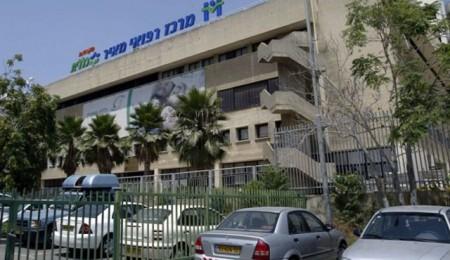
Meir Medical Center

Kaplan Medical Center
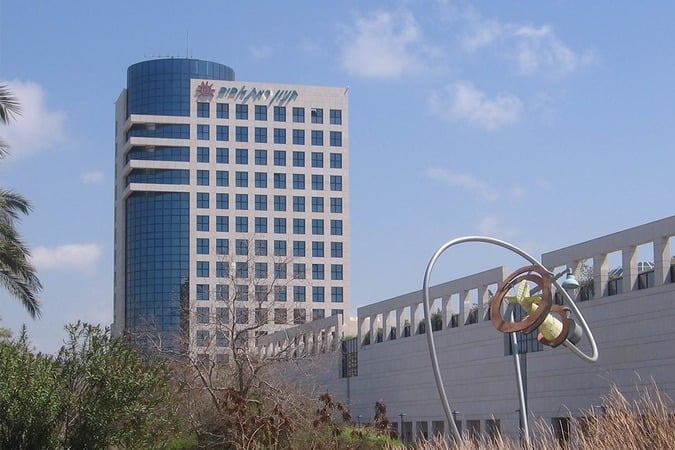
Ramat Aviv Medical Center
Obtenga una evaluación médica de tratamiento de Arritmia en Israel: haga una consulta con 16 médicos experimentados ahora
Ver todos los médicos
Helkin Amir
Especialista en cardiología invasiva en el Centro Médico Sourasky, formado en instituciones de primer nivel como el Hospital Lenox Hill en Nueva York.
- _doctor_3449_años_ de experiencia en cardiología, centrándose en procedimientos intervencionistas
- Director del Servicio de Enfermedades Cardíacas Estructurales en el Centro Médico de Tel Aviv
- Formado tanto en Israel como en EE. UU.
- Miembro activo de conferencias internacionales de cardiología

Rosso Raphael
Especialista en arritmias cardíacas con formación avanzada en electrofisiología – El Dr. Raphael realiza terapia de ablación e implantes de marcapasos en el Centro Médico Sourasky.
- Formación de subespecialidad (fellowship) en electrofisiología en el Royal Melbourne Hospital
- Contribuyente académico con investigaciones publicadas sobre tratamientos de arritmias
- Certificado en cardiología con especialización en medicina interna
- Miembro de la Sociedad Israelí de Cardiología

Levi Yehuda
Experto en dispositivos para arritmias cardíacas, el Dr. Levi Yehuda instala marcapasos y brinda atención cardíaca intensiva en el Centro Médico Sourasky (Ichilov).
- Especializado en el diagnóstico y tratamiento de enfermedades cardiovasculares
- Miembro de la Asociación Americana del Corazón y de la Unión Europea de Cardiólogos
- Posee certificación adicional de la Sociedad Americana de Ecocardiografía
- Realiza procedimientos que incluyen colocación de stents coronarios y trasplante de válvulas cardíacas
- Formado en cuidados intensivos para patologías cardíacas en el Centro Médico Sheba

Bella Koifman
Jefe de ecocardiografía en el Centro Médico Sourasky – El Dr. Koifman se especializa en diagnóstico y tratamiento cardíaco avanzado.
- Realizó una pasantía en el Royal Hospital 'Brompton' de Londres
- Dirige la clínica de salud de la mujer y rehabilitación cardíaca en Ichilov
- Realiza investigaciones clínicas sobre el diagnóstico temprano de enfermedades cardíacas en niños
- Miembro activo de la asociación cardíaca local
Compartir contenido
Historias en video de pacientes de Bookimed
 Olena Sikoza
Preguntas frecuentes sobre el tratamiento de Arritmia en Israel
¿Cuáles son los mejores hospitales y especialistas para el tratamiento de arritmias en Israel?
Los mejores hospitales israelíes para el tratamiento de arritmias incluyen el Sourasky Medical Center, el Sheba Medical Center y el Hadassah Medical Center. Estas instalaciones acreditadas por la JCI utilizan mapeo 3D y crioablación para tratar trastornos del ritmo complejos. Expertos líderes como el Dr. Sami Viskin y el Dr. Rosso Raphael se especializan en técnicas de ablación avanzadas.
- Centros especializados: Sheba alberga el extenso Centro de Arritmias Eli y Zohara Davidai.
- Mapeo avanzado: Sourasky realiza ablaciones complejas utilizando sistemas de mapeo cardíaco 3D de alta definición.
- Tecnología innovadora: El Assuta Medical Center ofrece marcapasos sin cables MICRA y técnicas especializadas VenaSeal.
- Experiencia pediátrica: La Dra. Livia Kapusta ofrece estudios electrofisiológicos dedicados para niños en Sourasky.
Perspectiva del experto de Bookimed: El Sourasky Medical Center destaca por su gran volumen y la integración de la investigación. El Dr. Sami Viskin por sí solo ha contribuido a más de 150 artículos revisados por pares. Esta alta participación académica a menudo se traduce en un acceso más temprano a nuevos protocolos de ablación antes de que se conviertan en estándares globales. Los pacientes que buscan tratamiento para afecciones genéticas raras como el síndrome de QT largo o el síndrome de Brugada encuentran aquí una
¿Qué tecnologías y dispositivos de ablación avanzados están disponibles en Israel?
Israel utiliza tecnologías de ablación de alta precisión, incluyendo la ablación por campo pulsado (PFA), el mapeo electroanatómico 3D y sistemas de criobalón. Centros líderes como el Centro Médico Sourasky y Hadassah emplean el mapeo CARTO 3 y el sistema FARAPULSE PFA. Estas herramientas avanzadas localizan las fuentes de arritmia con extrema precisión para garantizar altas tasas de éxito.
- Ablación por campo pulsado (PFA): Pulsos eléctricos no térmicos tratan las arritmias mientras protegen los tejidos sensibles circundantes.
- Mapeo 3D: El sistema CARTO 3 crea mapas de alta definición en tiempo real de las estructuras cardíacas.
- Tecnología de criobalón: Los sistemas Medtronic Arctic Front utilizan frío extremo para aislar las venas pulmonares de manera eficiente.
- Catéteres de radiofrecuencia: La tecnología de detección de fuerza de contacto como TactiCath asegura una presión óptima durante la entrega de energía térmica.
Perspectiva del experto de Bookimed: Los pacientes a menudo pasan por alto que los centros académicos como Rambam y Hadassah brindan acceso temprano a protocolos de investigación. Estos hospitales participan en ensayos globales para tecnologías como la ablación por campo pulsado antes de que se conviertan en estándar en otros lugares. Elegir un centro con gran actividad investigadora puede ofrecer más opciones de tratami
¿Qué tasas de éxito y plazos de recuperación se reportan para la ablación por catéter en los centros israelíes?
Los centros cardiovasculares israelíes reportan tasas de éxito de hasta el 99% para arritmias simples. El éxito en la fibrilación auricular (FA) alcanza el 67% a los 12 meses. La mayoría de los pacientes se recuperan en un plazo de 2 a 3 días. La cicatrización completa del tejido cardíaco suele concluir en 3 meses. Instalaciones líderes como Sourasky y Assuta mantienen la acreditación JCI por seguridad.
- Éxito en FA: Aproximadamente el 78% de los pacientes tienen éxito durante su primer procedimiento.
- Éxito en arritmias simples: Los tratamientos de TRNAV y flutter logran entre un 92% y un 99% de éxito.
- Recuperación inicial: El reposo en cama dura de 4 a 6 horas después del procedimiento.
- Cronograma de actividades: Las actividades ligeras y el trabajo de oficina se reanudan en 2 a 3 días.
Perspectiva del experto de Bookimed: Los centros privados israelíes como Assuta y Herzliya ofrecen una ventaja clara a través de la elección del médico. Los pacientes pueden seleccionar especialistas en electrofisiología específicos como el Dr. Rosso Raphael o el Dr. Ehud Horin. Esto es vital porque los datos clínicos muestran que los resultados mejoran con el volumen de casos del especialista. Los centros públicos más grandes como Sourasky o Hadassah atienden hasta 1,000,000 de pacientes al año. Este alto volumen garantiza que los equipos tengan mucha e
¿Qué subtipos de arritmias se tratan habitualmente en Israel?
Los centros médicos israelíes tratan habitualmente la fibrilación auricular, la taquicardia supraventricular y las arritmias ventriculares mediante electrofisiología avanzada. Unidades especializadas en Hadassah y Sourasky emplean mapeo 3D y crioablación. También gestionan síndromes genéticos complejos como Brugada y QT largo mediante estratificación de riesgo y colocación de DAI.
- Fibrilación auricular: Tratada mediante ablación por radiofrecuencia, crioablación y mapeo electroanatómico 3D especializado.
- Taquicardia supraventricular: La ablación por catéter de rutina trata la AVNRT y los trastornos de vías accesorias como el WPW.
- Arritmias ventriculares: Los especialistas realizan ablación no invasiva para la taquicardia ventricular idiopática y relacionada con cicatrices.
- Trastornos de la conducción: Los cirujanos implantan marcapasos sin cables y desfibriladores para bradicardia y bloqueos.
Perspectiva del experto de Bookimed: La cardiología israelí cambia rápidamente de la medicación a largo plazo a la ablación por catéter definitiva para casos refractarios a fármacos. El Dr. Sami Viskin en Sourasky y el Dr. Moni Shuvi en Hadassah representan un nivel de experiencia con miles de procedimientos realizados. Este alto volumen en los principales centros garantiza que incluso los síndromes genéticos raros reciban atención estandarizada ba
¿Cómo se compara el mapeo 3D con la ablación con criobalón para la fibrilación auricular?
El mapeo 3D y la ablación con criobalón son tecnologías complementarias para tratar la fibrilación auricular en Israel. El mapeo proporciona una visualización cardíaca de alta resolución para guiar el calor por radiofrecuencia. La ablación con criobalón utiliza energía fría para congelar las venas pulmonares en un solo paso. Ambos métodos mantienen tasas de éxito del 70-85% para casos paroxísticos.
- Velocidad del procedimiento: La ablación con criobalón suele durar 124 minutos en comparación con los 141 minutos del mapeo.
- Tecnología de guía: El mapeo utiliza mapas eléctricos computarizados, mientras que el criobalón depende principalmente de la fluoroscopia de rayos X.
- Precisión de la ablación: El mapeo 3D permite una personalización punto por punto para casos complejos de fibrilación auricular persistente.
- Exposición a la radiación: Los sistemas de mapeo pueden reducir significativamente el tiempo de rayos X al proporcionar una vista virtual del corazón.
Perspectiva del experto de Bookimed: Aunque el criobalón suele ser más rápido para casos estándar, los principales especialistas de Israel, como el Dr. Rosso Raphael en el Centro Médico Sourasky (Ichilov), utilizan con frecuencia el mapeo 3D para procedimientos complejos o de reintervención. Instalaciones a gran escala como Hadassah, que realiza más de 35.000 cirugías al año, utilizan e
¿Qué evaluación preoperatoria y criterios de candidatura se aplican a los pacientes internacionales?
Los pacientes internacionales que buscan tratamiento para la arritmia en Israel se someten a una evaluación de varias etapas. Los candidatos deben estar médicamente estables y no haber sufrido un infarto de miocardio reciente. Los cirujanos en centros acreditados por la JCI, como el Centro Médico Assuta, requieren registros médicos detallados, imágenes digitales y resultados de ECG. La candidatura final se confirma después de pruebas de diagnóstico cardíaco en el lugar.
- Estabilidad médica: Los pacientes deben tener condiciones cardíacas estables durante 6 a 12 semanas antes de viajar.
- Requisitos de diagnóstico: Cargue ECG, resonancia magnética cardíaca y análisis de sangre recientes de 4 a 6 semanas antes de la llegada.
- Pruebas en el lugar: Los hospitales realizan ecocardiogramas y pruebas de esfuerzo obligatorios a la llegada del paciente.
- Capacidad funcional: Los candidatos deben demostrar la capacidad de realizar actividades físicas básicas.
- Auditoría de medicamentos: Los cirujanos revisan todos los medicamentos actuales para ajustar cualquier fármaco anticoagulante.
Perspectiva del experto de Bookimed: Los centros de cardiología israelíes a menudo aceptan casos complejos que son rechazados en otros lugares. Por ejemplo, el Centro Médico Sourasky (Ichilov) utiliza mapeo 3D avanzado y diagnósticos impulsados
¿Qué opciones de seguimiento post-procedimiento y monitoreo remoto existen para los viajeros?
Los pacientes que reciben tratamiento por arritmia en Israel acceden a un monitoreo remoto avanzado a través de dispositivos ECG con conexión celular y portales de pacientes seguros. Centros líderes como el Sourasky Medical Center y el Hadassah Medical Center utilizan plataformas de telemedicina para consultas virtuales. Estos sistemas permiten a los especialistas internacionales revisar los ritmos cardíacos y ajustar los medicamentos desde el extranjero.
- Monitoreo remoto de ECG: Los dispositivos con Bluetooth cargan datos del ritmo cardíaco en tiempo real a las plataformas hospitalarias.
- Portales de telemedicina: Los especialistas en Rambam y Assuta utilizan imágenes digitales para seguimientos virtuales.
- Seguimiento de dispositivos implantables: Los marcapasos y desfibriladores se comunican de forma inalámbrica con transmisores domésticos para la retransmisión de datos.
- Integración con relojes inteligentes: Los cirujanos a menudo revisan las notificaciones de ritmo irregular capturadas en dispositivos portátiles de consumo.
Perspectiva del experto de Bookimed: Los datos de las principales instituciones israelíes muestran una gran dependencia de los Registros Médicos Electrónicos (EHR) integrados. Centros como Sourasky y Hadassah atienden a más de 1.000.000 de pacientes al año y utilizan estos sistemas digitales para garantizar transfe
¿Por qué Israel es uno de los principales destinos para la neurocirugía?
Israel es un centro líder en neurocirugía gracias a su combinación de avances médicos de alta tecnología y una experiencia quirúrgica de primer nivel. Instalaciones avanzadas como el Centro Médico Sheba utilizan sistemas de navegación basados en IA y resonancia magnética intraoperatoria en tiempo real. Centros especializados reportan una tasa de éxito del 98% en procedimientos complejos, como la craneotomía con el paciente despierto y el tratamiento de trastornos del movimiento.
- Tecnología avanzada: Las clínicas utilizan ultrasonido enfocado guiado por resonancia magnética (MRgFUS) y sistemas robóticos para realizar incisiones.
- Experiencia quirúrgica: Cirujanos como el Dr. Zvi Ram lideran asociaciones internacionales con más de 25 años de experiencia.
- Acceso rápido: Los pacientes internacionales generalmente pueden programar cirugías complejas de cerebro o columna en un plazo de 2 a 4 semanas.
- Atención médica acreditada: Grandes centros como Sourasky (Ichilov) y Assuta están acreditados por la JCI, lo que confirma su seguridad.
Opinión experta de Bookimed: Los datos muestran una clara diferencia entre las opciones de tratamiento públicas y privadas en Israel. Centros privados, como el Centro Médico Assuta, realizan más de 92.000 cirugías al año y permiten a los pacientes elegir a un cirujano líder específico. Esto supone una ventaja signi
¿Qué tipos de enfermedades neuroquirúrgicas se tratan en Israel?
Los neurocirujanos israelíes tratan una amplia gama de afecciones, desde tumores cerebrales y de médula espinal hasta trastornos funcionales complejos. Los centros especializados utilizan tecnologías de vanguardia, como el bisturí de rayos gamma, la estimulación cerebral profunda y la resonancia magnética intraoperatoria, para un diagnóstico altamente preciso de la epilepsia, la enfermedad de Parkinson y las patologías cerebrovasculares.
- Enfermedades oncológicas: tratamiento de gliomas, meningiomas y tumores hipofisarios mediante resección de la base del cráneo.
- Trastornos funcionales: tratamiento de la enfermedad de Parkinson y del temblor esencial mediante estimulación cerebral profunda.
- Patologías de columna: corrección de escoliosis, hernias discales y tumores espinales mediante sistemas robóticos.
- Tratamiento de las enfermedades cerebrovasculares: tratamiento quirúrgico de aneurismas cerebrales y malformaciones arteriovenosas mediante intervenciones endovasculares.
- Neurocirugía pediátrica: atención especializada en hidrocefalia y anomalías congénitas en centros pediátricos especializados.
Opinión experta de Bookimed: Los hospitales israelíes suelen combinar diversas especialidades para abordar casos complejos. En el Centro Médico Sourasky, neurocirujanos como el Dr. Zvi Lidar combinan neurocirugía y ortopedi
¿Qué hospitales en Israel son más conocidos por sus departamentos de neurocirugía?
Israel alberga centros neuroquirúrgicos de renombre mundial, como el Centro Médico Sourasky, el Centro Médico Sheba y el Centro Médico Hadassah. Estas instituciones son líderes mundiales en el tratamiento de tumores cerebrales complejos, enfermedades de la columna vertebral y trastornos del movimiento. Utilizan tecnologías de vanguardia como el bisturí de rayos gamma, sistemas robóticos y resonancia magnética intraoperatoria.
- Suraski (Ichilov): realiza más de 2.500 operaciones neuroquirúrgicas al año en Tel Aviv con una tasa de éxito del 98%.
- Centro Médico Sheba: clasificado entre los diez mejores hospitales del mundo, trata a 1,9 millones de pacientes al año.
- Centro Médico Hadassah: Nominado al Premio Nobel de la Paz. Líder en neurocirugía pediátrica y terapia génica.
- Centro Médico Assuta: el centro médico privado más grande de Israel. Especializado en cirugías mínimamente invasivas de columna y cerebro.
- Hospital Infantil Schneider: un centro líder en neurocirugía pediátrica que trata a 275.000 niños al año.
Opinión experta de Bookimed: Nuestros datos muestran que, si bien la mayoría de los pacientes buscan tratamiento en Tel Aviv, el Centro Médico Rambam en Haifa ofrece una atención única para neurotraumatismos. Cuenta con una unidad especializada en cuidados neurocríticos que atiende a aproximadamente un milló