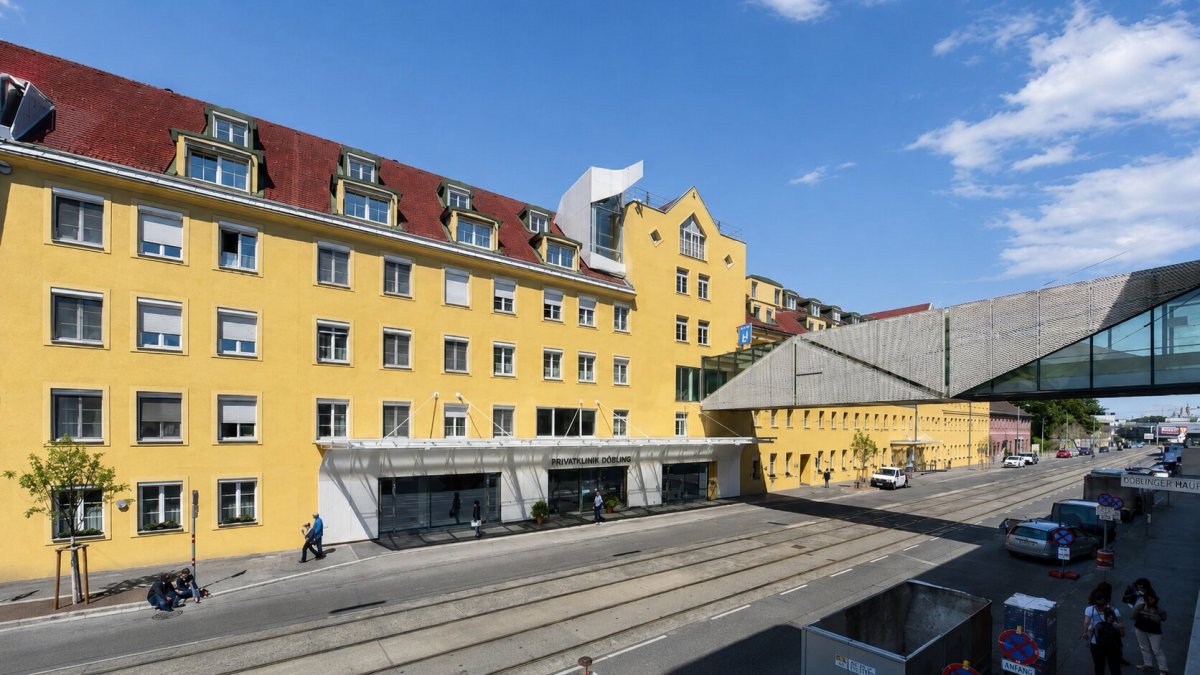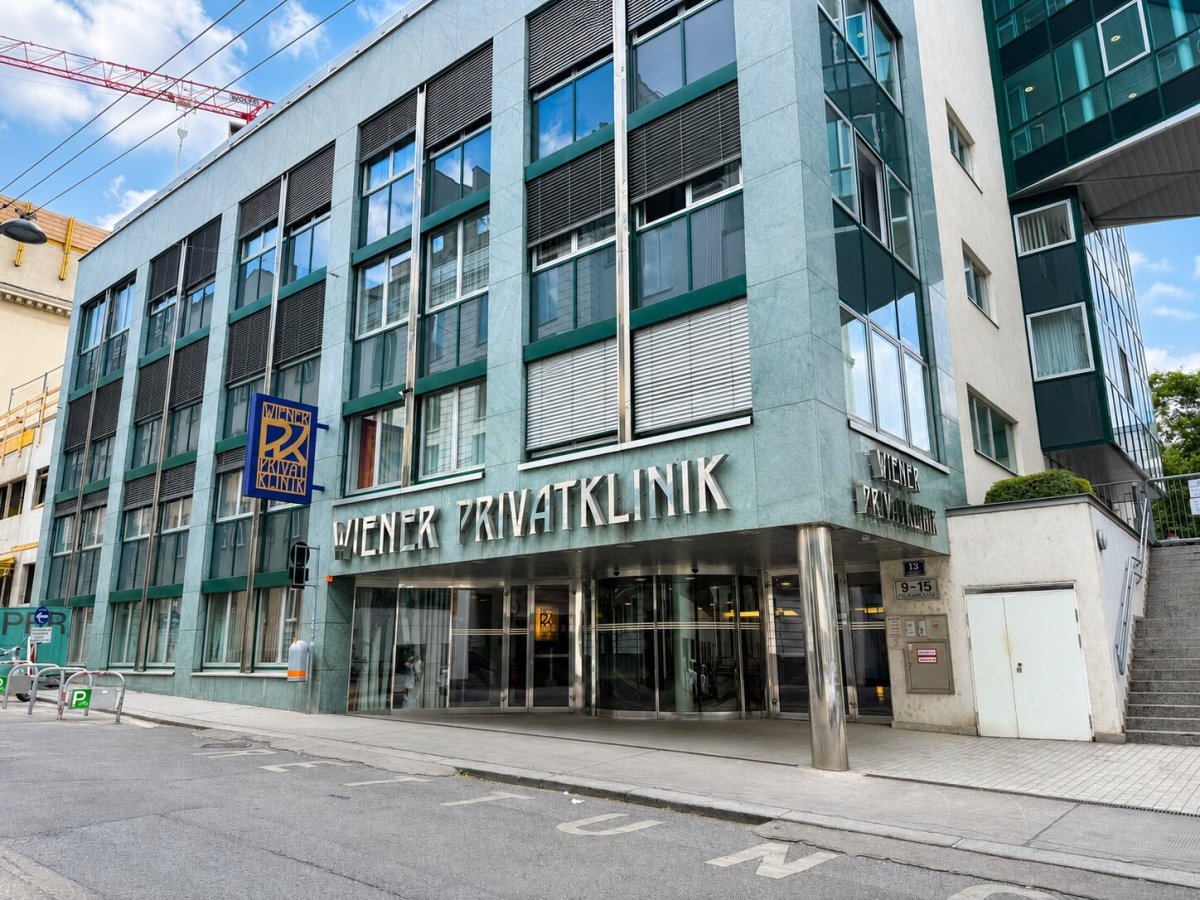
Clínica privada Wiener (Wiener Privatklinik)
Austria, Viena
Christoph Kopp
25 años de experiencia

Clínica certificada por : 





Revisado médicamente por
Fahad Mawlood
El costo del tratamiento de la arritmia en Austria depende generalmente de la complejidad del diagnóstico y de la técnica quirúrgica elegida. De $60. Los gastos totales están influenciados por el nivel de la clínica y el uso de tecnologías avanzadas de mapeo 3D. Los pacientes pueden encontrar atención cardíaca especializada en centros médicos importantes como Viena y Graz.
Costos típicos del tratamiento de la arritmia en Austria
Perspectiva de los expertos de Bookimed: Los pacientes que buscan una precisión diagnóstica de alto nivel se benefician de centros como Wiener Privatklinik. Su equipo incluye profesores de la Universidad Médica de Viena especializados en técnicas basadas en catéteres. Para casos complejos que involucran el ritmo cardíaco y problemas estructurales, el Hospital General de Viena (AKH) ofrece experiencia multidisciplinaria. Esta instalación trata a más de 590,000 pacientes anualmente con tecnologías cardíacas innovadoras. Para aquellos que priorizan la seguridad, el Hospital Privado Döbling mantiene tasas de complicaciones significativamente inferiores a los promedios nacionales.
| Austria | España | Turquía | |
|---|---|---|---|
| Crioablación del corazón | ≈ $14,500 | de $20,200 | de $8,100 |
| Ablación por radiofrecuencia con mapeo 3D | ≈ $9,500 | de $22,500 | de $10,400 |
| Ablación por radiofrecuencia | ≈ $7,500 | de $22,500 | de $5,400 |
El Dr. Christoph Kopp se especializa en el manejo de arritmias y cuenta con décadas de experiencia en cardiología en la Wiener Privatklinik, integrando diagnósticos avanzados y atención preventiva.

El Dr. David Weidenauer se especializa en el diagnóstico de precisión de arritmias complejas en la Wiener Privatklinik, combinando la imagenología cardíaca moderna con un tratamiento personalizado.

Jefe del Departamento de Cirugía Cardíaca del Hospital General de Viena – especializado en casos complejos de arritmia.
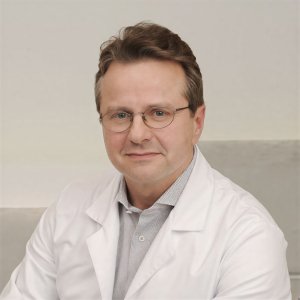
El profesor universitario asociado y doctor en Medicina Christoph Kopp es especialista en medicina interna. También está acreditado en cardiología y angiología. Ejerce en JUVENIS Medical Center, en Viena, y es médico sénior en la Universidad Médica de Viena.
Obtuvo el doctorado en medicina humana por la Universidad de Viena en 1992. Fue investigador en Harvard Medical School/Beth Israel Deaconess entre 1993 y 1996. Completó la formación de especialista en medicina interna de 1997 a 200
 Olena Sikoza
La ablación por catéter en Austria es un procedimiento altamente seguro, con una tasa de éxito del 98 % al 99 % para las arritmias comunes. Los centros austriacos, como el Hospital General de Viena (AKH), cumplen con los estrictos estándares de la Asociación Europea del Ritmo Cardíaco. Las complicaciones graves ocurren solo en el 1 % al 2,4 % de los casos. Las avanzadas tecnologías de mapeo 3D minimizan los riesgos.
Opinión experta de Bookimed: Los datos demuestran una clara ventaja en seguridad en los principales centros vieneses. El Hospital General de Viena (AKH) atiende a más de 595 000 pacientes al año y cuenta con 1600 médicos. Esta magnitud garantiza que cirujanos como el profesor Marek Ehrlich mantengan el más alto nivel de especialización. Elegir centros con certificación ISO, como el Hospital Privado Lich o el Ho
Los hospitales austriacos, entre ellos el Hospital General de Viena (AKH) y el Hospital Privado de Viena, ofrecen una gama completa de servicios de electrofisiología para el tratamiento de arritmias complejas. Estos centros utilizan mapeo 3D y ablación por radiofrecuencia. Instituciones como el Hospital Universitario de Graz y el Hospital Privado de Döbling también ofrecen servicios avanzados de cardiología intervencionista en instalaciones que cumplen con la norma ISO.
Opinión de expertos de Bookimed: Los pacientes que buscan un tratamiento integral para la arritmia en Austria suelen elegir entre el elevado volumen de pacientes del AKH de Viena y la atención especializada de la Wiener Privatklinik. El AKH de Viena atiende a aproximadamente 600 000 pacientes al año y es líder en investigación. Por su parte, la Wiener Privatklinik ofrece un acceso más rápido a e
La preparación preoperatoria para la ablación cardíaca en Austria incluye un examen cardíaco completo. Las pruebas clave incluyen un electrocardiograma (ECG), un ecocardiograma, una resonancia magnética (RM) o una tomografía computarizada (TC) del corazón. Los especialistas suelen requerir un mapeo exhaustivo mediante estudios electrofisiológicos y análisis de sangre para medir parámetros metabólicos, con el fin de garantizar la seguridad y el éxito del procedimiento.
Experiencia de Bookimed: Los pacientes pueden simplificar su visita eligiendo clínicas como el Hospital General de Viena (AKH) o el Hospital Privado de Viena. Estos centros cuentan con profesores de la Universidad Médica de Viena. Esta conexión académica permite el acceso a pruebas especializadas, como el mapeo 3D y la crioablación.
Para la ablación de arritmias, los pacientes que realizan turismo médico deben planificar una estancia en Austria de 7 a 10 días. La hospitalización suele durar de 1 a 2 días para observación. La mayoría de los pacientes permanecen en la región entre 5 y 7 días adicionales para asegurar que su estado sea estable antes de regresar a casa.
Opinión de expertos de Bookimed: Elegir un centro de gran tamaño como el Hospital General de Viena (AKH) brinda acceso a programas de tratamiento especializados para aneurismas y arritmias. Nuestros datos muestran que estas grandes instituciones atienden a más de 590 000 pacientes al año. Este alto volumen suele traducirse en menores tasas de complicaciones y protocolos de monitorización postoperatoria más avanzados en comparación con instituciones más pequeñas.
Comentarios de los pacientes: Los pacientes señalan que, si bien el alta se produce rápidamente, la fatiga puede