Tratamiento de Arritmia en Corea del Sur — obtenga 3 coincidencias personalizadas de clínicas


Revisado médicamente por
Fahad Mawlood
Cómo funciona
¿Cuál es el precio del diagnóstico y los tratamientos de Arritmia en Corea del Sur? Descubra ahora
De $30. Los gastos totales dependen del nivel del hospital, el uso de tecnología de mapeo 3D y el estado del seguro del paciente. Los pacientes pueden esperar ahorros del 30-50% en comparación con los EE. UU. Las principales ciudades para la atención cardíaca incluyen Seúl e Incheon.
Costos típicos del tratamiento de la arritmia en la República de Corea
- Consulta con un cardiólogo: $50 – $55
- ECG: de $30
- Ablación por radiofrecuencia: de $8,000
Perspectiva de los expertos de Bookimed: Para casos complejos como la fibrilación auricular, los centros terciarios en Seúl ofrecen el mayor valor. El Hospital de la Universidad Nacional de Seúl (SNUH) es una opción destacada, ya que sirve como centro médico presidencial. Los pacientes que buscan atención pediátrica especializada deben considerar el HOSPITAL SEJONG con sede en Incheon. El Dr. Sungho Kim ha realizado allí más de 1,200 intervenciones cardíacas. Estas instituciones acreditadas por la JCI proporcionan una infraestructura digital avanzada, lo que garantiza precisión para los pacientes que requieren control del ritmo mediante catéter.
| Corea del Sur | España | Turquía | |
|---|---|---|---|
| Crioablación del corazón | ≈ $9,500 | de $20,200 | de $8,100 |
| Ablación por radiofrecuencia con mapeo 3D | ≈ $9,500 | de $22,400 | de $10,400 |
| Ablación por radiofrecuencia | de $8,000 | de $22,400 | de $5,200 |
Descubra las mejores clínicas de tratamiento de Arritmia en Corea del Sur: 9 opciones verificadas y Precios










Obtenga una evaluación médica de tratamiento de Arritmia en Corea del Sur: haga una consulta con 6 médicos experimentados ahora
Ver todos los médicos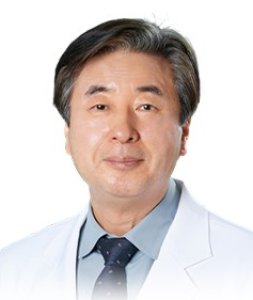
Ahn Taehun
El Dr. Ahn Taehun es cardiólogo (MD, PhD) y director de un centro cardiovascular. Está especializado en enfermedad coronaria, incluida la angina y el infarto de miocardio. También trata la hipertensión, la valvulopatía, la insuficiencia cardíaca y la hiperlipidemia. Su experiencia abarca la cardiología intervencionista, la ecocardiografía y la imagen cardiovascular. Asimismo, maneja la aterosclerosis, la enfermedad arterial oclusiva, la miocardiopatía dilatada y la miocarditis.
Ha dese
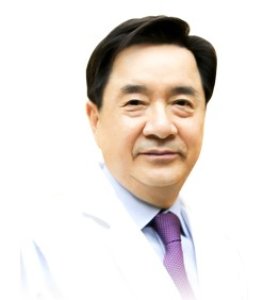
Oh Dongju
El Dr. Oh Dongju, MD, PhD, es cardiólogo. Se especializa en hipertensión, hiperlipidemia, angina, infarto de miocardio, valvulopatías, miocardiopatía dilatada y miocarditis. Su trabajo también abarca la aterosclerosis y la enfermedad arterial oclusiva. Tiene experiencia en ecocardiografía e imágenes cardiovasculares.
Completó una subespecialización en cardiología en la Escuela de Medicina de la Universidad de Emory. También fue Instructor Clínico en el Departamento de Medicina Weill de
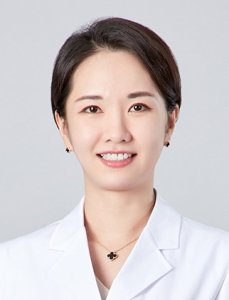
Min Jeong Kim
La Dra. Min-Jeong Kim, MD, PhD, es cardióloga en el Hospital Sejong de Incheon. Se centra en cardiología intervencionista, insuficiencia cardíaca, hipertensión y cardiología preventiva.
Obtuvo los títulos de MD y PhD en la Facultad de Medicina de la Universidad Nacional de Seúl. Completó formación avanzada en medicina interna y enfermedades cardiovasculares en un importante centro médico de Corea.
Su experiencia abarca la enfermedad coronaria, la insuficiencia cardíaca crónica,
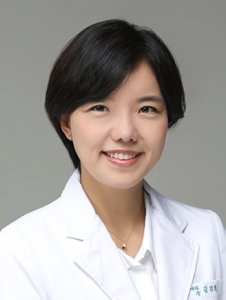
Kyung Hee Kim
La Dra. Kyung-Hee Kim, MD, PhD, es Directora del Centro de Trasplante Cardíaco y Jefa de Cardiología del Hospital Incheon Sejong. Obtuvo los títulos de MD, MS y PhD en la Facultad de Medicina de la Universidad Nacional de Seúl. Completó estancias internacionales, incluida investigación en la Clínica Mayo.
Su experiencia abarca insuficiencia cardíaca avanzada, evaluación y manejo del trasplante cardíaco, soporte circulatorio mecánico (VAD, ECMO), hipertensión pulmonar, miocardiopatías c
Compartir contenido
Historias en video de pacientes de Bookimed
 Olena Sikoza
Preguntas frecuentes sobre el tratamiento de Arritmia en Corea del Sur
¿Cuáles son las principales opciones de tratamiento para la arritmia disponibles en Corea del Sur?
Corea del Sur ofrece tratamientos avanzados para la arritmia, incluyendo la ablación por catéter con radiofrecuencia, la crioablación y el mapeo cardíaco 3D. Centros especializados en Seúl e Incheon utilizan infraestructura digital para implantar marcapasos y desfibriladores automáticos implantables. Electrofisiólogos altamente experimentados realizan estos procedimientos mínimamente invasivos con tasas de éxito que alcanzan el 90% para condiciones específicas.
- Ablación por catéter: Utiliza radiofrecuencia o crioenergía para neutralizar los ritmos cardíacos irregulares.
- Mapeo cardíaco 3D: Emplea imágenes digitales para localizar los desencadenantes de la arritmia con alta precisión.
- Dispositivos implantables: Incluye marcapasos, DAI y terapia de resincronización para pacientes con insuficiencia cardíaca.
- Monitoreo diagnóstico: Estudios integrales de ECG, resonancia magnética cardíaca y electrofisiología guían la planificación del tratamiento.
Perspectiva del experto de Bookimed: El volumen de pacientes es un indicador principal de seguridad para las intervenciones cardíacas en Corea del Sur. Mientras que el Hospital de la Universidad Nacional de Seúl atiende a más de 10,000 pacientes diarios, los centros en Incheon como el Hospital Sejong ofrecen experiencia especializada. Por ejemplo, el Dr. Sungho Kim ha realizado más de 1,200 interve
¿Qué tan experimentados son los electrofisiólogos cardíacos coreanos y dónde se encuentran los principales centros de arritmias?
Los electrofisiólogos cardíacos de Corea del Sur tienen mucha experiencia. Completan de 8 a 10 años de formación especializada antes de ejercer. Los principales centros de arritmias se encuentran en Seúl e Incheon. Clínicas líderes como el Hospital Bundang de la Universidad Nacional de Seúl utilizan sistemas digitales integrados para intervenciones precisas basadas en catéteres.
- Estándares de formación: Los especialistas realizan 1 año de internado y 4 años de residencia.
- Fellowship avanzado: Los expertos completan 2 años de cardiología y 1 a 2 años de fellowship especializado.
- Principales grupos: Los centros terciarios se concentran en Seúl e Incheon para la atención compleja.
- Acceso a la tecnología: Los centros utilizan mapeo 3D y aislamiento con criobalón para obtener resultados de ablación precisos.
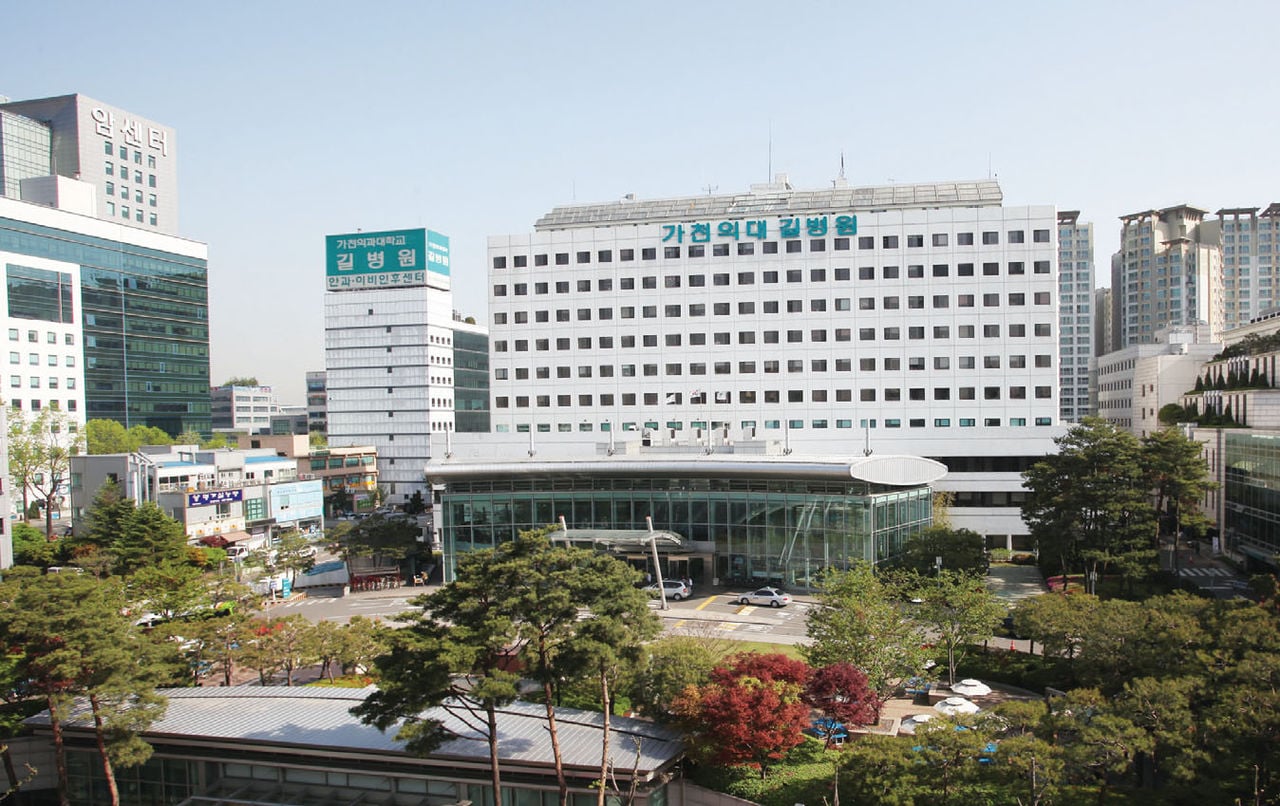
Perspectiva del experto de Bookimed: El volumen clínico afecta significativamente los resultados de los pacientes en Corea. El Centro Médico Gil de la Universidad de Gachon gestiona más de 38.000 pacientes al año. El Hospital Bundang de la Universidad Nacional de Seúl trata a 1.500.000 pacientes cada año. Estos volúmenes masivos de pacientes aseguran que los electrofisiólogos coreanos mantengan una alta competencia técnica mediante la repetición frecuente de procedimientos.
Consenso de los pacientes: Los pacientes
¿Qué evaluación preoperatoria se le realizará a un paciente internacional y cuánto tiempo lleva?
Los pacientes internacionales que se someten a un tratamiento de arritmia en Corea del Sur suelen completar una evaluación cardíaca integral en un plazo de 1 a 3 días. Esta evaluación especializada incluye análisis de sangre, radiografías de tórax e imágenes de diagnóstico avanzadas como resonancia magnética cardíaca o mapeo 3D. Los cirujanos suelen realizar los exámenes físicos finales 48 horas antes del procedimiento.
- Métodos de diagnóstico: La evaluación incluye ECG, resonancia magnética cardíaca y consultas con un cardiólogo.
- Plazo de tratamiento: Los centros médicos generalmente realizan las evaluaciones finales de 1 a 3 días antes de la cirugía.
- Procedimientos avanzados: Se utilizan técnicas de mapeo como el mapeo 3D para radiofrecuencia o crioablación.
- Estándares de las instalaciones: La mayoría de los hospitales mantienen la acreditación JCI o la certificación KOIHA para la seguridad de la calidad.
Perspectiva de expertos de Bookimed: La infraestructura digital de Corea del Sur reduce significativamente los tiempos de espera de las evaluaciones en comparación con Europa o América del Norte. Los centros líderes como el Hospital de la Universidad Nacional de Seúl operan con sistemas totalmente digitales. Esto permite a los médicos revisar los ECG cargados y el historial médico antes de que llegue el paciente. Esta preparación a me
¿Cuál es la duración prevista de la estancia hospitalaria y el tiempo de recuperación para una ablación por catéter?
La ablación por catéter en la República de Corea generalmente requiere una noche de hospitalización para observación. La mayoría de los pacientes retoman sus actividades diarias ligeras en un plazo de tres a siete días. Se debe evitar levantar objetos pesados y realizar ejercicio extenuante durante aproximadamente una semana para asegurar una correcta cicatrización del sitio.
- Observación hospitalaria: El alta suele producirse dentro de las 24 horas posteriores a un período de monitoreo.
- Cuidados post-procedimiento: Los pacientes deben permanecer acostados boca arriba durante 4 a 6 horas después de la intervención.
- Rutina laboral: La mayoría de las personas regresan a su trabajo de oficina en un plazo de 2 a 3 días.
- Límites de actividad: Evite levantar más de 10 libras (aprox. 4,5 kg) durante al menos una semana completa.
- Cicatrización interna: La estabilización del tejido cardíaco y la cicatrización completa tardan aproximadamente de 8 a 12 semanas.
Perspectiva del experto de Bookimed: Los centros cardiovasculares de Corea del Sur, como el Hospital Severance, priorizan la eficiencia, gestionando a menudo estancias de una sola noche donde las instalaciones de EE. UU. podrían requerir más tiempo. Especialistas líderes como el Dr. Sungho Kim utilizan mapeo 3D avanzado y crioablación para reducir el tiempo del proc
¿La ablación por catéter deja cicatrices visibles y qué debo esperar en el sitio de punción?
La ablación por catéter deja pocas o ninguna cicatriz visible porque utiliza sitios de punción pequeños. Los cirujanos suelen acceder al corazón a través de las venas de la ingle o el cuello. Estas diminutas aberturas de 2 milímetros generalmente sanan hasta convertirse en marcas invisibles en varios meses sin necesidad de puntos de sutura.
- Apariencia de la punción: Los sitios de entrada parecen pequeños pinchazos de aguja que se desvanecen en semanas.
- Acceso por la ingle: El acceso femoral estándar garantiza que cualquier marca menor permanezca oculta de forma natural.
- Proceso de curación: Pueden persistir pequeñas marcas blancas, pero generalmente requieren una inspección minuciosa.
- Recuperación inicial: Los hematomas y la sensibilidad en el sitio son comunes durante 1 a 2 semanas.
- Cierre interno: Puede formarse un pequeño bulto duro mientras el cuerpo absorbe la sangre.
Perspectiva del experto de Bookimed: Los centros de electrofisiología de Corea del Sur a menudo utilizan vainas ultrafinas de 6F para minimizar el trauma de la punción. Si bien el acceso estándar por la ingle es casi invisible, los pacientes deben confirmar si se requiere acceso por el cuello. Las clínicas coreanas modernas priorizan la entrada por la ingle para garantizar que no haya cicatrices visibles en el cuello o el pecho. Solicitar un
¿Cuáles son los riesgos reconocidos y las tasas de complicaciones en los centros coreanos?
El tratamiento de las arritmias en Corea mantiene altos estándares de seguridad, con centros especializados que reportan tasas de éxito de entre el 70% y el 90%. Las complicaciones graves, como la estenosis de las venas pulmonares o la lesión del nervio frénico, ocurren en menos del 1% de los casos. Instalaciones como el Severance Hospital cuentan con la acreditación JCI, lo que garantiza protocolos rigurosos de seguridad del paciente y de procedimientos.
- Riesgo de accidente cerebrovascular: Los centros de alto volumen reportan un riesgo bajo del 1% al 2% durante la anticoagulación.
- Sitios de acceso: El sangrado en los puntos de inserción del catéter ocurre en aproximadamente el 1% al 3% de los pacientes.
- Tasas de éxito: La ablación de la fibrilación auricular paroxística supera el 70% de éxito en el primer intento.
- Seguridad en endoscopia: Los procedimientos gastrointestinales de diagnóstico muestran tasas de perforación extremadamente bajas, del 0,007% al 0,02%.
Perspectiva del experto de Bookimed: El liderazgo de Corea en salud digital impacta directamente en la seguridad de los procedimientos. El Hospital Bundang de la Universidad Nacional de Seúl se convirtió en el primer hospital totalmente digitalizado en 2004. Su sistema BESTcare reduce los errores médicos mediante la automatización de registros. Este enfoque tecnológico respald
¿Está el procedimiento cubierto por el Seguro Nacional de Salud de Corea para pacientes extranjeros y qué opciones de pago existen?
El Seguro Nacional de Salud de Corea del Sur no cubre a los turistas médicos extranjeros que visitan el país para recibir tratamiento contra la arritmia. La cobertura está restringida a residentes extranjeros que permanezcan más de 6 meses con una tarjeta de registro de extranjero (Alien Registration Card) válida. Los pacientes internacionales de corta estancia deben pagar la totalidad de los costos mediante efectivo, tarjetas de crédito o seguros privados.
- Elegibilidad para el seguro: Obligatorio para residentes que permanezcan más de 6 meses a través del Servicio Nacional de Seguro de Salud.
- Tasas de copago: Los pacientes asegurados pagan el 20 % por atención hospitalaria y entre el 30 y el 60 % por visitas ambulatorias.
- Métodos de pago: Las clínicas aceptan las principales tarjetas de crédito, transferencias bancarias y pagos móviles como KakaoPay.
- Capacidad hospitalaria: El Hospital Severance trata a 1,6 millones de pacientes ambulatorios al año con centros cardiovasculares especializados.
Perspectiva de expertos de Bookimed: Aunque la mayoría de los pacientes internacionales pagan el precio completo, elegir un centro como el Hospital de la Universidad Nacional de Seúl (SNUH) brinda acceso a protocolos utilizados por el presidente de Corea del Sur. Las grandes instalaciones como el Hospital Bundang de la Universidad Nacional de Seúl