Bomba de Baclofeno en Alemania — obtén 3 clínicas con costos


Revisado médicamente por
Fahad Mawlood
¿Cuál es el precio de Bomba de Baclofeno en Alemania? Descubra ahora
El costo de la cirugía de bomba de baclofeno en Alemania suele oscilar de $22,000 a $34,000. Los costos pueden variar según la clínica, la experiencia del cirujano y la complejidad de la condición médica. UU.
Las clínicas alemanas suelen incluir en el precio la consulta inicial, análisis de sangre preoperatorios, medicación postoperatoria, consultas de seguimiento y atención al paciente 24/7. También se cuenta con personal que habla inglés, planes de tratamiento personalizados, instrucciones de cuidado postoperatorio y comidas durante las visitas a la clínica. En EE. UU., el precio indicado suele cubrir solo los honorarios del cirujano y los costos hospitalarios básicos, mientras que las pruebas preoperatorias, medicamentos y seguimientos se facturan por separado. Siempre confirmar exactamente qué está incluido en la clínica elegida.
Beneficios clave
¿Por qué elegir Alemania para la cirugía de bomba de baclofeno?
- Clínicas acreditadas: Las clínicas en Alemania son reconocidas por sus altos estándares. Cuentan con certificaciones de KTQ y otras organizaciones respetadas, garantizando atención de máxima calidad.
- Últimas tecnologías: Alemania utiliza métodos de vanguardia como el sistema de infusión SynchroMed II de Medtronic. Este sistema es conocido por su precisión al administrar medicación directamente al líquido cefalorraquídeo.
- Altas tasas de éxito: La cirugía de bomba de baclofeno en Alemania tiene una tasa de eficacia del 85-90% para reducir la espasticidad. Esto es especialmente beneficioso para pacientes con condiciones como esclerosis múltiple y parálisis cerebral, según estudios clínicos.
- Cirujanos expertos: Alemania alberga a destacados neurocirujanos, muchos de los cuales han realizado más de 500 implantaciones exitosas de bombas de baclofeno. Estos cirujanos cuentan con certificaciones de la Sociedad Alemana de Neurocirugía (DGNC), lo que garantiza su experiencia y pericia.
Acceda a soluciones avanzadas de Cirugía de Bomba de Baclofeno en clínicas de confianza de $22,000.
| Alemania | España | Turquía | |
|---|---|---|---|
| Bomba de Baclofeno | ≈ $22,000 | ≈ $18,000 | de $30,000 |
| Rizotomía Dorsal Selectiva (RDS) | ≈ $18,500 | ≈ $35,000 | de $35,000 |
Sus beneficios y garantías con Bookimed
Precios directos
Bookimed no añade cargos adicionales a los precios de Bomba de Baclofeno. Las tarifas proceden de las listas de precios oficiales de las clínicas. Pagará directamente en la clínica por su Bomba de Baclofeno a su llegada al país.
Sólo clínicas y médicos verificados
Bookimed está comprometido con su seguridad. Solo trabajamos con las clínicas que mantienen altos estándares internacionales en Bomba de Baclofeno y tienen las licencias necesarias para atender a pacientes internacionales en todo el mundo.
Asistencia 24/7 gratuita
Bookimed ofrece asistencia experta gratuita. Un coordinador médico personal le apoya antes, durante y después del tratamiento, resolviendo cualquier problema. Nunca estará solo en su viaje médico de Bomba de Baclofeno.

Su coordinador médico personal de Bookimed
- Le apoya en cada etapa
- Ayuda a elegir la clínica y el médico adecuados
- Asegura un acceso rápido y conveniente a la información
Descubra las mejores clínicas de Bomba de Baclofeno en Alemania: 1 opciones verificadas y Precios
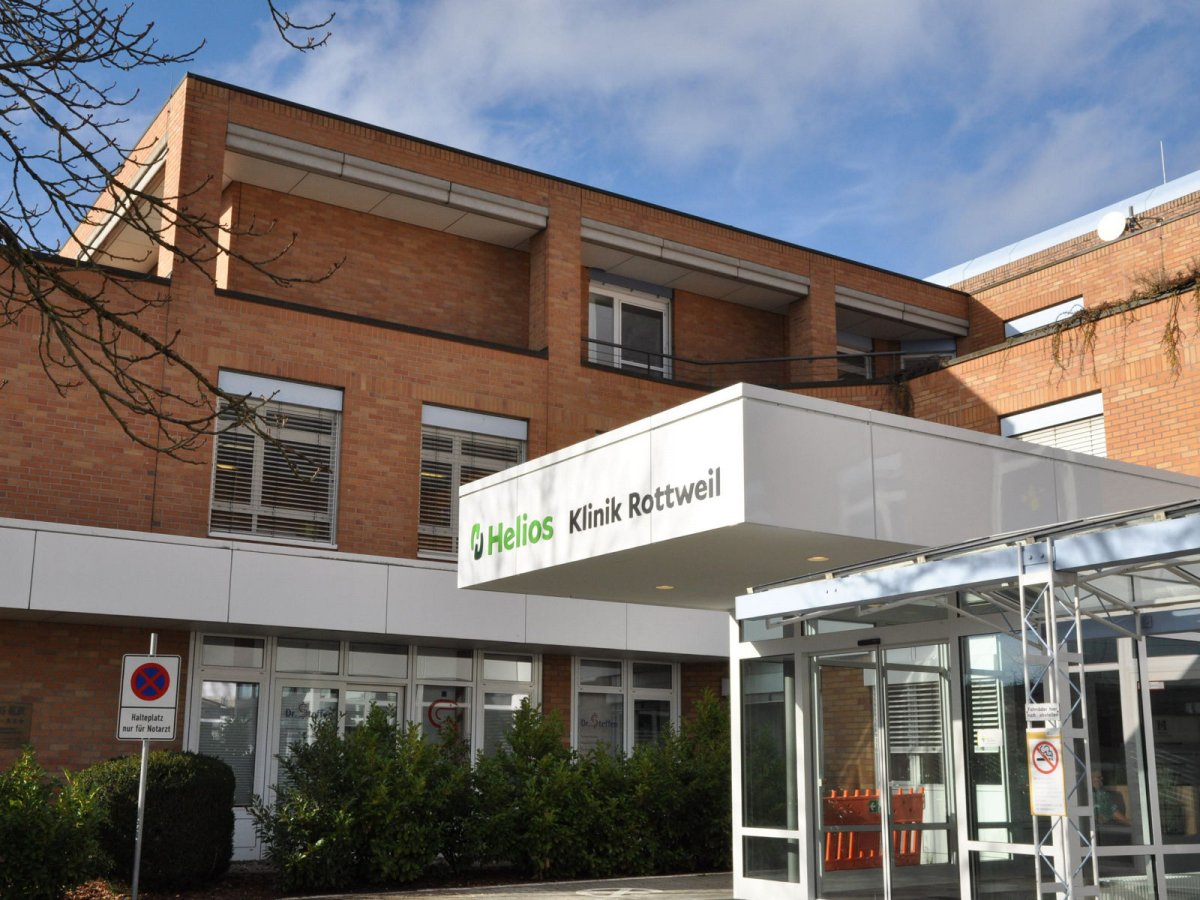




Descripción general de Bomba de Baclofeno en Alemania
- Depósito de Bookimed: 200 $ o 200 €.
- Depósito de la clínica: Pague un porcentaje fijo por adelantado.
Historias en video de pacientes de Bookimed
Reseñas
Todas las reseñasCompartir contenido
 Olena Sikoza
Preguntas frecuentes sobre Bomba de Baclofeno en Alemania
¿Cuáles son los riesgos y posibles efectos secundarios de la cirugía de bomba de baclofeno?
Los riesgos de la cirugía de bomba de baclofeno incluyen fallas técnicas como el acodamiento o bloqueo del catéter y complicaciones quirúrgicas directas como fugas de líquido cefalorraquídeo. Los pacientes pueden experimentar efectos secundarios relacionados con la medicación, incluyendo sedación, debilidad muscular o abstinencia potencialmente mortal si el dispositivo falla o se vacía.
- Problemas mecánicos: Los catéteres pueden desplazarse, romperse o acodarse, causando una pérdida repentina de medicación.
- Complicaciones quirúrgicas: Las infecciones en la incisión o las fugas de líquido espinal pueden provocar dolores de cabeza o cirugía de revisión.
- Efectos secundarios médicos: Las dosis altas pueden causar somnolencia extrema, problemas respiratorios o aturdimiento temporal.
- Riesgos de abstinencia: El cese repentino del baclofeno es una emergencia médica que requiere intervención clínica inmediata.
Perspectiva del experto de Bookimed: Los hospitales universitarios alemanes como Helios Wuppertal tratan a 150,000 pacientes anualmente utilizando protocolos quirúrgicos de alto volumen. Los datos muestran que el éxito a largo plazo depende del cumplimiento de la recarga en lugar de solo la cirugía inicial. Muchos pacientes pasan por alto que estos dispositivos requieren reemplazos de batería cada 5 a 7 años. Elegir un centro de alto volume
¿Quién califica para la implantación de una bomba de baclofeno en Alemania?
Los candidatos para la implantación de una bomba de baclofeno en Alemania incluyen adultos y niños mayores de 6 años con espasticidad severa no controlada por medicamentos orales o fisioterapia. La calificación requiere una inyección de prueba exitosa en el líquido espinal para confirmar la respuesta clínica antes de la colocación neuroquirúrgica permanente.
- Indicaciones médicas: Adecuado para esclerosis múltiple, lesiones de la médula espinal, parálisis cerebral o espasticidad relacionada con un accidente cerebrovascular.
- Historial de tratamiento: Los pacientes deben demostrar que las terapias conservadoras estándar como el baclofeno oral son insuficientes.
- Prueba obligatoria: Se requiere legalmente una prueba de detección positiva que demuestre una reducción de la rigidez muscular.
- Requisitos corporales: Los pacientes deben tener un tamaño físico adecuado para acomodar la bomba subcutánea.
Perspectiva del experto de Bookimed: Los hospitales universitarios alemanes como Helios Wuppertal utilizan juntas interdisciplinarias para aprobar a los candidatos. Si bien estas bombas a menudo se asocian solo con pacientes en silla de ruedas, nuestros datos muestran que los pacientes con movilidad parcial a menudo califican si la espasticidad limita severamente su progreso de rehabilitación.
Consenso de los pacientes: El éx
¿Cuál es el cronograma de recuperación después de la cirugía de bomba de baclofeno?
La recuperación directa después de la cirugía de bomba de baclofeno en Alemania requiere de 6 a 8 semanas para la curación de la incisión y la estabilización del tejido. Los pacientes suelen pasar de 1 a 7 días hospitalizados para el monitoreo inicial y la calibración del dispositivo. El retorno completo al trabajo físico y actividades de alta intensidad ocurre solo después de la integración completa de la bomba.
- Estancia hospitalaria: Espere de 1 a 7 días para la revisión de la herida y la programación inicial de la bomba.
- Manejo de heridas: Los cirujanos retiran los puntos abdominales y espinales dentro de los 10 a 12 días.
- Apoyo físico: Use una faja abdominal elástica durante 12 semanas para reducir la inflamación.
- Límites de movimiento: Evite girar, agacharse o levantar objetos pesados durante al menos 8 semanas.
Perspectiva del experto de Bookimed: Los hospitales universitarios alemanes como Helios Wuppertal aprovechan su enorme volumen de pacientes para una titulación precisa. Si bien la incisión física sana en semanas, la verdadera recuperación dura hasta que termina la calibración de la dosis. Las clínicas con grandes departamentos especializados gestionan esta integración neuroquirúrgica y farmacológica de manera más eficiente.
Consenso de los pacientes: Muchos sienten que la cirugía es más fácil de lo e
¿Es la bomba de baclofeno permanente y qué sucede cuando se agota la batería?
Una bomba de baclofeno es un implante a largo plazo, no un dispositivo de por vida. La batería generalmente dura de 6 a 7 años. Una vez que se acerca al agotamiento, los cirujanos deben reemplazar toda la unidad de la bomba. Esta cirugía es necesaria para evitar síntomas de abstinencia peligrosos de baclofeno y un rebote severo de la espasticidad.
- Reemplazo del dispositivo: Los cirujanos reemplazan la bomba completa, dejando generalmente el catéter original en su lugar.
- Límites de vida útil: La duración de la batería varía de 6 a 7 años dependiendo de sus niveles de dosis.
- Acceso quirúrgico: Los procedimientos de reemplazo son generalmente más rápidos y menos invasivos que la implantación inicial.
- Monitoreo de seguridad: Los especialistas rastrean el agotamiento de la batería durante las recargas programadas para evitar fallas repentinas del dispositivo.
Perspectiva de expertos de Bookimed: Los hospitales universitarios alemanes como Helios Wuppertal tratan a 150.000 pacientes anualmente. Priorizan sistemas de seguimiento integrados para estos implantes. Muchas clínicas utilizan monitoreo digital para programar los reemplazos meses antes de que la batería alcance niveles críticos. Esto evita la emergencia médica de una abstinencia repentina. Este protocolo garantiza un tratamiento continuo de la espasticidad sin brechas en la terapia.
¿En qué consiste la cirugía de bomba de baclofeno?
La cirugía de bomba de baclofeno es un procedimiento de dos horas que implanta un dispositivo a batería en el abdomen. Administra medicamentos directamente a la columna vertebral a través de un catéter. Los cirujanos usan anestesia general para colocar la bomba del tamaño de un disco e introducir el tubo en el espacio intratecal.
- Incisión abdominal: Los cirujanos crean un bolsillo subcutáneo para sostener la bomba metálica a batería.
- Colocación del catéter: Una pequeña incisión en la espalda permite la inserción del catéter en el área espinal llena de líquido.
- Programación electrónica: Los médicos usan una computadora externa para establecer dosis personalizadas de medicamentos después de la cirugía.
- Requisito de prueba: La mayoría de los centros requieren una prueba de detección antes de la implantación permanente para garantizar la eficacia.
Perspectiva de expertos de Bookimed: Los hospitales universitarios alemanes como Helios Wuppertal tratan a 150.000 pacientes anualmente utilizando sistemas de alta capacidad. Los datos muestran que el éxito a largo plazo depende de la accesibilidad al seguimiento. Debe visitar la clínica cada 1 a 6 meses para rellenar los medicamentos y verificar la batería. Confirme siempre que su equipo de neurología local pueda manejar su modelo específico de bomba antes de viajar.
Consenso de lo
¿Qué hospitales en Alemania tienen las calificaciones más altas en neurocirugía?
Alemania alberga algunos de los departamentos de neurocirugía más prestigiosos del mundo, liderados por la Charité – Universitätsmedizin Berlin y el Hospital Universitario de Heidelberg. Estos centros destacan en el tratamiento de tumores cerebrales complejos y enfermedades cerebrovasculares. Para maximizar la eficacia de sus procedimientos, utilizan tecnologías de vanguardia como la resonancia magnética intraoperatoria y la neuronavegación asistida por computadora.
- Charité Berlín: Realiza más de 5000 cirugías al año. La clínica está dirigida por el reconocido neurocirujano Dr. Peter Vaikoczy.
- Centro Médico Solingen: El Dr. Ralf Buhl ha realizado más de 4.000 cirugías, incluidas cirugías de columna mínimamente invasivas.
- Clínica Asklepios Nord: equipada con el único sistema de resonancia magnética intraoperatoria bilateral de Alemania para garantizar precisión quirúrgica en tiempo real durante la extirpación del tumor.
- Clínica Nordwest: reconocida por la revista Newsweek como un hospital líder por su innovación en tecnología de ultrasonido 3D.
Opinión experta de Bookimed: Los datos muestran que elegir centros con un alto volumen quirúrgico suele llevar a recomendaciones de tratamiento más conservadoras. En el Centro Médico Solingen, que atiende a más de 60.000 pacientes al año, los cirujanos suelen sugerir fisioterapia en lugar de cirugía
¿Cuáles son las tasas de éxito de los procedimientos neuroquirúrgicos complejos en Alemania?
En Alemania, los procedimientos neuroquirúrgicos de alta complejidad demuestran una seguridad excepcional. Las tasas de éxito en las fusiones espinales alcanzan el 99 %. La tasa de supervivencia en las resecciones de tumores cerebrales primarios es del 97 %. La independencia funcional es alta. Más del 82 % de los pacientes reciben el alta inmediatamente después del tratamiento. Los centros alemanes priorizan la preservación de la función neurológica mediante técnicas modernas de mapeo.
- Resección de tumores: los cirujanos logran una resección tumoral completa en el 87,2% de los casos de metástasis cerebrales.
- Éxito en el tratamiento de enfermedades vasculares: los hospitales alemanes informan de una tasa de supervivencia del 98,7% para aneurismas no rotos.
- Mejora del estado neurológico: casi el 43% de los pacientes experimentan una mejora de los parámetros funcionales después de resecciones complejas.
- Seguridad de las intervenciones quirúrgicas: En grandes centros quirúrgicos, las tasas de supervivencia de los pacientes después de la cirugía de columna son del 98-99%.
Opinión experta de Bookimed: Cirujanos experimentados como el Dr. Uwe Köhler, de la Clínica Asklepios Altona, realizan más de 2000 cirugías al año. Los datos muestran que estos especialistas mantienen tasas de éxito de hasta el 90 %, incluso en los tumores cerebrales más comp
¿Qué tecnologías avanzadas suelen estar disponibles en las clínicas neuroquirúrgicas alemanas?
Las clínicas neuroquirúrgicas alemanas incorporan regularmente instrumentos digitales de alta precisión y visualización en tiempo real a la práctica quirúrgica. Entre las tecnologías clave se encuentra la neuronavegación computarizada para cirugías de cerebro y médula espinal. Instituciones como la Clínica Asklepios Nord utilizan la resonancia magnética intraoperatoria para verificar la extirpación de tumores en tiempo real. Estos sistemas proporcionan a los cirujanos navegación GPS 3D.
- Neuronavegación: proporciona visualización 3D y seguimiento de instrumentos en tiempo real para lograr precisión quirúrgica hasta el nivel submilimétrico.
- Imágenes intraoperatorias: sistemas como iMRI y O-arm CT permiten la confirmación inmediata de una resección exitosa.
- Neuromonitorización: Monitorea las funciones motoras y sensoriales durante la cirugía para proteger el sistema nervioso.
- Diagnóstico de fluorescencia: se utiliza el colorante 5-ALA para resaltar los bordes del tumor para una eliminación más completa.
- Asistencia robótica: Sistemas como el Da Vinci mejoran la precisión en procedimientos complejos y mínimamente invasivos.
Opinión experta de Bookimed: Grandes centros como la Charité – Universitätsmedizin de Berlín realizan más de 4000 procedimientos neuroquirúrgicos al año, lo que crea un entorno rico en datos para p
¿Qué formación especializada reciben los neurocirujanos en ejercicio en Alemania?
En Alemania, los neurocirujanos deben completar una residencia especializada de seis años tras graduarse de la facultad de medicina. Este programa estructurado incluye cuidados intensivos, práctica clínica y una revista quirúrgica obligatoria. Posteriormente, los candidatos aprueban un examen estatal para obtener el título de residente (Facharzt für Neurochirurgie).
- Residencia clínica: requiere de 48 a 72 meses de práctica neuroquirúrgica especializada.
- Cuidados intensivos: incluye una pasantía obligatoria de 6 meses en una unidad de cuidados intensivos neuroquirúrgicos.
- Revista quirúrgica: los cirujanos documentan cientos de cirugías, incluidas craneotomías y cirugías de columna.
- Examen de licencia: Los solicitantes deben aprobar un examen médico oral y práctico administrado por el estado.
Opinión experta de Bookimed: La formación neuroquirúrgica alemana se centra en una amplia experiencia quirúrgica. Por ejemplo, el Dr. Ralf Buhl, del Centro Médico Solingen, ha realizado más de 4000 cirugías. El Dr. Jürgen Kiwit, del Hospital Meoklinik, cuenta con más de 25 años de experiencia. Este riguroso sistema garantiza que los especialistas de los principales centros aborden casos complejos con una precisión demostrada.
Comentarios de los pacientes: Los pacientes se sienten seguros al saber que sus médicos han recibido año
¿Qué requisitos de idioma y de licencia se exigen a los cirujanos extranjeros que deseen formarse u observar procedimientos neuroquirúrgicos en Alemania?
Los neurocirujanos extranjeros deben cumplir estrictos requisitos de idioma y licencia para realizar formación o prácticas en Alemania. La formación requiere una licencia médica válida o un permiso temporal. Los internos deben obtener la autorización de un hospital específico. Ambas opciones requieren un alto nivel de alemán para participar en debates clínicos y realizar procedimientos quirúrgicos complejos con seguridad.
- Conocimientos de idiomas: Para la formación clínica se requiere un nivel general de alemán B2 y un nivel de lenguaje médico C1 (Fachsprachprüfung).
- Licencia clínica: Los cirujanos necesitan un permiso para la práctica permanente (Approbation) o un permiso profesional (Berufserlaubnis) para prácticas supervisadas temporales.
- Estado de observación: La hospitalización permite la observación de procedimientos quirúrgicos sin responsabilidad médica ni licencia formal.
- Evaluación de la cualificación: Los graduados médicos no pertenecientes a la UE a menudo tienen que pasar por un proceso de validación del diploma en un plazo de 3 a 6 meses.
Opinión experta de Bookimed: Las clínicas alemanas con un alto volumen de pacientes, como Nordwest Clinic o Asklepios Nord, suelen priorizar a los candidatos que ya han pasado una evaluación preliminar de la documentación. Nuestros datos muestran que profesores como el Dr. Uwe Köhler y el D