Extirpación de vejiga con reconstrucción en Alemania — obtén 3 clínicas con costos


Revisado médicamente por
Fahad Mawlood
¿Cuál es el precio de Extirpación de vejiga con reconstrucción en Alemania? Descubra ahora
El costo de la extirpación de vejiga con reconstrucción en Alemania suele oscilar de $30,000 a $50,000. Los precios varían según el hospital, la experiencia del cirujano, el tipo de reconstrucción urinaria (neovejiga, conducto ileal) y la complejidad del caso. UU.
Las clínicas alemanas suelen incluir la consulta inicial, análisis de sangre preoperatorios, medicamentos postoperatorios, visitas de seguimiento, atención al paciente 24/7, personal que habla inglés, comidas durante la estancia y detalladas instrucciones de cuidados posteriores. En EE. UU., el precio suele cubrir solo la cirugía y la estancia hospitalaria, mientras que la anestesia, los medicamentos y el seguimiento se facturan por separado. Siempre confirmar exactamente qué incluye el paquete de cada clínica.
Beneficios clave
¿Por qué elegir Alemania para la extracción de vejiga con reconstrucción?
- Clínicas acreditadas: Las clínicas en Alemania están reconocidas por KTQ y otros organismos internacionales de acreditación. Esto garantiza altos estándares de atención.
- Últimas tecnologías: La cistectomía asistida por robot utilizando el Sistema Quirúrgico Da Vinci y materiales innovadores como la construcción de neovejiga ofrecen resultados precisos y efectivos.
- Altas tasas de éxito: Los procedimientos de extracción de vejiga con reconstrucción en Alemania muestran una eficacia del 85-90% en términos de recuperación del paciente y mejora de la calidad de vida.
- Cirujanos expertos: Los principales urólogos en Alemania, certificados por la Junta Europea de Urología, han realizado más de 500 cirugías de reconstrucción de vejiga. Esto demuestra su amplia experiencia y pericia.
Accede a soluciones avanzadas de extracción de vejiga con reconstrucción en clínicas de confianza de $30,000.
| Alemania | España | Turquía | |
|---|---|---|---|
| Extirpación de vejiga con reconstrucción | ≈ $30,000 | ≈ $24,000 | de $23,000 |
Sus beneficios y garantías con Bookimed
Precios directos
Bookimed no añade cargos adicionales a los precios de Extirpación de vejiga con reconstrucción. Las tarifas proceden de las listas de precios oficiales de las clínicas. Pagará directamente en la clínica por su Extirpación de vejiga con reconstrucción a su llegada al país.
Sólo clínicas y médicos verificados
Bookimed está comprometido con su seguridad. Solo trabajamos con las clínicas que mantienen altos estándares internacionales en Extirpación de vejiga con reconstrucción y tienen las licencias necesarias para atender a pacientes internacionales en todo el mundo.
Asistencia 24/7 gratuita
Bookimed ofrece asistencia experta gratuita. Un coordinador médico personal le apoya antes, durante y después del tratamiento, resolviendo cualquier problema. Nunca estará solo en su viaje médico de Extirpación de vejiga con reconstrucción.

Su coordinador médico personal de Bookimed
- Le apoya en cada etapa
- Ayuda a elegir la clínica y el médico adecuados
- Asegura un acceso rápido y conveniente a la información
Descubra las mejores clínicas de Extirpación de vejiga con reconstrucción en Alemania: 3 opciones verificadas y Precios









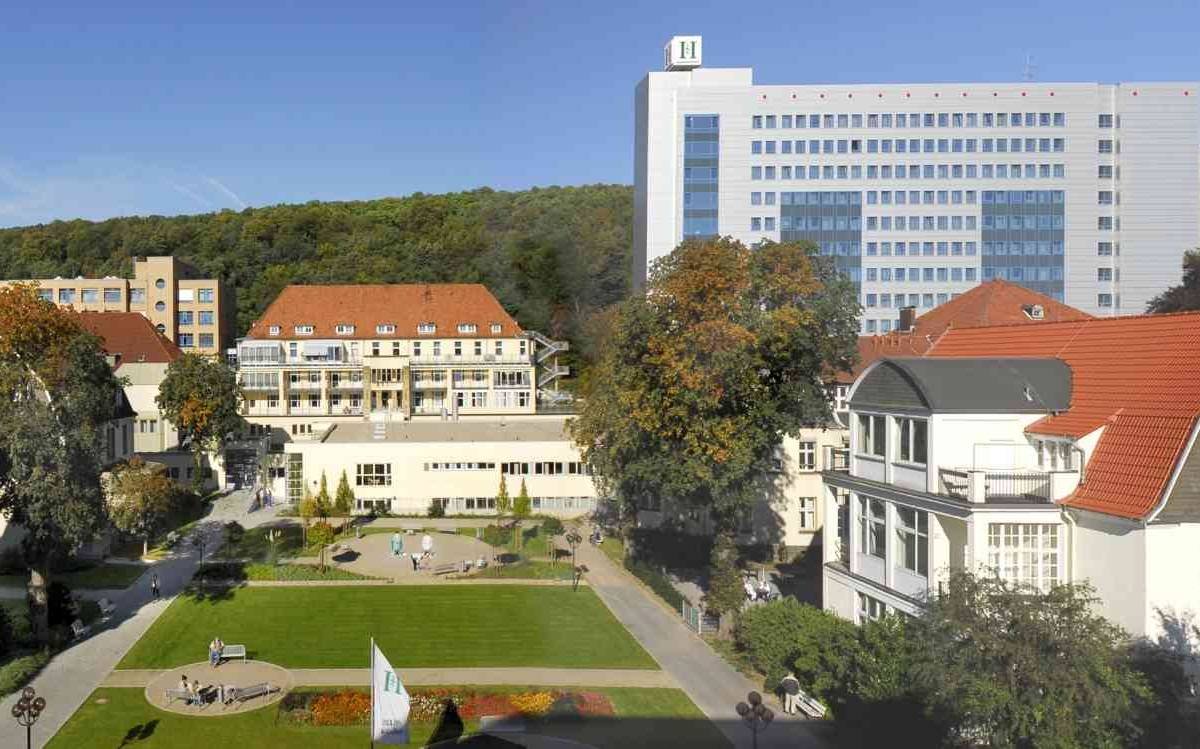

Descripción general de Extirpación de vejiga con reconstrucción en Alemania
- Resección transuretral de la vejiga - de $4,700Esta cirugía extirpa los tumores de la vejiga utilizando una herramienta especial a través de la uretra, lo que ayuda al tratamiento y diagnóstico del cáncer.
- Extirpación de la vejiga - de $22,000El procedimiento implica la extirpación quirúrgica de una vejiga enferma, generalmente debido al cáncer, lo que mejora la salud del paciente.
- Extirpación de vejiga con reconstrucción - de $30,000Esta cirugía implica sacar la vejiga y formar una nueva para restaurar la función urinaria.
Día 1: Llegada
- Regístrese en el hospital.
- Reúnase con su equipo quirúrgico.
Día 2: Preoperatorio
- Serás consultado por un urólogo.
- Un oncólogo podría verlo si es necesario.
- Se realizarán análisis de sangre y orina.
- Es posible que se requiera un ECG y una radiografía de tórax.
Día 3: Extirpación de la vejiga
- Se le administrará anestesia general.
- La cirugía puede durar de 4 a 6 horas.
- Se realizará la extracción y reconstrucción de la vejiga.
Día 4-7: Postoperatorio
- Permanecerá en la UCI para observación.
- Se proporcionará manejo del dolor.
- La fisioterapia comenzará a ayudar a la recuperación.
Semana 2-3: Rehabilitación
- Pasará a la habitación normal desde la UCI.
- Continuar con fisioterapia.
Semana 4-8: Recuperación en el hogar
- Siga una dieta balanceada y manténgase hidratado.
- Reanudar gradualmente las actividades normales.
- Continuar con la fisioterapia en casa.
Semana 8-12: Regreso a la vida normal
- Reanudar el trabajo según el consejo del médico.
- Reintroducir gradualmente los deportes y otras actividades.
- Espere ver el resultado final en la semana 12.
Tenga en cuenta que este cronograma es una guía general y su condición individual puede requerir ajustes.
- Depósito de Bookimed: 200 $ o 200 €.
- Depósito de la clínica: Pague un porcentaje fijo por adelantado.
Como plataforma líder mundial de turismo médico, tenemos una gran responsabilidad ante nuestros clientes, tanto pacientes como centros médicos. Toda la información proporcionada en Bookimed.com se basa en la investigación, la previsión y la experiencia y cumple con un alto interés relacionado con el producto y sigue:
Sistema inteligente de clasificación automática
Formamos nuestros listados de clínicas y médicos con estrictas regulaciones de nuestro sistema inteligente de clasificación automática. El sistema se basa en tarifas de pacientes reales de Bookimed para proporcionar la información más objetiva y transparente sobre las clínicas y los servicios médicos allí.
Nuestro experimentado científico de datos recopila datos a diario, supervisa y optimiza el sistema de clasificación mediante el aprendizaje automático y la inteligencia artificial para garantizar que el sistema de clasificación esté actualizado y proporcione resultados precisos.
Solo la experiencia de personas reales
Recopilamos las opiniones de los clientes de Bookimed solo después de obtener experiencia médica con la clínica, para que todos en la plataforma puedan confiar en el centro que elijan. Nos esforzamos por hacer que el contenido de nuestra plataforma sea lo más útil posible y garantizamos la libertad de expresar opiniones críticas. Así, publicamos críticas positivas y negativas, con el objetivo de ser una fuente para la toma de decisiones informadas para nuestros futuros clientes.
Temas con altos niveles de experiencia, autoridad y confiabilidad
En Bookimed.com, puede encontrar opciones y conveniencia para encontrar las mejores soluciones médicas de los principales proveedores de servicios médicos en Alemania en un solo lugar y, a menudo, a precios competitivos. Asegurándose de brindar la información más actualizada, los representantes de la clínica actualizan los CV de los médicos, las capacidades de las clínicas, las fotos de antes y después, los precios, los paquetes y las ofertas especiales en breve. Puede reunirse con el representante de la clínica y verificar la fecha del contenido actualizado en la página de cada clínica para asegurarse de su confiabilidad.
Nuestro blog y artículos de apoyo son creados por autores profesionales con al menos 3 años de experiencia en redacción médica y editados por especialistas médicos con experiencia clínica y de investigación relevante, todos reclutados cuidadosamente para el equipo. Nos esforzamos por mejorar el acceso de los pacientes a la información de salud, haciéndola experta pero fácil de entender. Todas las piezas siguen las Directrices Editoriales de Bookimed.
Valores reservados
Estamos hechos de personas y para personas, y ese es nuestro valor fundamental. Es por eso que todos los datos presentados en la plataforma son recopilados, editados, revisados y actualizados regularmente por nuestros pacientes, nuestras clínicas asociadas en Alemania y nuestro equipo, incluido el Consejo Asesor Médico de Bookimed, que consta de médicos de renombre mundial con valor. Experiencia de más de 20 años de práctica y una reputación positiva. Conozca más sobre nosotros y nuestra misión .
En caso de que encuentre algún error o tenga alguna pregunta sobre la información presentada en Bookimed.com con respecto a la extracción de vejiga con reconstrucción en Alemania, no dude en contactarnos en marketing@bookimed.com .
Obtenga una evaluación médica para Extirpación de vejiga con reconstrucción en Alemania: Elija su especialista entre los mejores en el campo
Ver todos los médicos
Viola Fox
Jefa de médicos en un centro oncológico certificado – La Dra. Viola Fox se especializa en tratamientos avanzados para el cáncer de vejiga, incluyendo la reconstrucción.
- _doctor_6587_años_ como hematóloga, oncóloga e inmunóloga
- Especializada en quimioterapia, inmunoterapia y terapias dirigidas
- Especialista cualificada en genética para planes de tratamiento personalizados
- Activa en la investigación de biología molecular para terapias oncológicas innovadoras
- Miembro de sociedades oncológicas alemanas y estadounidenses

Séverine Iborra
La Dra. Séverine Iborra dirige el Departamento de Ginecología y Obstetricia del Städtisches Klinikum Solingen, especializándose en procedimientos mínimamente invasivos.
- Certificada en oncología ginecológica y uroginecología
- Experta en cirugía reconstructiva pélvica
- Utiliza laparoscopia y el sistema robótico Da Vinci
- Miembro activo de las principales sociedades médicas alemanas
Historias en video de pacientes de Bookimed
Reseñas
Todas las reseñasCompartir contenido
 Olena Sikoza
Preguntas frecuentes sobre Extirpación de vejiga con reconstrucción en Alemania
¿Quién es un candidato ideal para una reconstrucción de neovejiga?
Un candidato ideal para la reconstrucción de neovejiga es un paciente que se somete a una cistectomía radical con una uretra libre de cáncer y una función renal fuerte. Los candidatos deben demostrar una alta motivación para gestionar un programa de vaciado rígido y tener la destreza manual necesaria para un posible autocateterismo para garantizar resultados exitosos a largo plazo.
- Estado oncológico: Requiere enfermedad localizada sin afectación tumoral en la uretra o el esfínter externo.
- Salud de los órganos: Es obligatoria una función renal suficiente para gestionar la reabsorción de desechos metabólicos del tejido intestinal.
- Integridad intestinal: Debe tener un intestino delgado sano y libre de afecciones inflamatorias como la enfermedad de Crohn.
- Preparación mental: El paciente debe cumplir con los horarios de vaciado programados, ya que las neovejigas carecen de señales naturales de plenitud.
Perspectiva de expertos de Bookimed: Los hospitales universitarios alemanes como Helios Wuppertal o la Clínica Nordwest priorizan la experiencia de alto volumen, lo cual es vital para esta reconstrucción compleja. Los datos muestran que las clínicas con certificaciones oncológicas especializadas a menudo realizan técnicas de preservación nerviosa con mayor frecuencia. Este enfoque mejora significativamente las posibilidades de lograr la conti
¿Quién es un candidato adecuado para una reconstrucción de neovejiga?
Los candidatos ideales para la reconstrucción de neovejiga son pacientes que requieren una cistectomía radical y mantienen una función renal y hepática robusta. Las personas adecuadas deben tener una uretra y un esfínter externo libres de cáncer para asegurar una conexión exitosa con la nueva bolsa interna creada a partir de tejido intestinal.
- Función orgánica: Unos riñones y un hígado sanos son vitales para procesar los desechos metabólicos reabsorbidos por la bolsa.
- Salud intestinal: Los pacientes deben estar libres de afecciones graves como la enfermedad de Crohn o resecciones intestinales extensas.
- Ubicación del cáncer: El tumor no puede afectar la uretra ni el músculo esfínter urinario externo.
- Capacidad mental: Los candidatos deben ser física y mentalmente capaces de realizar el autocateterismo si se produce retención.
Perspectiva del experto de Bookimed: Aunque las neovejigas ofrecen una mejor imagen corporal, clínicas alemanas como el Hospital Universitario Helios de Wuppertal y Nordwest enfatizan la formación postoperatoria especializada. Los datos muestran que del 10% al 15% de los pacientes pueden requerir autocateterismo periódico. El éxito depende en gran medida de elegir centros con altos volúmenes quirúrgicos y departamentos de uroginecología dedicados.
Consenso de los pacientes: Los pacientes a me
¿Por qué los pacientes internacionales eligen Alemania para la reconstrucción de vejiga?
Los pacientes internacionales eligen Alemania para la reconstrucción de vejiga debido a la precisión robótica de clase mundial y el dominio de las neovejigas ortotópicas. Los urólogos alemanes restauran frecuentemente la función urinaria creando nuevas vejigas a partir de tejido intestinal, evitando bolsas de estoma externas mientras mantienen altas tasas de éxito.
- Innovación quirúrgica: Los cirujanos utilizan el sistema Da Vinci para la extirpación de vejiga con preservación de nervios y una reconstrucción precisa.
- Experiencia certificada: Los centros certificados por la Sociedad Alemana del Cáncer (DKG) y la norma ISO garantizan revisiones rigurosas por parte de juntas multidisciplinarias de tumores.
- Precios regulados: Los costos del tratamiento siguen el sistema nacional DRG, evitando recargos ocultos para los visitantes internacionales.
- Programación eficiente: Las cirugías mayores electivas tienen un tiempo de espera promedio de 31 días con soporte logístico internacional dedicado.
Perspectiva del experto de Bookimed: Aunque muchos países ofrecen la extirpación de vejiga, Alemania destaca por centros de alto volumen como la Clínica Nordwest, que trata a 61,000 pacientes al año. Los datos muestran que estas instituciones integran cinco institutos de investigación directamente en la atención al paciente. Esta proximidad a la innovació
¿Cuáles son los principales tipos de reconstrucción de vejiga que se realizan en Alemania?
Alemania es líder en la reconstrucción de vejiga utilizando neovejigas ortotópicas, conductos ileales y reservorios cutáneos continentes como la bolsa de Mainz. Los cirujanos en centros oncológicos certificados utilizan con frecuencia sistemas robóticos da Vinci para la reconstrucción interna. Este enfoque minimiza el trauma y acelera la recuperación del paciente después de procedimientos de cistectomía radical.
- Neovejiga ortotópica: Crea un reservorio de intestino delgado conectado a la uretra para una micción natural.
- Conducto ileal: Dirige la orina a través de un segmento de intestino delgado hacia una bolsa de estoma externa.
- Bolsa de Mainz: Proporciona almacenamiento interno que se vacía mediante catéter, ideal cuando se extirpa la uretra.
- Ejecución robótica: Los hospitales universitarios alemanes priorizan la reconstrucción intracorpórea para reducir las complicaciones quirúrgicas postoperatorias.
Perspectiva del experto de Bookimed: Las clínicas alemanas como el Hospital Universitario Helios de Wuppertal ofrecen una rehabilitación hospitalaria estructurada conocida como Anschlussheilbehandlung. Los datos muestran que este programa obligatorio de varias semanas mejora significativamente la continencia a largo plazo. Los pacientes reciben entrenamiento profesional del suelo pélvico que a menudo no está disponible en otros centros m
¿Por qué los pacientes internacionales eligen Alemania para la extirpación y reconstrucción de la vejiga?
Los pacientes internacionales eligen Alemania para la extirpación y reconstrucción de la vejiga debido a la gran experiencia quirúrgica, tasas de éxito líderes a nivel mundial cercanas al 90% y ahorros significativos en costos. Centros líderes como el Hospital Universitario Helios de Wuppertal ofrecen neovejigas ortotópicas complejas, lo que permite a los pacientes mantener una función urinaria natural sin bolsas externas.
- Maestría quirúrgica: Los cirujanos realizan reconstrucciones complejas de neovejiga utilizando el propio tejido intestinal del paciente.
- Centros de alto volumen: Las clínicas especializadas atienden a más de 61,000 pacientes al año, lo que garantiza una profunda experiencia procedimental en todos los equipos.
- Acreditación especializada: Instalaciones como la Clínica Nordwest cuentan con certificaciones de la Sociedad Alemana del Cáncer para una atención rigurosa.
- Transparencia financiera: Los costos del procedimiento oscilan entre $30,000 y $50,000, significativamente por debajo de los promedios de EE. UU.
Opinión experta de Bookimed: Si bien las clínicas alemanas ahorran a los pacientes alrededor del _price_percent_discount_% en comparación con los costos de EE. UU., el verdadero valor reside en los comités de tumores centralizados. Las grandes redes como Asklepios involucran a oncólogos y radió
¿Cómo es el proceso de recuperación tras una reconstrucción de neovejiga en Alemania?
La recuperación requiere de 8 a 12 semanas para volver a la vida diaria, y el entrenamiento completo de la vejiga puede tomar hasta 1 año. Este proceso integra la cirugía clínica con un programa de rehabilitación especializado de 3 semanas (Anschlussheilbehandlung) en centros urológicos alemanes acreditados por la Sociedad Alemana del Cáncer.
- Estancia hospitalaria: La mayoría de los pacientes pasan de 5 a 14 días en un hospital alemán especializado.
- Drenajes médicos: Los cirujanos retiran los stents ureterales y los drenajes abdominales antes de que el paciente sea dado de alta.
- Duración del catéter: Los pacientes mantienen el catéter urinario principal durante aproximadamente 3 semanas durante la cicatrización inicial.
- Entrenamiento pélvico: Los ejercicios intensivos en clínicas de rehabilitación urológica son esenciales para recuperar el control urinario diurno.
- Horario de micción: Debe orinar según un horario cada 2 horas utilizando la presión de los músculos abdominales.
Perspectiva del experto de Bookimed: Aunque la cirugía básica es estándar, Alemania destaca porque 82 clínicas especializadas, como la Clínica Nordwest, integran servicios sociales para organizar la rehabilitación médica inmediata. Esta fase específica, que se lleva a cabo en regiones como Bad Wildungen, es la razón por la que los pacientes
¿Cómo se orina con una neovejiga recién reconstruida?
Orinar con una neovejiga requiere usar los músculos abdominales para empujar mientras se relaja intencionalmente el suelo pélvico. Dado que el tejido intestinal carece de nervios de contracción naturales, los pacientes deben sentarse completamente, inclinarse hacia adelante y seguir un horario estricto para asegurar un vaciado completo y evitar el estiramiento excesivo del tejido.
- Técnica básica: Siéntese completamente hacia atrás en el inodoro y relájese con respiraciones profundas y con la boca abierta.
- Presión abdominal: Empuje suavemente usando los músculos abdominales para imitar el movimiento de una evacuación intestinal.
- Doble vaciado: Levántese brevemente después de orinar, luego siéntese e inclínese hacia adelante para terminar.
- Horario: Vacíe la bolsa cada 2-3 horas inicialmente para entrenar el nuevo tejido.
Perspectiva del experto de Bookimed: Los centros alemanes como el Hospital Universitario Helios de Wuppertal gestionan más de 150.000 pacientes al año, enfatizando el manejo especializado del moco. Dado que las neovejigas producen moco intestinal que puede bloquear el flujo, una alta hidratación es más que un consejo de salud: es una necesidad mecánica para mantener el paso uretral despejado.
Consenso de los pacientes: Muchos pacientes encuentran el vaciado temprano incómodo debido al goteo lento y
¿Cuáles son los riesgos principales asociados con la extirpación y reconstrucción de la vejiga?
Los riesgos principales incluyen disfunción intestinal (íleo), fugas urinarias en los nuevos puntos de conexión e infecciones que pueden derivar en sepsis. Las complicaciones a largo plazo a menudo implican deficiencia de vitamina B12, desequilibrios metabólicos y posible tensión renal debido a patrones de drenaje alterados. La supervisión quirúrgica experta en centros alemanes ayuda a mitigar estos desafíos quirúrgicos.
- Disfunción intestinal: El tejido intestinal reutilizado a menudo causa íleo temporal o cambios digestivos crónicos.
- Incontinencia urinaria: Las fugas nocturnas son comunes, ya que las neovejigas carecen de señales naturales del esfínter controladas por los nervios.
- Acidosis metabólica: Las vejigas reconstruidas pueden reabsorber desechos de la orina, alterando los niveles químicos de la sangre.
- Estenosis ureteral: El tejido cicatricial puede bloquear los conductos de los riñones, lo que podría requerir dilatación correctiva.
Perspectiva de expertos de Bookimed: Aunque muchos pacientes prefieren una neovejiga por su aspecto natural, los datos urológicos alemanes sugieren que los conductos ileales a menudo ofrecen una estabilidad a largo plazo más predecible. Los centros de alto volumen como el Hospital Universitario Helios de Wuppertal gestionan más de 150.000 pacientes al año, lo que reduce significativamente el riesgo
¿Qué hospitales en Alemania tienen las calificaciones más altas en neurocirugía?
Alemania alberga algunos de los departamentos de neurocirugía más prestigiosos del mundo, liderados por la Charité – Universitätsmedizin Berlin y el Hospital Universitario de Heidelberg. Estos centros destacan en el tratamiento de tumores cerebrales complejos y enfermedades cerebrovasculares. Para maximizar la eficacia de sus procedimientos, utilizan tecnologías de vanguardia como la resonancia magnética intraoperatoria y la neuronavegación asistida por computadora.
- Charité Berlín: Realiza más de 5000 cirugías al año. La clínica está dirigida por el reconocido neurocirujano Dr. Peter Vaikoczy.
- Centro Médico Solingen: El Dr. Ralf Buhl ha realizado más de 4.000 cirugías, incluidas cirugías de columna mínimamente invasivas.
- Clínica Asklepios Nord: equipada con el único sistema de resonancia magnética intraoperatoria bilateral de Alemania para garantizar precisión quirúrgica en tiempo real durante la extirpación del tumor.
- Clínica Nordwest: reconocida por la revista Newsweek como un hospital líder por su innovación en tecnología de ultrasonido 3D.
Opinión experta de Bookimed: Los datos muestran que elegir centros con un alto volumen quirúrgico suele llevar a recomendaciones de tratamiento más conservadoras. En el Centro Médico Solingen, que atiende a más de 60.000 pacientes al año, los cirujanos suelen sugerir fisioterapia en lugar de cirugía
¿Cuáles son las tasas de éxito de los procedimientos neuroquirúrgicos complejos en Alemania?
En Alemania, los procedimientos neuroquirúrgicos de alta complejidad demuestran una seguridad excepcional. Las tasas de éxito en las fusiones espinales alcanzan el 99 %. La tasa de supervivencia en las resecciones de tumores cerebrales primarios es del 97 %. La independencia funcional es alta. Más del 82 % de los pacientes reciben el alta inmediatamente después del tratamiento. Los centros alemanes priorizan la preservación de la función neurológica mediante técnicas modernas de mapeo.
- Resección de tumores: los cirujanos logran una resección tumoral completa en el 87,2% de los casos de metástasis cerebrales.
- Éxito en el tratamiento de enfermedades vasculares: los hospitales alemanes informan de una tasa de supervivencia del 98,7% para aneurismas no rotos.
- Mejora del estado neurológico: casi el 43% de los pacientes experimentan una mejora de los parámetros funcionales después de resecciones complejas.
- Seguridad de las intervenciones quirúrgicas: En grandes centros quirúrgicos, las tasas de supervivencia de los pacientes después de la cirugía de columna son del 98-99%.
Opinión experta de Bookimed: Cirujanos experimentados como el Dr. Uwe Köhler, de la Clínica Asklepios Altona, realizan más de 2000 cirugías al año. Los datos muestran que estos especialistas mantienen tasas de éxito de hasta el 90 %, incluso en los tumores cerebrales más comp