Quimioterapia para el cáncer de ovario en Alemania — obtén 3 clínicas con costos


Revisado médicamente por
Fahad Mawlood
¿Cuál es el precio de Quimioterapia para el cáncer de ovario en Alemania? Descubra ahora
Beneficios clave
¿Por qué elegir Alemania para la quimioterapia del cáncer de ovario?
- Clínicas acreditadas: Alemania alberga hospitales certificados por KTQ y centros reconocidos por la Sociedad Alemana del Cáncer. Esto asegura que los pacientes reciban atención que cumple con altos estándares.
- Últimas tecnologías: Tratamientos como HIPEC (Quimioterapia Intraperitoneal Hipertermia) y dispositivos como el sistema PIPAC (Quimioterapia Aerosol Intraperitoneal Presurizada) se utilizan para mejorar los resultados del tratamiento.
- Altas tasas de éxito: La efectividad de la quimioterapia puede alcanzar hasta un 70% en el cáncer de ovario en etapas tempranas. Esto conduce a mejoras significativas en la supervivencia libre de progresión.
- Cirujanos expertos: Oncólogos líderes, certificados por la Sociedad Europea de Oncología Médica (ESMO), han manejado más de 500 casos de cáncer de ovario. Su amplia experiencia y pericia están bien documentadas.
Acceda a soluciones avanzadas de quimioterapia para el cáncer de ovario en clínicas de confianza .
Sus beneficios y garantías con Bookimed
Precios directos
Bookimed no añade cargos adicionales a los precios de Quimioterapia para el cáncer de ovario. Las tarifas proceden de las listas de precios oficiales de las clínicas. Pagará directamente en la clínica por su Quimioterapia para el cáncer de ovario a su llegada al país.
Sólo clínicas y médicos verificados
Bookimed está comprometido con su seguridad. Solo trabajamos con las clínicas que mantienen altos estándares internacionales en Quimioterapia para el cáncer de ovario y tienen las licencias necesarias para atender a pacientes internacionales en todo el mundo.
Asistencia 24/7 gratuita
Bookimed ofrece asistencia experta gratuita. Un coordinador médico personal le apoya antes, durante y después del tratamiento, resolviendo cualquier problema. Nunca estará solo en su viaje médico de Quimioterapia para el cáncer de ovario.

Su coordinador médico personal de Bookimed
- Le apoya en cada etapa
- Ayuda a elegir la clínica y el médico adecuados
- Asegura un acceso rápido y conveniente a la información
Descubra las mejores clínicas de Quimioterapia para el cáncer de ovario en Alemania: 6 opciones verificadas y Precios






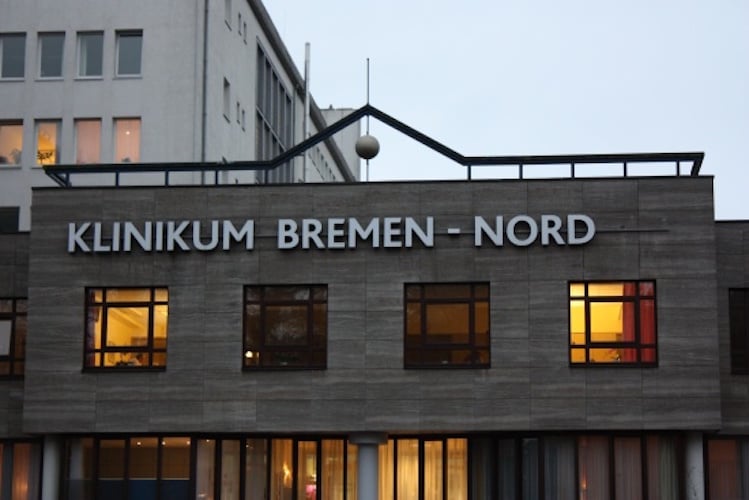
Bremen-Nord Clinic


Descripción general de Quimioterapia para el cáncer de ovario en Alemania
- Quimioterapia - de $2,000Esta terapia trata el cáncer mediante el uso de medicamentos para destruir las células cancerosas y prevenir su crecimiento.
- Quimioterapia intraperitoneal hipertérmica (HIPEC) - de $40,000La operación calienta los medicamentos de quimioterapia y los aplica directamente dentro del abdomen para eliminar las células cancerosas ocultas.
- Quimioterapia intraarterial - de $9,500Esta terapia administra medicamentos para combatir el cáncer directamente en el tumor, lo que mejora la eficacia del tratamiento y reduce los efectos secundarios.
- Quimioterapia para el cáncer de hígado - de $3,000Esta terapia ataca y mata las células cancerosas en el hígado, usando medicamentos administrados por vía oral o inyectados.
- Quimioembolización del hígado - de $5,200Esta terapia combina medicamentos anticancerígenos y el bloqueo del suministro de sangre para reducir los tumores hepáticos de forma rápida y eficaz.
- Quimioterapia para el cáncer de laringe - de $3,500Esta terapia ayuda a eliminar las células cancerosas de laringe usando medicamentos potentes, lo que podría preservar la función de la voz.
- Quimioterapia para el cáncer de pulmón. - de $3,800Esta terapia utiliza medicamentos para matar las células de cáncer de pulmón, a menudo administrados mediante inyección o comprimidos orales, lo que mejora las tasas de supervivencia.
- Quimioterapia para el cáncer de próstata. - de $1,900Esta terapia utiliza medicamentos para eliminar las células cancerosas de la próstata, administrados a través de venas o pastillas, lo que mejora las tasas de supervivencia.
Día 1: Llegada
- Llegada a la clínica y check-in.
- Reúnase con su oncólogo para una consulta.
- Sométete a análisis de sangre para comprobar tu estado de salud general.
Día 2: Preoperatorio
- Reunirse con un médico especialista para la consulta preoperatoria.
- Hazte un electrocardiograma para evaluar la función cardíaca.
- Sométase a pruebas adicionales si su especialista lo sugiere.
Día 3: Quimioterapia
- Llegue a la sala de quimioterapia por la mañana.
- Recibir quimioterapia intravenosa, que suele durar de 3 a 6 horas.
- Experimente una sedación leve, pero no anestesia general.
Día 4: Postoperatorio
- Permanecer en observación en la clínica durante 24 horas.
- Continúe recibiendo atención de apoyo para controlar los efectos secundarios.
- Ser dado de alta si su condición es estable.
Semana 1-4: Rehabilitación
- Descanse en casa, evitando actividades extenuantes.
- Comience ejercicios suaves bajo supervisión después de la semana 2.
- Regreso al trabajo y actividades normales después de la semana 4.
Tenga en cuenta que esta es una guía general y las experiencias individuales pueden variar. Siga siempre los consejos de su médico.
- Depósito de Bookimed: 200 $ o 200 €.
- Depósito de la clínica: Pague un porcentaje fijo por adelantado.
Como plataforma líder mundial de turismo médico, tenemos una gran responsabilidad ante nuestros clientes, tanto pacientes como centros médicos. Toda la información proporcionada en Bookimed.com se basa en la investigación, la previsión y la experiencia y cumple con un alto interés relacionado con el producto y sigue:
Sistema inteligente de clasificación automática
Formamos nuestros listados de clínicas y médicos con estrictas regulaciones de nuestro sistema inteligente de clasificación automática. El sistema se basa en las tasas de pacientes reales de Bookimed para proporcionar la información más objetiva y transparente sobre clínicas y servicios médicos de quimioterapia para el cáncer de ovario en Alemania.
Nuestro experimentado científico de datos recopila datos a diario, supervisa y optimiza el sistema de clasificación mediante el aprendizaje automático y la inteligencia artificial para garantizar que el sistema de clasificación esté actualizado y proporcione resultados precisos.
Solo la experiencia de personas reales
Recopilamos las opiniones de los clientes de Bookimed solo después de obtener experiencia médica con la clínica, para que todos en la plataforma puedan confiar en el centro que eligen para la quimioterapia para el cáncer de ovario en Alemania. Nos esforzamos por hacer que el contenido de nuestra plataforma sea lo más útil posible y garantizamos la libertad de expresar opiniones críticas. Así, publicamos críticas positivas y negativas, con el objetivo de ser una fuente para la toma de decisiones informadas para nuestros futuros clientes.
Temas con altos niveles de experiencia, autoridad y confiabilidad
En Bookimed.com, puede encontrar opciones y conveniencia para encontrar las mejores soluciones médicas de los mejores proveedores de servicios médicos para quimioterapia para el cáncer de ovario en Alemania en un solo lugar y, a menudo, a precios competitivos. Asegurándose de brindar la información más actualizada, los representantes de la clínica actualizan los CV de los médicos, las capacidades de las clínicas, las fotos de antes y después, los precios, los paquetes y las ofertas especiales en breve. Puede reunirse con el representante de la clínica y verificar la fecha del contenido actualizado en la página de cada clínica para asegurarse de su confiabilidad.
Nuestro blog y artículos de apoyo son creados por autores profesionales con al menos 3 años de experiencia en redacción médica y editados por especialistas médicos con experiencia clínica y de investigación relevante, todos reclutados cuidadosamente para el equipo. Nos esforzamos por mejorar el acceso de los pacientes a la información de salud, haciéndola experta pero fácil de entender. Todas las piezas siguen las Directrices Editoriales de Bookimed.
Valores reservados
Estamos hechos de personas y para personas, y ese es nuestro valor fundamental. Es por eso que todos los datos presentados en la plataforma son recopilados, editados, revisados y actualizados regularmente por nuestros pacientes, nuestras clínicas asociadas y nuestro equipo, incluido el Consejo Asesor Médico de Bookimed, que consta de médicos de renombre mundial con experiencia valiosa sobre 20 años de práctica y una reputación positiva. Conozca más sobre nosotros y nuestra misión .
En caso de que encuentre algún error o tenga alguna pregunta sobre la información presentada en Bookimed.com, no dude en contactarnos en marketing@bookimed.com .
Obtenga una evaluación médica para Quimioterapia para el cáncer de ovario en Alemania: Elija su especialista entre los mejores en el campo
Ver todos los médicos
Viola Fox
La Dra. Viola Fox dirige un centro oncológico interdisciplinario certificado, especializado en tratamientos avanzados para el cáncer de ovario.
- Experta en quimioterapia, inmunoterapia y terapias dirigidas
- Activa en la investigación de biología molecular para tratamientos contra el cáncer
- Jefa de medicina en la clínica de hematología y oncología de BKZ Solingen
- Miembro de sociedades de investigación del cáncer alemanas y estadounidenses

Séverine Iborra
La Dra. Séverine Iborra dirige el Departamento de Ginecología y Obstetricia del Städtisches Klinikum Solingen, especializándose en oncología ginecológica.
- Certificada en oncología ginecológica con amplia formación en diagnóstico de cáncer
- Experta en procedimientos mínimamente invasivos, incluida la cirugía asistida por robot
- Miembro activo de las principales sociedades ginecológicas alemanas
- Investigadora publicada con presentaciones en conferencias importantes
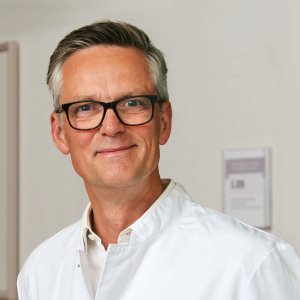
Wolfgang Schröder
Historias en video de pacientes de Bookimed
Reseñas
Todas las reseñasCompartir contenido
 Olena Sikoza
Preguntas frecuentes sobre Quimioterapia para el cáncer de ovario en Alemania
¿Cuáles son las características principales del tratamiento de quimioterapia para el cáncer de ovario en Alemania?
La quimioterapia para el cáncer de ovario en Alemania se basa en protocolos basados en evidencia dentro de Centros de Cáncer Ginecológico certificados. Los especialistas priorizan combinaciones basadas en platino como carboplatino y paclitaxel. El tratamiento a menudo incluye métodos de administración innovadores como HIPEC o PIPAC y una rápida integración de terapias de mantenimiento dirigidas para una atención de alta calidad.
- Certificación especializada: La Sociedad Alemana del Cáncer (DKG) acredita centros multidisciplinarios para oncología compleja.
- Administración avanzada: Las clínicas utilizan quimioterapia intraperitoneal hipertérmica (HIPEC) para tratar metástasis abdominales.
- Diagnóstico de precisión: El diagnóstico molecular guía el uso de inhibidores de PARP dirigidos e inmunoterapia.
- Supervisión experta: Los casos son revisados por juntas interdisciplinarias de tumores para planes de tratamiento personalizados.
Perspectiva del experto de Bookimed: Los centros oncológicos alemanes como el Centro Médico de Solingen y la Clínica Nordwest a menudo funcionan como hospitales universitarios. Este estatus otorga a los pacientes un acceso más temprano a terapias farmacológicas experimentales que las clínicas regionales más pequeñas. Si elige un centro académico, se beneficia de médicos como la Dra. Viola Fox, que realizan activament
¿Qué medicamentos y vías de administración se utilizan en la quimioterapia estándar para el cáncer de ovario?
La quimioterapia estándar para el cáncer de ovario en Alemania utiliza una combinación de agentes basados en platino como el carboplatino y taxanos como el paclitaxel. La administración es principalmente intravenosa a través de un puerto torácico, aunque los casos avanzados pueden implicar administración intraperitoneal o lavado abdominal hipertérmico durante la cirugía.
- Régimen farmacológico principal: El carboplatino combinado con paclitaxel es el estándar de oro en la terapia de primera línea.
- Agentes alternativos: Se puede utilizar cisplatino o docetaxel dependiendo de la tolerancia del paciente.
- Vías de administración: La infusión intravenosa es el estándar, con opciones intraperitoneales para casos de estadio 3.
- Ciclos de tratamiento: Los regímenes suelen implicar de 3 a 6 ciclos cada 3 a 4 semanas.
Perspectiva de expertos de Bookimed: Los centros oncológicos alemanes, como el Centro Médico de Solingen, enfatizan la certificación interdisciplinaria. Aunque el costo de la quimioterapia estándar comienza en $2,000, las clínicas de primer nivel a menudo integran diagnósticos moleculares. Esto ayuda a especialistas como la Dra. Viola Fox a determinar si el tumor requiere esquemas avanzados de paclitaxel con dosis densas.
Consenso de los pacientes: Los pacientes destacan la transición a la atención a
¿Es necesaria la colocación de un puerto antes de comenzar el tratamiento?
La colocación de un puerto no es estrictamente obligatoria para la quimioterapia del cáncer de ovario en Alemania, pero se recomienda encarecidamente para tratamientos intensivos. Aunque las vías intravenosas periféricas estándar son posibles, los cirujanos en centros como el Medical Center de Solingen a menudo sugieren puertos para prevenir daños en las venas causados por medicamentos vesicantes cáusticos.
- Seguridad del tratamiento: Los puertos previenen quemaduras químicas y daños tisulares causados por fugas de medicamentos de quimioterapia.
- Comodidad en la infusión: Reduce la necesidad de pinchazos repetidos y dolorosos durante regímenes de múltiples ciclos.
- Flexibilidad en el estilo de vida: Una vez cicatrizados, los puertos implantados permiten ducharse y nadar entre sesiones de tratamiento.
- Cronograma clínico: La colocación suele ocurrir entre 2 y 14 días antes de la primera infusión de quimioterapia.
Perspectiva de expertos de Bookimed: Clínicas alemanas como la Nordwest Clinic destacan los puertos de doble propósito que permiten inyecciones de contraste a alta presión durante las tomografías computarizadas. Este enfoque integrado es una gran ganancia en eficiencia, ya que elimina la necesidad de iniciar vías intravenosas separadas durante las imágenes de seguimiento, lo cual es crítico para rastrear la progresión del cáncer de
¿En qué se diferencia el plan de tratamiento para el cáncer de ovario en etapa temprana frente al avanzado?
Los planes de tratamiento para el cáncer de ovario en etapa temprana se centran en la curación quirúrgica, a menudo requiriendo de 3 a 6 ciclos de quimioterapia después de la cirugía si existen características de alto riesgo. Los casos avanzados requieren una cirugía de citorreducción agresiva y al menos 6 ciclos de quimioterapia, que frecuentemente incluyen terapia neoadyuvante y medicamentos de mantenimiento dirigidos para controlar la propagación sistémica.
- Objetivo quirúrgico: Las etapas tempranas se centran en la estadificación, mientras que los casos avanzados requieren una citorreducción/reducción tumoral agresiva.
- Momento de la quimioterapia: La enfermedad temprana utiliza quimioterapia adyuvante postoperatoria; los casos avanzados pueden comenzar con terapia neoadyuvante.
- Duración de los ciclos: El tratamiento varía de 3 a 6 ciclos para las etapas tempranas a un mínimo de 6 para las avanzadas.
- Terapia de mantenimiento: Las pacientes en etapa avanzada reciben habitualmente inhibidores de PARP o bevacizumab para prolongar los períodos de remisión.
Perspectiva del experto de Bookimed: Las clínicas alemanas como el Medical Center en Solingen y la Clínica Nordwest utilizan juntas de tumores multidisciplinarias para personalizar el momento de la quimioterapia. Los datos muestran que las clínicas con más de 60,000 pacientes anuales a
¿Cuáles son los efectos secundarios más comunes y cómo se gestionan?
La quimioterapia para el cáncer de ovario en Alemania causa comúnmente fatiga, náuseas, cambios en el apetito, neuropatía y supresión del recuento sanguíneo. Los centros oncológicos alemanes gestionan esto utilizando protocolos antieméticos avanzados, ajustes de dosis específicos e inyecciones de factores de crecimiento para prevenir infecciones. Las clínicas de alto nivel también brindan cuidados paliativos especializados para abordar los síntomas emocionales y físicos desde el principio.
- Gestión de náuseas: Los especialistas alemanes recetan antieméticos modernos antes de las infusiones para prevenir los síntomas antes de que comiencen.
- Monitoreo de neuropatía: Los médicos en centros como Solingen monitorean el hormigueo tempranamente para implementar las reducciones de dosis necesarias.
- Control de la fatiga: Los equipos gestionan el cansancio persistente mediante controles de anemia, descanso programado y actividad física ligera.
- Riesgo de infección: Las pruebas de laboratorio frecuentes y las inyecciones de factores de crecimiento ayudan a estabilizar el recuento sanguíneo durante los ciclos de tratamiento.
Perspectiva del experto de Bookimed: Las clínicas alemanas como el Medical Center en Solingen y la Nordwest Clinic a menudo utilizan equipos interdisciplinarios donde los oncólogos trabajan directamente con especialistas en cuida
¿Qué es la quimioterapia intraperitoneal hipertérmica (HIPEC) y está ampliamente disponible?
La quimioterapia intraperitoneal hipertérmica (HIPEC) es un tratamiento localizado que administra medicamentos anticancerígenos calentados directamente en la cavidad abdominal después de que los cirujanos extirpan los tumores visibles. No está ampliamente disponible porque requiere equipos especializados, infraestructura de cuidados intensivos y cirujanos oncólogos capacitados en técnicas citorreductoras avanzadas.
- Mecanismo de tratamiento: La quimioterapia calentada que circula durante 60-120 minutos mata las células cancerosas microscópicas después de la cirugía.
- Administración dirigida: Las altas concentraciones de fármacos permanecen en el abdomen, lo que reduce las toxicidades sistémicas como la caída del cabello.
- Requisitos de acceso: La disponibilidad se limita a centros oncológicos certificados con programas dedicados a neoplasias peritoneales.
- Selección de pacientes: Los candidatos elegibles suelen tener cáncer limitado al peritoneo sin propagación a órganos distantes.
Perspectiva del experto de Bookimed: Alemania ofrece una ventaja única para quienes buscan HIPEC, ya que centros especializados como el Complejo Clínico de Renania del Norte-Westfalia se centran específicamente en las neoplasias peritoneales. Mientras que los hospitales comunitarios carecen de la infraestructura, estos grandes complejos alemanes gestionan más de
¿Cuánto dura un ciclo completo de quimioterapia?
Un ciclo completo de quimioterapia para el cáncer de ovario suele durar de 3 a 6 meses, estructurado en 4 a 8 ciclos de tratamiento. La mayoría de los pacientes siguen un ciclo de 3 semanas, recibiendo infusiones de medicamentos el día 1, seguidas de 20 días de descanso para permitir la recuperación de las células sanas.
- Número estándar de ciclos: La mayoría de los planes de tratamiento consisten en 6 ciclos que suman aproximadamente 18 semanas de terapia.
- Duración de la sesión de infusión: La administración activa de medicamentos por vía intravenosa suele durar unas pocas horas por día de tratamiento programado.
- Recuperación en casa: Los pacientes pasan la mayor parte del ciclo de 21 días recuperándose fuera del entorno hospitalario.
- Posibles extensiones del tratamiento: La terapia de mantenimiento o la enfermedad persistente pueden extender los plazos de tratamiento más allá de los 6 meses iniciales.
Perspectiva de expertos de Bookimed: Los centros oncológicos alemanes, como el Centro Médico de Solingen, enfatizan ciclos estrictos de 3 semanas para maximizar la respuesta tumoral. Los datos de más de 320 solicitudes de pacientes en Alemania muestran que los centros que se centran en el diagnóstico molecular a menudo ajustan estos plazos. Esto garantiza que medicamentos como las vacunas dirigidas en la Clínica Nordwest estén perfectamen
¿Qué hospitales en Alemania tienen las calificaciones más altas en neurocirugía?
Alemania alberga algunos de los departamentos de neurocirugía más prestigiosos del mundo, liderados por la Charité – Universitätsmedizin Berlin y el Hospital Universitario de Heidelberg. Estos centros destacan en el tratamiento de tumores cerebrales complejos y enfermedades cerebrovasculares. Para maximizar la eficacia de sus procedimientos, utilizan tecnologías de vanguardia como la resonancia magnética intraoperatoria y la neuronavegación asistida por computadora.
- Charité Berlín: Realiza más de 5000 cirugías al año. La clínica está dirigida por el reconocido neurocirujano Dr. Peter Vaikoczy.
- Centro Médico Solingen: El Dr. Ralf Buhl ha realizado más de 4.000 cirugías, incluidas cirugías de columna mínimamente invasivas.
- Clínica Asklepios Nord: equipada con el único sistema de resonancia magnética intraoperatoria bilateral de Alemania para garantizar precisión quirúrgica en tiempo real durante la extirpación del tumor.
- Clínica Nordwest: reconocida por la revista Newsweek como un hospital líder por su innovación en tecnología de ultrasonido 3D.
Opinión experta de Bookimed: Los datos muestran que elegir centros con un alto volumen quirúrgico suele llevar a recomendaciones de tratamiento más conservadoras. En el Centro Médico Solingen, que atiende a más de 60.000 pacientes al año, los cirujanos suelen sugerir fisioterapia en lugar de cirugía
¿Cuáles son las tasas de éxito de los procedimientos neuroquirúrgicos complejos en Alemania?
En Alemania, los procedimientos neuroquirúrgicos de alta complejidad demuestran una seguridad excepcional. Las tasas de éxito en las fusiones espinales alcanzan el 99 %. La tasa de supervivencia en las resecciones de tumores cerebrales primarios es del 97 %. La independencia funcional es alta. Más del 82 % de los pacientes reciben el alta inmediatamente después del tratamiento. Los centros alemanes priorizan la preservación de la función neurológica mediante técnicas modernas de mapeo.
- Resección de tumores: los cirujanos logran una resección tumoral completa en el 87,2% de los casos de metástasis cerebrales.
- Éxito en el tratamiento de enfermedades vasculares: los hospitales alemanes informan de una tasa de supervivencia del 98,7% para aneurismas no rotos.
- Mejora del estado neurológico: casi el 43% de los pacientes experimentan una mejora de los parámetros funcionales después de resecciones complejas.
- Seguridad de las intervenciones quirúrgicas: En grandes centros quirúrgicos, las tasas de supervivencia de los pacientes después de la cirugía de columna son del 98-99%.
Opinión experta de Bookimed: Cirujanos experimentados como el Dr. Uwe Köhler, de la Clínica Asklepios Altona, realizan más de 2000 cirugías al año. Los datos muestran que estos especialistas mantienen tasas de éxito de hasta el 90 %, incluso en los tumores cerebrales más comp
¿Qué tecnologías avanzadas suelen estar disponibles en las clínicas neuroquirúrgicas alemanas?
Las clínicas neuroquirúrgicas alemanas incorporan regularmente instrumentos digitales de alta precisión y visualización en tiempo real a la práctica quirúrgica. Entre las tecnologías clave se encuentra la neuronavegación computarizada para cirugías de cerebro y médula espinal. Instituciones como la Clínica Asklepios Nord utilizan la resonancia magnética intraoperatoria para verificar la extirpación de tumores en tiempo real. Estos sistemas proporcionan a los cirujanos navegación GPS 3D.
- Neuronavegación: proporciona visualización 3D y seguimiento de instrumentos en tiempo real para lograr precisión quirúrgica hasta el nivel submilimétrico.
- Imágenes intraoperatorias: sistemas como iMRI y O-arm CT permiten la confirmación inmediata de una resección exitosa.
- Neuromonitorización: Monitorea las funciones motoras y sensoriales durante la cirugía para proteger el sistema nervioso.
- Diagnóstico de fluorescencia: se utiliza el colorante 5-ALA para resaltar los bordes del tumor para una eliminación más completa.
- Asistencia robótica: Sistemas como el Da Vinci mejoran la precisión en procedimientos complejos y mínimamente invasivos.
Opinión experta de Bookimed: Grandes centros como la Charité – Universitätsmedizin de Berlín realizan más de 4000 procedimientos neuroquirúrgicos al año, lo que crea un entorno rico en datos para p