Electrodisecación de lesiones benignas en Alemania: clínica verificada y sus precios


Revisado médicamente por
Fahad Mawlood
¿Cuál es el precio de Electrodisecación de lesiones benignas en Alemania? Descubra ahora
El costo de la electrodisección de lesiones benignas en Alemania suele oscilar entre $150 y $450. Los precios pueden variar según la cantidad y el tamaño de las lesiones, la ubicación de la clínica y la experiencia del dermatólogo. UU.
Las clínicas alemanas suelen incluir en el precio total la consulta inicial, la anestesia local, el procedimiento de electrodisección y los cuidados posteriores estándar. En EE. UU., el precio indicado a menudo cubre solo el procedimiento, con cargos adicionales por la consulta, la anestesia y las visitas de seguimiento. Siempre confirmar qué está incluido con la clínica elegida.
| Alemania | España | Turquía | |
|---|---|---|---|
| Electrodisecación de lesiones benignas | ≈ $150 | ≈ $180 | de $1,500 |
Sus beneficios y garantías con Bookimed
Precios directos
Bookimed no añade cargos adicionales a los precios de Electrodisecación de lesiones benignas. Las tarifas proceden de las listas de precios oficiales de las clínicas. Pagará directamente en la clínica por su Electrodisecación de lesiones benignas a su llegada al país.
Sólo clínicas y médicos verificados
Bookimed está comprometido con su seguridad. Solo trabajamos con las clínicas que mantienen altos estándares internacionales en Electrodisecación de lesiones benignas y tienen las licencias necesarias para atender a pacientes internacionales en todo el mundo.
Asistencia 24/7 gratuita
Bookimed ofrece asistencia experta gratuita. Un coordinador médico personal le apoya antes, durante y después del tratamiento, resolviendo cualquier problema. Nunca estará solo en su viaje médico de Electrodisecación de lesiones benignas.

Su coordinador médico personal de Bookimed
- Le apoya en cada etapa
- Ayuda a elegir la clínica y el médico adecuados
- Asegura un acceso rápido y conveniente a la información
Descubra las mejores clínicas de Electrodisecación de lesiones benignas en Alemania: 1 opciones verificadas y Precios

Descripción general de Electrodisecación de lesiones benignas en Alemania
- Depósito de Bookimed: 200 $ o 200 €.
- Depósito de la clínica: Pague un porcentaje fijo por adelantado.
Obtenga una evaluación médica para Electrodisecación de lesiones benignas en Alemania: Elija su especialista entre los mejores en el campo
Ver todos los médicos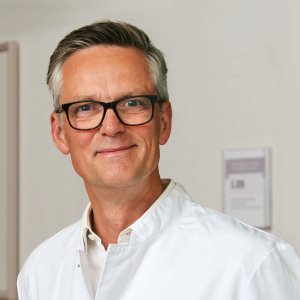
Wolfgang Schröder
Historias en video de pacientes de Bookimed
Compartir contenido
 Olena Sikoza
Preguntas frecuentes sobre Electrodisecación de lesiones benignas en Alemania
¿Qué es la electrodesecación de lesiones benignas?
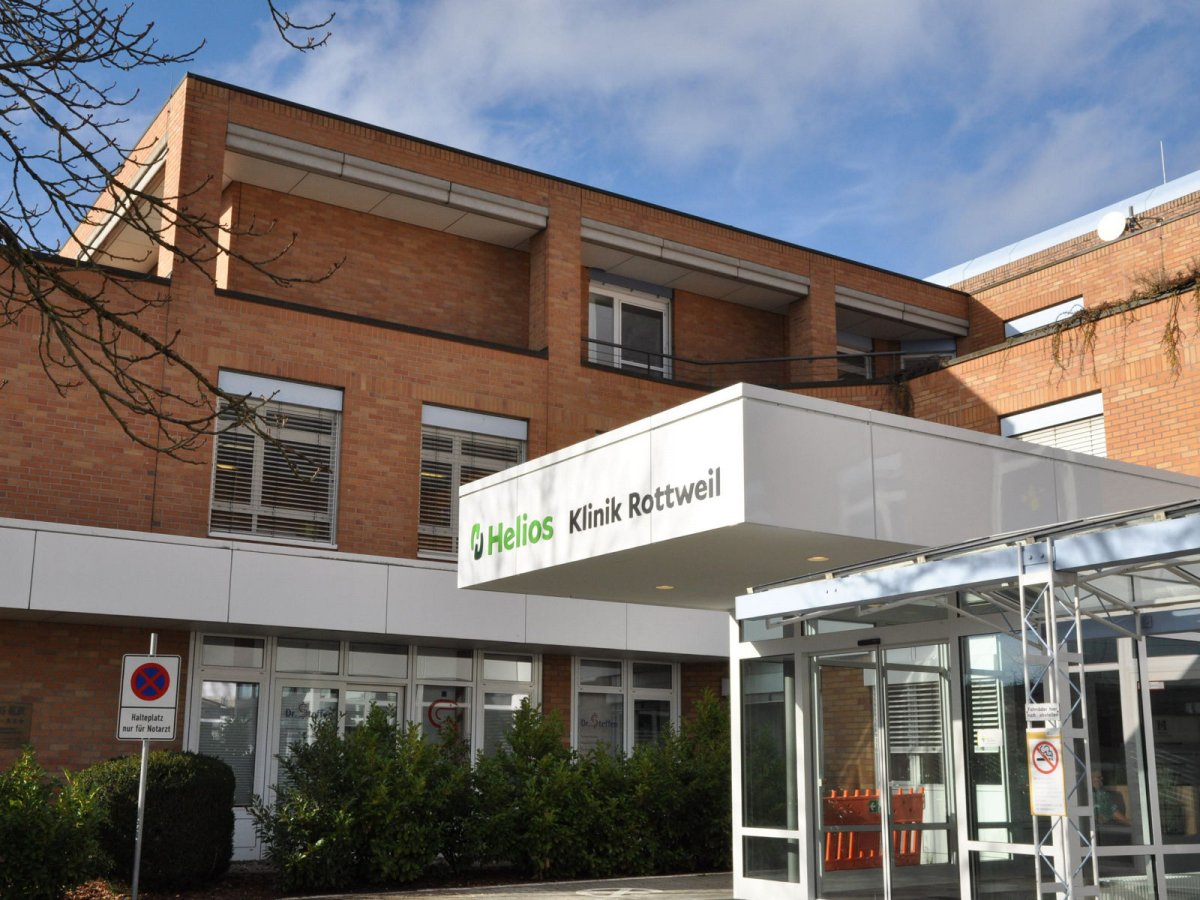
La electrodesecación es un procedimiento dermatológico mínimamente invasivo que utiliza corrientes eléctricas de alta frecuencia para destruir crecimientos cutáneos benignos. Utilizado en clínicas alemanas como el Hospital Universitario Helios de Wuppertal, deshidrata el tejido para eliminar etiquetas cutáneas, verrugas virales y queratosis con precisión y un sangrado mínimo.
- Mecanismo del procedimiento: Electrodos en forma de aguja suministran corriente enfocada para vaporizar o quemar el tejido anormal.
- Anestesia típica: Los dermatólogos aplican anestesia local para garantizar una experiencia indolora durante el tratamiento.
- Recuperación rápida: La mayoría de los pacientes retoman sus actividades normales inmediatamente con cicatrices mínimas y apenas visibles.
- Rango de precios: Los precios en Alemania oscilan entre $150 y $450 por sesión.
Opinión experta de Bookimed: Los hospitales universitarios alemanes a menudo tratan tanto a adultos como a niños en casos de lesiones múltiples. El Hospital Universitario Helios de Wuppertal atiende a 150.000 pacientes al año. Sus cirujanos pueden tratar docenas de puntos en una sola sesión. Esta experiencia de alto volumen garantiza resultados estéticos consistentes para las lesiones faciales.
Consenso de los pacientes: Espere pequeñas costras y
¿Qué lesiones benignas se tratan típicamente con este método?
La electrodesecación en Alemania trata eficazmente las lesiones cutáneas benignas pequeñas y superficiales, incluidos los queloides, las etiquetas cutáneas (acrocordones) y las verrugas comunes. Los especialistas alemanes en centros como el Hospital Universitario Helios de Wuppertal utilizan corrientes eléctricas de alta frecuencia para deshidratar y destruir los tejidos anormales, minimizando al mismo tiempo el daño a la piel sana circundante.
- Tipos de lesiones: Generalmente trata crecimientos pequeños y superficiales como queloides, verrugas y etiquetas cutáneas.
- Enfoque del tratamiento: Se dirige principalmente a lesiones que son estéticamente no deseadas o físicamente irritantes.
- Entorno clínico: Se realiza en centros de especialidades múltiples como el Hospital Helios bajo anestesia local.
- Estándares de acreditación: Las clínicas alemanas suelen poseer certificaciones IASIOS o de la Sociedad Alemana del Cáncer.
Opinión experta de Bookimed: Los oncólogos alemanes a menudo priorizan la estabilidad cutánea a largo plazo sobre la simple eliminación. En el Hospital Universitario Helios de Wuppertal, los cirujanos suelen combinar la electrodesecación con inyecciones de esteroides o 5-FU. Este enfoque dual aborda específicamente la recurrencia de queloides, que es una preocupación común para los pacientes que buscan la eliminación de lesi
¿Es doloroso el procedimiento y se utiliza anestesia?
La electrodesecación en Alemania suele ser un procedimiento ambulatorio indoloro, ya que los cirujanos utilizan anestesia local para adormecer el área de tratamiento. Los pacientes generalmente experimentan una breve sensación de pinchazo durante la inyección del anestésico. Una vez adormecida la zona, la corriente eléctrica de alta frecuencia conlleva molestias mínimas al eliminar lesiones benignas.
- Tipo de anestesia: La anestesia local es el estándar para asegurar que el proceso sea manejable y sin dolor.
- Gestión del dolor: La mayoría de los pacientes informan que la inyección inicial es la sensación más notable.
- Comodidad del tratamiento: La corriente eléctrica produce una sensación de calor en lugar de un dolor quirúrgico agudo.
- Entorno clínico: Los procedimientos en centros como el Hospital Universitario Helios de Wuppertal priorizan un control eficaz del dolor.
Perspectiva del experto de Bookimed: Las clínicas alemanas como el Hospital Universitario Helios de Wuppertal tratan a 150 000 pacientes al año con alta eficiencia. Los grandes hospitales universitarios suelen estandarizar los protocolos de dolor en todos los departamentos quirúrgicos menores. Este gran volumen significa que los clínicos son expertos en administrar anestesia local precisa rápidamente. Debe confirmar si hay crema anestésica disponible antes de la inyección l
¿Cuál es el tiempo de recuperación y los cuidados posteriores?
La recuperación tras la electrodesecación en Alemania es rápida, y la mayoría de las heridas se cierran en un plazo de 7 a 14 días. Los pacientes generalmente pueden reanudar sus actividades diarias de inmediato. La restauración completa de la piel y la desaparición del enrojecimiento localizado suelen tardar de 1 a 3 meses, dependiendo del tamaño de la lesión.
- Cuidado de heridas: Mantenga el área tratada limpia y seca durante 24 a 48 horas.
- Tratamiento tópico: Aplique la pomada antibiótica o esteroidea recetada para promover una cicatrización saludable de la piel.
- Protección solar: Proteja el área de la luz solar directa para prevenir la hiperpigmentación a largo plazo.
- Prevención de cicatrices: Utilice parches esteroideos durante 3 a 6 meses una vez que la herida inicial se haya cerrado.
Perspectiva del experto de Bookimed: Aunque muchos buscan este tratamiento para crecimientos benignos simples, elegir un centro como el Hospital Universitario Helios de Wuppertal ofrece tranquilidad. Su certificación de la Sociedad Alemana del Cáncer garantiza que cualquier lesión sospechosa reciba una evaluación oncológica experta antes de la eliminación. Este enfoque doble en estética y seguridad es un sello distintivo de la dermatología alemana.
Consenso de los pacientes: Los pacientes destacan la importancia de mantener el
¿Cuánto tiempo dura el tratamiento?
La electrodesecación de lesiones benignas en Alemania suele durar entre 15 y 30 minutos por cita completa. El procedimiento en sí es casi instantáneo y requiere solo de 1 a 3 minutos por lesión. Este tratamiento ambulatorio permite a los pacientes volver a sus actividades diarias inmediatamente después de la visita.
- Duración del procedimiento: El equipo médico trata cada punto en un total de 1 a 3 minutos.
- Tiempo total en la clínica: Espere de 15 a 30 minutos para el consentimiento, la anestesia y la información sobre los cuidados posteriores.
- Múltiples lesiones: El tratamiento de varios puntos puede prolongar la visita a 45 o 60 minutos.
- Estancia hospitalaria: No se requiere estancia nocturna, ya que es una tarea ambulatoria de entrada y salida.
Perspectiva del experto de Bookimed: Aunque las lesiones pequeñas se eliminan en minutos, la eficiencia de la clínica varía según el tipo de instalación. Los grandes centros como el Hospital Universitario Helios de Wuppertal gestionan más de 150 000 pacientes al año. Para eliminaciones benignas simples, estos hospitales alemanes de gran volumen a menudo utilizan flujos de trabajo optimizados que minimizan los tiempos de espera para tareas quirúrgicas menores.
Consenso de los pacientes: Los pacientes describen el proceso como sorprendentemente rápido e indoloro cuando se
¿Cuál es la diferencia entre la electrodesecación y la crioterapia (congelación)?
La electrodesecación utiliza calor eléctrico de alta frecuencia para deshidratar y destruir las células, mientras que la crioterapia utiliza nitrógeno líquido para congelarlas y romperlas. La electrodesecación es muy precisa para crecimientos pequeños y proporciona un control inmediato del sangrado. La crioterapia es más rápida y normalmente no requiere anestesia local durante la aplicación.
- Calor frente a frío: La electrodesecación seca el tejido mediante calor; la crioterapia destruye las células a -196 °C.
- Gestión del dolor: La eliminación eléctrica suele requerir anestesia local; la congelación a menudo se realiza sin inyecciones.
- Proceso de recuperación: El calor crea una costra seca; la congelación provoca una ampolla temporal antes de la curación.
- Eficiencia de la sesión: La electrodesecación a menudo elimina las lesiones en una sola visita; la crioterapia puede requerir repeticiones.
Perspectiva del experto de Bookimed: Los hospitales universitarios alemanes como el Helios Wuppertal tratan a 150 000 pacientes al año utilizando protocolos dermatológicos avanzados. Los datos sugieren elegir la electrodesecación para lesiones más gruesas y persistentes donde la precisión es vital. Cauteriza el tejido al instante, lo cual es más seguro para los pacientes que requieren un excelente control del sangrado durante la eliminación.
¿Qué hospitales en Alemania tienen las calificaciones más altas en neurocirugía?
Alemania alberga algunos de los departamentos de neurocirugía más prestigiosos del mundo, liderados por la Charité – Universitätsmedizin Berlin y el Hospital Universitario de Heidelberg. Estos centros destacan en el tratamiento de tumores cerebrales complejos y enfermedades cerebrovasculares. Para maximizar la eficacia de sus procedimientos, utilizan tecnologías de vanguardia como la resonancia magnética intraoperatoria y la neuronavegación asistida por computadora.
- Charité Berlín: Realiza más de 5000 cirugías al año. La clínica está dirigida por el reconocido neurocirujano Dr. Peter Vaikoczy.
- Centro Médico Solingen: El Dr. Ralf Buhl ha realizado más de 4.000 cirugías, incluidas cirugías de columna mínimamente invasivas.
- Clínica Asklepios Nord: equipada con el único sistema de resonancia magnética intraoperatoria bilateral de Alemania para garantizar precisión quirúrgica en tiempo real durante la extirpación del tumor.
- Clínica Nordwest: reconocida por la revista Newsweek como un hospital líder por su innovación en tecnología de ultrasonido 3D.
Opinión experta de Bookimed: Los datos muestran que elegir centros con un alto volumen quirúrgico suele llevar a recomendaciones de tratamiento más conservadoras. En el Centro Médico Solingen, que atiende a más de 60.000 pacientes al año, los cirujanos suelen sugerir fisioterapia en lugar de cirugía
¿Cuáles son las tasas de éxito de los procedimientos neuroquirúrgicos complejos en Alemania?
En Alemania, los procedimientos neuroquirúrgicos de alta complejidad demuestran una seguridad excepcional. Las tasas de éxito en las fusiones espinales alcanzan el 99 %. La tasa de supervivencia en las resecciones de tumores cerebrales primarios es del 97 %. La independencia funcional es alta. Más del 82 % de los pacientes reciben el alta inmediatamente después del tratamiento. Los centros alemanes priorizan la preservación de la función neurológica mediante técnicas modernas de mapeo.
- Resección de tumores: los cirujanos logran una resección tumoral completa en el 87,2% de los casos de metástasis cerebrales.
- Éxito en el tratamiento de enfermedades vasculares: los hospitales alemanes informan de una tasa de supervivencia del 98,7% para aneurismas no rotos.
- Mejora del estado neurológico: casi el 43% de los pacientes experimentan una mejora de los parámetros funcionales después de resecciones complejas.
- Seguridad de las intervenciones quirúrgicas: En grandes centros quirúrgicos, las tasas de supervivencia de los pacientes después de la cirugía de columna son del 98-99%.
Opinión experta de Bookimed: Cirujanos experimentados como el Dr. Uwe Köhler, de la Clínica Asklepios Altona, realizan más de 2000 cirugías al año. Los datos muestran que estos especialistas mantienen tasas de éxito de hasta el 90 %, incluso en los tumores cerebrales más comp
¿Qué tecnologías avanzadas suelen estar disponibles en las clínicas neuroquirúrgicas alemanas?
Las clínicas neuroquirúrgicas alemanas incorporan regularmente instrumentos digitales de alta precisión y visualización en tiempo real a la práctica quirúrgica. Entre las tecnologías clave se encuentra la neuronavegación computarizada para cirugías de cerebro y médula espinal. Instituciones como la Clínica Asklepios Nord utilizan la resonancia magnética intraoperatoria para verificar la extirpación de tumores en tiempo real. Estos sistemas proporcionan a los cirujanos navegación GPS 3D.
- Neuronavegación: proporciona visualización 3D y seguimiento de instrumentos en tiempo real para lograr precisión quirúrgica hasta el nivel submilimétrico.
- Imágenes intraoperatorias: sistemas como iMRI y O-arm CT permiten la confirmación inmediata de una resección exitosa.
- Neuromonitorización: Monitorea las funciones motoras y sensoriales durante la cirugía para proteger el sistema nervioso.
- Diagnóstico de fluorescencia: se utiliza el colorante 5-ALA para resaltar los bordes del tumor para una eliminación más completa.
- Asistencia robótica: Sistemas como el Da Vinci mejoran la precisión en procedimientos complejos y mínimamente invasivos.
Opinión experta de Bookimed: Grandes centros como la Charité – Universitätsmedizin de Berlín realizan más de 4000 procedimientos neuroquirúrgicos al año, lo que crea un entorno rico en datos para p
¿Qué formación especializada reciben los neurocirujanos en ejercicio en Alemania?
En Alemania, los neurocirujanos deben completar una residencia especializada de seis años tras graduarse de la facultad de medicina. Este programa estructurado incluye cuidados intensivos, práctica clínica y una revista quirúrgica obligatoria. Posteriormente, los candidatos aprueban un examen estatal para obtener el título de residente (Facharzt für Neurochirurgie).
- Residencia clínica: requiere de 48 a 72 meses de práctica neuroquirúrgica especializada.
- Cuidados intensivos: incluye una pasantía obligatoria de 6 meses en una unidad de cuidados intensivos neuroquirúrgicos.
- Revista quirúrgica: los cirujanos documentan cientos de cirugías, incluidas craneotomías y cirugías de columna.
- Examen de licencia: Los solicitantes deben aprobar un examen médico oral y práctico administrado por el estado.
Opinión experta de Bookimed: La formación neuroquirúrgica alemana se centra en una amplia experiencia quirúrgica. Por ejemplo, el Dr. Ralf Buhl, del Centro Médico Solingen, ha realizado más de 4000 cirugías. El Dr. Jürgen Kiwit, del Hospital Meoklinik, cuenta con más de 25 años de experiencia. Este riguroso sistema garantiza que los especialistas de los principales centros aborden casos complejos con una precisión demostrada.
Comentarios de los pacientes: Los pacientes se sienten seguros al saber que sus médicos han recibido año