Tratamiento de estimulación epidural en Alemania: clínica verificada y sus precios


Revisado médicamente por
Fahad Mawlood
¿Cuál es el precio de Tratamiento de estimulación epidural en Alemania? Descubra ahora
El costo del tratamiento de estimulación epidural en Alemania suele oscilar entre $14,000 y $26,000. Los precios varían según la clínica, la experiencia del cirujano en neuromodulación, la marca del dispositivo y si se requiere rehabilitación adicional. UU.
Las clínicas alemanas suelen incluir la evaluación preoperatoria, la cirugía con implantación del dispositivo, el estimulador epidural (de marcas líderes), la estancia hospitalaria, la anestesia y el seguimiento inicial. En EE. UU., el costo del dispositivo, los honorarios del cirujano, la anestesia y los cargos hospitalarios suelen facturarse por separado. Siempre confirmar si la rehabilitación, la programación del dispositivo o las visitas de seguimiento prolongadas están incluidas en el paquete.
| Alemania | España | Turquía | |
|---|---|---|---|
| Tratamiento de estimulación epidural | ≈ $14,000 | de $6,700 | ≈ $7,500 |
Sus beneficios y garantías con Bookimed
Precios directos
Bookimed no añade cargos adicionales a los precios de Tratamiento de estimulación epidural. Las tarifas proceden de las listas de precios oficiales de las clínicas. Pagará directamente en la clínica por su Tratamiento de estimulación epidural a su llegada al país.
Sólo clínicas y médicos verificados
Bookimed está comprometido con su seguridad. Solo trabajamos con las clínicas que mantienen altos estándares internacionales en Tratamiento de estimulación epidural y tienen las licencias necesarias para atender a pacientes internacionales en todo el mundo.
Asistencia 24/7 gratuita
Bookimed ofrece asistencia experta gratuita. Un coordinador médico personal le apoya antes, durante y después del tratamiento, resolviendo cualquier problema. Nunca estará solo en su viaje médico de Tratamiento de estimulación epidural.

Su coordinador médico personal de Bookimed
- Le apoya en cada etapa
- Ayuda a elegir la clínica y el médico adecuados
- Asegura un acceso rápido y conveniente a la información
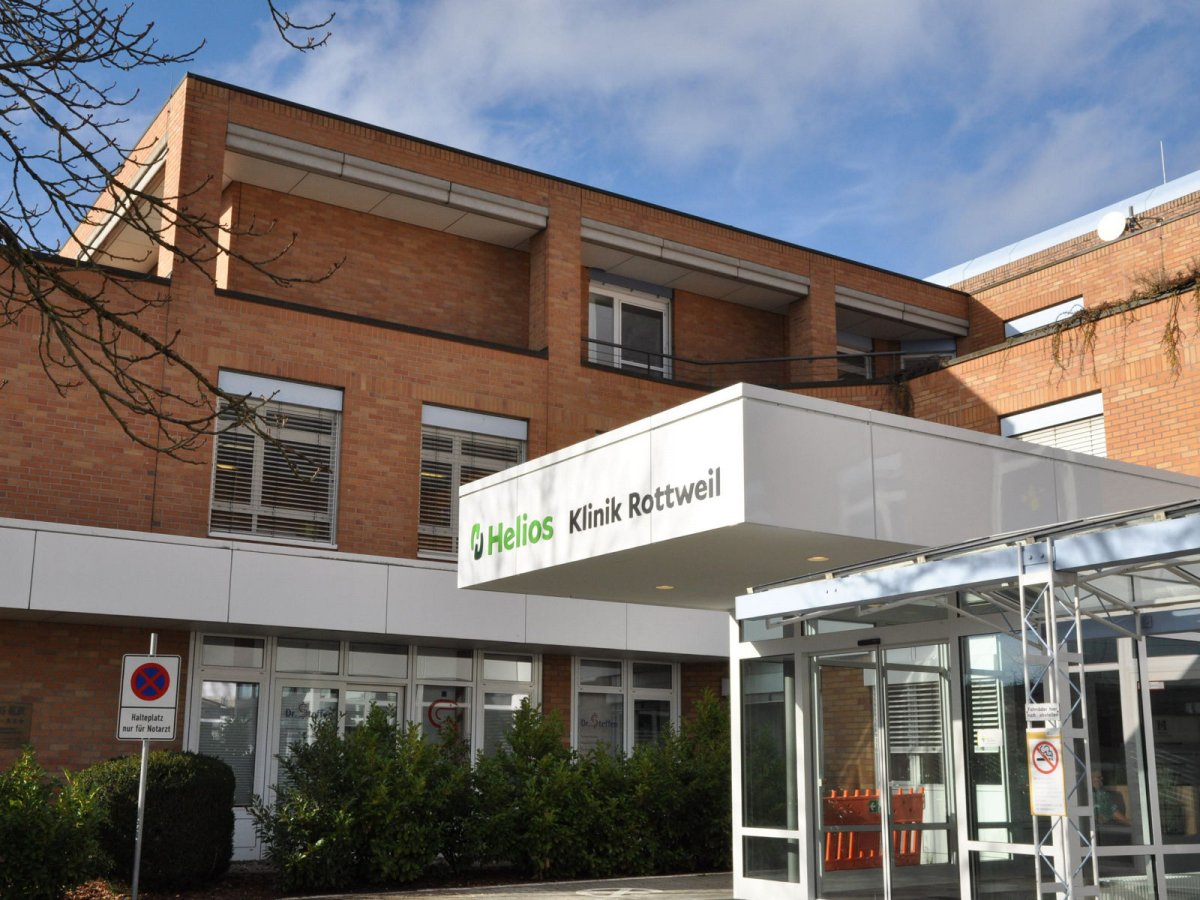
Descubra las mejores clínicas de Tratamiento de estimulación epidural en Alemania: 1 opciones verificadas y Precios

Descripción general de Tratamiento de estimulación epidural en Alemania
- Depósito de Bookimed: 200 $ o 200 €.
- Depósito de la clínica: Pague un porcentaje fijo por adelantado.
Compartir contenido
Historias en video de pacientes de Bookimed
 Olena Sikoza
Preguntas frecuentes sobre Tratamiento de estimulación epidural en Alemania
¿Qué es el tratamiento de estimulación epidural en Alemania?
La estimulación epidural en Alemania es un procedimiento de neuromodulación que utiliza impulsos eléctricos para tratar el dolor crónico o las lesiones de la médula espinal. Los cirujanos implantan una matriz de 16 electrodos en el espacio epidural. Esta tecnología apunta a segmentos específicos de la columna vertebral para restaurar la función motora o evitar vías nerviosas dañadas.
- Objetivo del tratamiento: El procedimiento modula los circuitos espinales para controlar el dolor o recuperar el movimiento de las extremidades.
- Aplicación clínica: Los especialistas la utilizan para el dolor neuropático crónico o la recuperación experimental de lesiones de la médula espinal.
- Colocación del dispositivo: Los médicos colocan las matrices de electrodos con precisión cerca del ganglio de la raíz dorsal o de la médula espinal.
- Selección de pacientes: Los protocolos alemanes requieren un cribado multimodal riguroso y diagnósticos por imagen, como resonancias magnéticas.
Perspectiva del experto de Bookimed: Alemania ocupa el tercer lugar a nivel mundial en solicitudes médicas en este campo debido a su intensa participación en la investigación. Grandes centros como el Hospital Universitario Helios de Wuppertal atienden a 150.000 pacientes al año. Este alto volumen a menudo brinda a los pacientes acceso a los últimos protocolos de neuroestimulación
¿Qué diagnósticos y condiciones califican para la estimulación epidural según las directrices alemanas?
Las directrices alemanas para la estimulación epidural califican principalmente a pacientes con dolor neuropático crónico y lesiones de la médula espinal. Las condiciones elegibles incluyen dolor neuropático diabético, dolor de miembro fantasma y avulsiones del plexo. Los candidatos deben demostrar el fracaso de los tratamientos conservadores antes de pasar a la neuromodulación dentro de un plan de atención multimodal.
- Dolor neuropático: Cubre la neuropatía diabética, la neuralgia postherpética y los síndromes de dolor regional complejo.
- Lesión de la médula espinal: Aborda el dolor crónico y la parálisis motora para lesiones entre los niveles C5-T12.
- Requisito clínico: Requiere el fracaso de todas las terapias de dolor menos invasivas, conservadoras o multimodales.
- Enfoque diagnóstico: Se centra en avulsiones del plexo y pacientes con lesiones incompletas de la médula espinal.
Perspectiva del experto de Bookimed: Aunque existen directrices nacionales sobre el dolor, los hospitales universitarios alemanes como Helios Wuppertal a menudo priorizan las aplicaciones para la recuperación motora. Nuestros datos muestran una tendencia en la que los centros evalúan la cronicidad de la lesión y las vías nerviosas residuales. Se dirigen específicamente a logros funcionales como estar de pie o caminar en lugar de solo aliviar el dolor.
¿Quién es elegible para la estimulación epidural en Alemania?
La elegibilidad para la estimulación epidural en Alemania depende del objetivo médico. Para el dolor crónico, los candidatos deben presentar afecciones intratables como el síndrome de espalda fallida o el síndrome de dolor regional complejo. Para la recuperación motora después de una lesión de la médula espinal, los candidatos suelen requerir una evaluación neuroquirúrgica especializada y la participación en ensayos clínicos.
- Manejo del dolor: Dolor intratable que no responde a la terapia conservadora o a cirugías previas.
- Estado neurológico: Las lesiones de la médula espinal incompletas a menudo ofrecen resultados de rehabilitación más favorables.
- Estabilidad médica: Los pacientes deben estar libres de infecciones, úlceras por presión y osteoporosis grave.
- Compromiso con la rehabilitación: Los candidatos deben poseer la capacidad física para una terapia postoperatoria diaria intensiva.
Perspectiva del experto de Bookimed: Alemania se clasifica entre los 3 principales destinos mundiales para la neurocirugía compleja debido a su enorme infraestructura. Redes grandes como el Hospital Universitario Helios de Wuppertal gestionan más de 150.000 pacientes al año. Este alto volumen permite a los centros mantener equipos multidisciplinarios esenciales para el cribado selectivo requerido para los implantes epidurales.
Consenso de
¿Qué resultados o mejoras pueden esperar los pacientes de manera realista de la estimulación epidural?
La estimulación epidural en Alemania permite a los pacientes con lesiones de la médula espinal recuperar el control motor voluntario y mantenerse de pie de forma independiente. La mayoría de los usuarios experimentan reducciones significativas en la espasticidad y el dolor neuropático. Las mejoras sistemáticas suelen incluir una mejor función vesical, intestinal y cardiovascular cuando se combinan con protocolos intensivos de rehabilitación física.
- Función motora: Recuperar el control voluntario sobre los músculos paralizados para iniciar o modular el movimiento.
- Ganancias de movilidad: Logro de bipedestación asistida y pasos utilizando andadores o barras paralelas.
- Salud autonómica: Regulación mejorada de la presión arterial, circulación y funciones de órganos vitales.
- Rol de la rehabilitación: Se requiere un entrenamiento diario crucial para traducir las señales eléctricas en movimiento funcional.
Opinión experta de Bookimed: Los hospitales universitarios alemanes como Helios Wuppertal tratan a más de 150,000 pacientes anualmente utilizando equipos multidisciplinarios. Los datos muestran que la estimulación actúa como una herramienta en lugar de un mecanismo de reparación. Los pacientes deben priorizar las clínicas que ofrecen programación integrada y apoyo de rehabilitación a largo plazo. Las ganancias suelen depender del estado, lo
¿Qué recomiendan específicamente las actuales directrices nacionales alemanas sobre la estimulación epidural y de los ganglios de la raíz dorsal (DRG)?
Las directrices alemanas recientes asignan recomendaciones de Nivel 1 a la estimulación epidural de la médula espinal para el dolor espinal persistente, la enfermedad vascular periférica y la angina de pecho refractaria. La estimulación de los ganglios de la raíz dorsal (DRG) se recomienda específicamente para el dolor neuropático focal y el síndrome de dolor regional complejo dentro de marcos de terapia multimodal.
- Estado del síndrome de dolor: El estatus de Nivel 1 respalda su uso para el dolor lumbar y el dolor de piernas posoperatorio.
- Indicación vascular: Recomendado para enfermedad vascular periférica en estadio Fontaine 2b y 3.
- Estimulación ganglionar: Preferida para el síndrome de dolor regional complejo tipo 1 y 2.
- Guía de neuropatía: La recomendación de Nivel 2 se aplica a casos de polineuropatía diabética dolorosa.
Opinión experta de Bookimed: Los hospitales universitarios alemanes como Helios Wuppertal tratan a más de 150,000 pacientes anualmente. Este alto volumen garantiza que los médicos sigan estrictamente estos protocolos estandarizados de Nivel 1. Los pacientes se benefician de esta alineación rigurosa porque asegura claridad en el reembolso y trayectorias clínicas probadas. Elegir una clínica con certificaciones de la Sociedad Alemana del Cáncer o IASIOS a menudo indica una mayor adherencia a estas directrices naciona
¿Qué hospitales en Alemania tienen las calificaciones más altas en neurocirugía?
Alemania alberga algunos de los departamentos de neurocirugía más prestigiosos del mundo, liderados por la Charité – Universitätsmedizin Berlin y el Hospital Universitario de Heidelberg. Estos centros destacan en el tratamiento de tumores cerebrales complejos y enfermedades cerebrovasculares. Para maximizar la eficacia de sus procedimientos, utilizan tecnologías de vanguardia como la resonancia magnética intraoperatoria y la neuronavegación asistida por computadora.
- Charité Berlín: Realiza más de 5000 cirugías al año. La clínica está dirigida por el reconocido neurocirujano Dr. Peter Vaikoczy.
- Centro Médico Solingen: El Dr. Ralf Buhl ha realizado más de 4.000 cirugías, incluidas cirugías de columna mínimamente invasivas.
- Clínica Asklepios Nord: equipada con el único sistema de resonancia magnética intraoperatoria bilateral de Alemania para garantizar precisión quirúrgica en tiempo real durante la extirpación del tumor.
- Clínica Nordwest: reconocida por la revista Newsweek como un hospital líder por su innovación en tecnología de ultrasonido 3D.
Opinión experta de Bookimed: Los datos muestran que elegir centros con un alto volumen quirúrgico suele llevar a recomendaciones de tratamiento más conservadoras. En el Centro Médico Solingen, que atiende a más de 60.000 pacientes al año, los cirujanos suelen sugerir fisioterapia en lugar de cirugía
¿Cuáles son las tasas de éxito de los procedimientos neuroquirúrgicos complejos en Alemania?
En Alemania, los procedimientos neuroquirúrgicos de alta complejidad demuestran una seguridad excepcional. Las tasas de éxito en las fusiones espinales alcanzan el 99 %. La tasa de supervivencia en las resecciones de tumores cerebrales primarios es del 97 %. La independencia funcional es alta. Más del 82 % de los pacientes reciben el alta inmediatamente después del tratamiento. Los centros alemanes priorizan la preservación de la función neurológica mediante técnicas modernas de mapeo.
- Resección de tumores: los cirujanos logran una resección tumoral completa en el 87,2% de los casos de metástasis cerebrales.
- Éxito en el tratamiento de enfermedades vasculares: los hospitales alemanes informan de una tasa de supervivencia del 98,7% para aneurismas no rotos.
- Mejora del estado neurológico: casi el 43% de los pacientes experimentan una mejora de los parámetros funcionales después de resecciones complejas.
- Seguridad de las intervenciones quirúrgicas: En grandes centros quirúrgicos, las tasas de supervivencia de los pacientes después de la cirugía de columna son del 98-99%.
Opinión experta de Bookimed: Cirujanos experimentados como el Dr. Uwe Köhler, de la Clínica Asklepios Altona, realizan más de 2000 cirugías al año. Los datos muestran que estos especialistas mantienen tasas de éxito de hasta el 90 %, incluso en los tumores cerebrales más comp
¿Qué tecnologías avanzadas suelen estar disponibles en las clínicas neuroquirúrgicas alemanas?
Las clínicas neuroquirúrgicas alemanas incorporan regularmente instrumentos digitales de alta precisión y visualización en tiempo real a la práctica quirúrgica. Entre las tecnologías clave se encuentra la neuronavegación computarizada para cirugías de cerebro y médula espinal. Instituciones como la Clínica Asklepios Nord utilizan la resonancia magnética intraoperatoria para verificar la extirpación de tumores en tiempo real. Estos sistemas proporcionan a los cirujanos navegación GPS 3D.
- Neuronavegación: proporciona visualización 3D y seguimiento de instrumentos en tiempo real para lograr precisión quirúrgica hasta el nivel submilimétrico.
- Imágenes intraoperatorias: sistemas como iMRI y O-arm CT permiten la confirmación inmediata de una resección exitosa.
- Neuromonitorización: Monitorea las funciones motoras y sensoriales durante la cirugía para proteger el sistema nervioso.
- Diagnóstico de fluorescencia: se utiliza el colorante 5-ALA para resaltar los bordes del tumor para una eliminación más completa.
- Asistencia robótica: Sistemas como el Da Vinci mejoran la precisión en procedimientos complejos y mínimamente invasivos.
Opinión experta de Bookimed: Grandes centros como la Charité – Universitätsmedizin de Berlín realizan más de 4000 procedimientos neuroquirúrgicos al año, lo que crea un entorno rico en datos para p
¿Qué formación especializada reciben los neurocirujanos en ejercicio en Alemania?
En Alemania, los neurocirujanos deben completar una residencia especializada de seis años tras graduarse de la facultad de medicina. Este programa estructurado incluye cuidados intensivos, práctica clínica y una revista quirúrgica obligatoria. Posteriormente, los candidatos aprueban un examen estatal para obtener el título de residente (Facharzt für Neurochirurgie).
- Residencia clínica: requiere de 48 a 72 meses de práctica neuroquirúrgica especializada.
- Cuidados intensivos: incluye una pasantía obligatoria de 6 meses en una unidad de cuidados intensivos neuroquirúrgicos.
- Revista quirúrgica: los cirujanos documentan cientos de cirugías, incluidas craneotomías y cirugías de columna.
- Examen de licencia: Los solicitantes deben aprobar un examen médico oral y práctico administrado por el estado.
Opinión experta de Bookimed: La formación neuroquirúrgica alemana se centra en una amplia experiencia quirúrgica. Por ejemplo, el Dr. Ralf Buhl, del Centro Médico Solingen, ha realizado más de 4000 cirugías. El Dr. Jürgen Kiwit, del Hospital Meoklinik, cuenta con más de 25 años de experiencia. Este riguroso sistema garantiza que los especialistas de los principales centros aborden casos complejos con una precisión demostrada.
Comentarios de los pacientes: Los pacientes se sienten seguros al saber que sus médicos han recibido año
¿Qué requisitos de idioma y de licencia se exigen a los cirujanos extranjeros que deseen formarse u observar procedimientos neuroquirúrgicos en Alemania?
Los neurocirujanos extranjeros deben cumplir estrictos requisitos de idioma y licencia para realizar formación o prácticas en Alemania. La formación requiere una licencia médica válida o un permiso temporal. Los internos deben obtener la autorización de un hospital específico. Ambas opciones requieren un alto nivel de alemán para participar en debates clínicos y realizar procedimientos quirúrgicos complejos con seguridad.
- Conocimientos de idiomas: Para la formación clínica se requiere un nivel general de alemán B2 y un nivel de lenguaje médico C1 (Fachsprachprüfung).
- Licencia clínica: Los cirujanos necesitan un permiso para la práctica permanente (Approbation) o un permiso profesional (Berufserlaubnis) para prácticas supervisadas temporales.
- Estado de observación: La hospitalización permite la observación de procedimientos quirúrgicos sin responsabilidad médica ni licencia formal.
- Evaluación de la cualificación: Los graduados médicos no pertenecientes a la UE a menudo tienen que pasar por un proceso de validación del diploma en un plazo de 3 a 6 meses.
Opinión experta de Bookimed: Las clínicas alemanas con un alto volumen de pacientes, como Nordwest Clinic o Asklepios Nord, suelen priorizar a los candidatos que ya han pasado una evaluación preliminar de la documentación. Nuestros datos muestran que profesores como el Dr. Uwe Köhler y el D