Contouring facial en Alemania: clínica verificada y sus precios

Revisado médicamente por
Fahad Mawlood
¿Cuál es el precio de Contouring facial en Alemania? Descubra ahora
El costo del contorno facial en Alemania suele oscilar de _price_from_ a _price_to_. Los precios varían según el tipo de procedimiento (reducción de mandíbula, remodelación de pómulos, aumento de mentón), la experiencia del cirujano y la ubicación de la clínica. UU.
Las clínicas alemanas suelen incluir diagnósticos preoperatorios, cirugía, anestesia, estancia hospitalaria nocturna, medicamentos y visitas de seguimiento. En EE. UU., el precio a menudo solo cubre los honorarios del cirujano, mientras que la anestesia, el hospital y la atención posterior se facturan por separado. Confirmar con cada clínica qué está incluido en el precio cotizado.
Sus beneficios y garantías con Bookimed
Precios directos
Bookimed no añade cargos adicionales a los precios de Contouring facial. Las tarifas proceden de las listas de precios oficiales de las clínicas. Pagará directamente en la clínica por su Contouring facial a su llegada al país.
Sólo clínicas y médicos verificados
Bookimed está comprometido con su seguridad. Solo trabajamos con las clínicas que mantienen altos estándares internacionales en Contouring facial y tienen las licencias necesarias para atender a pacientes internacionales en todo el mundo.
Asistencia 24/7 gratuita
Bookimed ofrece asistencia experta gratuita. Un coordinador médico personal le apoya antes, durante y después del tratamiento, resolviendo cualquier problema. Nunca estará solo en su viaje médico de Contouring facial.

Su coordinador médico personal de Bookimed
- Le apoya en cada etapa
- Ayuda a elegir la clínica y el médico adecuados
- Asegura un acceso rápido y conveniente a la información
Descubra las mejores clínicas de Contouring facial en Alemania: 1 opciones verificadas y Precios

Descripción general de Contouring facial en Alemania
- Lifting facial - de $15,700Esta terapia rejuvenece los rasgos faciales, reafirma la piel, suaviza las arrugas y mejora los contornos para una apariencia más joven.
- Mini lifting facial - de $6,700El procedimiento rejuvenece el rostro tensando la piel y reduciendo la flacidez, con menos incisiones y una recuperación más rápida.
- Lifting con hilos de ácido hialurónico - de $900Esta terapia es un método no invasivo para tensar la piel usando hilos solubles, promoviendo la producción de colágeno y el rejuvenecimiento.
- Transferencia de grasa facial - de $3,800Este procedimiento consiste en transferir grasa al rostro para obtener rasgos más suaves y completos, ofreciendo un resultado natural y duradero.
- Eliminación de grasa bucal - de $2,300La operación elimina las almohadillas de grasa de las mejillas para una cara más delgada, realizada bajo anestesia con efectos secundarios mínimos.
- El estiramiento facial endoscópico - de $6,800El procedimiento es una operación de rejuvenecimiento facial mínimamente invasiva utilizando tecnología endoscópica de última generación.
- Estiramiento facial Accutite - de $3,100Esta terapia tensa la piel del rostro mediante radiofrecuencia. Su aplicador preciso provoca un daño mínimo y garantiza un efecto natural.
- Depósito de Bookimed: 200 $ o 200 €.
- Depósito de la clínica: Pague un porcentaje fijo por adelantado.
Obtenga una evaluación médica para Contouring facial en Alemania: Elija su especialista entre los mejores en el campo
Ver todos los médicos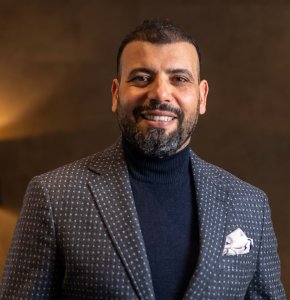
Walid Eljabu
Posee certificaciones de la junta en Cirugía Plástica y Estética, Cirugía de la Mano y Cirugía de Trauma – El Dr. Eljabu combina una experiencia quirúrgica avanzada con un ojo estético para el contorno facial.
- Formación especializada en institutos líderes en Suecia y Turquía
- Miembro de la Sociedad Europea de Rinoplastia y de la Sociedad Americana de Cirujanos Plásticos
- Realiza rejuvenecimiento facial con un enfoque en resultados naturales y armoniosos
- Cirujano jefe en Esthétique du Nord en Hamburgo
Historias en video de pacientes de Bookimed
Compartir contenido
 Olena Sikoza
Preguntas frecuentes sobre Contouring facial en Alemania
¿Qué procedimientos de contorno facial son más populares en Alemania?
Alemania se especializa en el refinamiento facial natural a través de rellenos no quirúrgicos y procedimientos quirúrgicos estructurales. Las técnicas populares incluyen la definición de la mandíbula, el aumento de pómulos y la rinoplastia. Los tratamientos mínimamente invasivos, como el Botox en el masetero y la eliminación de grasa bucal, tienen una demanda creciente para lograr resultados estéticos sutiles y equilibrados en las principales ciudades alemanas.
- Contorno inyectable: El ácido hialurónico define la mandíbula y los pómulos para un refinamiento inmediato y no quirúrgico.
- Reducción ósea quirúrgica: Clínicas especializadas realizan genioplastia y reducción del ángulo mandibular para una forma permanente.
- Rejuvenecimiento facial: Los estiramientos faciales (facelifts) y la blefaroplastia siguen siendo las principales opciones para el contorno y levantamiento a largo plazo.
- Botox en el masetero: Los tratamientos de relajación muscular adelgazan la parte inferior del rostro sin necesidad de cirugía ósea invasiva.
Perspectiva del experto de Bookimed: Aunque la "belleza hialurónica" no invasiva domina las tendencias locales, los pacientes alemanes suelen buscar expertos con triple certificación, como los de Esthétique du Nord en Hamburgo, para el rejuvenecimiento facial complejo. Los datos muestran que, si bien los rellenos básicos
¿Cómo elijo un cirujano plástico facial calificado en Alemania?
Para elegir un cirujano plástico facial calificado en Alemania, verifique el título "Facharzt für Plastische und Ästhetische Chirurgie". Esto designa a un especialista que completó una residencia de 6 años. Busque certificaciones adicionales en Otorrinolaringología o Cirugía Maxilofacial para obtener experiencia avanzada en anatomía facial compleja y reconstrucción.
- Certificación médica: Confirme que el cirujano posea la certificación de la junta alemana en cirugía plástica y estética.
- Formación facial especializada: Busque médicos con antecedentes en otorrinolaringología o maxilofacial para procedimientos como la rinoplastia.
- Membresía en sociedades profesionales: Busque la afiliación a la DGPRÄC para garantizar el cumplimiento de estándares elevados.
- Certificación triple: Considere especialistas como el Dr. Walid Eljabu en Esthétique du Nord para una experiencia multifacética.
Perspectiva del experto de Bookimed: La ley alemana suele restringir a las clínicas la publicación de fotos de antes y después en línea. Debe solicitar específicamente ver un portafolio físico durante su consulta privada. Esto le permite verificar el estilo estético y los resultados consistentes del cirujano en persona sin limitaciones legales.
Consensus del paciente: Concéntrese en qué tan minuciosamente el cirujano explica los riesgos e
¿Los resultados del contorneado facial en Alemania son permanentes?
Los resultados del contorneado facial en Alemania son permanentes solo cuando implican una modificación ósea quirúrgica, como la reducción de mandíbula o la cirugía V-line. Los procedimientos de tejidos blandos, incluidas las inyecciones para reducir la grasa o los rellenos, ofrecen una mejora temporal. El envejecimiento natural, la laxitud de la piel y las fluctuaciones de peso seguirán afectando la apariencia de su rostro con el tiempo.
- Permanencia quirúrgica: Los procedimientos basados en huesos, como la reducción de la mandíbula, alteran físicamente la estructura para cambios de por vida.
- Límites de los tejidos blandos: La eliminación de la grasa bucal es permanente, pero las células grasas circundantes aún pueden expandirse.
- Longevidad de los inyectables: Los tratamientos con Sculptra suelen durar 2 años, mientras que el contorneado basado en Botox requiere mantenimiento cada 4 meses.
- Factor de curación: Los contornos permanentes finales solo aparecen después de 3 a 6 meses, una vez que la hinchazón desaparece por completo.
Opinión del experto de Bookimed: Las clínicas alemanas como Esthétique du Nord priorizan credenciales de alto nivel, y a menudo cuentan con cirujanos triplemente certificados como el Prof. Dr. Walid Eljabu. Esta experiencia es crítica porque, aunque la reducción ósea es permanente, puede causar flacidez en la pi
¿El estilo de vida afecta los resultados del contorneado facial?
Los factores del estilo de vida influyen significativamente en los resultados del contorneado facial, la velocidad de curación y la definición a largo plazo. La dieta, la estabilidad del peso y hábitos como fumar determinan qué tan bien se reparan los tejidos y cuánto tiempo permanecen visibles los rasgos esculpidos. Mantener un peso constante es vital para preservar las proporciones faciales deseadas.
- Estabilidad del peso: Las fluctuaciones significativas en la grasa corporal pueden alterar la definición de la mandíbula y las mejillas.
- Ingesta nutricional: Las dietas ricas en proteínas apoyan la reparación de los tejidos, mientras que limitar el azúcar reduce los riesgos de inflamación.
- Calidad de la piel: La hidratación y un cuidado de la piel constante mejoran la visibilidad de los contornos quirúrgicos o basados en rellenos.
- Inhibidores de la curación: Fumar y el consumo de alcohol están relacionados con una recuperación más lenta y una peor elasticidad de la piel.
Opinión del experto de Bookimed: Las clínicas alemanas enfatizan la especialización técnica, como la del Dr. Walid Eljabu en Esthétique du Nord, quien posee tres certificaciones de la junta. Nuestros datos muestran que los cirujanos alemanes de alto nivel priorizan la integridad estructural a largo plazo sobre las soluciones rápidas. Elegir un cirujano con membresía en la
¿El contorneado facial es doloroso?
El contorneado facial en Alemania generalmente se describe como incómodo en lugar de doloroso. Aunque los procedimientos de remodelación ósea se realizan bajo anestesia general, los pacientes suelen experimentar una tensión, presión e hinchazón significativas durante 7 a 14 días. La mayoría considera que las molestias son manejables con medicamentos recetados y elevando la cabeza.
- Sensación de recuperación: Los pacientes a menudo informan de una tensión y presión intensas en lugar de un dolor agudo y punzante.
- Entumecimiento temporal: La desensibilización nerviosa es común, lo que a menudo enmascara cualquier dolor postquirúrgico inmediato.
- Pico de los síntomas: La primera semana implica la máxima hinchazón y dolor a medida que desaparece la anestesia.
- Regreso a la actividad: La mayoría de los pacientes regresan al trabajo dentro de los 14 días a medida que los hematomas disminuyen.
Opinión del experto de Bookimed: Las clínicas alemanas como Esthétique du Nord priorizan el manejo del dolor en varias etapas. Los cirujanos aquí a menudo tienen más de 20 años de experiencia en microcirugía reconstructiva. Esta experiencia permite una manipulación más precisa de los tejidos. Esta precisión a menudo conduce a menos traumas internos y a una resolución más rápida de la hinchazón.
Consenso de los pacientes: Muchos descri
¿Qué hospitales en Alemania tienen las calificaciones más altas en neurocirugía?
Alemania alberga algunos de los departamentos de neurocirugía más prestigiosos del mundo, liderados por la Charité – Universitätsmedizin Berlin y el Hospital Universitario de Heidelberg. Estos centros destacan en el tratamiento de tumores cerebrales complejos y enfermedades cerebrovasculares. Para maximizar la eficacia de sus procedimientos, utilizan tecnologías de vanguardia como la resonancia magnética intraoperatoria y la neuronavegación asistida por computadora.
- Charité Berlín: Realiza más de 5000 cirugías al año. La clínica está dirigida por el reconocido neurocirujano Dr. Peter Vaikoczy.
- Centro Médico Solingen: El Dr. Ralf Buhl ha realizado más de 4.000 cirugías, incluidas cirugías de columna mínimamente invasivas.
- Clínica Asklepios Nord: equipada con el único sistema de resonancia magnética intraoperatoria bilateral de Alemania para garantizar precisión quirúrgica en tiempo real durante la extirpación del tumor.
- Clínica Nordwest: reconocida por la revista Newsweek como un hospital líder por su innovación en tecnología de ultrasonido 3D.
Opinión experta de Bookimed: Los datos muestran que elegir centros con un alto volumen quirúrgico suele llevar a recomendaciones de tratamiento más conservadoras. En el Centro Médico Solingen, que atiende a más de 60.000 pacientes al año, los cirujanos suelen sugerir fisioterapia en lugar de cirugía
¿Cuáles son las tasas de éxito de los procedimientos neuroquirúrgicos complejos en Alemania?
En Alemania, los procedimientos neuroquirúrgicos de alta complejidad demuestran una seguridad excepcional. Las tasas de éxito en las fusiones espinales alcanzan el 99 %. La tasa de supervivencia en las resecciones de tumores cerebrales primarios es del 97 %. La independencia funcional es alta. Más del 82 % de los pacientes reciben el alta inmediatamente después del tratamiento. Los centros alemanes priorizan la preservación de la función neurológica mediante técnicas modernas de mapeo.
- Resección de tumores: los cirujanos logran una resección tumoral completa en el 87,2% de los casos de metástasis cerebrales.
- Éxito en el tratamiento de enfermedades vasculares: los hospitales alemanes informan de una tasa de supervivencia del 98,7% para aneurismas no rotos.
- Mejora del estado neurológico: casi el 43% de los pacientes experimentan una mejora de los parámetros funcionales después de resecciones complejas.
- Seguridad de las intervenciones quirúrgicas: En grandes centros quirúrgicos, las tasas de supervivencia de los pacientes después de la cirugía de columna son del 98-99%.
Opinión experta de Bookimed: Cirujanos experimentados como el Dr. Uwe Köhler, de la Clínica Asklepios Altona, realizan más de 2000 cirugías al año. Los datos muestran que estos especialistas mantienen tasas de éxito de hasta el 90 %, incluso en los tumores cerebrales más comp
¿Qué tecnologías avanzadas suelen estar disponibles en las clínicas neuroquirúrgicas alemanas?
Las clínicas neuroquirúrgicas alemanas incorporan regularmente instrumentos digitales de alta precisión y visualización en tiempo real a la práctica quirúrgica. Entre las tecnologías clave se encuentra la neuronavegación computarizada para cirugías de cerebro y médula espinal. Instituciones como la Clínica Asklepios Nord utilizan la resonancia magnética intraoperatoria para verificar la extirpación de tumores en tiempo real. Estos sistemas proporcionan a los cirujanos navegación GPS 3D.
- Neuronavegación: proporciona visualización 3D y seguimiento de instrumentos en tiempo real para lograr precisión quirúrgica hasta el nivel submilimétrico.
- Imágenes intraoperatorias: sistemas como iMRI y O-arm CT permiten la confirmación inmediata de una resección exitosa.
- Neuromonitorización: Monitorea las funciones motoras y sensoriales durante la cirugía para proteger el sistema nervioso.
- Diagnóstico de fluorescencia: se utiliza el colorante 5-ALA para resaltar los bordes del tumor para una eliminación más completa.
- Asistencia robótica: Sistemas como el Da Vinci mejoran la precisión en procedimientos complejos y mínimamente invasivos.
Opinión experta de Bookimed: Grandes centros como la Charité – Universitätsmedizin de Berlín realizan más de 4000 procedimientos neuroquirúrgicos al año, lo que crea un entorno rico en datos para p
¿Qué formación especializada reciben los neurocirujanos en ejercicio en Alemania?
En Alemania, los neurocirujanos deben completar una residencia especializada de seis años tras graduarse de la facultad de medicina. Este programa estructurado incluye cuidados intensivos, práctica clínica y una revista quirúrgica obligatoria. Posteriormente, los candidatos aprueban un examen estatal para obtener el título de residente (Facharzt für Neurochirurgie).
- Residencia clínica: requiere de 48 a 72 meses de práctica neuroquirúrgica especializada.
- Cuidados intensivos: incluye una pasantía obligatoria de 6 meses en una unidad de cuidados intensivos neuroquirúrgicos.
- Revista quirúrgica: los cirujanos documentan cientos de cirugías, incluidas craneotomías y cirugías de columna.
- Examen de licencia: Los solicitantes deben aprobar un examen médico oral y práctico administrado por el estado.
Opinión experta de Bookimed: La formación neuroquirúrgica alemana se centra en una amplia experiencia quirúrgica. Por ejemplo, el Dr. Ralf Buhl, del Centro Médico Solingen, ha realizado más de 4000 cirugías. El Dr. Jürgen Kiwit, del Hospital Meoklinik, cuenta con más de 25 años de experiencia. Este riguroso sistema garantiza que los especialistas de los principales centros aborden casos complejos con una precisión demostrada.
Comentarios de los pacientes: Los pacientes se sienten seguros al saber que sus médicos han recibido año
¿Qué requisitos de idioma y de licencia se exigen a los cirujanos extranjeros que deseen formarse u observar procedimientos neuroquirúrgicos en Alemania?
Los neurocirujanos extranjeros deben cumplir estrictos requisitos de idioma y licencia para realizar formación o prácticas en Alemania. La formación requiere una licencia médica válida o un permiso temporal. Los internos deben obtener la autorización de un hospital específico. Ambas opciones requieren un alto nivel de alemán para participar en debates clínicos y realizar procedimientos quirúrgicos complejos con seguridad.
- Conocimientos de idiomas: Para la formación clínica se requiere un nivel general de alemán B2 y un nivel de lenguaje médico C1 (Fachsprachprüfung).
- Licencia clínica: Los cirujanos necesitan un permiso para la práctica permanente (Approbation) o un permiso profesional (Berufserlaubnis) para prácticas supervisadas temporales.
- Estado de observación: La hospitalización permite la observación de procedimientos quirúrgicos sin responsabilidad médica ni licencia formal.
- Evaluación de la cualificación: Los graduados médicos no pertenecientes a la UE a menudo tienen que pasar por un proceso de validación del diploma en un plazo de 3 a 6 meses.
Opinión experta de Bookimed: Las clínicas alemanas con un alto volumen de pacientes, como Nordwest Clinic o Asklepios Nord, suelen priorizar a los candidatos que ya han pasado una evaluación preliminar de la documentación. Nuestros datos muestran que profesores como el Dr. Uwe Köhler y el D