Reparación de hipospadias en Alemania: clínica verificada y sus precios


Revisado médicamente por
Fahad Mawlood
¿Cuál es el precio de Reparación de hipospadias en Alemania? Descubra ahora
El costo de la reparación de hipospadias en Alemania suele oscilar desde $5,200 hasta $8,500. Los precios varían según la complejidad del caso, la clínica y la experiencia del cirujano. UU.
Las clínicas alemanas generalmente incluyen en sus paquetes la consulta inicial, análisis de sangre preoperatorios, medicación postoperatoria, visitas de seguimiento, personal que habla inglés y atención al paciente las 24 horas. También suelen incluir comidas durante la estancia en la clínica y planes de atención personalizados. En EE. UU., las tarifas de la clínica suelen cubrir solo al cirujano, mientras que la anestesia, las instalaciones y el seguimiento se facturan por separado. Siempre confirmar qué está incluido en la clínica elegida.
Sus beneficios y garantías con Bookimed
Precios directos
Bookimed no añade cargos adicionales a los precios de Reparación de hipospadias. Las tarifas proceden de las listas de precios oficiales de las clínicas. Pagará directamente en la clínica por su Reparación de hipospadias a su llegada al país.
Sólo clínicas y médicos verificados
Bookimed está comprometido con su seguridad. Solo trabajamos con las clínicas que mantienen altos estándares internacionales en Reparación de hipospadias y tienen las licencias necesarias para atender a pacientes internacionales en todo el mundo.
Asistencia 24/7 gratuita
Bookimed ofrece asistencia experta gratuita. Un coordinador médico personal le apoya antes, durante y después del tratamiento, resolviendo cualquier problema. Nunca estará solo en su viaje médico de Reparación de hipospadias.

Su coordinador médico personal de Bookimed
- Le apoya en cada etapa
- Ayuda a elegir la clínica y el médico adecuados
- Asegura un acceso rápido y conveniente a la información
Descubra las mejores clínicas de Reparación de hipospadias en Alemania: 1 opciones verificadas y Precios
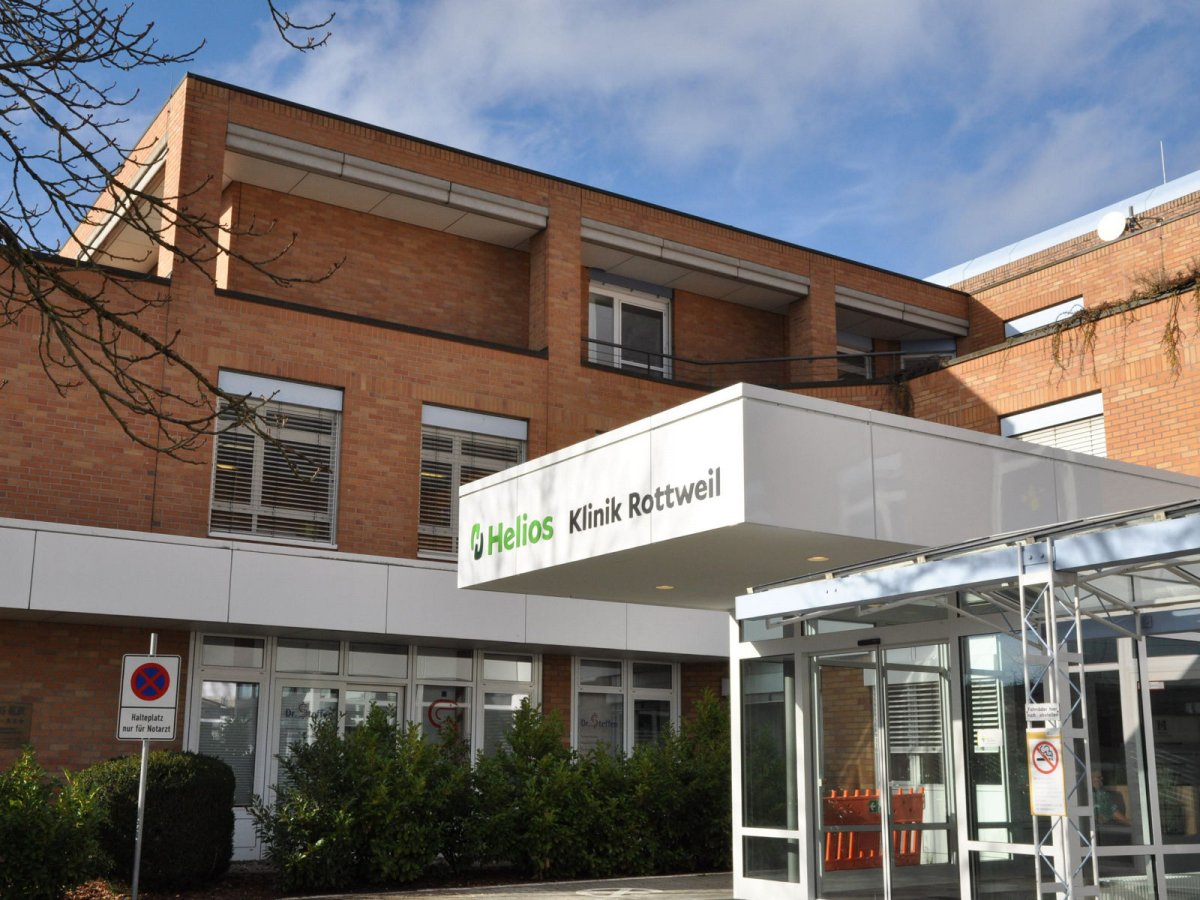




Descripción general de Reparación de hipospadias en Alemania
- Depósito de Bookimed: 200 $ o 200 €.
- Depósito de la clínica: Pague un porcentaje fijo por adelantado.
Historias en video de pacientes de Bookimed
Reseñas
Todas las reseñasCompartir contenido
 Olena Sikoza
Preguntas frecuentes sobre Reparación de hipospadias en Alemania
¿Por qué elegir Alemania para la reparación de hipospadias?
Alemania es un destino de primer nivel para la reparación de hipospadias debido a su concentración de especialistas en urología pediátrica de alto volumen y su infraestructura médica avanzada. Las clínicas alemanas ofrecen tasas de éxito superiores mediante técnicas mínimamente invasivas, atención pediátrica especializada y una planificación quirúrgica integral tanto para casos primarios como para revisiones complejas.
- Experiencia quirúrgica: Cirujanos como el Prof. Dr. Ahmed Hadidi han realizado más de 6,000 procedimientos exitosos.
- Infraestructura clínica: Centros como la Clínica Urológica Munich-Planegg se encuentran entre los mejores para atención especializada.
- Alto volumen: El Hospital Universitario Helios de Wuppertal trata a 150,000 pacientes al año en 28 departamentos expertos.
- Casos complejos: Los centros alemanes se especializan en corregir la curvatura peneana (chordee) y reparaciones fallidas previas realizadas en el extranjero.
Perspectiva del experto de Bookimed: Alemania ocupa una posición única como uno de los 3 principales destinos mundiales para urología según las solicitudes en nuestro servidor. Si bien muchos países ofrecen reparaciones rutinarias, Alemania se elige específicamente para la reconstrucción en escenarios complejos o de "reintervención". Nuestros datos muestran que los pacientes priorizan las clínicas u
¿Existen riesgos de complicaciones?
La reparación de hipospadias en Alemania es segura cuando se realiza en centros pediátricos especializados. Las posibles complicaciones incluyen fístulas uretrocutáneas, estenosis del meato o dehiscencia del glande. Los hospitales universitarios alemanes minimizan estos riesgos mediante técnicas microquirúrgicas avanzadas y equipos de urología pediátrica altamente experimentados que se especializan en procedimientos reconstructivos.
- Fístula uretrocutánea: Pueden desarrollarse pequeñas fugas en el nuevo canal urinario.
- Estenosis del meato: Las cicatrices pueden estrechar la abertura urinaria, afectando la fuerza del flujo.
- Dehiscencia glandular: La punta reconstruida del pene puede separarse parcialmente.
- Cirugía de revisión: Los casos complejos pueden requerir una segunda etapa para la corrección final.
Perspectiva del experto de Bookimed: Alemania atrae a muchos pacientes internacionales porque sus hospitales universitarios priorizan la especialización de alto volumen. El Hospital Universitario Helios de Wuppertal atiende a 150,000 pacientes al año. Este volumen asegura que los cirujanos manejen casos reconstructivos complejos diariamente. Dicha experiencia se correlaciona directamente con menores tasas de complicaciones a largo plazo para los pacientes pediátricos.
Consenso de los pacientes: Los pacientes enfat
¿Cuándo es el mejor momento para la cirugía de hipospadias en Alemania?
Los urólogos pediátricos alemanes recomiendan realizar la cirugía de hipospadias entre los 6 y 18 meses de edad. Operar dentro de este período garantiza una elasticidad tisular óptima y una cicatrización rápida. También previene traumas psicológicos al completar la corrección antes de que el niño desarrolle conciencia genital o ansiedad social.
- Curación óptima: Los tejidos del pene son suaves y elásticos durante la primera infancia.
- Beneficio psicológico: La cirugía temprana evita el estrés emocional a largo plazo relacionado con la apariencia genital.
- Ventajas anatómicas: La disponibilidad suficiente de piel permite una reconstrucción precisa en la mayoría de los casos.
- Complejidad quirúrgica: Los casos moderados se programan frecuentemente alrededor del primer año de vida.
Perspectiva del experto de Bookimed: Si bien la edad es vital, los cirujanos alemanes a menudo priorizan el tamaño del pene sobre una fecha de cumpleaños estricta. En el Hospital Universitario Helios de Wuppertal, los urólogos evalúan primero el peso y el desarrollo anatómico del niño. El momento puede variar ligeramente para garantizar que el paciente tolere de forma segura la anestesia durante la duración requerida.
Consenso de los pacientes: Los padres encontraron que el primer año es ideal para gestionar la logística de la recuperación. N
¿Cómo es el proceso de recuperación?
La recuperación de la corrección de hipospadias en Alemania generalmente implica una estancia hospitalaria de 2 a 7 días. La curación se centra en el cuidado de la herida quirúrgica y el manejo del catéter. Los pacientes suelen volver a sus actividades normales en un plazo de 2 a 3 semanas siguiendo protocolos especializados de urología pediátrica en centros acreditados por la JCI.
- Cuidado del catéter: Los pacientes usan un catéter durante 5 a 14 días para garantizar una curación adecuada.
- Incomodidad inicial: Los primeros 2 a 3 días representan generalmente la fase de recuperación más desafiante.
- Límites de actividad: Los niños deben evitar juguetes de montar o juegos extenuantes durante al menos 4 semanas.
- Protección de la herida: Las técnicas especializadas de doble pañal ayudan a mantener el sitio quirúrgico seco y estable.
Perspectiva del experto de Bookimed: Los hospitales universitarios alemanes como Helios Wuppertal tratan a 150.000 pacientes al año con equipos multidisciplinarios. Nuestros datos muestran que estos grandes centros proporcionan protocolos escritos muy específicos para el cuidado en el hogar. Este nivel de detalle reduce significativamente los reingresos de emergencia por problemas de catéter. Elija una clínica que ofrezca apoyo de coordinación 24/7 para preguntas después del alta.
Consenso de los p
¿Afectará la cirugía a la función sexual en el futuro?
La corrección de hipospadias en Alemania está diseñada para preservar la función sexual normal y la salud reproductiva. Los urólogos especialistas se centran en la alineación recta del pene y la reconstrucción uretral. La mayoría de los pacientes logran una funcionalidad completa sin problemas de erección a largo plazo ni pérdida de sensibilidad. Las complicaciones que afectan la salud sexual son raras en manos experimentadas.
- Alineación uretral: La reconstrucción asegura un pene recto, lo cual es vital para erecciones sin dolor.
- Preservación de la sensibilidad: Las técnicas modernas de preservación de nervios protegen la sensibilidad durante el proceso de reconstrucción quirúrgica.
- Función eréctil: Las tasas de éxito para mantener la calidad de la erección se mantienen constantemente altas después de la cirugía pediátrica.
- Estándares alemanes: Clínicas como el Hospital Universitario Helios de Wuppertal cumplen con los estándares de la Sociedad Alemana del Cáncer.
Perspectiva del experto de Bookimed: Alemania ocupa el tercer lugar a nivel mundial en solicitudes de urología en nuestra plataforma. Los centros de gran volumen como el Hospital Universitario Helios de Wuppertal tratan a 150.000 pacientes al año. Esta escala masiva garantiza que los cirujanos mantengan las habilidades necesarias para una reconstrucción pediátrica delicada. Su
¿Cuánto dura la cirugía de corrección de hipospadias?
La corrección de hipospadias en Alemania suele durar de 1 a 3 horas bajo anestesia general. Los urólogos pediátricos en centros importantes como el Hospital Universitario Helios de Wuppertal determinan la duración según la ubicación de la apertura uretral. Las reparaciones proximales complejas o las reconstrucciones en varias etapas a menudo superan las 3 horas para garantizar resultados funcionales.
- Casos distales: Las reparaciones simples para casos leves suelen tomar de 60 a 120 minutos.
- Casos proximales: El desplazamiento severo o la reconstrucción compleja requiere 3 o más horas quirúrgicas.
- Tiempo en el hospital: Espere varias horas adicionales para la inducción de la anestesia y el monitoreo postoperatorio.
- Etapas quirúrgicas: La mayoría de los procedimientos son de una sola etapa, aunque los casos complejos requieren dos cirugías separadas.
Perspectiva del experto de Bookimed: Alemania ocupa el tercer lugar a nivel mundial en nuestra base de datos para solicitudes de urología. Los centros de gran volumen como el Hospital Helios de Wuppertal tratan a 150.000 pacientes al año. Esta escala masiva a menudo se traduce en equipos pediátricos altamente especializados. Estos equipos manejan casos proximales complejos que las clínicas regionales más pequeñas podrían derivar.
Consenso de los pacientes: Los padres e
¿Tendrá mi hijo que quedarse en el hospital?
Los niños que se someten a una reparación de hipospadias en Alemania normalmente permanecen 1 noche en el hospital. Si bien los casos simples pueden permitir el alta el mismo día, las clínicas alemanas como el Helios University Hospital Wuppertal a menudo priorizan la observación durante la noche. Esto asegura una producción de orina estable y un manejo profesional de los apósitos quirúrgicos iniciales.
- Duración de la admisión: La mayoría de los pacientes permanecen 1 noche para observación. Las reparaciones complejas de varias etapas pueden requerir 2 noches.
- Criterios de alta: Los niños deben beber bien y mostrar niveles de dolor cómodos antes de regresar a casa.
- Manejo del catéter: Los cirujanos confirman el funcionamiento adecuado del catéter y capacitan a los padres en el cuidado domiciliario antes del alta.
- Entorno clínico: Los procedimientos se realizan en departamentos de urología especializados dentro de grandes centros académicos como Helios Wuppertal.
Opinión de expertos de Bookimed: Los protocolos quirúrgicos alemanes se inclinan hacia una recuperación conservadora en comparación con otras regiones. Incluso para reparaciones menores, las clínicas a menudo incluyen una estadía obligatoria de 24 horas para monitorear sangrados postoperatorios tempranos. Este enfoque reduce el riesgo de reingresos de emergencia por ajustes de a
¿Qué hospitales en Alemania tienen las calificaciones más altas en neurocirugía?
Alemania alberga algunos de los departamentos de neurocirugía más prestigiosos del mundo, liderados por la Charité – Universitätsmedizin Berlin y el Hospital Universitario de Heidelberg. Estos centros destacan en el tratamiento de tumores cerebrales complejos y enfermedades cerebrovasculares. Para maximizar la eficacia de sus procedimientos, utilizan tecnologías de vanguardia como la resonancia magnética intraoperatoria y la neuronavegación asistida por computadora.
- Charité Berlín: Realiza más de 5000 cirugías al año. La clínica está dirigida por el reconocido neurocirujano Dr. Peter Vaikoczy.
- Centro Médico Solingen: El Dr. Ralf Buhl ha realizado más de 4.000 cirugías, incluidas cirugías de columna mínimamente invasivas.
- Clínica Asklepios Nord: equipada con el único sistema de resonancia magnética intraoperatoria bilateral de Alemania para garantizar precisión quirúrgica en tiempo real durante la extirpación del tumor.
- Clínica Nordwest: reconocida por la revista Newsweek como un hospital líder por su innovación en tecnología de ultrasonido 3D.
Opinión experta de Bookimed: Los datos muestran que elegir centros con un alto volumen quirúrgico suele llevar a recomendaciones de tratamiento más conservadoras. En el Centro Médico Solingen, que atiende a más de 60.000 pacientes al año, los cirujanos suelen sugerir fisioterapia en lugar de cirugía
¿Cuáles son las tasas de éxito de los procedimientos neuroquirúrgicos complejos en Alemania?
En Alemania, los procedimientos neuroquirúrgicos de alta complejidad demuestran una seguridad excepcional. Las tasas de éxito en las fusiones espinales alcanzan el 99 %. La tasa de supervivencia en las resecciones de tumores cerebrales primarios es del 97 %. La independencia funcional es alta. Más del 82 % de los pacientes reciben el alta inmediatamente después del tratamiento. Los centros alemanes priorizan la preservación de la función neurológica mediante técnicas modernas de mapeo.
- Resección de tumores: los cirujanos logran una resección tumoral completa en el 87,2% de los casos de metástasis cerebrales.
- Éxito en el tratamiento de enfermedades vasculares: los hospitales alemanes informan de una tasa de supervivencia del 98,7% para aneurismas no rotos.
- Mejora del estado neurológico: casi el 43% de los pacientes experimentan una mejora de los parámetros funcionales después de resecciones complejas.
- Seguridad de las intervenciones quirúrgicas: En grandes centros quirúrgicos, las tasas de supervivencia de los pacientes después de la cirugía de columna son del 98-99%.
Opinión experta de Bookimed: Cirujanos experimentados como el Dr. Uwe Köhler, de la Clínica Asklepios Altona, realizan más de 2000 cirugías al año. Los datos muestran que estos especialistas mantienen tasas de éxito de hasta el 90 %, incluso en los tumores cerebrales más comp
¿Qué tecnologías avanzadas suelen estar disponibles en las clínicas neuroquirúrgicas alemanas?
Las clínicas neuroquirúrgicas alemanas incorporan regularmente instrumentos digitales de alta precisión y visualización en tiempo real a la práctica quirúrgica. Entre las tecnologías clave se encuentra la neuronavegación computarizada para cirugías de cerebro y médula espinal. Instituciones como la Clínica Asklepios Nord utilizan la resonancia magnética intraoperatoria para verificar la extirpación de tumores en tiempo real. Estos sistemas proporcionan a los cirujanos navegación GPS 3D.
- Neuronavegación: proporciona visualización 3D y seguimiento de instrumentos en tiempo real para lograr precisión quirúrgica hasta el nivel submilimétrico.
- Imágenes intraoperatorias: sistemas como iMRI y O-arm CT permiten la confirmación inmediata de una resección exitosa.
- Neuromonitorización: Monitorea las funciones motoras y sensoriales durante la cirugía para proteger el sistema nervioso.
- Diagnóstico de fluorescencia: se utiliza el colorante 5-ALA para resaltar los bordes del tumor para una eliminación más completa.
- Asistencia robótica: Sistemas como el Da Vinci mejoran la precisión en procedimientos complejos y mínimamente invasivos.
Opinión experta de Bookimed: Grandes centros como la Charité – Universitätsmedizin de Berlín realizan más de 4000 procedimientos neuroquirúrgicos al año, lo que crea un entorno rico en datos para p