Miomectomía histeroscópica en Alemania: clínica verificada y sus precios


Revisado médicamente por
Fahad Mawlood
¿Cuál es el precio de Miomectomía histeroscópica en Alemania? Descubra ahora
El costo de la miomectomía histeroscópica en Alemania suele oscilar entre $3,300 y $5,400. Los precios varían según la clínica, la experiencia del cirujano, la cantidad y el tamaño de los miomas extraídos, y si se requiere imagenología avanzada o anestesia. UU.
Las clínicas alemanas suelen incluir la evaluación preoperatoria, el procedimiento histeroscópico, la anestesia, una breve estancia hospitalaria y el seguimiento inicial. En EE. UU., el precio anunciado a menudo cubre solo los honorarios del cirujano y la instalación, mientras que la anestesia, la patología y los seguimientos se facturan por separado. Siempre confirmar exactamente qué está incluido en cada clínica.
Sus beneficios y garantías con Bookimed
Precios directos
Bookimed no añade cargos adicionales a los precios de Miomectomía histeroscópica. Las tarifas proceden de las listas de precios oficiales de las clínicas. Pagará directamente en la clínica por su Miomectomía histeroscópica a su llegada al país.
Sólo clínicas y médicos verificados
Bookimed está comprometido con su seguridad. Solo trabajamos con las clínicas que mantienen altos estándares internacionales en Miomectomía histeroscópica y tienen las licencias necesarias para atender a pacientes internacionales en todo el mundo.
Asistencia 24/7 gratuita
Bookimed ofrece asistencia experta gratuita. Un coordinador médico personal le apoya antes, durante y después del tratamiento, resolviendo cualquier problema. Nunca estará solo en su viaje médico de Miomectomía histeroscópica.

Su coordinador médico personal de Bookimed
- Le apoya en cada etapa
- Ayuda a elegir la clínica y el médico adecuados
- Asegura un acceso rápido y conveniente a la información
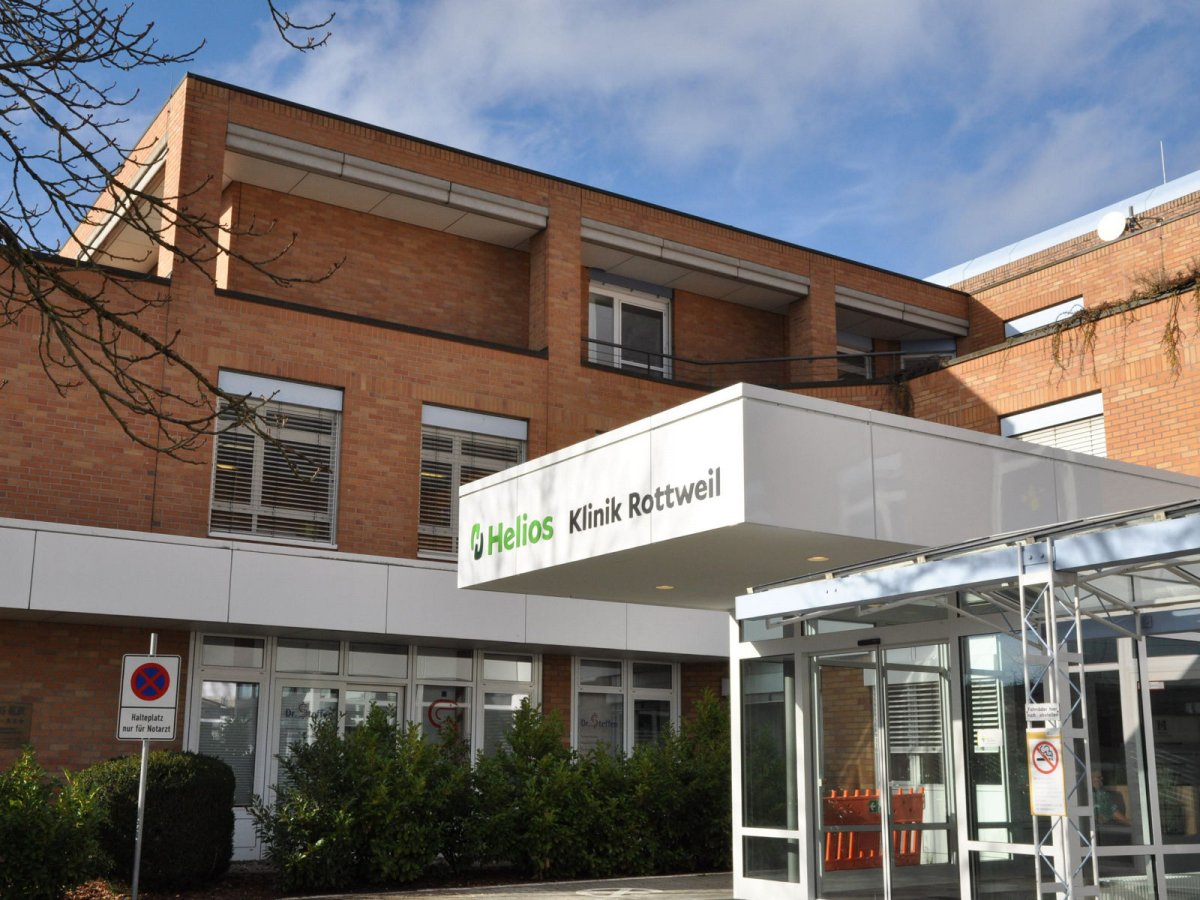
Descubra las mejores clínicas de Miomectomía histeroscópica en Alemania: 1 opciones verificadas y Precios

Descripción general de Miomectomía histeroscópica en Alemania
- Depósito de Bookimed: 200 $ o 200 €.
- Depósito de la clínica: Pague un porcentaje fijo por adelantado.
Obtenga una evaluación médica para Miomectomía histeroscópica en Alemania: Elija su especialista entre los mejores en el campo
Ver todos los médicos
Séverine Iborra
La Dra. Séverine Iborra dirige el Departamento de Ginecología y Obstetricia del Städtisches Klinikum Solingen, especializándose en procedimientos mínimamente invasivos como la miomectomía histeroscópica.
- Certificada en ginecología y obstetricia con más de 15 años de experiencia
- Certificada en oncología ginecológica y obstetricia especial
- Utiliza técnicas avanzadas que incluyen laparoscopia y el sistema robótico Da Vinci
- Miembro activo de las principales sociedades médicas alemanas
Historias en video de pacientes de Bookimed
Compartir contenido
 Olena Sikoza
Preguntas frecuentes sobre Miomectomía histeroscópica en Alemania
¿Qué es una miomectomía histeroscópica y para quién es adecuada?
La miomectomía histeroscópica es un procedimiento quirúrgico sin incisiones que elimina los fibromas submucosos a través del canal vaginal y el cuello uterino. Es ideal para pacientes con fibromas que sobresalen en la cavidad uterina y que experimentan sangrado menstrual abundante, anemia o infertilidad, mientras buscan preservar su útero y fertilidad.
- Enfoque quirúrgico: Los médicos utilizan un histeroscopio y resectoscopio delgados sin realizar incisiones abdominales.
- Candidatas adecuadas: Ideal para fibromas submucosos clasificados como FIGO tipo 0, 1 o 2.
- Tiempo de recuperación: Las pacientes generalmente regresan a casa el mismo día con una recuperación total de 2 a 3 días.
- Enfoque en fertilidad: Este método elimina eficazmente los crecimientos que distorsionan la cavidad para mejorar los resultados del embarazo.
Opinión experta de Bookimed: Clínicas alemanas como el Helios University Hospital Wuppertal tratan a 150,000 pacientes anualmente utilizando diagnósticos avanzados. Especialistas como la Dra. Séverine Iborra en el Centro Médico de Solingen enfatizan primero la resonancia magnética o la sonohisterografía. Esta precisión garantiza que el fibroma sea accesible mediante histeroscopia en lugar de necesitar una cirugía laparoscópica más invasiva.
Consenso de pacientes: Muchos informes destacan el alivio d
¿Puedo quedar embarazada después de una miomectomía histeroscópica?
Puede quedar embarazada después de una miomectomía histeroscópica. Este procedimiento preserva el útero y mejora la fertilidad al eliminar los fibromas submucosos que bloquean la implantación. Las tasas de éxito oscilan entre el 60% y el 90% en Alemania, donde los cirujanos enfatizan las técnicas mínimamente invasivas para proteger el revestimiento uterino.
- Perspectiva de fertilidad: La eliminación de los fibromas que sobresalen en la cavidad aumenta significativamente las tasas de concepción natural.
- Curación típica: La mayoría de las pacientes requieren 3 meses para que la pared uterina sane por completo.
- Enfoque quirúrgico: Los especialistas alemanes como la Dra. Séverine Iborra utilizan histeroscopia avanzada para evitar cicatrices.
- Revisión postoperatoria: Los cirujanos suelen realizar exploraciones de seguimiento para confirmar que la cavidad está despejada.
Opinión experta de Bookimed: Aunque muchos se centran en la cirugía, la fase de curación es el verdadero factor diferenciador. En Alemania, los hospitales universitarios como Helios Wuppertal aprovechan los estándares de oncología intervencionista para casos benignos. Esto garantiza una precisión que minimiza las adherencias intrauterinas. Este nivel de precisión técnica es la razón por la que las clínicas alemanas siguen siendo una opción mundial superior para la preservación
¿Existen tipos o tamaños específicos de fibromas que se puedan tratar?
Los ginecólogos alemanes tratan fibromas submucosos, intramurales y subserosos que van desde 1 hasta más de 10 centímetros. La miomectomía histeroscópica se dirige específicamente a los fibromas submucosos dentro de la cavidad uterina. Las decisiones de tratamiento priorizan la ubicación y los síntomas, como sangrado abundante o problemas de fertilidad, por encima del tamaño, para garantizar resultados óptimos.
- Fibromas submucosos: Crecen dentro de la cavidad uterina y son ideales para la extirpación histeroscópica.
- Tamaño de los fibromas: Los cirujanos tratan crecimientos pequeños de 1-5 cm y grandes fibromas sintomáticos que superan los 10 cm.
- Clasificación FIGO: Los médicos utilizan la estadificación FIGO para determinar qué tan profundamente se incrustan los fibromas en el músculo.
- Procedimientos por etapas: Los cirujanos pueden extirpar fibromas grandes o profundamente incrustados en dos sesiones separadas.
Opinión experta de Bookimed: Centros alemanes como el Hospital Universitario Helios de Wuppertal gestionan grandes volúmenes con 150,000 pacientes al año. Observamos que especialistas de alto nivel como la Dra. Séverine Iborra en el Medical Center de Solingen poseen doble certificación en oncología y obstetricia. Esta experiencia avanzada les permite tratar fibromas complejos que otras clínicas podrían calificar como inoperables
¿Cuánto dura la recuperación y tendré cicatrices visibles?
La miomectomía histeroscópica en Alemania no requiere incisiones externas, por lo que no deja cicatrices visibles. La mayoría de las pacientes se recuperan en un plazo de 1 a 3 días. Este enfoque endoscópico a través de la vagina permite a cirujanos como la Dra. Séverine Iborra extirpar los fibromas preservando totalmente el útero.
- Sin cicatrices visibles: Los procedimientos se realizan a través de orificios naturales, lo que garantiza la ausencia de incisiones abdominales o en la piel externa.
- Recuperación rápida: Las pacientes suelen retomar sus actividades cotidianas ligeras en un plazo de 24 a 72 horas.
- Estancia hospitalaria corta: Las clínicas alemanas a menudo ofrecen el alta el mismo día o una noche de observación para monitoreo.
- Manejo de síntomas: Los calambres leves, el manchado y la hinchazón son comunes, pero desaparecen en pocos días.
Opinión experta de Bookimed: Aunque la recuperación es rápida, el tamaño del fibroma determina su comodidad inmediata. Los datos muestran que las resecciones más grandes suelen provocar calambres temporales más intensos. Los centros especializados como el Medical Center de Solingen se centran en técnicas conservadoras que preservan el útero para minimizar estos efectos postoperatorios.
Consenso de las pacientes: Las pacientes suelen sentirse recuperadas en un plazo de 3
¿Qué técnicas avanzadas utilizan los cirujanos alemanes?
Los cirujanos alemanes utilizan técnicas mínimamente invasivas avanzadas como la miomectomía robótica Da Vinci y la histeroscopia de alta definición para extirpar miomas. Estos métodos aprovechan la distensión salina precisa y las herramientas de resección electrónica, lo que garantiza tiempos de recuperación más cortos y la máxima preservación del tejido uterino sano para las pacientes.
- Enfoque mínimamente invasivo: Instalaciones como el Centro Médico de Solingen realizan casi todos los procedimientos ginecológicos por laparoscopia.
- Sistemas robóticos: Los cirujanos utilizan plataformas Da Vinci para la resección de alta precisión de miomas complejos o profundos.
- Imágenes de alta definición: Los histeroscopios avanzados proporcionan una visualización superior para la extracción mecánica o electroquirúrgica de miomas.
- Estándares oncológicos certificados: El Hospital Universitario Helios de Wuppertal mantiene certificados de la Sociedad Alemana del Cáncer y de la IASIOS.
Perspectiva del experto de Bookimed: Las clínicas alemanas a menudo superan a otras al combinar la investigación en oncología molecular con la práctica quirúrgica. Médicos jefes como la Dra. Séverine Iborra en Solingen poseen doctorados en investigación molecular. Esto les ayuda a identificar qué miomas submucosos son más adecuados para la resección histeroscópica de una
¿Qué hace que Alemania sea un destino preferido para la miomectomía histeroscópica?
Alemania sigue siendo un líder mundial en miomectomía histeroscópica gracias a centros ginecológicos especializados que logran tasas de eficacia del 90-95 %. Los especialistas alemanes se centran en la preservación de la fertilidad mediante técnicas mínimamente invasivas que eliminan los fibromas a través del canal natural, eliminando las incisiones abdominales y permitiendo generalmente la recuperación en 2 semanas.
- Precisión tecnológica: Los cirujanos utilizan imágenes de alta definición e instrumentos de electrocirugía avanzados para un mapeo complejo de fibromas.
- Experiencia especializada: Especialistas líderes como la Dra. Séverine Iborra en el Medical Center Solingen utilizan sistemas asistidos por robot.
- Acreditación de calidad: Las instalaciones mantienen estrictos estándares de seguridad verificados por la Sociedad Alemana del Cáncer y certificaciones KTQ.
- Coordinación eficiente: Los pacientes se benefician de diagnósticos optimizados que incluyen sonografía salina y revisiones de resonancia magnética antes de la cirugía.
Perspectiva de expertos de Bookimed: Alemania ocupa el segundo lugar a nivel mundial en turismo médico en Bookimed, principalmente debido a la previsibilidad clínica. Mientras que otras regiones se centran en el costo, los hospitales universitarios alemanes como Helios Wuppertal aprovechan 150.000 casos de pac
¿Qué hospitales en Alemania tienen las calificaciones más altas en neurocirugía?
Alemania alberga algunos de los departamentos de neurocirugía más prestigiosos del mundo, liderados por la Charité – Universitätsmedizin Berlin y el Hospital Universitario de Heidelberg. Estos centros destacan en el tratamiento de tumores cerebrales complejos y enfermedades cerebrovasculares. Para maximizar la eficacia de sus procedimientos, utilizan tecnologías de vanguardia como la resonancia magnética intraoperatoria y la neuronavegación asistida por computadora.
- Charité Berlín: Realiza más de 5000 cirugías al año. La clínica está dirigida por el reconocido neurocirujano Dr. Peter Vaikoczy.
- Centro Médico Solingen: El Dr. Ralf Buhl ha realizado más de 4.000 cirugías, incluidas cirugías de columna mínimamente invasivas.
- Clínica Asklepios Nord: equipada con el único sistema de resonancia magnética intraoperatoria bilateral de Alemania para garantizar precisión quirúrgica en tiempo real durante la extirpación del tumor.
- Clínica Nordwest: reconocida por la revista Newsweek como un hospital líder por su innovación en tecnología de ultrasonido 3D.
Opinión experta de Bookimed: Los datos muestran que elegir centros con un alto volumen quirúrgico suele llevar a recomendaciones de tratamiento más conservadoras. En el Centro Médico Solingen, que atiende a más de 60.000 pacientes al año, los cirujanos suelen sugerir fisioterapia en lugar de cirugía
¿Cuáles son las tasas de éxito de los procedimientos neuroquirúrgicos complejos en Alemania?
En Alemania, los procedimientos neuroquirúrgicos de alta complejidad demuestran una seguridad excepcional. Las tasas de éxito en las fusiones espinales alcanzan el 99 %. La tasa de supervivencia en las resecciones de tumores cerebrales primarios es del 97 %. La independencia funcional es alta. Más del 82 % de los pacientes reciben el alta inmediatamente después del tratamiento. Los centros alemanes priorizan la preservación de la función neurológica mediante técnicas modernas de mapeo.
- Resección de tumores: los cirujanos logran una resección tumoral completa en el 87,2% de los casos de metástasis cerebrales.
- Éxito en el tratamiento de enfermedades vasculares: los hospitales alemanes informan de una tasa de supervivencia del 98,7% para aneurismas no rotos.
- Mejora del estado neurológico: casi el 43% de los pacientes experimentan una mejora de los parámetros funcionales después de resecciones complejas.
- Seguridad de las intervenciones quirúrgicas: En grandes centros quirúrgicos, las tasas de supervivencia de los pacientes después de la cirugía de columna son del 98-99%.
Opinión experta de Bookimed: Cirujanos experimentados como el Dr. Uwe Köhler, de la Clínica Asklepios Altona, realizan más de 2000 cirugías al año. Los datos muestran que estos especialistas mantienen tasas de éxito de hasta el 90 %, incluso en los tumores cerebrales más comp
¿Qué tecnologías avanzadas suelen estar disponibles en las clínicas neuroquirúrgicas alemanas?
Las clínicas neuroquirúrgicas alemanas incorporan regularmente instrumentos digitales de alta precisión y visualización en tiempo real a la práctica quirúrgica. Entre las tecnologías clave se encuentra la neuronavegación computarizada para cirugías de cerebro y médula espinal. Instituciones como la Clínica Asklepios Nord utilizan la resonancia magnética intraoperatoria para verificar la extirpación de tumores en tiempo real. Estos sistemas proporcionan a los cirujanos navegación GPS 3D.
- Neuronavegación: proporciona visualización 3D y seguimiento de instrumentos en tiempo real para lograr precisión quirúrgica hasta el nivel submilimétrico.
- Imágenes intraoperatorias: sistemas como iMRI y O-arm CT permiten la confirmación inmediata de una resección exitosa.
- Neuromonitorización: Monitorea las funciones motoras y sensoriales durante la cirugía para proteger el sistema nervioso.
- Diagnóstico de fluorescencia: se utiliza el colorante 5-ALA para resaltar los bordes del tumor para una eliminación más completa.
- Asistencia robótica: Sistemas como el Da Vinci mejoran la precisión en procedimientos complejos y mínimamente invasivos.
Opinión experta de Bookimed: Grandes centros como la Charité – Universitätsmedizin de Berlín realizan más de 4000 procedimientos neuroquirúrgicos al año, lo que crea un entorno rico en datos para p
¿Qué formación especializada reciben los neurocirujanos en ejercicio en Alemania?
En Alemania, los neurocirujanos deben completar una residencia especializada de seis años tras graduarse de la facultad de medicina. Este programa estructurado incluye cuidados intensivos, práctica clínica y una revista quirúrgica obligatoria. Posteriormente, los candidatos aprueban un examen estatal para obtener el título de residente (Facharzt für Neurochirurgie).
- Residencia clínica: requiere de 48 a 72 meses de práctica neuroquirúrgica especializada.
- Cuidados intensivos: incluye una pasantía obligatoria de 6 meses en una unidad de cuidados intensivos neuroquirúrgicos.
- Revista quirúrgica: los cirujanos documentan cientos de cirugías, incluidas craneotomías y cirugías de columna.
- Examen de licencia: Los solicitantes deben aprobar un examen médico oral y práctico administrado por el estado.
Opinión experta de Bookimed: La formación neuroquirúrgica alemana se centra en una amplia experiencia quirúrgica. Por ejemplo, el Dr. Ralf Buhl, del Centro Médico Solingen, ha realizado más de 4000 cirugías. El Dr. Jürgen Kiwit, del Hospital Meoklinik, cuenta con más de 25 años de experiencia. Este riguroso sistema garantiza que los especialistas de los principales centros aborden casos complejos con una precisión demostrada.
Comentarios de los pacientes: Los pacientes se sienten seguros al saber que sus médicos han recibido año