Polipectomía histeroscópica en Alemania — obtén 3 clínicas con costos


Revisado médicamente por
Fahad Mawlood
¿Cuál es el precio de Polipectomía histeroscópica en Alemania? Descubra ahora
El costo de la polipectomía histeroscópica en Alemania suele oscilar entre $1,600 y $2,900. El precio depende de factores como el hospital, la experiencia del ginecólogo, si se utiliza anestesia local o general y la complejidad de la extracción del pólipo. UU.
Las clínicas alemanas suelen incluir la consulta preoperatoria, la anestesia, el procedimiento histeroscópico, la extracción del pólipo, el análisis patológico y una visita de seguimiento. En EE. UU., las tarifas de las instalaciones, la anestesia, la patología y el seguimiento suelen facturarse por separado de los honorarios del cirujano. Siempre confirmar qué servicios están incluidos en el paquete en cada clínica.
| Alemania | España | Turquía | |
| Polipectomía histeroscópica | ≈ $1,600 | ≈ $1,500 | de $3,400 |
Sus beneficios y garantías con Bookimed
Precios directos
Bookimed no añade cargos adicionales a los precios de Polipectomía histeroscópica. Las tarifas proceden de las listas de precios oficiales de las clínicas. Pagará directamente en la clínica por su Polipectomía histeroscópica a su llegada al país.
Sólo clínicas y médicos verificados
Bookimed está comprometido con su seguridad. Solo trabajamos con las clínicas que mantienen altos estándares internacionales en Polipectomía histeroscópica y tienen las licencias necesarias para atender a pacientes internacionales en todo el mundo.
Asistencia 24/7 gratuita
Bookimed ofrece asistencia experta gratuita. Un coordinador médico personal le apoya antes, durante y después del tratamiento, resolviendo cualquier problema. Nunca estará solo en su viaje médico de Polipectomía histeroscópica.

Su coordinador médico personal de Bookimed
- Le apoya en cada etapa
- Ayuda a elegir la clínica y el médico adecuados
- Asegura un acceso rápido y conveniente a la información
Descubra las mejores clínicas de Polipectomía histeroscópica en Alemania: 1 opciones verificadas y Precios
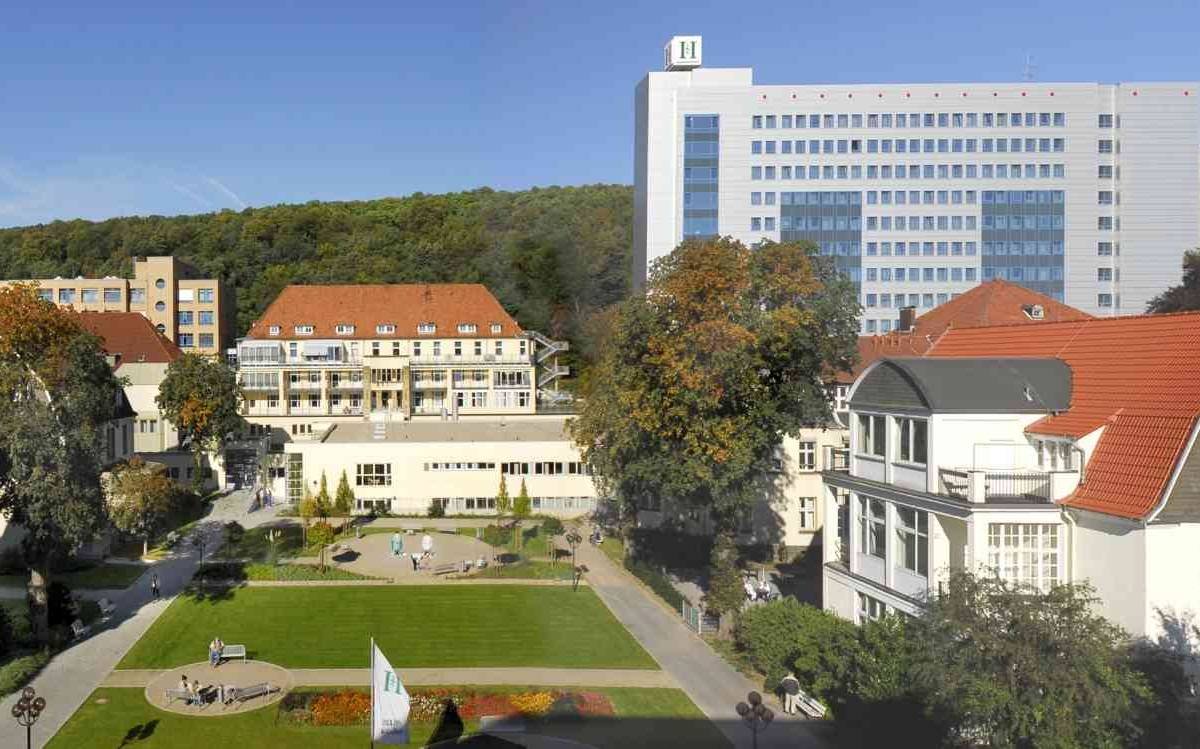

Descripción general de Polipectomía histeroscópica en Alemania
- Depósito de Bookimed: 200 $ o 200 €.
- Depósito de la clínica: Pague un porcentaje fijo por adelantado.
Obtenga una evaluación médica para Polipectomía histeroscópica en Alemania: Elija su especialista entre los mejores en el campo
Ver todos los médicos
Séverine Iborra
La Dra. Séverine Iborra dirige el Departamento de Ginecología y Obstetricia del Städtisches Klinikum Solingen, especializándose en procedimientos mínimamente invasivos como la polipectomía histeroscópica.
- Médico jefe con amplia experiencia en cirugías ginecológicas
- Certificada en oncología ginecológica y uroginecología
- Utiliza técnicas avanzadas que incluyen laparoscopia y cirugía asistida por robot
- Miembro activo de las principales sociedades ginecológicas alemanas
Historias en video de pacientes de Bookimed
Compartir contenido
 Olena Sikoza
Preguntas frecuentes sobre Polipectomía histeroscópica en Alemania
¿La polipectomía histeroscópica afectará mi fertilidad?
La polipectomía histeroscópica afecta positivamente a la fertilidad al eliminar las barreras físicas a la implantación del embrión. Este procedimiento mínimamente invasivo implica la eliminación de pólipos endometriales que actúan como un dispositivo intrauterino natural. La eliminación de estos crecimientos a menudo resuelve el sangrado irregular y aumenta significativamente las tasas de embarazo natural y por FIV.
- Éxito del embarazo: Los estudios muestran tasas de éxito del 40-80% dentro del primer año después de la extracción.
- Mejora de la implantación: La eliminación de pólipos mejora el entorno uterino para la transferencia de embriones durante los ciclos de FIV.
- Mínimamente invasivo: Las clínicas alemanas utilizan la histeroscopia ambulatoria para minimizar el trauma uterino y los riesgos de adherencia.
- Supervisión experta: Cirujanos especializados como la Dra. Séverine Iborra en Solingen tienen doctorados en oncología molecular.
Perspectiva del experto de Bookimed: Los centros ginecológicos alemanes a menudo combinan la histeroscopia diagnóstica con la eliminación inmediata. Elegir a una doctora líder como la Dra. Séverine Iborra en el Centro Médico de Solingen garantiza una experiencia de alto nivel. Sus certificaciones duales en oncología y obstetricia brindan una precisión superior durante procedimientos delicados que preserva
¿Pueden los pólipos ser cancerosos?
Los pólipos uterinos encontrados durante una polipectomía histeroscópica en Alemania son mayoritariamente benignos. Sin embargo, del 5% al 10% pueden ser precancerosos o cancerosos. Los especialistas alemanes utilizan la histeroscopia mínimamente invasiva para extirpar los pólipos. Luego, realizan una patología obligatoria para confirmar el tipo de tejido y descartar malignidad.
- Riesgo de cáncer: Solo del 5% al 10% de los pólipos suelen volverse cancerosos.
- Patología obligatoria: Las clínicas alemanas siempre envían el tejido extirpado para examen microscópico.
- Indicadores de alto riesgo: El sangrado posmenopáusico o un endometrio grueso aumentan la probabilidad de malignidad.
- Beneficio preventivo: La extirpación temprana evita que los adenomas precancerosos se conviertan en cáncer.
Perspectiva de expertos de Bookimed: En Alemania, la fusión de la oncología y la ginecología está altamente integrada. Clínicas como el Hospital Universitario Helios de Wuppertal cuentan con certificaciones de la Sociedad Alemana del Cáncer. Esto garantiza que incluso las extirpaciones "rutinarias" sigan protocolos oncológicos estrictos. Elegir a un especialista como la Dra. Séverine Iborra, que tiene un doctorado en oncología molecular, proporciona una capa adicional de seguridad diagnóstica para casos complejos.
Consenso de pacientes:
¿Está cubierta la polipectomía histeroscópica por el seguro médico alemán?
El seguro médico público y privado alemán generalmente cubre la polipectomía histeroscópica cuando se considera médicamente necesaria. Los proveedores legales incluyen esto como un beneficio estándar para diagnosticar sangrado anormal o infertilidad. La cobertura se aplica tanto a los procedimientos ambulatorios en clínicas como a las hospitalizaciones en centros como el Hospital Universitario Helios de Wuppertal.
- Seguro público: El seguro médico legal (GKV) cubre la cirugía, la anestesia y la patología como beneficios estándar.
- Seguro privado: El seguro médico privado (PKV) proporciona el reembolso basado en planes tarifarios individuales específicos.
- Necesidad médica: Cirujanos como la Dra. Séverine Iborra deben documentar síntomas como dolor o infertilidad.
- Costes del paciente: Se aplican pequeñas tarifas diarias de 10 € para las estancias hospitalarias en hospitales alemanes.
Perspectiva del experto de Bookimed: Las clínicas alemanas distinguen entre la facturación de este procedimiento como una intervención ambulatoria o como un caso hospitalario. Los pacientes en centros de alto volumen como Helios Wuppertal se benefician de una facturación directa sin problemas con las aseguradoras. Solicite siempre una confirmación por escrito de la clínica para la cobertura de patología y anestesia de antemano.
Consenso de los pa
¿El procedimiento se realiza bajo anestesia?
La polipectomía histeroscópica en Alemania suele requerir anestesia general de corta duración o sedación profunda. Estas opciones garantizan la comodidad y la inmovilidad de la paciente. Equipos de anestesia especializados supervisan las constantes vitales durante todo el procedimiento. En algunos casos menores, se puede utilizar anestesia local o medidas de adormecimiento durante las sesiones en consultorio.
- Elección de anestesia: La anestesia general o la sedación dependen del tamaño del pólipo y de la complejidad quirúrgica.
- Protocolos de seguridad: Anestesiólogos certificados monitorean las funciones vitales en hospitales universitarios o acreditados por la JCI.
- Abordaje quirúrgico: La histeroscopia mínimamente invasiva permite el alta el mismo día y una rápida recuperación.
- Experiencia del proveedor: Cirujanos como la Dra. Séverine Iborra realizan estos procedimientos especializados en oncología ginecológica.
Perspectiva del experto de Bookimed: Los hospitales universitarios alemanes como Helios Wuppertal suelen priorizar la anestesia general para las polipectomías. Este enfoque permite a los cirujanos realizar la dilatación y el legrado de forma más eficaz. Nuestros datos muestran que los casos complejos que involucran múltiples pólipos casi siempre utilizan anestesia general.
Consenso de las pacientes: Las
¿Qué ocurre durante una polipectomía histeroscópica?
La polipectomía histeroscópica es un procedimiento quirúrgico mínimamente invasivo que elimina los pólipos uterinos a través del cuello uterino sin incisiones externas. Los cirujanos utilizan un histeroscopio iluminado e instrumentos especializados para separar los crecimientos del revestimiento uterino, realizando a menudo la extracción completa en un tiempo de 10 a 30 minutos.
- Método de acceso: Un histeroscopio fino entra en el útero a través de la abertura natural de la vagina y el cuello uterino.
- Expansión uterina: Una solución salina estéril expande la cavidad uterina para proporcionar una visualización clara a los cirujanos.
- Técnica de eliminación: Pequeñas herramientas quirúrgicas o electrodos de asa cortan y cauterizan los pólipos en su base.
- Análisis de muestras: Todo el tejido extraído se envía a un laboratorio de patología para descartar malignidad.
Opinión de expertos de Bookimed: Las clínicas alemanas, como el Centro Médico de Solingen, combinan frecuentemente la polipectomía con una dilatación y legrado de diagnóstico. Este enfoque dual garantiza que los médicos traten los problemas subyacentes del revestimiento mientras eliminan los pólipos visibles. Para casos complejos, los pacientes pueden acceder a sistemas robóticos Da Vinci de alta precisión en centros de nivel universitario como Helios Wuppertal.
Con
¿Cuánto tiempo dura el periodo de recuperación?
La recuperación tras una polipectomía histeroscópica en Alemania suele ser rápida. La mayoría de los pacientes retoman su trabajo en un plazo de 1 a 3 días. Este procedimiento mínimamente invasivo permite el alta el mismo día. La curación interna completa suele llevar de 1 a 2 semanas, dependiendo de los factores de salud individuales y el tamaño del pólipo.
- Actividades diarias: Los pacientes suelen volver al trabajo de oficina en 1 a 3 días.
- Síntomas físicos: Los calambres leves y el manchado ligero suelen durar de 1 a 2 semanas.
- Cuidados postoperatorios: Evite el uso de tampones y el ejercicio intenso hasta que el sangrado vaginal cese por completo.
- Estándares alemanes: Los protocolos ambulatorios en centros como el Hospital Universitario Helios de Wuppertal priorizan el alta rápida.
Perspectiva del experto de Bookimed: Las clínicas alemanas suelen recurrir a expertos ginecólogos especializados como la Dra. Séverine Iborra, centrados en la oncología molecular. Esta experiencia garantiza una extirpación precisa y un seguimiento diagnóstico exhaustivo. Nuestros datos muestran que los centros alemanes optimizan estos procedimientos como casos ambulatorios. Esto suele reducir las estancias hospitalarias a cero noches para la mayoría de los pacientes internacionales.
Consenso de los pacientes: Espere que la fatiga o
¿Dónde puedo encontrar los mejores hospitales para este procedimiento en Alemania?
Los mejores hospitales alemanes para la polipectomía histeroscópica incluyen grandes centros académicos como el Hospital Universitario Helios de Wuppertal y departamentos especializados como el Centro Médico de Solingen. Estos centros utilizan técnicas mínimamente invasivas y patología molecular avanzada para garantizar una extirpación precisa y un diagnóstico tisular exacto para todas las pacientes ginecológicas.
- Experiencia especializada: La Dra. Séverine Iborra en Solingen se especializa en histeroscopia avanzada e investigación oncológica.
- Centros acreditados: Helios Wuppertal cuenta con certificaciones de la Sociedad Alemana del Cáncer por sus altos estándares de calidad quirúrgica.
- Volumen de procedimientos: Helios Wuppertal trata a 150.000 pacientes al año, lo que garantiza una gran competencia en cirugías rutinarias.
- Diagnóstico avanzado: Los centros líderes integran patología cervical y colposcopia para inspecciones completas de la cavidad uterina.
Perspectiva del experto de Bookimed: Aunque los hospitales universitarios tienen fama mundial, los departamentos ginecológicos especializados en centros regionales a menudo brindan una atención más personalizada. Por ejemplo, el equipo de ginecología de Solingen ofrece experiencia específica en reconstrucción pélvica y uroginecología. Esta profunda especialización puede ser más benef
¿Qué hospitales en Alemania tienen las calificaciones más altas en neurocirugía?
Alemania alberga algunos de los departamentos de neurocirugía más prestigiosos del mundo, liderados por la Charité – Universitätsmedizin Berlin y el Hospital Universitario de Heidelberg. Estos centros destacan en el tratamiento de tumores cerebrales complejos y enfermedades cerebrovasculares. Para maximizar la eficacia de sus procedimientos, utilizan tecnologías de vanguardia como la resonancia magnética intraoperatoria y la neuronavegación asistida por computadora.
- Charité Berlín: Realiza más de 5000 cirugías al año. La clínica está dirigida por el reconocido neurocirujano Dr. Peter Vaikoczy.
- Centro Médico Solingen: El Dr. Ralf Buhl ha realizado más de 4.000 cirugías, incluidas cirugías de columna mínimamente invasivas.
- Clínica Asklepios Nord: equipada con el único sistema de resonancia magnética intraoperatoria bilateral de Alemania para garantizar precisión quirúrgica en tiempo real durante la extirpación del tumor.
- Clínica Nordwest: reconocida por la revista Newsweek como un hospital líder por su innovación en tecnología de ultrasonido 3D.
Opinión experta de Bookimed: Los datos muestran que elegir centros con un alto volumen quirúrgico suele llevar a recomendaciones de tratamiento más conservadoras. En el Centro Médico Solingen, que atiende a más de 60.000 pacientes al año, los cirujanos suelen sugerir fisioterapia en lugar de cirugía
¿Cuáles son las tasas de éxito de los procedimientos neuroquirúrgicos complejos en Alemania?
En Alemania, los procedimientos neuroquirúrgicos de alta complejidad demuestran una seguridad excepcional. Las tasas de éxito en las fusiones espinales alcanzan el 99 %. La tasa de supervivencia en las resecciones de tumores cerebrales primarios es del 97 %. La independencia funcional es alta. Más del 82 % de los pacientes reciben el alta inmediatamente después del tratamiento. Los centros alemanes priorizan la preservación de la función neurológica mediante técnicas modernas de mapeo.
- Resección de tumores: los cirujanos logran una resección tumoral completa en el 87,2% de los casos de metástasis cerebrales.
- Éxito en el tratamiento de enfermedades vasculares: los hospitales alemanes informan de una tasa de supervivencia del 98,7% para aneurismas no rotos.
- Mejora del estado neurológico: casi el 43% de los pacientes experimentan una mejora de los parámetros funcionales después de resecciones complejas.
- Seguridad de las intervenciones quirúrgicas: En grandes centros quirúrgicos, las tasas de supervivencia de los pacientes después de la cirugía de columna son del 98-99%.
Opinión experta de Bookimed: Cirujanos experimentados como el Dr. Uwe Köhler, de la Clínica Asklepios Altona, realizan más de 2000 cirugías al año. Los datos muestran que estos especialistas mantienen tasas de éxito de hasta el 90 %, incluso en los tumores cerebrales más comp
¿Qué tecnologías avanzadas suelen estar disponibles en las clínicas neuroquirúrgicas alemanas?
Las clínicas neuroquirúrgicas alemanas incorporan regularmente instrumentos digitales de alta precisión y visualización en tiempo real a la práctica quirúrgica. Entre las tecnologías clave se encuentra la neuronavegación computarizada para cirugías de cerebro y médula espinal. Instituciones como la Clínica Asklepios Nord utilizan la resonancia magnética intraoperatoria para verificar la extirpación de tumores en tiempo real. Estos sistemas proporcionan a los cirujanos navegación GPS 3D.
- Neuronavegación: proporciona visualización 3D y seguimiento de instrumentos en tiempo real para lograr precisión quirúrgica hasta el nivel submilimétrico.
- Imágenes intraoperatorias: sistemas como iMRI y O-arm CT permiten la confirmación inmediata de una resección exitosa.
- Neuromonitorización: Monitorea las funciones motoras y sensoriales durante la cirugía para proteger el sistema nervioso.
- Diagnóstico de fluorescencia: se utiliza el colorante 5-ALA para resaltar los bordes del tumor para una eliminación más completa.
- Asistencia robótica: Sistemas como el Da Vinci mejoran la precisión en procedimientos complejos y mínimamente invasivos.
Opinión experta de Bookimed: Grandes centros como la Charité – Universitätsmedizin de Berlín realizan más de 4000 procedimientos neuroquirúrgicos al año, lo que crea un entorno rico en datos para p