Otoplastia (cirugía de orejas) en Alemania: clínica verificada y sus precios


Revisado médicamente por
Fahad Mawlood
¿Cuál es el precio de Otoplastia (cirugía de orejas) en Alemania? Descubra ahora
De $3,400. El precio final depende de si la cirugía involucra una o ambas orejas, la técnica utilizada y la ubicación de la clínica. Los pacientes ahorran alrededor de un 42% en comparación con los EE. UU., donde el costo promedio es de $5,900. Los presupuestos generalmente incluyen los honorarios del cirujano, la anestesia y las consultas iniciales.
- Reconstrucción de oreja: de $3,400 para correcciones estructurales complejas.
- Cirugía de levantamiento de orejas: de $3,400.
- Oreja protésica: $3,500 a $7,500.
- Corrección bilateral: A menudo cuesta entre un 15 y un 25 % más que un procedimiento de una sola oreja.
Perspectiva de los expertos de Bookimed: Alemania ofrece experiencia de primer nivel a precios regulados. El Hospital Asklepios Barmbek es un centro clasificado como destacado por Focus. Atiende a 80 000 pacientes internacionales al año. Elegir cirujanos con triple certificación, como el Dr. Walid Eljabu, garantiza una alta calidad. Los costos más elevados en centros como Hamburgo a menudo incluyen acceso a instalaciones de primera calidad y estándares de nivel JCI. Verifique si la anestesia está incluida, ya que algunas clínicas alemanas la enumeran por separado.
| Alemania | España | Estados Unidos | |
|---|---|---|---|
| Otoplastia (cirugía de orejas) | de $3,400 | de $2,300 | ≈ $4,200 |
| Reconstrucción de orejas | de $3,400 | de $10,100 | ≈ $9,000 |
| Prótesis de oreja | ≈ $3,500 | ≈ $1,800 | ≈ $4,500 |
| Extirpación de acrocordones preauriculares | ≈ $650 | ≈ $750 | ≈ $1,500 |
| Cirugía de levantamiento de orejas | de $3,400 | ≈ $2,800 | ≈ $4,500 |
Sus beneficios y garantías con Bookimed
Precios directos
Bookimed no añade cargos adicionales a los precios de Otoplastia (cirugía de orejas). Las tarifas proceden de las listas de precios oficiales de las clínicas. Pagará directamente en la clínica por su Otoplastia (cirugía de orejas) a su llegada al país.
Sólo clínicas y médicos verificados
Bookimed está comprometido con su seguridad. Solo trabajamos con las clínicas que mantienen altos estándares internacionales en Otoplastia (cirugía de orejas) y tienen las licencias necesarias para atender a pacientes internacionales en todo el mundo.
Asistencia 24/7 gratuita
Bookimed ofrece asistencia experta gratuita. Un coordinador médico personal le apoya antes, durante y después del tratamiento, resolviendo cualquier problema. Nunca estará solo en su viaje médico de Otoplastia (cirugía de orejas).

Su coordinador médico personal de Bookimed
- Le apoya en cada etapa
- Ayuda a elegir la clínica y el médico adecuados
- Asegura un acceso rápido y conveniente a la información
Descubra las mejores clínicas de Otoplastia (cirugía de orejas) en Alemania: 1 opciones verificadas y Precios


Otoplastia (cirugía de orejas) en Alemania: cronología día a día
Día 1: Llegada a Alemania
- Llegue a Alemania y regístrese en el alojamiento concertado. Asegúrese de que tiene todos los documentos necesarios, incluidos los historiales médicos y el documento de identidad.
- Póngase en contacto con la clínica para confirmar su llegada y programar las consultas preoperatorias si aún no lo ha hecho.
- Descanse y aclimátese al huso horario local. Así se asegurará de estar bien descansado para la intervención.
Día 2: Consulta preoperatoria
- Debe asistir a una consulta detallada con el cirujano para hablar de la intervención de otoplastia. La elección de la técnica quirúrgica dependerá de los resultados de la evaluación diagnóstica y de sus necesidades específicas.
- Es posible que se le realicen pruebas diagnósticas para asegurarse de que es apto para la cirugía. Esto podría incluir análisis de sangre o pruebas de imagen si el cirujano lo considera necesario.
- Comente cualquier duda o pregunta con el equipo médico. Están ahí para ayudarle y aclararle el procedimiento y los resultados esperados.
- Recibirá una explicación detallada del plan quirúrgico, incluida la forma y posición esperadas de las orejas tras la intervención.
Día 3: Día de la cirugía
- Debe llegar a la clínica a la hora prevista. Asegúrese de estar en ayunas si así se lo indica el equipo médico.
- La intervención de otoplastia se realizará con anestesia local o general, dependiendo de la complejidad de la cirugía y de sus preferencias.
- La cirugía suele consistir en remodelar el cartílago de la oreja para conseguir el aspecto deseado. Pueden emplearse técnicas como la de Mustardé o la de Furnas, adaptadas a sus necesidades específicas.
- Después de la cirugía, se le controlará en una sala de recuperación hasta que desaparezcan los efectos de la anestesia.
Día 4: Cuidados postoperatorios
- Deberá asistir a una revisión postoperatoria en la clínica para asegurarse de que la zona operada está cicatrizando correctamente.
- Recibirá instrucciones sobre el cuidado de las orejas, incluida la limpieza de la zona y la colocación de apósitos.
- Comente con su médico las opciones de tratamiento del dolor. Es posible que le recomienden analgésicos de venta libre, como el ibuprofeno.
- Es fundamental evitar dormir de lado para prevenir la presión sobre los oídos. Considere la posibilidad de utilizar una almohada de viaje para apoyar el cuello y mantener la cabeza elevada.
Día 5-7: Periodo de recuperación
- Continúe siguiendo diligentemente las instrucciones de cuidados postoperatorios. Mantenga la zona quirúrgica limpia y seca.
- Acuda a las citas de seguimiento programadas para controlar el proceso de cicatrización.
- Limite las actividades físicas y evite cualquier ejercicio extenuante para prevenir complicaciones.
- Póngase en contacto con la clínica inmediatamente si experimenta cualquier signo de infección, como aumento del enrojecimiento, hinchazón o fiebre.
Día 8: Consulta de seguimiento
- Deberá volver a la clínica para una consulta de seguimiento. El cirujano evaluará el progreso de la cicatrización y retirará los puntos no disolubles si es necesario.
- Recibirá más orientación sobre cuándo puede reanudar sus actividades normales, incluidos el ejercicio y el trabajo.
- Comente cualquier duda o pregunta sobre los resultados de la cirugía y los cuidados adicionales necesarios.
Día 9: Preparación para la salida
- Asegúrese de que dispone de todo el material necesario para los cuidados postoperatorios durante el viaje de vuelta a casa, como vendas o medicamentos prescritos.
- Confirme los preparativos del viaje y asegúrese de que dispone de tiempo suficiente para recuperarse antes de volar.
- Póngase en contacto con la clínica si necesita documentación médica o ayuda adicional para el viaje de vuelta.
Día 10: Regreso a casa
- Debe viajar de vuelta a casa, teniendo cuidado de proteger sus oídos durante el viaje. Evite los cambios de presión utilizando tapones para los oídos si vuela.
- Siga las instrucciones de cuidados postoperatorios que le haya dado su cirujano.
- Programe las citas de seguimiento necesarias con su proveedor de atención sanitaria local para asegurarse de que la cicatrización continúa.
Bookimed, una plataforma líder mundial en turismo médico, se compromete a ayudar a los clientes que buscan otoplastia (cirugía de orejas) en Alemania ofreciéndoles asistencia experta y soluciones médicas confiables para cada situación. Se utiliza un sistema de clasificación automático inteligente para elaborar listas de clínicas transparentes, mantenidas meticulosamente por un científico de datos que utiliza IA para mayor precisión. La plataforma garantiza la autenticidad al publicar reseñas de pacientes reales después de sus tratamientos. Bookimed ofrece soluciones médicas integrales, con actualizaciones de las clínicas para garantizar la confiabilidad. El contenido sobre otoplastia (cirugía de orejas) en Alemania, elaborado por autores médicos experimentados y revisado por especialistas, cumple con las pautas editoriales de Bookimed , lo que refleja el compromiso de la plataforma de brindar información de salud clara y de alta calidad. Para obtener más detalles o consultas, no dude en contactarnos en marketing@bookimed.com o obtenga más información sobre nosotros y nuestra misión Acerca de Bookimed .
Obtenga una evaluación médica para Otoplastia (cirugía de orejas) en Alemania: Elija su especialista entre los mejores en el campo
Ver todos los médicos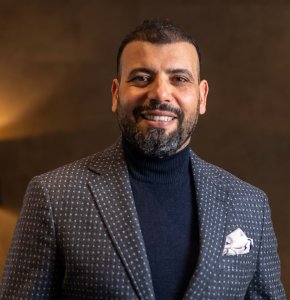
Walid Eljabu
El Dr. Walid Eljabu cuenta con certificaciones de la junta en Cirugía Plástica y Estética, Cirugía de Mano y Cirugía de Trauma, combinando una experiencia poco común para procedimientos precisos de otoplastia.
- Formado en el Reino Unido y Alemania con formación estética especializada en Suecia y Turquía
- Miembro de la Sociedad Europea de Rinoplastia y de la Sociedad Americana de Cirujanos Plásticos
- Utiliza técnicas microquirúrgicas de la cirugía de mano para correcciones de orejas mínimamente invasivas
- Director Ejecutivo y Cirujano Jefe en Esthétique du Nord en Hamburgo
- Certificado por la junta alemana en tres especialidades quirúrgicas, lo que garantiza un dominio anatómico

Gerd Friedrich Westphal
El Dr. Gerd Friedrich Westphal es uno de los mejores cirujanos plásticos faciales de Alemania, con una amplia experiencia en procedimientos estéticos y reconstructivos.
- Especializado en cirugías estéticas faciales y de mama
- Consultor senior en cirugía plástica en Meoclinic
- Miembro de la Asociación Alemana de Cirujanos Plásticos Estéticos
- Médico visitante en Clínica de Cirurgia Plástica Uebel y Shriners Hospitals for Children
Historias en video de pacientes de Bookimed
Artículos relacionados
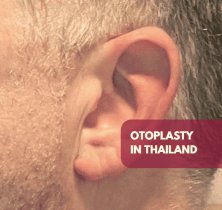
Corrección del lóbulo de la oreja izquierda: El viaje de Mark a la otoplastia
Escrito por Kateryna Zamkovska
Compartir contenido
 Olena Sikoza
Preguntas frecuentes sobre Otoplastia (cirugía de orejas) en Alemania
¿El seguro médico alemán cubre la otoplastia?
El seguro médico legal en Alemania suele cubrir la otoplastia para niños de hasta 14 años para prevenir el sufrimiento psicológico causado por el acoso escolar. Los adultos rara vez están cubiertos a menos que la cirugía corrija un trauma, deformidades congénitas o problemas funcionales tras una cirugía oncológica o accidentes graves.
- Cobertura infantil: Las aseguradoras suelen aprobar casos para niños antes de que comiencen la escuela primaria.
- Elegibilidad para adultos: La cobertura generalmente requiere necesidad médica, como una reconstrucción tras un trauma grave.
- Proceso de aprobación: Los pacientes deben presentar un informe médico (Attest) y una solicitud formal antes de la cirugía.
- Tratamiento privado: Los costos de bolsillo para adultos en Alemania oscilan entre de $3,400.
Opinión experta de Bookimed: Aunque el seguro público sigue límites de edad estrictos, elegir a un cirujano con triple certificación como el Dr. Walid Eljabu en Esthétique du Nord garantiza que los casos de reconstrucción cumplan con altos estándares clínicos. Si usted es un adulto que busca una otoplastia por razones estéticas, espere pagar de forma privada, ya que las aseguradoras priorizan la restauración funcional sobre la apariencia. Nuestros datos muestran que los centros de alto volumen en Hamburgo y Berlín mantienen el mej
¿Cuál es la edad ideal para una otoplastia en Alemania?
La edad ideal para una otoplastia en Alemania es entre los 5 y los 7 años. En esta etapa, la oreja ha alcanzado el 85-90% de su tamaño adulto. Este momento garantiza resultados estructurales permanentes y previene factores de estrés social antes de que el niño ingrese al sistema de educación primaria.
- Flexibilidad del cartílago: La cirugía temprana utiliza cartílago flexible que se remodela fácilmente con una resistencia quirúrgica mínima.
- Momento psicológico: Operar antes del primer año escolar ayuda a evitar posibles acosos o burlas sociales.
- Estándares de anestesia: Las clínicas alemanas realizan procedimientos infantiles bajo anestesia general para garantizar la seguridad y la inmovilidad del paciente.
- Umbral del seguro: Las aseguradoras públicas a menudo cubren los costos para pacientes menores de 14 años con una derivación psicológica.
Perspectiva del experto de Bookimed: Aunque la infancia es médicamente preferible, especialistas alemanes como el Dr. Walid Eljabu en Esthétique du Nord se centran mucho en la estética de adultos. Los datos muestran que las clínicas para adultos a menudo atienden a pacientes internacionales que buscan una experiencia certificada. Si la cirugía se realiza después de los 14 años, la anestesia local se convierte en una opción frecuente y de menor riesgo para pacientes cooperativos.
Conse
¿Qué técnicas quirúrgicas utilizan las clínicas alemanas?
Las clínicas alemanas se especializan en técnicas de otoplastia mínimamente invasiva centradas en resultados naturales y en ocultar las cicatrices. Los cirujanos utilizan principalmente suturas de cartílago tipo Mustardé y tipo Furnas junto con enfoques de incisión posterior. Estas metodologías priorizan la recreación natural de los pliegues y la simetría, evitando el aspecto artificial y sobrecorregido que a menudo se asocia con la cirugía tradicional de orejas.
- Técnicas de otoplastia: Las clínicas utilizan suturas de cartílago tipo Mustardé y Furnas para una remodelación precisa de la oreja.
- Enfoque de incisión: Los cirujanos realizan incisiones posteriores detrás de la oreja para asegurar que las cicatrices permanentes permanezcan ocultas.
- Gestión del cartílago: Técnicas especializadas de escarificación y remodelación del cartílago abordan el grosor para un posicionamiento permanente y natural.
- Enfoque estético: Los especialistas alemanes priorizan la recreación natural de los pliegues sobre el simple plegado para evitar la sobrecorrección.
Perspectiva del experto de Bookimed: La excelencia quirúrgica alemana suele estar impulsada por una experiencia multidisciplinaria. Por ejemplo, el Dr. Walid Eljabu de Esthétique du Nord posee tres certificaciones de la junta en cirugía plástica, de mano y traumatológica. Esta formación intensiva
¿Qué tipo de anestesia se utiliza para la otoplastia?
La otoplastia en Alemania se realiza normalmente bajo anestesia local combinada con sedación para adultos, lo que garantiza una experiencia indolora y relajada. Los cirujanos suelen utilizar anestesia general para los niños para mantener la comodidad y la inmovilidad. La elección depende de la complejidad quirúrgica y los niveles de ansiedad del paciente en las clínicas acreditadas.
- Anestesia en adultos: Agentes anestésicos locales a menudo combinados con sedación intravenosa para una relajación más profunda.
- Protocolos pediátricos: La anestesia general es estándar para pacientes más jóvenes para garantizar una inmovilidad total.
- Entorno quirúrgico: Los procedimientos se realizan en consultorios privados o instalaciones especializadas como Esthétique du Nord.
- Comodidad del paciente: Las opciones locales bloquean eficazmente el dolor pero permiten que los pacientes permanezcan despiertos.
Perspectiva del experto de Bookimed: La cultura quirúrgica alemana enfatiza consultas precisas y tranquilas que impactan directamente en la elección de la anestesia. El especialista Walid Eljabu en Esthétique du Nord posee certificaciones de la junta alemana en múltiples disciplinas quirúrgicas, lo que sugiere protocolos de seguridad altamente refinados. Los pacientes deben tener en cuenta que las clínicas alemanas a menudo distinguen entre correcciones
¿Cómo es la recuperación postoperatoria?
La recuperación postoperatoria de una otoplastia en Alemania implica un cronograma estructurado centrado en proteger la nueva posición de la oreja. Los pacientes suelen usar un vendaje grueso en la cabeza durante los primeros 3 a 7 días, seguido de una cinta de sujeción por la noche durante varias semanas para evitar traumatismos accidentales durante el sueño.
- Estancia hospitalaria: La mayoría de los procedimientos son ambulatorios, aunque algunas clínicas ofrecen 1 noche de observación.
- Curación inicial: La hinchazón y los hematomas alcanzan su punto máximo alrededor del tercer día antes de disminuir gradualmente durante 2 semanas.
- Niveles de actividad: El trabajo de oficina se reanuda en 7 días, mientras que los deportes de contacto requieren un descanso de 6 semanas.
- Retirada de puntos: Los cirujanos suelen retirar los puntos no absorbibles entre 7 y 10 días después de la cirugía.
Perspectiva del experto de Bookimed: Las clínicas alemanas como Esthétique du Nord enfatizan que la fase de la cinta nocturna es el paso de recuperación más crítico. Cirujanos con triple certificación como el Dr. Walid Eljabu a menudo especifican que, aunque la incisión sana rápidamente, el cartílago interno requiere 6 semanas de protección para estabilizarse completamente en su nueva posición.
Consenso de los pacientes: Los paciente
¿Qué hospitales en Alemania tienen las calificaciones más altas en neurocirugía?
Alemania alberga algunos de los departamentos de neurocirugía más prestigiosos del mundo, liderados por la Charité – Universitätsmedizin Berlin y el Hospital Universitario de Heidelberg. Estos centros destacan en el tratamiento de tumores cerebrales complejos y enfermedades cerebrovasculares. Para maximizar la eficacia de sus procedimientos, utilizan tecnologías de vanguardia como la resonancia magnética intraoperatoria y la neuronavegación asistida por computadora.
- Charité Berlín: Realiza más de 5000 cirugías al año. La clínica está dirigida por el reconocido neurocirujano Dr. Peter Vaikoczy.
- Centro Médico Solingen: El Dr. Ralf Buhl ha realizado más de 4.000 cirugías, incluidas cirugías de columna mínimamente invasivas.
- Clínica Asklepios Nord: equipada con el único sistema de resonancia magnética intraoperatoria bilateral de Alemania para garantizar precisión quirúrgica en tiempo real durante la extirpación del tumor.
- Clínica Nordwest: reconocida por la revista Newsweek como un hospital líder por su innovación en tecnología de ultrasonido 3D.
Opinión experta de Bookimed: Los datos muestran que elegir centros con un alto volumen quirúrgico suele llevar a recomendaciones de tratamiento más conservadoras. En el Centro Médico Solingen, que atiende a más de 60.000 pacientes al año, los cirujanos suelen sugerir fisioterapia en lugar de cirugía
¿Cuáles son las tasas de éxito de los procedimientos neuroquirúrgicos complejos en Alemania?
En Alemania, los procedimientos neuroquirúrgicos de alta complejidad demuestran una seguridad excepcional. Las tasas de éxito en las fusiones espinales alcanzan el 99 %. La tasa de supervivencia en las resecciones de tumores cerebrales primarios es del 97 %. La independencia funcional es alta. Más del 82 % de los pacientes reciben el alta inmediatamente después del tratamiento. Los centros alemanes priorizan la preservación de la función neurológica mediante técnicas modernas de mapeo.
- Resección de tumores: los cirujanos logran una resección tumoral completa en el 87,2% de los casos de metástasis cerebrales.
- Éxito en el tratamiento de enfermedades vasculares: los hospitales alemanes informan de una tasa de supervivencia del 98,7% para aneurismas no rotos.
- Mejora del estado neurológico: casi el 43% de los pacientes experimentan una mejora de los parámetros funcionales después de resecciones complejas.
- Seguridad de las intervenciones quirúrgicas: En grandes centros quirúrgicos, las tasas de supervivencia de los pacientes después de la cirugía de columna son del 98-99%.
Opinión experta de Bookimed: Cirujanos experimentados como el Dr. Uwe Köhler, de la Clínica Asklepios Altona, realizan más de 2000 cirugías al año. Los datos muestran que estos especialistas mantienen tasas de éxito de hasta el 90 %, incluso en los tumores cerebrales más comp
¿Qué tecnologías avanzadas suelen estar disponibles en las clínicas neuroquirúrgicas alemanas?
Las clínicas neuroquirúrgicas alemanas incorporan regularmente instrumentos digitales de alta precisión y visualización en tiempo real a la práctica quirúrgica. Entre las tecnologías clave se encuentra la neuronavegación computarizada para cirugías de cerebro y médula espinal. Instituciones como la Clínica Asklepios Nord utilizan la resonancia magnética intraoperatoria para verificar la extirpación de tumores en tiempo real. Estos sistemas proporcionan a los cirujanos navegación GPS 3D.
- Neuronavegación: proporciona visualización 3D y seguimiento de instrumentos en tiempo real para lograr precisión quirúrgica hasta el nivel submilimétrico.
- Imágenes intraoperatorias: sistemas como iMRI y O-arm CT permiten la confirmación inmediata de una resección exitosa.
- Neuromonitorización: Monitorea las funciones motoras y sensoriales durante la cirugía para proteger el sistema nervioso.
- Diagnóstico de fluorescencia: se utiliza el colorante 5-ALA para resaltar los bordes del tumor para una eliminación más completa.
- Asistencia robótica: Sistemas como el Da Vinci mejoran la precisión en procedimientos complejos y mínimamente invasivos.
Opinión experta de Bookimed: Grandes centros como la Charité – Universitätsmedizin de Berlín realizan más de 4000 procedimientos neuroquirúrgicos al año, lo que crea un entorno rico en datos para p
¿Qué formación especializada reciben los neurocirujanos en ejercicio en Alemania?
En Alemania, los neurocirujanos deben completar una residencia especializada de seis años tras graduarse de la facultad de medicina. Este programa estructurado incluye cuidados intensivos, práctica clínica y una revista quirúrgica obligatoria. Posteriormente, los candidatos aprueban un examen estatal para obtener el título de residente (Facharzt für Neurochirurgie).
- Residencia clínica: requiere de 48 a 72 meses de práctica neuroquirúrgica especializada.
- Cuidados intensivos: incluye una pasantía obligatoria de 6 meses en una unidad de cuidados intensivos neuroquirúrgicos.
- Revista quirúrgica: los cirujanos documentan cientos de cirugías, incluidas craneotomías y cirugías de columna.
- Examen de licencia: Los solicitantes deben aprobar un examen médico oral y práctico administrado por el estado.
Opinión experta de Bookimed: La formación neuroquirúrgica alemana se centra en una amplia experiencia quirúrgica. Por ejemplo, el Dr. Ralf Buhl, del Centro Médico Solingen, ha realizado más de 4000 cirugías. El Dr. Jürgen Kiwit, del Hospital Meoklinik, cuenta con más de 25 años de experiencia. Este riguroso sistema garantiza que los especialistas de los principales centros aborden casos complejos con una precisión demostrada.
Comentarios de los pacientes: Los pacientes se sienten seguros al saber que sus médicos han recibido año
¿Qué requisitos de idioma y de licencia se exigen a los cirujanos extranjeros que deseen formarse u observar procedimientos neuroquirúrgicos en Alemania?
Los neurocirujanos extranjeros deben cumplir estrictos requisitos de idioma y licencia para realizar formación o prácticas en Alemania. La formación requiere una licencia médica válida o un permiso temporal. Los internos deben obtener la autorización de un hospital específico. Ambas opciones requieren un alto nivel de alemán para participar en debates clínicos y realizar procedimientos quirúrgicos complejos con seguridad.
- Conocimientos de idiomas: Para la formación clínica se requiere un nivel general de alemán B2 y un nivel de lenguaje médico C1 (Fachsprachprüfung).
- Licencia clínica: Los cirujanos necesitan un permiso para la práctica permanente (Approbation) o un permiso profesional (Berufserlaubnis) para prácticas supervisadas temporales.
- Estado de observación: La hospitalización permite la observación de procedimientos quirúrgicos sin responsabilidad médica ni licencia formal.
- Evaluación de la cualificación: Los graduados médicos no pertenecientes a la UE a menudo tienen que pasar por un proceso de validación del diploma en un plazo de 3 a 6 meses.
Opinión experta de Bookimed: Las clínicas alemanas con un alto volumen de pacientes, como Nordwest Clinic o Asklepios Nord, suelen priorizar a los candidatos que ya han pasado una evaluación preliminar de la documentación. Nuestros datos muestran que profesores como el Dr. Uwe Köhler y el D