Terapia de protones para el cáncer de próstata en Alemania — obtén 3 clínicas con costos


Revisado médicamente por
Fahad Mawlood
¿Cuál es el precio de Terapia de protones para el cáncer de próstata en Alemania? Descubra ahora
Proton therapy for prostate cancer in Germany typically costs from $28,000 to $38,000. Total expenses depend on the treatment cycles and case complexity. Standard pricing covers diagnostics, 3D treatment planning, and all radiation sessions.
- Session volume: The number of fractionation cycles significantly impacts the final bill.
- Treatment planning: Advanced 3D or 4D mapping adds to the base medical cost.
- Medical hubs: Major centers are located in Essen, Munich, and Heidelberg.
- International logistics: Packages for foreign patients often include concierge and translation services.
Bookimed Expert Insight: Choosing university centers like Essen University Hospital provides access to the West German Cancer Center. This facility treated over 370,000 patients and holds Newsweek’s Best Hospital rankings. International patients benefit from organized transfers and on-site accommodation. These logistical services often provide better value than booking separate travel arrangements. Essen is also a pioneer, home to Germany's first PET center for precise diagnostics.
Beneficios clave
¿Por qué considerar Alemania para la terapia de protones en el tratamiento del cáncer de próstata?
- Clínicas acreditadas: Alemania alberga hospitales certificados por KTQ. Estas instalaciones garantizan altos estándares en el cuidado y la seguridad del paciente.
- Últimas tecnologías: Las clínicas emplean dispositivos de vanguardia como el Varian ProBeam y el IBA ProteusONE. Estos son conocidos por su precisión al atacar tumores mientras preservan el tejido sano.
- Altas tasas de éxito: La terapia de protones muestra una notable eficacia del 95% en el tratamiento de casos de cáncer de próstata localizado, con efectos secundarios mínimos.
- Cirujanos expertos: Oncólogos líderes, certificados en oncología radioterápica, han realizado colectivamente miles de procedimientos de terapia de protones. Esto contribuye a la reputación de Alemania como líder en este campo.
Acceda a soluciones avanzadas de terapia de protones para el cáncer de próstata en clínicas confiables de $28,000.
| Alemania | España | Turquía | |
|---|---|---|---|
| Terapia de protones para el cáncer de próstata | ≈ $28,000 | de $34,000 | ≈ $30,000 |
Sus beneficios y garantías con Bookimed
Precios directos
Bookimed no añade cargos adicionales a los precios de Terapia de protones para el cáncer de próstata. Las tarifas proceden de las listas de precios oficiales de las clínicas. Pagará directamente en la clínica por su Terapia de protones para el cáncer de próstata a su llegada al país.
Sólo clínicas y médicos verificados
Bookimed está comprometido con su seguridad. Solo trabajamos con las clínicas que mantienen altos estándares internacionales en Terapia de protones para el cáncer de próstata y tienen las licencias necesarias para atender a pacientes internacionales en todo el mundo.
Asistencia 24/7 gratuita
Bookimed ofrece asistencia experta gratuita. Un coordinador médico personal le apoya antes, durante y después del tratamiento, resolviendo cualquier problema. Nunca estará solo en su viaje médico de Terapia de protones para el cáncer de próstata.

Su coordinador médico personal de Bookimed
- Le apoya en cada etapa
- Ayuda a elegir la clínica y el médico adecuados
- Asegura un acceso rápido y conveniente a la información
Descubra las mejores clínicas de Terapia de protones para el cáncer de próstata en Alemania: 1 opciones verificadas y Precios




Descripción general de Terapia de protones para el cáncer de próstata en Alemania
- Terapia con haz de protones - de $24,000Esta terapia trata los tumores con protones de alta energía, dirigidos solo a las células enfermas, sin afectar los tejidos sanos y reduciendo los efectos secundarios.
- Terapia de protones para el cáncer de mama - de $24,000Esta terapia se dirige con precisión a los tumores de mama, reduciendo el daño al tejido sano y minimizando potencialmente los efectos secundarios.
- Terapia de protones para el cáncer de próstata - de $28,000Esta terapia utiliza rayos de protones dirigidos para erradicar las células de cáncer de próstata, preservando el tejido sano y reduciendo los efectos secundarios.
Día 1
- Llegada al país.
- Traslado a la clínica (a cargo del paciente).
Dia 2
- Consulta con oncólogo y urólogo.
- Realización de un hemograma completo con marcadores de cáncer.
Día 3
- Se hace proteinograma.
- Comienza la planificación del proceso de terapia de protones.
Día 4 - Día 5
- Comienzan las sesiones de terapia de protones, que duran entre 15 y 30 minutos cada una.
- No se requiere anestesia para las sesiones.
día 6
- Consulta post-terapia y examen con especialistas.
- El paciente puede abandonar la clínica después de la consulta.
Semana 1 - Semana 2
- Comienza el período de rehabilitación, el paciente puede reanudar sus actividades ligeras.
Semana 3 - Semana 4
- El paciente puede volver al trabajo, dependiendo de su estado de salud.
- Se recomienda el regreso gradual a los deportes y otras actividades extenuantes.
Semana 5 en adelante
- A medida que transcurran las semanas, el resultado final de la terapia será evidente.
Tenga en cuenta que el caso de cada paciente es individual y el cronograma puede variar. El alojamiento y los traslados no están incluidos en el paquete de terapia y deben ser organizados por el paciente.
- Depósito de Bookimed: 200 $ o 200 €.
- Depósito de la clínica: Pague un porcentaje fijo por adelantado.
Bookimed, una plataforma líder mundial en turismo médico, se compromete a ayudar a los clientes que buscan terapia de protones para el cáncer de próstata en Alemania ofreciéndoles asistencia experta y soluciones médicas confiables para cada situación. Se utiliza un sistema de clasificación automático inteligente para elaborar listas de clínicas transparentes, mantenidas meticulosamente por un científico de datos que utiliza IA para mayor precisión. La plataforma garantiza la autenticidad al publicar reseñas de pacientes reales después de sus tratamientos. Bookimed ofrece soluciones médicas integrales, con actualizaciones de las clínicas para garantizar la confiabilidad. El contenido sobre la terapia de protones para el cáncer de próstata en Alemania, elaborado por autores médicos experimentados y revisado por especialistas, cumple con las pautas editoriales de Bookimed , lo que refleja el compromiso de la plataforma de brindar información de salud clara y de alta calidad. Para obtener más detalles o consultas, no dude en contactarnos en marketing@bookimed.com o obtenga más información sobre nosotros y nuestra misión Acerca de Bookimed .
Historias en video de pacientes de Bookimed
Reseñas
Todas las reseñasCompartir contenido
 Olena Sikoza
Datos сlave sobre Terapia de protones para el cáncer de próstata
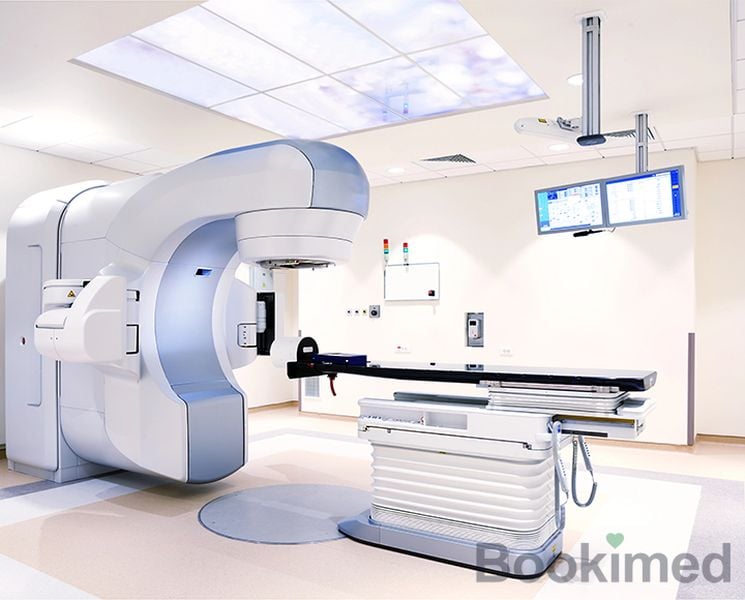
Terapia de protones para el cáncer de próstata
La terapia de protones es una forma precisa de radioterapia que se dirige a los tumores de cáncer de próstata con un daño mínimo a los tejidos circundantes.
Preguntas frecuentes sobre Terapia de protones para el cáncer de próstata en Alemania
¿Es la terapia de protones mejor que la IMRT o la cirugía para el cáncer de próstata?
La terapia de protones ofrece tasas de curación similares a la cirugía y a la IMRT para el cáncer de próstata. Aunque utiliza el escaneo de haz de lápiz para atacar los tumores con precisión, los ensayos clínicos no muestran diferencias significativas en la supervivencia o la calidad de vida a largo plazo en comparación con las técnicas de radiación modernas.
- Eficacia médica: Los ensayos clínicos muestran tasas de éxito iguales para la terapia de protones y la IMRT.
- Protección de la vejiga: Las ventajas físicas permiten una menor exposición a la radiación de los órganos sanos circundantes.
- Resultados de efectos secundarios: Las funciones sexuales y urinarias reportadas por los pacientes siguen siendo similares en todos los tipos de radiación.
- Comparación quirúrgica: La cirugía ofrece perfiles de efectos secundarios diferentes, centrándose generalmente en el manejo de la incontinencia urinaria.
Perspectiva del experto de Bookimed: Alemania se encuentra entre los 3 principales destinos mundiales para la oncología porque centros como el Hospital Universitario de Essen integran IA avanzada e imágenes digitales en la planificación del tratamiento. Aunque la tecnología es vital, nuestros datos muestran que los pacientes a menudo encuentran que el volumen total de un centro, como los 370.000 pacientes anuales de Essen, influye más en los resul
¿Cuáles son los efectos secundarios de la terapia de protones para el cáncer de próstata?
La terapia de protones para el cáncer de próstata produce menos efectos secundarios que la radiación tradicional con rayos X. Los pacientes suelen experimentar fatiga temporal, urgencia urinaria o irritación intestinal. La mayoría de los efectos secundarios son leves porque el haz de protones se detiene precisamente en el tumor, preservando el tejido pélvico sano circundante.
- Cambios urinarios: Aumento de la frecuencia, urgencia o sensaciones de ardor durante o después del tratamiento.
- Función intestinal: Posibilidad de heces más blandas, molestias rectales o urgencia durante la terapia.
- Tiempo de recuperación: Los pacientes suelen mantener sus rutinas diarias y su trabajo durante el curso del tratamiento.
- Riesgos a largo plazo: Los problemas crónicos graves de intestino o vejiga ocurren en el 1 al 3% de los pacientes.
Perspectiva del experto de Bookimed: Alemania sigue siendo un líder mundial en este tratamiento gracias a centros como el Hospital Universitario de Essen. Atienden a 370.000 pacientes al año e integran ensayos clínicos en la práctica diaria. Este alto volumen a menudo conduce a un mejor manejo de los efectos secundarios a través de una planificación del tratamiento más precisa.
Consenso de los pacientes: Los pacientes a menudo notan que la urgencia urinaria y el flujo débil se desarrollan gradualme
¿Dónde se encuentran los mejores centros de terapia de protones para el cáncer de próstata en Alemania?
Alemania alberga instalaciones de terapia de protones de primer nivel especializadas en cáncer de próstata, lideradas por el Centro de Terapia de Protones de Alemania Occidental (WPE) en Essen y el Centro de Terapia de Iones de Heidelberg (HIT). Estos centros universitarios utilizan un escaneo preciso de haz de lápiz (pencil-beam scanning) para atacar los tumores mientras protegen los órganos críticos circundantes.
- Hospital Universitario de Essen: Uno de los centros más grandes del mundo, que cuenta con 4 pórticos y protocolos de investigación innovadores.
- Centro de Terapia de Iones de Heidelberg: Un pionero europeo que ofrece opciones avanzadas de terapia con haces de protones e iones de carbono.
- RPTC Múnich: Una instalación especializada de alta capacidad equipada con 4 pórticos para el tratamiento localizado de próstata.
- Centro Universitario de Protones de Dresde: Parte del hospital Carl Gustav Carus, centrado en la radioterapia avanzada integrada.
Perspectiva del experto de Bookimed: Aunque muchos buscan centros por su reputación, los pacientes deberían priorizar clínicas como el Hospital Universitario de Essen. Trata a 370.000 pacientes al año y figura en el ranking de los mejores hospitales del mundo de Newsweek. Este enorme volumen de pacientes a menudo se traduce en una coordinación más fluida para casos internacionales en compa
¿Pueden los pacientes internacionales acceder a la terapia de protones en Alemania?
Los pacientes internacionales pueden acceder fácilmente a la terapia de protones en Alemania a través de centros académicos especializados y hospitales oncológicos. Instalaciones como el Hospital Universitario de Essen aceptan casos internacionales de cáncer de próstata. Por lo general, los pacientes requieren documentación médica completa y acuerdos financieros avanzados para asegurar los espacios de tratamiento en estos centros certificados.
- Instalaciones especializadas: Alemania cuenta con más de 28 clínicas que ofrecen opciones avanzadas de terapia de haz de protones.
- Credenciales clínicas: El Hospital Universitario de Essen está clasificado entre los mejores hospitales del mundo por Newsweek.
- Requisitos de acceso: Los centros priorizan los casos con informes de biopsia de alta calidad y escaneos de estadificación recientes.
- Apoyo logístico: Los principales hospitales ofrecen oficinas internacionales dedicadas para ayudar con los viajes y el papeleo.
Perspectiva del experto de Bookimed: Aunque Alemania da la bienvenida a pacientes internacionales, estos centros operan a gran capacidad. Investigar clínicas como el Hospital Universitario de Essen muestra que atienden a 370.000 pacientes al año. Este volumen significa que debe enviar los registros médicos traducidos con antelación. Hacerlo a menudo reduce significativamente el tiempo d
¿Cuánto dura el tratamiento?
La terapia de protones para el cáncer de próstata en Alemania generalmente requiere varias semanas de sesiones ambulatorias diarias. La mayoría de los pacientes siguen un horario de lunes a viernes durante 4 a 8 semanas. Cada sesión dura aproximadamente de 30 a 60 minutos, y la exposición real a la radiación solo toma unos pocos minutos.
- Frecuencia del tratamiento: Las sesiones ocurren diariamente de lunes a viernes con descansos los fines de semana.
- Tiempo de visita diaria: Espere de 30 a 60 minutos para el posicionamiento y la verificación por imágenes.
- Duración total del curso: La mayoría de los protocolos abarcan varias semanas para garantizar una dosificación precisa.
- Requisitos de hospitalización: Los procedimientos son estrictamente ambulatorios, sin requerir estancia hospitalaria durante la noche.
Perspectiva del experto de Bookimed: La coordinación con centros como el Hospital Universitario de Essen implica una planificación detallada antes del primer haz. Alemania sigue siendo un líder mundial en este nicho porque sus instituciones combinan la investigación con la atención clínica. Los pacientes deben planificar su estancia en torno a la carga logística de las visitas diarias en lugar del breve tiempo de tratamiento.
Consenso de los pacientes: El proceso se siente muy repetitivo con la misma preparación
¿Qué hospitales en Alemania tienen las calificaciones más altas en neurocirugía?
Alemania alberga algunos de los departamentos de neurocirugía más prestigiosos del mundo, liderados por la Charité – Universitätsmedizin Berlin y el Hospital Universitario de Heidelberg. Estos centros destacan en el tratamiento de tumores cerebrales complejos y enfermedades cerebrovasculares. Para maximizar la eficacia de sus procedimientos, utilizan tecnologías de vanguardia como la resonancia magnética intraoperatoria y la neuronavegación asistida por computadora.
- Charité Berlín: Realiza más de 5000 cirugías al año. La clínica está dirigida por el reconocido neurocirujano Dr. Peter Vaikoczy.
- Centro Médico Solingen: El Dr. Ralf Buhl ha realizado más de 4.000 cirugías, incluidas cirugías de columna mínimamente invasivas.
- Clínica Asklepios Nord: equipada con el único sistema de resonancia magnética intraoperatoria bilateral de Alemania para garantizar precisión quirúrgica en tiempo real durante la extirpación del tumor.
- Clínica Nordwest: reconocida por la revista Newsweek como un hospital líder por su innovación en tecnología de ultrasonido 3D.
Opinión experta de Bookimed: Los datos muestran que elegir centros con un alto volumen quirúrgico suele llevar a recomendaciones de tratamiento más conservadoras. En el Centro Médico Solingen, que atiende a más de 60.000 pacientes al año, los cirujanos suelen sugerir fisioterapia en lugar de cirugía
¿Cuáles son las tasas de éxito de los procedimientos neuroquirúrgicos complejos en Alemania?
En Alemania, los procedimientos neuroquirúrgicos de alta complejidad demuestran una seguridad excepcional. Las tasas de éxito en las fusiones espinales alcanzan el 99 %. La tasa de supervivencia en las resecciones de tumores cerebrales primarios es del 97 %. La independencia funcional es alta. Más del 82 % de los pacientes reciben el alta inmediatamente después del tratamiento. Los centros alemanes priorizan la preservación de la función neurológica mediante técnicas modernas de mapeo.
- Resección de tumores: los cirujanos logran una resección tumoral completa en el 87,2% de los casos de metástasis cerebrales.
- Éxito en el tratamiento de enfermedades vasculares: los hospitales alemanes informan de una tasa de supervivencia del 98,7% para aneurismas no rotos.
- Mejora del estado neurológico: casi el 43% de los pacientes experimentan una mejora de los parámetros funcionales después de resecciones complejas.
- Seguridad de las intervenciones quirúrgicas: En grandes centros quirúrgicos, las tasas de supervivencia de los pacientes después de la cirugía de columna son del 98-99%.
Opinión experta de Bookimed: Cirujanos experimentados como el Dr. Uwe Köhler, de la Clínica Asklepios Altona, realizan más de 2000 cirugías al año. Los datos muestran que estos especialistas mantienen tasas de éxito de hasta el 90 %, incluso en los tumores cerebrales más comp
¿Qué tecnologías avanzadas suelen estar disponibles en las clínicas neuroquirúrgicas alemanas?
Las clínicas neuroquirúrgicas alemanas incorporan regularmente instrumentos digitales de alta precisión y visualización en tiempo real a la práctica quirúrgica. Entre las tecnologías clave se encuentra la neuronavegación computarizada para cirugías de cerebro y médula espinal. Instituciones como la Clínica Asklepios Nord utilizan la resonancia magnética intraoperatoria para verificar la extirpación de tumores en tiempo real. Estos sistemas proporcionan a los cirujanos navegación GPS 3D.
- Neuronavegación: proporciona visualización 3D y seguimiento de instrumentos en tiempo real para lograr precisión quirúrgica hasta el nivel submilimétrico.
- Imágenes intraoperatorias: sistemas como iMRI y O-arm CT permiten la confirmación inmediata de una resección exitosa.
- Neuromonitorización: Monitorea las funciones motoras y sensoriales durante la cirugía para proteger el sistema nervioso.
- Diagnóstico de fluorescencia: se utiliza el colorante 5-ALA para resaltar los bordes del tumor para una eliminación más completa.
- Asistencia robótica: Sistemas como el Da Vinci mejoran la precisión en procedimientos complejos y mínimamente invasivos.
Opinión experta de Bookimed: Grandes centros como la Charité – Universitätsmedizin de Berlín realizan más de 4000 procedimientos neuroquirúrgicos al año, lo que crea un entorno rico en datos para p
¿Qué formación especializada reciben los neurocirujanos en ejercicio en Alemania?
En Alemania, los neurocirujanos deben completar una residencia especializada de seis años tras graduarse de la facultad de medicina. Este programa estructurado incluye cuidados intensivos, práctica clínica y una revista quirúrgica obligatoria. Posteriormente, los candidatos aprueban un examen estatal para obtener el título de residente (Facharzt für Neurochirurgie).
- Residencia clínica: requiere de 48 a 72 meses de práctica neuroquirúrgica especializada.
- Cuidados intensivos: incluye una pasantía obligatoria de 6 meses en una unidad de cuidados intensivos neuroquirúrgicos.
- Revista quirúrgica: los cirujanos documentan cientos de cirugías, incluidas craneotomías y cirugías de columna.
- Examen de licencia: Los solicitantes deben aprobar un examen médico oral y práctico administrado por el estado.
Opinión experta de Bookimed: La formación neuroquirúrgica alemana se centra en una amplia experiencia quirúrgica. Por ejemplo, el Dr. Ralf Buhl, del Centro Médico Solingen, ha realizado más de 4000 cirugías. El Dr. Jürgen Kiwit, del Hospital Meoklinik, cuenta con más de 25 años de experiencia. Este riguroso sistema garantiza que los especialistas de los principales centros aborden casos complejos con una precisión demostrada.
Comentarios de los pacientes: Los pacientes se sienten seguros al saber que sus médicos han recibido año
¿Qué requisitos de idioma y de licencia se exigen a los cirujanos extranjeros que deseen formarse u observar procedimientos neuroquirúrgicos en Alemania?
Los neurocirujanos extranjeros deben cumplir estrictos requisitos de idioma y licencia para realizar formación o prácticas en Alemania. La formación requiere una licencia médica válida o un permiso temporal. Los internos deben obtener la autorización de un hospital específico. Ambas opciones requieren un alto nivel de alemán para participar en debates clínicos y realizar procedimientos quirúrgicos complejos con seguridad.
- Conocimientos de idiomas: Para la formación clínica se requiere un nivel general de alemán B2 y un nivel de lenguaje médico C1 (Fachsprachprüfung).
- Licencia clínica: Los cirujanos necesitan un permiso para la práctica permanente (Approbation) o un permiso profesional (Berufserlaubnis) para prácticas supervisadas temporales.
- Estado de observación: La hospitalización permite la observación de procedimientos quirúrgicos sin responsabilidad médica ni licencia formal.
- Evaluación de la cualificación: Los graduados médicos no pertenecientes a la UE a menudo tienen que pasar por un proceso de validación del diploma en un plazo de 3 a 6 meses.
Opinión experta de Bookimed: Las clínicas alemanas con un alto volumen de pacientes, como Nordwest Clinic o Asklepios Nord, suelen priorizar a los candidatos que ya han pasado una evaluación preliminar de la documentación. Nuestros datos muestran que profesores como el Dr. Uwe Köhler y el D