CDT-WEST Center of Diagnostics and Therapy
Alemania, Colonia


Revisado médicamente por
Fahad Mawlood
¿Por qué elegir Alemania para la radioterapia del cáncer de garganta?
Accede a soluciones avanzadas de radioterapia para el cáncer de garganta en clínicas de confianza de $13,500.
| Alemania | España | Turquía | |
|---|---|---|---|
| Radioterapia para el cáncer de garganta. | de $13,500 | de $14,000 | de $5,000 |
Día 1
Dia 2
Día 3
Día 4
Semana 1 - Semana 7
Semana 8
Semana 9 - Semana 12
Semana 13 en adelante
Tenga en cuenta que el plan de tratamiento y el cronograma de recuperación de cada paciente pueden variar según la gravedad de la enfermedad, el estado general de salud y la respuesta al tratamiento.
Como plataforma líder mundial de turismo médico, Bookimed.com proporciona información objetiva y transparente sobre los servicios médicos, incluida la radioterapia para el cáncer de garganta en Alemania. Toda la información proporcionada en Bookimed.com se basa en la investigación, la previsión y la experiencia y cumple con un alto interés relacionado con el producto y sigue:
Formamos nuestros listados de clínicas y médicos con estrictas regulaciones de nuestro sistema inteligente de clasificación automática. El sistema se basa en tarifas de pacientes reales de Bookimed para proporcionar la información más objetiva y transparente sobre las clínicas y los servicios médicos allí.
Nuestro experimentado científico de datos recopila datos a diario, supervisa y optimiza el sistema de clasificación mediante el aprendizaje automático y la inteligencia artificial para garantizar que el sistema de clasificación esté actualizado y proporcione resultados precisos.
Recopilamos las opiniones de los clientes de Bookimed solo después de obtener experiencia médica con la clínica, para que todos en la plataforma puedan confiar en el centro que elijan. Nos esforzamos por hacer que el contenido de nuestra plataforma sea lo más útil posible y garantizamos la libertad de expresar opiniones críticas. Así, publicamos críticas positivas y negativas, con el objetivo de ser una fuente para la toma de decisiones informadas para nuestros futuros clientes.
En Bookimed.com puede encontrar opciones y conveniencia para encontrar las mejores soluciones médicas de los principales proveedores de servicios médicos en un solo lugar y, a menudo, a precios competitivos. Asegurándose de brindar la información más actualizada, los representantes de la clínica actualizan los CV de los médicos, las capacidades de las clínicas, las fotos de antes y después, los precios, los paquetes y las ofertas especiales en breve. Puede reunirse con el representante de la clínica y verificar la fecha del contenido actualizado en la página de cada clínica para asegurarse de su confiabilidad.
Nuestro blog y artículos de apoyo son creados por autores profesionales con al menos 3 años de experiencia en redacción médica y editados por especialistas médicos con experiencia clínica y de investigación relevante, todos reclutados cuidadosamente para el equipo. Nos esforzamos por mejorar el acceso de los pacientes a la información de salud, haciéndola experta pero fácil de entender. Todas las piezas siguen las Directrices Editoriales de Bookimed.
Estamos hechos de personas y para personas, y ese es nuestro valor fundamental. Es por eso que todos los datos presentados en la plataforma son recopilados, editados, revisados y actualizados regularmente por nuestros pacientes, nuestras clínicas asociadas y nuestro equipo, incluido el Consejo Asesor Médico de Bookimed, que consta de médicos de renombre mundial con experiencia valiosa sobre 20 años de práctica y una reputación positiva. Conozca más sobre nosotros y nuestra misión .
En caso de que encuentre algún error o tenga alguna pregunta sobre la información presentada en Bookimed.com, incluida la información sobre radioterapia para el cáncer de garganta en Alemania, no dude en ponerse en contacto con nosotros en marketing@bookimed.com .

El Dr. Buhl es un reconocido experto en neurocirugía con especialización en tumores cerebrales y anomalías vasculares, que realiza cirugías con neuronavegación computarizada.

Jefa de médicos en el centro oncológico certificado de BKZ Solingen – La Dra. Viola Fox dirige un equipo especializado en radioterapia avanzada para el cáncer de garganta.
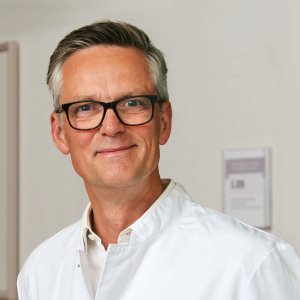

El Prof. Dr. Volker Budach se especializa en técnicas avanzadas de radioterapia como VMAT e IMRT, con de experiencia – un líder en Charité - Universitätsmedizin Berlin.
 Olena Sikoza
Los centros oncológicos alemanes gestionan los problemas de deglución mediante técnicas avanzadas de preservación de tejidos, como la radioterapia de intensidad modulada (IMRT) y la intervención logopédica temprana. Los especialistas en clínicas como Charité Berlín y el Centro Médico de Solingen utilizan protección faríngea para proteger los músculos, mientras inician la terapia de deglución de inmediato para prevenir la cicatrización de los tejidos y la atrofia muscular.
Perspectiva del experto de Bookimed: Los hospitales universitarios alemanes como los de Essen y Düsseldorf funcionan como centros de investigación donde la preservación de la deglución es una métrica principal en los ensayos clínicos. Mi análisis muestra que las clínicas certificadas por la Sociedad Alemana del Cáncer priorizan las derivaciones tempranas a
Alemania utiliza tecnologías de radiación ultraprecisas como la terapia de protones, la terapia de iones de carbono y la radioterapia de intensidad modulada (IMRT) para tratar el cáncer de garganta. Estos sistemas avanzados destruyen con precisión los tumores faríngeos y laríngeos mientras protegen estructuras críticas como la médula espinal, las cuerdas vocales y las glándulas salivales.
Perspectiva del experto de Bookimed: Los hospitales universitarios alemanes como Charité Berlin y el Hospital Universitario de Essen combinan un alto volumen clínico con tecnología de nivel de investigación. Los datos muestran que los centros que tratan a más de 300.000 pacientes al año a menudo brindan un acceso más temprano a la radioterapia adaptativa. Esto permite a l
La radioterapia para el cáncer de garganta en Alemania sigue los estrictos protocolos de la Sociedad Alemana del Cáncer. Los pacientes suelen recibir 5 sesiones diarias por semana durante 6 a 7 semanas. Las dosis curativas totales oscilan entre 66 y 72 Gray, administradas mediante técnicas de precisión como IMRT y VMAT en hospitales universitarios acreditados.
Perspectiva de expertos de Bookimed: Los centros oncológicos alemanes como Charité o la Clínica Nordwest utilizan una planificación adaptativa de la radioterapia alrededor de la tercera semana. Debido a que los tumores de garganta a menudo se reducen rápidamente, los cirujanos ajustan la máscara de radiación a mitad del tratamiento. Este ajuste de alta tecnología protege mejor los tejidos sanos que un plan estático único utilizado durante todo el curso de 7 semanas.
Consen
La terapia de protones está disponible para el cáncer de garganta en Alemania en centros académicos especializados en haces de iones. Esta radiación de precisión se dirige a los tumores de laringe y faringe mientras protege la médula espinal y las glándulas salivales. La elegibilidad depende de las revisiones de comités de tumores multidisciplinarios en instalaciones como el Centro de Terapia de Protones de Essen (WPE).
Perspectiva del experto de Bookimed: Aunque los centros universitarios como Charité o el Hospital Universitario de Essen tratan a miles de pacientes oncológicos anualmente, la terapia de protones no es el tratamiento predeterminado. Los datos muestran que muchas clínicas alemanas de primer nivel priorizan pri
La radioterapia de garganta suele causar inflamación localizada, incluyendo llagas dolorosas en la boca, dificultad para tragar y saliva espesa, comenzando dentro de las 2 semanas posteriores al tratamiento. Los pacientes experimentan comúnmente irritación cutánea similar a una quemadura solar, ronquera y fatiga significativa a medida que avanzan las sesiones de tratamiento. Las técnicas avanzadas como la IMRT ayudan a minimizar el daño a los tejidos sanos.
Perspectiva del experto de Bookimed: Los centros alemanes como Charité y la Clínica Nordwest utilizan IMRT y VMAT para enfocar los haces con precisión en el tumor. Nuestros datos muestran que los centros de alto volumen, como el Centro Médico de Solingen, que trata a 60.000 pacientes al año, brindan atención de apoyo intensiva para controlar estos efectos secundarios. El uso de IMRT especia
La radioterapia para el cáncer de garganta en Alemania suele durar entre 6 y 7 semanas. Los pacientes reciben tratamiento una vez al día, 5 días a la semana, sumando un total de 30 a 35 sesiones o fracciones. Técnicas especializadas como IMRT o VMAT garantizan una alta precisión mientras protegen el tejido sano durante estas breves sesiones ambulatorias.
Perspectiva del experto de Bookimed: Aunque el tratamiento dura 7 semanas, el tiempo real de exposición a la radiación (`beam-on time`) es sorprendentemente corto. Centros alemanes líderes como Charité Berlín o el Hospital Universitario de Essen utilizan tecnología VMAT para reducir el tiempo de tratamiento activo a menos de 10 minutos. Esta eficiencia ayuda a controlar la fatiga del paciente durante las exigentes semanas finales del cronograma.
Consenso de los pacientes: Los pacientes enfatizan que, aunque las sesiones diarias son rápidas, los efect
Las clínicas alemanas gestionan las dificultades para tragar durante la radioterapia mediante mapeo diagnóstico especializado, entrenamiento neuromuscular proactivo y soporte dietético de precisión. Centros líderes como el Medical Center en Solingen y la Charité de Berlín utilizan tecnologías IMRT y VMAT para minimizar la dosis de radiación en los tejidos sanos de la garganta mientras mantienen activas las funciones de deglución.
Perspectiva del experto de Bookimed: La precisión es la principal defensa contra los problemas de deglución a largo plazo en Alemania. Centros de gran volumen como la Charité - Universitätsmedizin Berlin tratan a más de 800.000 pacientes al año. Utilizan tecnologías DIBH e IMRT para proteger los músculos faríngeos. Las investigaciones de
La radioterapia para el cáncer de garganta en Alemania se realiza principalmente de forma ambulatoria. Los pacientes asisten a sesiones diarias de 15 a 30 minutos y regresan a casa inmediatamente después. La hospitalización solo es necesaria si los efectos secundarios como deshidratación severa, dificultades para tragar o dolor requieren una vigilancia clínica intensiva.
Perspectiva del experto de Bookimed: Los centros oncológicos alemanes a menudo recomiendan instalar una sonda de alimentación antes de comenzar la radioterapia. Los datos de clínicas como Charité y Nordwest muestran que el apoyo nutricional proactivo evita ingresos de emergencia. Los pacientes con estos apoyos a menudo completan el ciclo completo de 7 semanas sin necesidad de pasar la noche en el hospital.
Consenso de los pacientes: Los pacientes a menudo se sorprenden de que
Alemania alberga algunos de los departamentos de neurocirugía más prestigiosos del mundo, liderados por la Charité – Universitätsmedizin Berlin y el Hospital Universitario de Heidelberg. Estos centros destacan en el tratamiento de tumores cerebrales complejos y enfermedades cerebrovasculares. Para maximizar la eficacia de sus procedimientos, utilizan tecnologías de vanguardia como la resonancia magnética intraoperatoria y la neuronavegación asistida por computadora.
Opinión experta de Bookimed: Los datos muestran que elegir centros con un alto volumen quirúrgico suele llevar a recomendaciones de tratamiento más conservadoras. En el Centro Médico Solingen, que atiende a más de 60.000 pacientes al año, los cirujanos suelen sugerir fisioterapia en lugar de cirugía
En Alemania, los procedimientos neuroquirúrgicos de alta complejidad demuestran una seguridad excepcional. Las tasas de éxito en las fusiones espinales alcanzan el 99 %. La tasa de supervivencia en las resecciones de tumores cerebrales primarios es del 97 %. La independencia funcional es alta. Más del 82 % de los pacientes reciben el alta inmediatamente después del tratamiento. Los centros alemanes priorizan la preservación de la función neurológica mediante técnicas modernas de mapeo.
Opinión experta de Bookimed: Cirujanos experimentados como el Dr. Uwe Köhler, de la Clínica Asklepios Altona, realizan más de 2000 cirugías al año. Los datos muestran que estos especialistas mantienen tasas de éxito de hasta el 90 %, incluso en los tumores cerebrales más comp