Resección anterior baja robótica en Alemania — obtén 3 clínicas con costos


Revisado médicamente por
Fahad Mawlood
¿Cuál es el precio de Resección anterior baja robótica en Alemania? Descubra ahora
El costo de la resección anterior baja robótica (LAR) en Alemania suele oscilar de $25,000 a $50,000. Los precios varían según el hospital, la experiencia del cirujano con sistemas robóticos y la complejidad del tumor o la enfermedad rectal. UU.
Los hospitales alemanes generalmente incluyen diagnósticos preoperatorios, la cirugía robótica en sí, el uso de sistemas avanzados como da Vinci, anestesia, estancia hospitalaria (normalmente de 5 a 7 días), medicamentos y atención de seguimiento. En EE. UU., el precio indicado suele cubrir solo el procedimiento, con facturas separadas para anestesia, estancia hospitalaria y atención postoperatoria. Siempre confirmar exactamente qué está incluido con cada clínica u hospital.
| Alemania | España | Turquía | |
| Resección anterior baja robótica | ≈ $25,000 | ≈ $18,000 | de $27,200 |
Sus beneficios y garantías con Bookimed
Precios directos
Bookimed no añade cargos adicionales a los precios de Resección anterior baja robótica. Las tarifas proceden de las listas de precios oficiales de las clínicas. Pagará directamente en la clínica por su Resección anterior baja robótica a su llegada al país.
Sólo clínicas y médicos verificados
Bookimed está comprometido con su seguridad. Solo trabajamos con las clínicas que mantienen altos estándares internacionales en Resección anterior baja robótica y tienen las licencias necesarias para atender a pacientes internacionales en todo el mundo.
Asistencia 24/7 gratuita
Bookimed ofrece asistencia experta gratuita. Un coordinador médico personal le apoya antes, durante y después del tratamiento, resolviendo cualquier problema. Nunca estará solo en su viaje médico de Resección anterior baja robótica.

Su coordinador médico personal de Bookimed
- Le apoya en cada etapa
- Ayuda a elegir la clínica y el médico adecuados
- Asegura un acceso rápido y conveniente a la información
Descubra las mejores clínicas de Resección anterior baja robótica en Alemania: 1 opciones verificadas y Precios
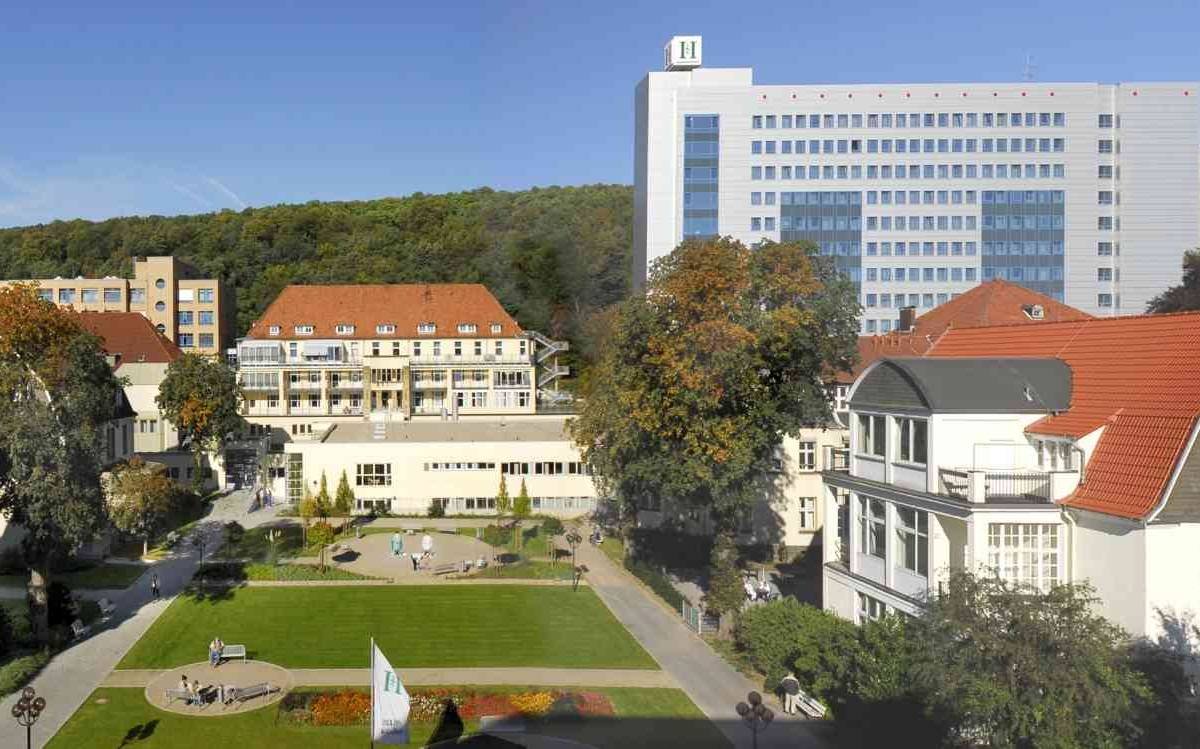


Descripción general de Resección anterior baja robótica en Alemania
- Depósito de Bookimed: 200 $ o 200 €.
- Depósito de la clínica: Pague un porcentaje fijo por adelantado.
Obtenga una evaluación médica para Resección anterior baja robótica en Alemania: Elija su especialista entre los mejores en el campo
Ver todos los médicos
Lars Bönicke

Wolfgang Schröder

Florian Gebauer Chief Of General And Visceral Surgery
Historias en video de pacientes de Bookimed
Compartir contenido
 Olena Sikoza
Preguntas frecuentes sobre Resección anterior baja robótica en Alemania
¿Puede una LAR robótica salvar el esfínter anal y evitar una colostomía permanente?
La resección anterior baja (LAR) robótica preserva el esfínter anal mediante el uso de visualización 3D e instrumentación precisa para extirpar el cáncer rectal. Este enfoque robótico reduce significativamente las tasas de colostomía permanente en comparación con los métodos tradicionales. Los cirujanos pueden lograr márgenes claros en espacios pélvicos estrechos mientras protegen los nervios delicados.
- Preservación del esfínter: Los sistemas robóticos proporcionan una destreza superior para disecciones pélvicas profundas cerca del ano.
- Reducción de riesgos: Los estudios muestran que los casos robóticos disminuyen significativamente la incidencia de estoma permanente frente a la cirugía laparoscópica.
- Márgenes precisos: La visualización mejorada garantiza la extirpación del tumor sin dañar el esfínter o los músculos elevadores.
- Estoma temporal: Muchos pacientes usan un ostoma temporal para la cicatrización antes de una reversión planificada.
Opinión de los expertos de Bookimed: Los hospitales universitarios alemanes como Helios Wuppertal a menudo integran oncología intervencionista y cirugía visceral para casos complejos. Cirujanos expertos como el Dr. Florian Gebauer utilizan estándares certificados por IASIOS para determinar si la precisión robótica permite la preservación del esfínter. Para tumores situados a 10 cm o más, la probabil
¿Qué calificaciones debo buscar en los cirujanos en Alemania?
Para cirujanos en Alemania, busque un Especialista certificado (Facharzt) en Cirugía Visceral con licencia de habilitación (Approbation). Las calificaciones de alto nivel incluyen la certificación de la Sociedad Alemana del Cáncer y experiencia en hospitales universitarios acreditados por JCI o IASIOS que gestionan grandes volúmenes de casos colorrectales.
- Designación Facharzt: Indica la finalización de 5 a 6 años de formación quirúrgica especializada de posgrado y exámenes.
- Especialización en cirugía visceral: Garantiza que el cirujano se centre específicamente en los órganos abdominales y casos oncológicos complejos.
- Sociedad Alemana del Cáncer: La certificación confirma que el cirujano y la clínica cumplen estrictos estándares nacionales de tratamiento oncológico.
- Registro de asociación médica: La verificación a través de la Cámara Médica regional (Landesärztekammer) garantiza una licencia activa y sin restricciones.
Opinión de los expertos de Bookimed: Los hospitales universitarios alemanes como Helios Wuppertal tratan a 150.000 pacientes anualmente porque centralizan la atención especializada. Al elegir un cirujano para una LAR robótica compleja, dé prioridad a aquellos con el título de Jefe de Cirugía Visceral. Estos líderes suelen gestionar departamentos de gran volumen y poseen credenciales especializadas de la Sociedad Alemana
¿Cómo mejora el sistema robótico la seguridad y los resultados durante la LAR?
Los sistemas robóticos mejoran la seguridad y los resultados durante la resección anterior baja (LAR) al proporcionar una visualización 3D superior y precisión instrumental dentro de la estrecha pelvis. Este enfoque reduce las complicaciones intraoperatorias en aproximadamente un 30 por ciento. Un control mejorado facilita las técnicas de preservación nerviosa, protegiendo la función intestinal y urinaria de manera más efectiva que los métodos tradicionales.
- Precisión mejorada: Los brazos robóticos ofrecen un control más fino para suturas delicadas cerca de los nervios rectales.
- Visualización superior: La imagen 3D de alta definición proporciona una visión estable del estrecho espacio pélvico.
- Tasas de conversión más bajas: La asistencia robótica ayuda a los cirujanos a evitar cambiar de cirugía mínimamente invasiva a cirugía abierta.
- Recuperación más rápida: Los pacientes se benefician de incisiones más pequeñas, menor dolor y estancias hospitalarias más cortas.
Opinión de los expertos de Bookimed: Los hospitales universitarios alemanes como Helios Wuppertal aprovechan el certificado IASIOS para oncología intervencionista. Esto garantiza que los cirujanos cumplan con estrictos estándares europeos para resecciones pélvicas complejas. Aunque la cirugía robótica puede llevar más tiempo, su ventaja principal es el manejo técnico en casos d
¿Qué hospitales alemanes están mejor valorados para la LAR robótica?
Los hospitales alemanes mejor valorados para la resección anterior baja (LAR) robótica incluyen el Hospital Universitario Helios de Wuppertal, el Hospital Universitario Charité y el Hospital Asklepios de Barmbek. Estos centros utilizan sistemas da Vinci y cuentan con certificaciones de la Sociedad Alemana del Cáncer, lo que garantiza una gran precisión en cirugías complejas de cáncer rectal, priorizando la preservación de los nervios.
- Certificación especializada: El Hospital Universitario Helios de Wuppertal posee certificaciones oncológicas de la Sociedad Alemana del Cáncer y de IASIOS.
- Liderazgo quirúrgico experto: El Dr. Florian Gebauer dirige la cirugía general y visceral en el Hospital Universitario Helios.
- Hubs tecnológicos regionales: El Hospital Universitario Rechts der Isar y el Hospital LMU de Múnich son centros robóticos de primer nivel.
- Volumen clínico: Helios Wuppertal atiende a 150.000 pacientes al año en 28 departamentos especializados.
Opinión de los expertos de Bookimed: Los hospitales universitarios alemanes suelen ofrecer mayores márgenes de seguridad para la LAR robótica porque funcionan como centros oncológicos certificados. Por ejemplo, Helios Wuppertal integra estándares de oncología intervencionista directamente en sus protocolos quirúrgicos. Los pacientes deben priorizar las clínicas con estos sellos específicos
¿Cuál es el perfil de recuperación típico después de una RAB robótica en Alemania?
La recuperación de la resección anterior baja (RAB) robótica en Alemania sigue el protocolo de Recuperación Mejorada Después de la Cirugía (ERAS). Los pacientes suelen salir del hospital en un plazo de 2 días. La precisión de los instrumentos robóticos minimiza el trauma interno, permitiendo el retorno al trabajo de escritorio en 3 semanas y a la actividad completa para la semana 6.
- Estancia hospitalaria: Los pacientes suelen recibir el alta dentro de 1 a 2 días después del procedimiento.
- Movilización temprana: Las clínicas alemanas priorizan caminar dentro de las 24 horas para prevenir complicaciones posquirúrgicas.
- Transición dietética: Los pacientes pasan de líquidos a alimentos sólidos rápidamente bajo la supervisión de protocolos nutricionales alemanes.
- Cronología laboral: La mayoría regresa a trabajos sedentarios dentro de las 3 a 6 semanas posteriores a la operación.
Perspectiva de expertos de Bookimed: Los hospitales universitarios alemanes como Helios Wuppertal utilizan equipos multidisciplinarios que cuentan con certificaciones de la Sociedad Alemana del Cáncer. Esto es vital porque la precisión robótica reduce el dolor en el sitio quirúrgico, pero la duración de la recuperación depende en gran medida del manejo de la función intestinal. Los centros de alto volumen en Düsseldorf aseguran que los cirujanos mantengan la competen
¿Qué es una resección anterior baja (RAB) robótica?
La resección anterior baja (RAB) robótica es una cirugía mínimamente invasiva utilizada para tratar el cáncer de recto. Los cirujanos usan un sistema robótico para extirpar la parte cancerosa del recto mientras preservan el esfínter anal. Este enfoque facilita movimientos precisos dentro de la pelvis estrecha, apoyando una función intestinal normal después de la recuperación.
- Maniobras de precisión: Los brazos robóticos proporcionan una vista 3D y una destreza mejorada en espacios pélvicos profundos.
- Preservación del esfínter: Esta técnica prioriza salvar los músculos para evitar la necesidad de una bolsa de colostomía permanente.
- Escisión mesorrectal: Los cirujanos realizan una escisión total del mesorrecto (ETM) para extirpar el tumor y el tejido graso circundante.
- Anastomosis interna: Los extremos sanos del intestino se reconectan internamente, a menudo implicando solo pequeñas incisiones abdominales.
Perspectiva de expertos de Bookimed: Los hospitales universitarios alemanes como Helios Wuppertal integran la RAB robótica en unidades oncológicas multidisciplinarias. Esta clínica específica trata a 150.000 pacientes al año y cuenta con la certificación IASIOS para oncología intervencionista. Cirujanos como el Dr. Florian Gebauer utilizan este alto volumen de pacientes para refinar las técnicas robóticas, lo cual es vital porque la pre