Reimplante ureteral robótico en Alemania — obtén 3 clínicas con costos


Revisado médicamente por
Fahad Mawlood
¿Cuál es el precio de Reimplante ureteral robótico en Alemania? Descubra ahora
| Alemania | España | Turquía | |
|---|---|---|---|
| Reimplante ureteral robótico | ≈ $18,000 | ≈ $11,000 | de $22,600 |
Sus beneficios y garantías con Bookimed
Precios directos
Bookimed no añade cargos adicionales a los precios de Reimplante ureteral robótico. Las tarifas proceden de las listas de precios oficiales de las clínicas. Pagará directamente en la clínica por su Reimplante ureteral robótico a su llegada al país.
Sólo clínicas y médicos verificados
Bookimed está comprometido con su seguridad. Solo trabajamos con las clínicas que mantienen altos estándares internacionales en Reimplante ureteral robótico y tienen las licencias necesarias para atender a pacientes internacionales en todo el mundo.
Asistencia 24/7 gratuita
Bookimed ofrece asistencia experta gratuita. Un coordinador médico personal le apoya antes, durante y después del tratamiento, resolviendo cualquier problema. Nunca estará solo en su viaje médico de Reimplante ureteral robótico.

Su coordinador médico personal de Bookimed
- Le apoya en cada etapa
- Ayuda a elegir la clínica y el médico adecuados
- Asegura un acceso rápido y conveniente a la información
Descubra las mejores clínicas de Reimplante ureteral robótico en Alemania: 1 opciones verificadas y Precios
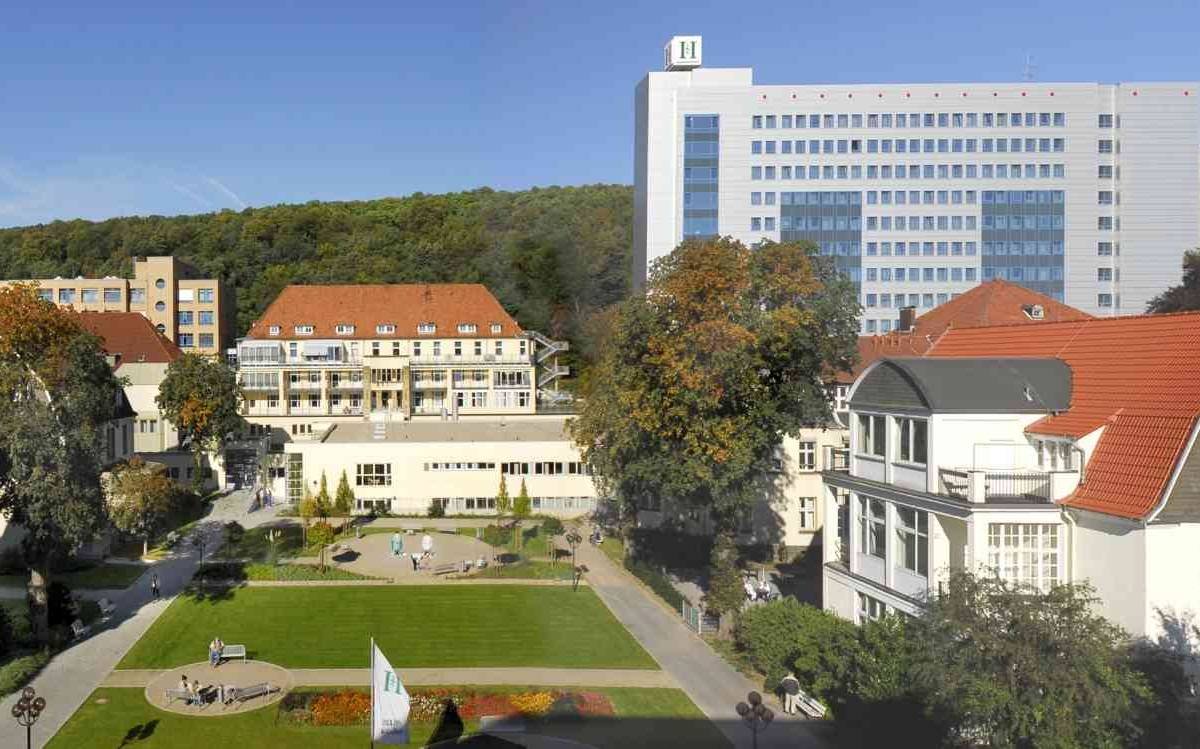


Descripción general de Reimplante ureteral robótico en Alemania
- Depósito de Bookimed: 200 $ o 200 €.
- Depósito de la clínica: Pague un porcentaje fijo por adelantado.
Historias en video de pacientes de Bookimed
Reseñas
Todas las reseñasCompartir contenido
 Olena Sikoza
Preguntas frecuentes sobre Reimplante ureteral robótico en Alemania
¿Es segura la reimplantación ureteral robótica en Alemania y cuáles son los principales riesgos?
La reimplantación ureteral robótica en Alemania es un procedimiento seguro con tasas de éxito superiores al 90 %. Los hospitales universitarios alemanes utilizan el sistema da Vinci para proporcionar una reconstrucción de alta precisión. Estas cirugías mínimamente invasivas ofrecen perfiles de seguridad equivalentes a la cirugía abierta con tiempos de recuperación reducidos y menos complicaciones.
- Tasas de éxito: Los procedimientos que resuelven obstrucciones o reflujos mantienen tasas de éxito superiores al 90 %.
- Mínimamente invasiva: La tecnología da Vinci mejora la destreza quirúrgica en casos de reconstrucción complejos.
- Riesgos comunes: Los problemas potenciales incluyen fugas urinarias temporales o estenosis en menos del 10 % de los casos.
- Estándares hospitalarios: Centros como el Hospital Universitario Helios de Wuppertal siguen estrictos estándares europeos.
Opinión del experto de Bookimed: Aunque la tecnología robótica es avanzada, el éxito depende en gran medida del volumen de intervenciones del cirujano. Los centros académicos en Alemania suelen tratar a 150.000 pacientes al año. Este alto volumen asegura que los urólogos manejen complicaciones raras, como hernias en el sitio del puerto, de manera más efectiva que las clínicas de bajo volumen. Siempre confirme el número de casos de reconstrucción específicos del cirujano.
¿Qué hospitales o cirujanos alemanes son más conocidos por la reimplantación ureteral robótica y qué credenciales deberían buscar los pacientes?
El St. Antonius-Hospital Gronau y el Helios Universitätsklinikum Wuppertal son centros alemanes líderes en reimplantación ureteral robótica. Los pacientes deben dar prioridad a cirujanos con certificación del European Board of Urology (EBU) y experiencia especializada en técnicas reconstructivas como el colgajo de Boari o el psoas hitch utilizando el sistema DaVinci Xi.
- Centros especializados: El St. Antonius-Hospital Gronau opera un centro europeo de primer nivel en medicina robótica.
- Cirujanos expertos: El Dr. Andreas Schütte y el Dr. Christian Wagner están especializados en reconstrucción compleja de las vías urinarias superiores.
- Referentes clínicos: Busque cirujanos que realicen frecuentemente casos de reconstrucción, no exclusivamente prostatectomías o nefrectomías robóticas.
- Estándares de calidad: El Helios Universitätsklinikum Wuppertal cuenta con la certificación IASIOS para estándares intervencionistas internacionales.
Perspectiva del experto de Bookimed: Los datos sugieren centrarse en cirujanos subespecializados dentro de grandes centros como el Helios Universitätsklinikum Wuppertal. Aunque estos hospitales tratan a 150.000 pacientes al año, los mejores resultados provienen de cirujanos dedicados a la reconstrucción. La experiencia específica con la ureteroneocistostomía suele determinar el éxito más que los rankings general
¿Cuál es el cronograma de recuperación esperado después de una reimplantación ureteral robótica y cuándo se pueden reanudar las actividades normales?
La recuperación después de una reimplantación ureteral robótica en Alemania requiere de 4 a 6 semanas para la cicatrización completa de los tejidos. Los pacientes suelen permanecer en el hospital de 2 a 3 noches. Las actividades ligeras y el trabajo de oficina se pueden reanudar en un plazo de 2 a 3 semanas, mientras que el ejercicio vigoroso requiere al menos de 4 a 6 semanas.
- Estancia hospitalaria: Espere de 2 a 3 noches de supervisión en centros como el Helios Universitätsklinikum Wuppertal.
- Actividad inicial: Se recomienda caminar inmediatamente para prevenir coágulos sanguíneos y mejorar la función digestiva.
- Cronograma laboral: La mayoría de los pacientes regresan a sus trabajos de oficina no físicos en un plazo de 14 a 21 días.
- Restricciones físicas: Evite levantar objetos de más de 9 kg o realizar ejercicio aeróbico vigoroso durante 6 semanas.
Perspectiva del experto de Bookimed: Las clínicas alemanas como el Helios Wuppertal gestionan volúmenes masivos de pacientes, tratando a 150.000 personas al año. Esta alta frecuencia a menudo conduce a protocolos de recuperación estandarizados y eficientes. Los pacientes deben priorizar las clínicas con certificaciones de la Sociedad Alemana del Cáncer, ya que a menudo utilizan sistemas robóticos avanzados que minimizan las cicatrices internas.
Consenso de los pacientes:
¿Qué incluye normalmente un paquete quirúrgico todo incluido para pacientes internacionales en Alemania?
Los paquetes quirúrgicos todo incluido en Alemania para la reimplantación ureteral robótica ofrecen un coste único y transparente que cubre todo el viaje médico. Estos paquetes suelen incluir el procedimiento quirúrgico, las tasas de equipos robóticos especializados, las pruebas de imagen diagnóstica como resonancias magnéticas o tomografías computarizadas, la hospitalización y los servicios de traducción médica profesional para pacientes internacionales.
- Servicios médicos: Cubre los honorarios del cirujano, la anestesia y el uso del sistema quirúrgico robótico.
- Pruebas diagnósticas: Incluye todos los análisis de sangre preoperatorios necesarios y los escáneres de imagen esenciales.
- Estancia hospitalaria: Incluye los gastos de habitación, cuidados de enfermería y medicamentos durante la recuperación.
- Apoyo logístico: Proporciona traslados al aeropuerto, traducción médica y asistencia con la documentación del visado.
Perspectiva del experto de Bookimed: Los hospitales universitarios alemanes, como el Helios Wuppertal, gestionan volúmenes masivos de pacientes, tratando a menudo a 150.000 personas al año. Esta alta frecuencia les permite ofrecer modelos todo incluido que combinan la cirugía robótica compleja con alojamiento local cerca de la clínica. Estos paquetes suelen fijar el precio de las pruebas diagnósticas, evitando costes inesper
¿Cuánto tiempo debe planificar un paciente internacional quedarse en Alemania para una reimplantación ureteral robótica?
Los pacientes internacionales deben planificar una estancia en Alemania de 14 a 21 días. Este plazo cubre una estancia hospitalaria de 2 a 3 noches y permite la cicatrización inicial. La mayoría de los cirujanos requieren de 7 a 14 días antes de la retirada del catéter y de las comprobaciones de seguridad para los viajes aéreos internacionales.
- Duración hospitalaria: La cirugía robótica suele requerir de 2 a 3 noches como paciente ingresado.
- Manejo del catéter: El catéter urinario suele permanecer colocado durante 7 a 14 días.
- Revisiones postoperatorias: Los pacientes deben permanecer cerca hasta que el equipo quirúrgico realice los exámenes de seguimiento iniciales.
- Seguridad en los vuelos: Los cirujanos recomiendan un margen de 2 semanas para gestionar riesgos potenciales como la trombosis venosa profunda.
Perspectiva del experto de Bookimed: Aunque las clínicas de urología básicas son comunes, elegir un hospital universitario como el Helios Universitätsklinikum Wuppertal ofrece ventajas claras. Estos centros atienden a más de 150.000 pacientes al año e integran certificaciones de sociedades oncológicas en sus protocolos urológicos. Los mayores volúmenes de pacientes en los hospitales universitarios alemanes suelen correlacionarse con una precisión robótica más refinada para reconstrucciones ureterales complejas.
Consen
¿Habrá cicatrices visibles después de una reimplantación ureteral robótica?
La reimplantación ureteral robótica en Alemania da como resultado cicatrices mínimas porque los cirujanos utilizan pequeñas incisiones de puerto en lugar de grandes cortes abdominales. Por lo general, miden menos de 1 cm cada una. La mayoría de los pacientes descubren que estas pequeñas marcas se desvanecen significativamente o se vuelven difíciles de ver en unos pocos meses.
- Tamaño de la incisión: Los cirujanos generalmente realizan varios sitios de puerto que miden menos de 10 mm cada uno.
- Estrategia de colocación: Las incisiones de puerto a menudo se sitúan debajo de la cintura para permanecer ocultas por la ropa.
- Resultados cosméticos: Las técnicas robóticas ofrecen resultados estéticos superiores en comparación con los métodos invasivos de cirugía abierta.
- Cicatrización de heridas: Las incisiones pequeñas cicatrizan más rápido y conllevan un menor riesgo de formación de queloides visibles.
Perspectiva del experto de Bookimed: Si bien las clínicas universitarias alemanas como Helios Wuppertal utilizan sistemas DaVinci avanzados para suturas precisas, la visibilidad de la cicatriz depende del diseño del puerto. Algunos cirujanos pueden consolidar las incisiones o colocarlas más abajo para una mejor ocultación. Los pacientes deben preguntar si se planea una configuración de 4 o 5 puertos, ya que esto afecta directamente el aspecto fin
¿Qué hospitales en Alemania tienen las calificaciones más altas en neurocirugía?
Alemania alberga algunos de los departamentos de neurocirugía más prestigiosos del mundo, liderados por la Charité – Universitätsmedizin Berlin y el Hospital Universitario de Heidelberg. Estos centros destacan en el tratamiento de tumores cerebrales complejos y enfermedades cerebrovasculares. Para maximizar la eficacia de sus procedimientos, utilizan tecnologías de vanguardia como la resonancia magnética intraoperatoria y la neuronavegación asistida por computadora.
- Charité Berlín: Realiza más de 5000 cirugías al año. La clínica está dirigida por el reconocido neurocirujano Dr. Peter Vaikoczy.
- Centro Médico Solingen: El Dr. Ralf Buhl ha realizado más de 4.000 cirugías, incluidas cirugías de columna mínimamente invasivas.
- Clínica Asklepios Nord: equipada con el único sistema de resonancia magnética intraoperatoria bilateral de Alemania para garantizar precisión quirúrgica en tiempo real durante la extirpación del tumor.
- Clínica Nordwest: reconocida por la revista Newsweek como un hospital líder por su innovación en tecnología de ultrasonido 3D.
Opinión experta de Bookimed: Los datos muestran que elegir centros con un alto volumen quirúrgico suele llevar a recomendaciones de tratamiento más conservadoras. En el Centro Médico Solingen, que atiende a más de 60.000 pacientes al año, los cirujanos suelen sugerir fisioterapia en lugar de cirugía
¿Cuáles son las tasas de éxito de los procedimientos neuroquirúrgicos complejos en Alemania?
En Alemania, los procedimientos neuroquirúrgicos de alta complejidad demuestran una seguridad excepcional. Las tasas de éxito en las fusiones espinales alcanzan el 99 %. La tasa de supervivencia en las resecciones de tumores cerebrales primarios es del 97 %. La independencia funcional es alta. Más del 82 % de los pacientes reciben el alta inmediatamente después del tratamiento. Los centros alemanes priorizan la preservación de la función neurológica mediante técnicas modernas de mapeo.
- Resección de tumores: los cirujanos logran una resección tumoral completa en el 87,2% de los casos de metástasis cerebrales.
- Éxito en el tratamiento de enfermedades vasculares: los hospitales alemanes informan de una tasa de supervivencia del 98,7% para aneurismas no rotos.
- Mejora del estado neurológico: casi el 43% de los pacientes experimentan una mejora de los parámetros funcionales después de resecciones complejas.
- Seguridad de las intervenciones quirúrgicas: En grandes centros quirúrgicos, las tasas de supervivencia de los pacientes después de la cirugía de columna son del 98-99%.
Opinión experta de Bookimed: Cirujanos experimentados como el Dr. Uwe Köhler, de la Clínica Asklepios Altona, realizan más de 2000 cirugías al año. Los datos muestran que estos especialistas mantienen tasas de éxito de hasta el 90 %, incluso en los tumores cerebrales más comp
¿Qué tecnologías avanzadas suelen estar disponibles en las clínicas neuroquirúrgicas alemanas?
Las clínicas neuroquirúrgicas alemanas incorporan regularmente instrumentos digitales de alta precisión y visualización en tiempo real a la práctica quirúrgica. Entre las tecnologías clave se encuentra la neuronavegación computarizada para cirugías de cerebro y médula espinal. Instituciones como la Clínica Asklepios Nord utilizan la resonancia magnética intraoperatoria para verificar la extirpación de tumores en tiempo real. Estos sistemas proporcionan a los cirujanos navegación GPS 3D.
- Neuronavegación: proporciona visualización 3D y seguimiento de instrumentos en tiempo real para lograr precisión quirúrgica hasta el nivel submilimétrico.
- Imágenes intraoperatorias: sistemas como iMRI y O-arm CT permiten la confirmación inmediata de una resección exitosa.
- Neuromonitorización: Monitorea las funciones motoras y sensoriales durante la cirugía para proteger el sistema nervioso.
- Diagnóstico de fluorescencia: se utiliza el colorante 5-ALA para resaltar los bordes del tumor para una eliminación más completa.
- Asistencia robótica: Sistemas como el Da Vinci mejoran la precisión en procedimientos complejos y mínimamente invasivos.
Opinión experta de Bookimed: Grandes centros como la Charité – Universitätsmedizin de Berlín realizan más de 4000 procedimientos neuroquirúrgicos al año, lo que crea un entorno rico en datos para p
¿Qué formación especializada reciben los neurocirujanos en ejercicio en Alemania?
En Alemania, los neurocirujanos deben completar una residencia especializada de seis años tras graduarse de la facultad de medicina. Este programa estructurado incluye cuidados intensivos, práctica clínica y una revista quirúrgica obligatoria. Posteriormente, los candidatos aprueban un examen estatal para obtener el título de residente (Facharzt für Neurochirurgie).
- Residencia clínica: requiere de 48 a 72 meses de práctica neuroquirúrgica especializada.
- Cuidados intensivos: incluye una pasantía obligatoria de 6 meses en una unidad de cuidados intensivos neuroquirúrgicos.
- Revista quirúrgica: los cirujanos documentan cientos de cirugías, incluidas craneotomías y cirugías de columna.
- Examen de licencia: Los solicitantes deben aprobar un examen médico oral y práctico administrado por el estado.
Opinión experta de Bookimed: La formación neuroquirúrgica alemana se centra en una amplia experiencia quirúrgica. Por ejemplo, el Dr. Ralf Buhl, del Centro Médico Solingen, ha realizado más de 4000 cirugías. El Dr. Jürgen Kiwit, del Hospital Meoklinik, cuenta con más de 25 años de experiencia. Este riguroso sistema garantiza que los especialistas de los principales centros aborden casos complejos con una precisión demostrada.
Comentarios de los pacientes: Los pacientes se sienten seguros al saber que sus médicos han recibido año