Cirugía ocular con láser SmartSight en Alemania: clínica verificada y sus precios


Revisado médicamente por
Fahad Mawlood
¿Cuál es el precio de Cirugía ocular con láser SmartSight en Alemania? Descubra ahora
El costo de la cirugía ocular láser SmartSight en Alemania generalmente oscila de $2,700 a $4,300. Los precios varían según la clínica, la experiencia del cirujano y si se tratan ambos ojos. UU.
Las clínicas alemanas suelen incluir un examen ocular previo a la cirugía, el procedimiento SmartSight en sí (con láser de femtosegundo), medicamentos postoperatorios y visitas de seguimiento. En EE. UU., el precio base a menudo cubre solo el procedimiento, mientras que las pruebas preoperatorias, los medicamentos y los seguimientos adicionales se facturan por separado. Siempre confirmar exactamente qué está incluido con la clínica.
| Alemania | España | Turquía | |
|---|---|---|---|
| Cirugía ocular con láser SmartSight | ≈ $2,700 | ≈ $2,300 | de $1,200 |
Sus beneficios y garantías con Bookimed
Precios directos
Bookimed no añade cargos adicionales a los precios de Cirugía ocular con láser SmartSight. Las tarifas proceden de las listas de precios oficiales de las clínicas. Pagará directamente en la clínica por su Cirugía ocular con láser SmartSight a su llegada al país.
Sólo clínicas y médicos verificados
Bookimed está comprometido con su seguridad. Solo trabajamos con las clínicas que mantienen altos estándares internacionales en Cirugía ocular con láser SmartSight y tienen las licencias necesarias para atender a pacientes internacionales en todo el mundo.
Asistencia 24/7 gratuita
Bookimed ofrece asistencia experta gratuita. Un coordinador médico personal le apoya antes, durante y después del tratamiento, resolviendo cualquier problema. Nunca estará solo en su viaje médico de Cirugía ocular con láser SmartSight.

Su coordinador médico personal de Bookimed
- Le apoya en cada etapa
- Ayuda a elegir la clínica y el médico adecuados
- Asegura un acceso rápido y conveniente a la información
Descubra las mejores clínicas de Cirugía ocular con láser SmartSight en Alemania: 1 opciones verificadas y Precios

Descripción general de Cirugía ocular con láser SmartSight en Alemania
- Depósito de Bookimed: 200 $ o 200 €.
- Depósito de la clínica: Pague un porcentaje fijo por adelantado.
Obtenga una evaluación médica para Cirugía ocular con láser SmartSight en Alemania: Elija su especialista entre los mejores en el campo
Ver todos los médicos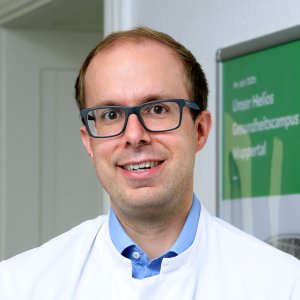
André Rosentreter Chief Of Ophthalmology
Historias en video de pacientes de Bookimed
Reseñas
Todas las reseñasCompartir contenido
 Olena Sikoza
Preguntas frecuentes sobre Cirugía ocular con láser SmartSight en Alemania
¿Qué es la cirugía ocular láser SmartSight?
SmartSight es una cirugía ocular láser avanzada y sin colgajo que corrige la miopía y el astigmatismo. Utilizando el láser de femtosegundo Schwind ATOS, los cirujanos realizan una extracción lenticular queratorrefractiva mínimamente invasiva. Esta técnica preserva la estabilidad corneal y elimina el riesgo de complicaciones relacionadas con el colgajo o sequedad ocular grave.
- Tipo de procedimiento: Una extracción lenticular por pequeña incisión sin colgajo similar a SMILE pero utilizando software más nuevo.
- Tamaño de la incisión: Los cirujanos utilizan una incisión precisa de 3.0 mm para una curación corneal más rápida.
- Tecnología inteligente: El seguimiento ocular activo con reconocimiento de pupila asegura una colocación precisa del láser durante la corrección.
- Integridad estructural: La extracción de un pequeño lentículo de tejido mantiene más fuerza corneal que el LASIK tradicional.
Perspectiva de expertos de Bookimed: Las clínicas alemanas como el Medical Center en Solingen suelen combinar SmartSight con supervisión académica. Nuestros datos muestran que los pacientes priorizan a los cirujanos en hospitales universitarios para esta tecnología específica. Expertos líderes como André Rosentreter se enfocan en la plataforma Schwind ATOS por su compensación de ciclotorsión superior.
Consenso de los pacientes: Lo
¿Cuáles son los riesgos o efectos secundarios potenciales de SmartSight?
La cirugía láser SmartSight en Alemania es altamente segura, y las complicaciones importantes ocurren en menos del 1%. Los riesgos potenciales incluyen ojos secos temporales y alteraciones de la visión nocturna como halos o deslumbramientos. Las complicaciones raras involucran inestabilidad corneal, infección o una subcorrección menor que requiera una mejora secundaria.
- Ojos secos: Los pacientes suelen manejar la sequedad temporal usando lágrimas artificiales prescritas.
- Alteraciones visuales: Los halos y la sensibilidad a la luz suelen desaparecer en los 3 meses posteriores a la cirugía.
- Salud corneal: La extracción lenticular avanzada preserva la estabilidad corneal en comparación con los métodos tradicionales basados en colgajos.
- Proceso de curación: Una leve irritación o sensación de arenilla es normal durante los primeros 3 días.
Perspectiva de expertos de Bookimed: Alemania ocupa el segundo lugar a nivel mundial en solicitudes de oftalmología debido a sus hospitales académicos de gran volumen. Clínicas como el Medical Center en Solingen atienden a 60,000 pacientes al año. Esta alta frecuencia de procedimientos garantiza que los cirujanos mantengan una competencia de élite en la extracción lenticular sin colgajo. Especialistas experimentados, como el Dr. André Rosentreter, proporcionan la evaluación precisa necesaria para minimizar
¿Soy candidato para la cirugía ocular láser SmartSight?
Usted es candidato para la cirugía ocular láser SmartSight si tiene más de 18 años y una prescripción estable. Este procedimiento sin colgajo corrige la miopía hasta -12.5 dioptrías y el astigmatismo. Es especialmente adecuado para pacientes con córneas más delgadas que quizás no califiquen para un LASIK tradicional.
- Estabilidad visual: Su prescripción debe haber permanecido sin cambios durante al menos 12 a 24 meses.
- Salud corneal: Los cirujanos requieren un grosor corneal saludable y una topografía normal sin inflamación ocular activa.
- Rango refractivo: Efectivo para miopía de -0.5 a -12.5 y astigmatismo de hasta -5 dioptrías.
- Perfil de seguridad: La pequeña incisión de 2 mm lo hace ideal para personas con estilos de vida activos.
Perspectiva de expertos de Bookimed: Las clínicas alemanas como el Medical Center en Solingen mantienen protocolos de evaluación estrictos. Aunque algunas regiones permiten casos límite, los especialistas alemanes a menudo priorizan la salud corneal a largo plazo sobre los resultados inmediatos. Si sus medidas son límite, los cirujanos pueden recomendar alternativas de alta precisión como Femto LASIK o ICL. Este enfoque conservador es la razón por la que Alemania es un destino global líder en cirugía ocular.
Consenso de los pacientes: Muchos encuentran que el proceso depende más de me
¿Cómo se compara la recuperación de SmartSight con otros procedimientos láser?
La recuperación de SmartSight es más rápida y cómoda que la de LASIK o PRK debido a su técnica de extracción lenticular mínimamente invasiva sin colgajo (flapless). Los pacientes suelen lograr una recuperación visual del 90% al 95% en 24 horas. Dado que la incisión es un 80% más pequeña que en LASIK, la interrupción de los nervios corneales y los síntomas de ojo seco se reducen significativamente.
- Estabilización visual: La mayoría de los pacientes alcanzan una visión de 20/20 dentro del primer día después del procedimiento.
- Actividad física: Los deportes de contacto se pueden reanudar antes, ya que no existe riesgo de desplazamiento del colgajo corneal.
- Rutina diaria: El uso de pantallas, conducir y trabajar suelen estar permitidos en un plazo de 24 a 48 horas.
- Comodidad a largo plazo: El menor daño a los nervios resulta en menos problemas de ojo seco a largo plazo en comparación con los métodos tradicionales.
Perspectiva de expertos de Bookimed: Alemania mantiene un alto rango mundial en oftalmología porque clínicas como el Medical Center en Solingen tratan a más de 60,000 pacientes al año. Si bien SmartSight ofrece un retorno más rápido al deporte, no espere un efecto inmediato. Los datos sugieren que la visión permanece ligeramente borrosa durante unos días antes de volverse más nítida en comparación con LASIK.
Consens
¿Cuál es la diferencia entre SmartSight y LASIK?
SmartSight es un procedimiento de extracción lenticular sin colgajo (flapless) y mínimamente invasivo, mientras que LASIK requiere la creación de un colgajo corneal de 23 mm. SmartSight utiliza una incisión diminuta de 3 mm para remodelar la córnea, reduciendo los riesgos de sequedad ocular y preservando la estabilidad corneal para pacientes con estilos de vida activos o córneas delgadas.
- Tamaño de la incisión: SmartSight utiliza una incisión diminuta de menos de 3 mm frente a los 23 mm del LASIK.
- Integridad corneal: La tecnología sin colgajo preserva más nervios corneales para reducir la sequedad ocular postoperatoria.
- Velocidad de recuperación: La mayoría de los pacientes alcanzan una visión funcional entre 12 y 24 horas después de la cirugía.
- Factores de idoneidad: SmartSight se adapta mejor a córneas más delgadas y altas graduaciones que los métodos tradicionales basados en colgajos.
Opinión experta de Bookimed: Aunque SmartSight se promociona como la siguiente generación de cirugía ocular con láser, la experiencia del cirujano sigue siendo el factor más crítico. En Alemania, especialistas como los del Hospital Universitario Helios de Wuppertal atienden a más de 60.000 pacientes al año. Un alto volumen de pacientes suele correlacionarse con mejores resultados en procedimientos sin colgajo que requieren una extracción manual precisa
¿En qué se diferencia SmartSight de SMILE?
SmartSight y SMILE son procedimientos de extracción lenticular mínimamente invasivos y sin colgajo (flapless) para la miopía y el astigmatismo. Desarrollado por SCHWIND, SmartSight se diferencia de ZEISS SMILE al ofrecer centrado automatizado y control de ciclotorsión. Estas características proporcionan una precisión refinada y específica para el paciente durante el proceso de remodelación corneal con láser.
- Fabricante del láser: ZEISS creó la tecnología SMILE, mientras que SCHWIND eye-tech-solutions desarrolló SmartSight.
- Sistemas de seguimiento: SmartSight mejora la precisión mediante el seguimiento ocular automatizado y software de centrado.
- Madurez del procedimiento: SMILE está establecido a nivel mundial. SmartSight es la alternativa más nueva de próxima generación.
- Nivel de personalización: SmartSight permite una planificación más individualizada en comparación con el SMILE tradicional no personalizado.
Perspectiva del experto de Bookimed: Alemania sigue siendo el centro principal de SmartSight. A menudo se comercializa como una mejora premium del SMILE estándar. Centros líderes como el Medical Center en Solingen atienden a más de 60.000 pacientes al año. Priorizan mejoras técnicas específicas, como el control de la ciclotorsión, por encima de los nombres de marca.
Consenso del paciente: Los pacientes a men
¿Qué hospitales en Alemania tienen las calificaciones más altas en neurocirugía?
Alemania alberga algunos de los departamentos de neurocirugía más prestigiosos del mundo, liderados por la Charité – Universitätsmedizin Berlin y el Hospital Universitario de Heidelberg. Estos centros destacan en el tratamiento de tumores cerebrales complejos y enfermedades cerebrovasculares. Para maximizar la eficacia de sus procedimientos, utilizan tecnologías de vanguardia como la resonancia magnética intraoperatoria y la neuronavegación asistida por computadora.
- Charité Berlín: Realiza más de 5000 cirugías al año. La clínica está dirigida por el reconocido neurocirujano Dr. Peter Vaikoczy.
- Centro Médico Solingen: El Dr. Ralf Buhl ha realizado más de 4.000 cirugías, incluidas cirugías de columna mínimamente invasivas.
- Clínica Asklepios Nord: equipada con el único sistema de resonancia magnética intraoperatoria bilateral de Alemania para garantizar precisión quirúrgica en tiempo real durante la extirpación del tumor.
- Clínica Nordwest: reconocida por la revista Newsweek como un hospital líder por su innovación en tecnología de ultrasonido 3D.
Opinión experta de Bookimed: Los datos muestran que elegir centros con un alto volumen quirúrgico suele llevar a recomendaciones de tratamiento más conservadoras. En el Centro Médico Solingen, que atiende a más de 60.000 pacientes al año, los cirujanos suelen sugerir fisioterapia en lugar de cirugía
¿Cuáles son las tasas de éxito de los procedimientos neuroquirúrgicos complejos en Alemania?
En Alemania, los procedimientos neuroquirúrgicos de alta complejidad demuestran una seguridad excepcional. Las tasas de éxito en las fusiones espinales alcanzan el 99 %. La tasa de supervivencia en las resecciones de tumores cerebrales primarios es del 97 %. La independencia funcional es alta. Más del 82 % de los pacientes reciben el alta inmediatamente después del tratamiento. Los centros alemanes priorizan la preservación de la función neurológica mediante técnicas modernas de mapeo.
- Resección de tumores: los cirujanos logran una resección tumoral completa en el 87,2% de los casos de metástasis cerebrales.
- Éxito en el tratamiento de enfermedades vasculares: los hospitales alemanes informan de una tasa de supervivencia del 98,7% para aneurismas no rotos.
- Mejora del estado neurológico: casi el 43% de los pacientes experimentan una mejora de los parámetros funcionales después de resecciones complejas.
- Seguridad de las intervenciones quirúrgicas: En grandes centros quirúrgicos, las tasas de supervivencia de los pacientes después de la cirugía de columna son del 98-99%.
Opinión experta de Bookimed: Cirujanos experimentados como el Dr. Uwe Köhler, de la Clínica Asklepios Altona, realizan más de 2000 cirugías al año. Los datos muestran que estos especialistas mantienen tasas de éxito de hasta el 90 %, incluso en los tumores cerebrales más comp
¿Qué tecnologías avanzadas suelen estar disponibles en las clínicas neuroquirúrgicas alemanas?
Las clínicas neuroquirúrgicas alemanas incorporan regularmente instrumentos digitales de alta precisión y visualización en tiempo real a la práctica quirúrgica. Entre las tecnologías clave se encuentra la neuronavegación computarizada para cirugías de cerebro y médula espinal. Instituciones como la Clínica Asklepios Nord utilizan la resonancia magnética intraoperatoria para verificar la extirpación de tumores en tiempo real. Estos sistemas proporcionan a los cirujanos navegación GPS 3D.
- Neuronavegación: proporciona visualización 3D y seguimiento de instrumentos en tiempo real para lograr precisión quirúrgica hasta el nivel submilimétrico.
- Imágenes intraoperatorias: sistemas como iMRI y O-arm CT permiten la confirmación inmediata de una resección exitosa.
- Neuromonitorización: Monitorea las funciones motoras y sensoriales durante la cirugía para proteger el sistema nervioso.
- Diagnóstico de fluorescencia: se utiliza el colorante 5-ALA para resaltar los bordes del tumor para una eliminación más completa.
- Asistencia robótica: Sistemas como el Da Vinci mejoran la precisión en procedimientos complejos y mínimamente invasivos.
Opinión experta de Bookimed: Grandes centros como la Charité – Universitätsmedizin de Berlín realizan más de 4000 procedimientos neuroquirúrgicos al año, lo que crea un entorno rico en datos para p
¿Qué formación especializada reciben los neurocirujanos en ejercicio en Alemania?
En Alemania, los neurocirujanos deben completar una residencia especializada de seis años tras graduarse de la facultad de medicina. Este programa estructurado incluye cuidados intensivos, práctica clínica y una revista quirúrgica obligatoria. Posteriormente, los candidatos aprueban un examen estatal para obtener el título de residente (Facharzt für Neurochirurgie).
- Residencia clínica: requiere de 48 a 72 meses de práctica neuroquirúrgica especializada.
- Cuidados intensivos: incluye una pasantía obligatoria de 6 meses en una unidad de cuidados intensivos neuroquirúrgicos.
- Revista quirúrgica: los cirujanos documentan cientos de cirugías, incluidas craneotomías y cirugías de columna.
- Examen de licencia: Los solicitantes deben aprobar un examen médico oral y práctico administrado por el estado.
Opinión experta de Bookimed: La formación neuroquirúrgica alemana se centra en una amplia experiencia quirúrgica. Por ejemplo, el Dr. Ralf Buhl, del Centro Médico Solingen, ha realizado más de 4000 cirugías. El Dr. Jürgen Kiwit, del Hospital Meoklinik, cuenta con más de 25 años de experiencia. Este riguroso sistema garantiza que los especialistas de los principales centros aborden casos complejos con una precisión demostrada.
Comentarios de los pacientes: Los pacientes se sienten seguros al saber que sus médicos han recibido año