Estimulador medular (EME) en Alemania — obtén 3 clínicas con costos


Revisado médicamente por
Fahad Mawlood
¿Cuál es el precio de Estimulador medular (EME) en Alemania? Descubra ahora
El costo de la cirugía de neuroestimulación medular (SCS) en Alemania suele oscilar entre $17,500 y $27,500. El precio depende de la clínica, la experiencia del cirujano, el tipo de dispositivo (recargable o no recargable) y si el procedimiento es de prueba o un implante permanente. UU.
Las clínicas alemanas suelen incluir la consulta inicial, análisis de sangre preoperatorios, medicación postoperatoria, visitas de seguimiento y soporte al paciente 24/7. Los planes de tratamiento personalizados y el personal que habla inglés son estándar. En EE. UU., el dispositivo, la anestesia y la atención de seguimiento suelen facturarse por separado. Siempre confirmar exactamente qué está incluido en cada clínica.
| Alemania | España | Turquía | |
|---|---|---|---|
| Estimulador medular (EME) | ≈ $17,500 | de $22,200 | de $16,000 |
Sus beneficios y garantías con Bookimed
Precios directos
Bookimed no añade cargos adicionales a los precios de Estimulador medular (EME). Las tarifas proceden de las listas de precios oficiales de las clínicas. Pagará directamente en la clínica por su Estimulador medular (EME) a su llegada al país.
Sólo clínicas y médicos verificados
Bookimed está comprometido con su seguridad. Solo trabajamos con las clínicas que mantienen altos estándares internacionales en Estimulador medular (EME) y tienen las licencias necesarias para atender a pacientes internacionales en todo el mundo.
Asistencia 24/7 gratuita
Bookimed ofrece asistencia experta gratuita. Un coordinador médico personal le apoya antes, durante y después del tratamiento, resolviendo cualquier problema. Nunca estará solo en su viaje médico de Estimulador medular (EME).

Su coordinador médico personal de Bookimed
- Le apoya en cada etapa
- Ayuda a elegir la clínica y el médico adecuados
- Asegura un acceso rápido y conveniente a la información
Descubra las mejores clínicas de Estimulador medular (EME) en Alemania: 1 opciones verificadas y Precios
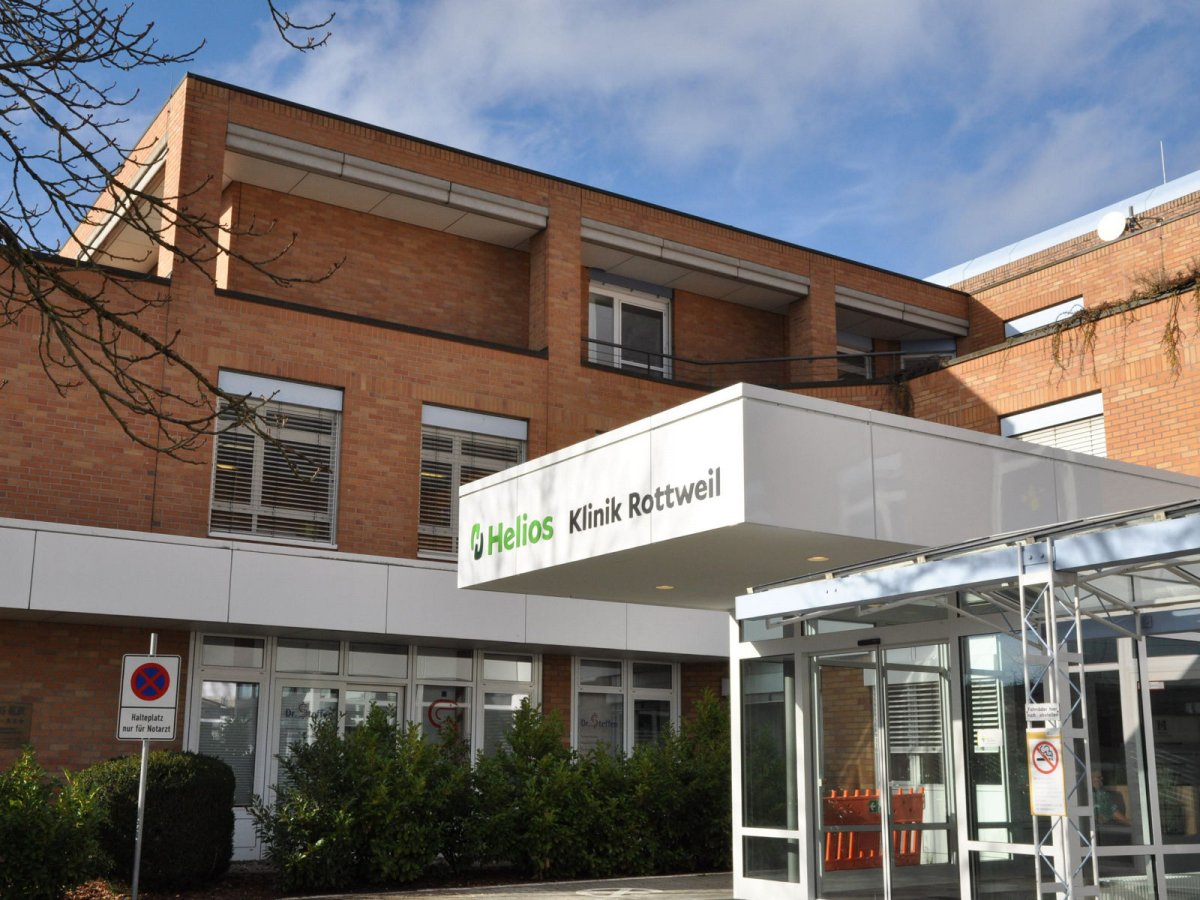

Descripción general de Estimulador medular (EME) en Alemania
- Depósito de Bookimed: 200 $ o 200 €.
- Depósito de la clínica: Pague un porcentaje fijo por adelantado.
Reseñas
Todas las reseñasCompartir contenido
Historias en video de pacientes de Bookimed
 Olena Sikoza
Preguntas frecuentes sobre Estimulador medular (EME) en Alemania
¿Cubre el seguro médico alemán la implantación de un estimulador de la médula espinal (SCS)?
El seguro médico alemán, tanto legal como privado, generalmente cubre la implantación de un estimulador de la médula espinal (SCS) para el dolor crónico. La cobertura requiere una autorización previa que confirme que los tratamientos conservadores han fallado. Los pacientes deben completar un período exitoso de estimulación de prueba temporal. La documentación de la necesidad médica es esencial para la aprobación de la aseguradora.
- Proceso de aprobación: La mayoría de las aseguradoras requieren una aprobación caso por caso basada en el diagnóstico específico y el historial.
- Criterios clínicos: Los médicos deben probar que los medicamentos, las inyecciones y la rehabilitación no proporcionaron alivio.
- Requisito de prueba: Una prueba percutánea temporal debe demostrar eficacia antes de la implantación permanente del dispositivo.
- Necesidades de documentación: Las aseguradoras exigen registros completos, incluyendo imágenes, historial de dolor y cartas de especialistas.
Perspectiva de experto de Bookimed: El análisis de las clínicas alemanas muestra que las demoras administrativas son la barrera más frecuente. Grandes centros como el Hospital Universitario Helios de Wuppertal gestionan más de 150,000 pacientes al año. Estas instalaciones de alto volumen a menudo cuentan con personal especializado para gestionar las preautorizaciones de segu
¿Qué afecciones se tratan con SCS en Alemania?
La estimulación de la médula espinal en Alemania trata principalmente el dolor neuropático crónico del tronco y las extremidades. Los especialistas alemanes utilizan esta terapia de neuromodulación para el síndrome de dolor espinal persistente, el síndrome de dolor regional complejo y la angina de pecho refractaria cuando los tratamientos médicos conservadores no logran proporcionar alivio.
- Síndrome de cirugía de espalda: Trata el dolor espinal persistente tras operaciones lumbares o cervicales fallidas.
- Dolor neuropático: Controla sensaciones crónicas de ardor, disparos o descargas eléctricas en las piernas.
- Dolor regional complejo: Aborda el dolor intenso resistente a la medicación mediante tecnología de colocación de electrodos dirigida.
- Afecciones vasculares: Alivia la angina de pecho refractaria o el dolor isquémico después de intervenciones estándar.
Perspectiva del experto de Bookimed: Las clínicas alemanas como el Hospital Universitario Helios de Wuppertal diferencian entre el dolor mecánico y el neuropático. Los datos sugieren que las tasas de éxito de la SCS son más altas para los patrones de dolor nervioso en las piernas. Los pacientes con dolor lumbar axial puro sin componente nervioso a menudo reciben tratamientos alternativos. Los especialistas aquí priorizan una fase de prueba de varios días antes de la implantación perma
¿Cuál es el proceso para obtener un estimulador de la médula espinal (SCS) en Alemania?
Obtener un estimulador de la médula espinal en Alemania implica una evaluación obligatoria de varias fases. Los pacientes deben demostrar el fracaso de las terapias conservadoras antes de someterse a una prueba temporal de cinco a siete días. Si el dolor disminuye en un 50%, los neurocirujanos en centros como el Hospital Universitario Helios de Wuppertal realizan la implantación subcutánea permanente.
- Evaluación de especialistas: Los especialistas en dolor o los neurocirujanos evalúan el historial médico y la preparación psicológica.
- Documentación clínica: Los pacientes deben proporcionar pruebas de fisioterapia, medicamentos e inyecciones fallidas.
- Fase de prueba: Los cirujanos insertan electrodos percutáneos temporales para probar la eficacia del alivio del dolor.
- Implantación permanente: Las pruebas exitosas conducen a la colocación del generador de impulsos interno bajo anestesia local.
- Mantenimiento de por vida: La atención postoperatoria incluye la programación continua del dispositivo y educación sobre la carga de la batería.
Perspectiva del experto de Bookimed: Las clínicas alemanas como el Hospital Universitario Helios de Wuppertal gestionan a más de 150.000 pacientes al año. Su alto volumen sugiere una competencia técnica superior en la colocación de electrodos. Esta experiencia es vital porque el pos
¿Cuánto dura la batería de un estimulador SCS?
La duración de la batería de un estimulador de médula espinal (SCS) depende principalmente del tipo de dispositivo. Las baterías recargables suelen durar de 7 a 10 años. Los modelos no recargables generalmente duran de 2 a 5 años. Los ajustes de alta intensidad o el uso frecuente acortarán estos plazos significativamente para cualquier dispositivo.
- Vida útil recargable: Los sistemas modernos suelen funcionar 10 años antes de requerir un reemplazo completo de la batería.
- Vida útil no recargable: Estos dispositivos suelen requerir un reemplazo quirúrgico cada 2 a 7 años.
- Requisitos de carga: Las unidades recargables requieren sesiones diarias o semanales según sus ajustes específicos.
- Reemplazo del dispositivo: Cuando la batería se agota, los cirujanos deben reemplazar quirúrgicamente todo el generador interno.
Opinión experta de Bookimed: Los hospitales universitarios alemanes como Helios Wuppertal tratan a 150,000 pacientes anualmente con tecnología avanzada. Los datos muestran que el hardware a menudo dura más que la utilidad del implante para algunos pacientes. Elegir un modelo recargable de 10 años suele ser mejor que una unidad no recargable más barata. Esto reduce el número total de cirugías que necesitará a lo largo de su vida.
Consenso de los pacientes: Muchos pacientes descubren que los programas de alta
¿Puedo viajar o someterme a una resonancia magnética (RM) con un dispositivo SCS?
Los sistemas modernos de estimulación de la médula espinal (SCS) permiten viajar y realizar resonancias magnéticas específicas si están etiquetados como compatibles con RM bajo condiciones (MRI-conditional). Para garantizar la seguridad, debe activar el modo RM antes del escaneo. Lleve siempre su tarjeta de identificación del dispositivo para pasar los controles de seguridad y verificar la compatibilidad con su equipo de radiología.
- Seguridad en viajes: Lleve consigo la tarjeta de identificación de su dispositivo. Los sensores de seguridad pueden detectar componentes metálicos.
- Control manual: Informe al personal del aeropuerto sobre su implante. Solicite un registro manual si es necesario.
- Compatibilidad con RM: Verifique su modelo exacto. Solo los dispositivos etiquetados como «MRI-conditional» son seguros bajo protocolos específicos.
- Programación del dispositivo: Traiga su control remoto. Debe cambiar el estimulador al modo RM.
- Seguridad del equipo: Nunca lleve cargadores o controles remotos a la sala del escáner de RM.
Opinión experta de Bookimed: Las clínicas alemanas como el Hospital Universitario Helios de Wuppertal priorizan la seguridad exigiendo un pasaporte del dispositivo antes de realizar imágenes. Incluso si su dispositivo está etiquetado como seguro para RM, los equipos de radiología a menudo rec
¿Cuál es la diferencia entre los sistemas de SCS tradicionales y modernos?
La estimulación de la médula espinal (SCS) tradicional utiliza pulsos de baja frecuencia que causan una sensación de hormigueo llamada parestesia para enmascarar el dolor. Los sistemas modernos utilizan formas de onda de alta frecuencia o ráfagas para un alivio sin percepción, eliminando el hormigueo por completo y ofreciendo ajustes automatizados de bucle cerrado que se adaptan a los movimientos y la posición corporal del paciente.
- Sensación de estimulación: Los dispositivos tradicionales causan zumbidos; los sistemas modernos ofrecen alivio del dolor sin sensación física.
- Método de ajuste: La tecnología moderna de bucle cerrado reemplaza los ajustes manuales remotos al reaccionar a las señales espinales.
- Longevidad de la batería: Las baterías recargables avanzadas duran más de 10 años, reduciendo la frecuencia de cirugías de reemplazo.
- Variedad de formas de onda: Las unidades modernas ofrecen múltiples patrones, incluidos 10 kHz HF10 y disparo neuronal BurstDR.
Perspectiva del experto de Bookimed: Los hospitales universitarios alemanes como Helios Wuppertal tratan a 150,000 pacientes al año, proporcionando una alta exposición a diversas tecnologías de SCS. En Alemania, la elección entre sistemas tradicionales y modernos a menudo depende de la necesidad médica aprobada por el seguro en lugar del inventario de la clínica. Los pacientes deben s
¿Qué hospitales en Alemania tienen las calificaciones más altas en neurocirugía?
Alemania alberga algunos de los departamentos de neurocirugía más prestigiosos del mundo, liderados por la Charité – Universitätsmedizin Berlin y el Hospital Universitario de Heidelberg. Estos centros destacan en el tratamiento de tumores cerebrales complejos y enfermedades cerebrovasculares. Para maximizar la eficacia de sus procedimientos, utilizan tecnologías de vanguardia como la resonancia magnética intraoperatoria y la neuronavegación asistida por computadora.
- Charité Berlín: Realiza más de 5000 cirugías al año. La clínica está dirigida por el reconocido neurocirujano Dr. Peter Vaikoczy.
- Centro Médico Solingen: El Dr. Ralf Buhl ha realizado más de 4.000 cirugías, incluidas cirugías de columna mínimamente invasivas.
- Clínica Asklepios Nord: equipada con el único sistema de resonancia magnética intraoperatoria bilateral de Alemania para garantizar precisión quirúrgica en tiempo real durante la extirpación del tumor.
- Clínica Nordwest: reconocida por la revista Newsweek como un hospital líder por su innovación en tecnología de ultrasonido 3D.
Opinión experta de Bookimed: Los datos muestran que elegir centros con un alto volumen quirúrgico suele llevar a recomendaciones de tratamiento más conservadoras. En el Centro Médico Solingen, que atiende a más de 60.000 pacientes al año, los cirujanos suelen sugerir fisioterapia en lugar de cirugía
¿Cuáles son las tasas de éxito de los procedimientos neuroquirúrgicos complejos en Alemania?
En Alemania, los procedimientos neuroquirúrgicos de alta complejidad demuestran una seguridad excepcional. Las tasas de éxito en las fusiones espinales alcanzan el 99 %. La tasa de supervivencia en las resecciones de tumores cerebrales primarios es del 97 %. La independencia funcional es alta. Más del 82 % de los pacientes reciben el alta inmediatamente después del tratamiento. Los centros alemanes priorizan la preservación de la función neurológica mediante técnicas modernas de mapeo.
- Resección de tumores: los cirujanos logran una resección tumoral completa en el 87,2% de los casos de metástasis cerebrales.
- Éxito en el tratamiento de enfermedades vasculares: los hospitales alemanes informan de una tasa de supervivencia del 98,7% para aneurismas no rotos.
- Mejora del estado neurológico: casi el 43% de los pacientes experimentan una mejora de los parámetros funcionales después de resecciones complejas.
- Seguridad de las intervenciones quirúrgicas: En grandes centros quirúrgicos, las tasas de supervivencia de los pacientes después de la cirugía de columna son del 98-99%.
Opinión experta de Bookimed: Cirujanos experimentados como el Dr. Uwe Köhler, de la Clínica Asklepios Altona, realizan más de 2000 cirugías al año. Los datos muestran que estos especialistas mantienen tasas de éxito de hasta el 90 %, incluso en los tumores cerebrales más comp
¿Qué tecnologías avanzadas suelen estar disponibles en las clínicas neuroquirúrgicas alemanas?
Las clínicas neuroquirúrgicas alemanas incorporan regularmente instrumentos digitales de alta precisión y visualización en tiempo real a la práctica quirúrgica. Entre las tecnologías clave se encuentra la neuronavegación computarizada para cirugías de cerebro y médula espinal. Instituciones como la Clínica Asklepios Nord utilizan la resonancia magnética intraoperatoria para verificar la extirpación de tumores en tiempo real. Estos sistemas proporcionan a los cirujanos navegación GPS 3D.
- Neuronavegación: proporciona visualización 3D y seguimiento de instrumentos en tiempo real para lograr precisión quirúrgica hasta el nivel submilimétrico.
- Imágenes intraoperatorias: sistemas como iMRI y O-arm CT permiten la confirmación inmediata de una resección exitosa.
- Neuromonitorización: Monitorea las funciones motoras y sensoriales durante la cirugía para proteger el sistema nervioso.
- Diagnóstico de fluorescencia: se utiliza el colorante 5-ALA para resaltar los bordes del tumor para una eliminación más completa.
- Asistencia robótica: Sistemas como el Da Vinci mejoran la precisión en procedimientos complejos y mínimamente invasivos.
Opinión experta de Bookimed: Grandes centros como la Charité – Universitätsmedizin de Berlín realizan más de 4000 procedimientos neuroquirúrgicos al año, lo que crea un entorno rico en datos para p
¿Qué formación especializada reciben los neurocirujanos en ejercicio en Alemania?
En Alemania, los neurocirujanos deben completar una residencia especializada de seis años tras graduarse de la facultad de medicina. Este programa estructurado incluye cuidados intensivos, práctica clínica y una revista quirúrgica obligatoria. Posteriormente, los candidatos aprueban un examen estatal para obtener el título de residente (Facharzt für Neurochirurgie).
- Residencia clínica: requiere de 48 a 72 meses de práctica neuroquirúrgica especializada.
- Cuidados intensivos: incluye una pasantía obligatoria de 6 meses en una unidad de cuidados intensivos neuroquirúrgicos.
- Revista quirúrgica: los cirujanos documentan cientos de cirugías, incluidas craneotomías y cirugías de columna.
- Examen de licencia: Los solicitantes deben aprobar un examen médico oral y práctico administrado por el estado.
Opinión experta de Bookimed: La formación neuroquirúrgica alemana se centra en una amplia experiencia quirúrgica. Por ejemplo, el Dr. Ralf Buhl, del Centro Médico Solingen, ha realizado más de 4000 cirugías. El Dr. Jürgen Kiwit, del Hospital Meoklinik, cuenta con más de 25 años de experiencia. Este riguroso sistema garantiza que los especialistas de los principales centros aborden casos complejos con una precisión demostrada.
Comentarios de los pacientes: Los pacientes se sienten seguros al saber que sus médicos han recibido año