Estimulación magnética transcraneal (EMT/EMT) en Alemania: clínica verificada y sus precios


Revisado médicamente por
Fahad Mawlood
¿Cuál es el precio de Estimulación magnética transcraneal (EMT/EMT) en Alemania? Descubra ahora
El costo de la estimulación magnética transcraneal (EMT) en Alemania suele oscilar de $2,200 a $4,300. Los precios varían según el número de sesiones, la reputación de la clínica y la experiencia del psiquiatra. UU.
Las clínicas alemanas suelen incluir la evaluación inicial, un número determinado de sesiones de EMT, el seguimiento del progreso y la consulta de seguimiento. En EE. UU., el precio indicado a menudo cubre solo la sesión, mientras que las evaluaciones y los seguimientos se facturan por separado. Siempre confirmar exactamente qué está incluido en el plan de tratamiento.
| Alemania | España | Turquía | |
|---|---|---|---|
| Estimulación magnética transcraneal (EMT/EMT) | ≈ $2,200 | ≈ $1,900 | de $620 |
Sus beneficios y garantías con Bookimed
Precios directos
Bookimed no añade cargos adicionales a los precios de Estimulación magnética transcraneal (EMT/EMT). Las tarifas proceden de las listas de precios oficiales de las clínicas. Pagará directamente en la clínica por su Estimulación magnética transcraneal (EMT/EMT) a su llegada al país.
Sólo clínicas y médicos verificados
Bookimed está comprometido con su seguridad. Solo trabajamos con las clínicas que mantienen altos estándares internacionales en Estimulación magnética transcraneal (EMT/EMT) y tienen las licencias necesarias para atender a pacientes internacionales en todo el mundo.
Asistencia 24/7 gratuita
Bookimed ofrece asistencia experta gratuita. Un coordinador médico personal le apoya antes, durante y después del tratamiento, resolviendo cualquier problema. Nunca estará solo en su viaje médico de Estimulación magnética transcraneal (EMT/EMT).

Su coordinador médico personal de Bookimed
- Le apoya en cada etapa
- Ayuda a elegir la clínica y el médico adecuados
- Asegura un acceso rápido y conveniente a la información
Descubra las mejores clínicas de Estimulación magnética transcraneal (EMT/EMT) en Alemania: 1 opciones verificadas y Precios


Descripción general de Estimulación magnética transcraneal (EMT/EMT) en Alemania
- Depósito de Bookimed: 200 $ o 200 €.
- Depósito de la clínica: Pague un porcentaje fijo por adelantado.
Reseñas
Todas las reseñasCompartir contenido
Historias en video de pacientes de Bookimed
 Olena Sikoza
Preguntas frecuentes sobre Estimulación magnética transcraneal (EMT/EMT) en Alemania
¿Está aprobada y disponible la EMT en Alemania?
La Estimulación Magnética Transcraneal (EMT) está aprobada y ampliamente disponible en Alemania para el tratamiento de la depresión y la esquizofrenia. Las directrices alemanas S3 reconocen formalmente la EMT repetitiva (EMTr) como un método clínico válido. Centros neurológicos especializados y hospitales universitarios ofrecen estos procedimientos de estimulación cerebral no invasivos y libres de fármacos en todo el país.
- Estado de aprobación: Aprobado para la depresión y alucinaciones auditivas dentro de las directrices clínicas alemanas S3.
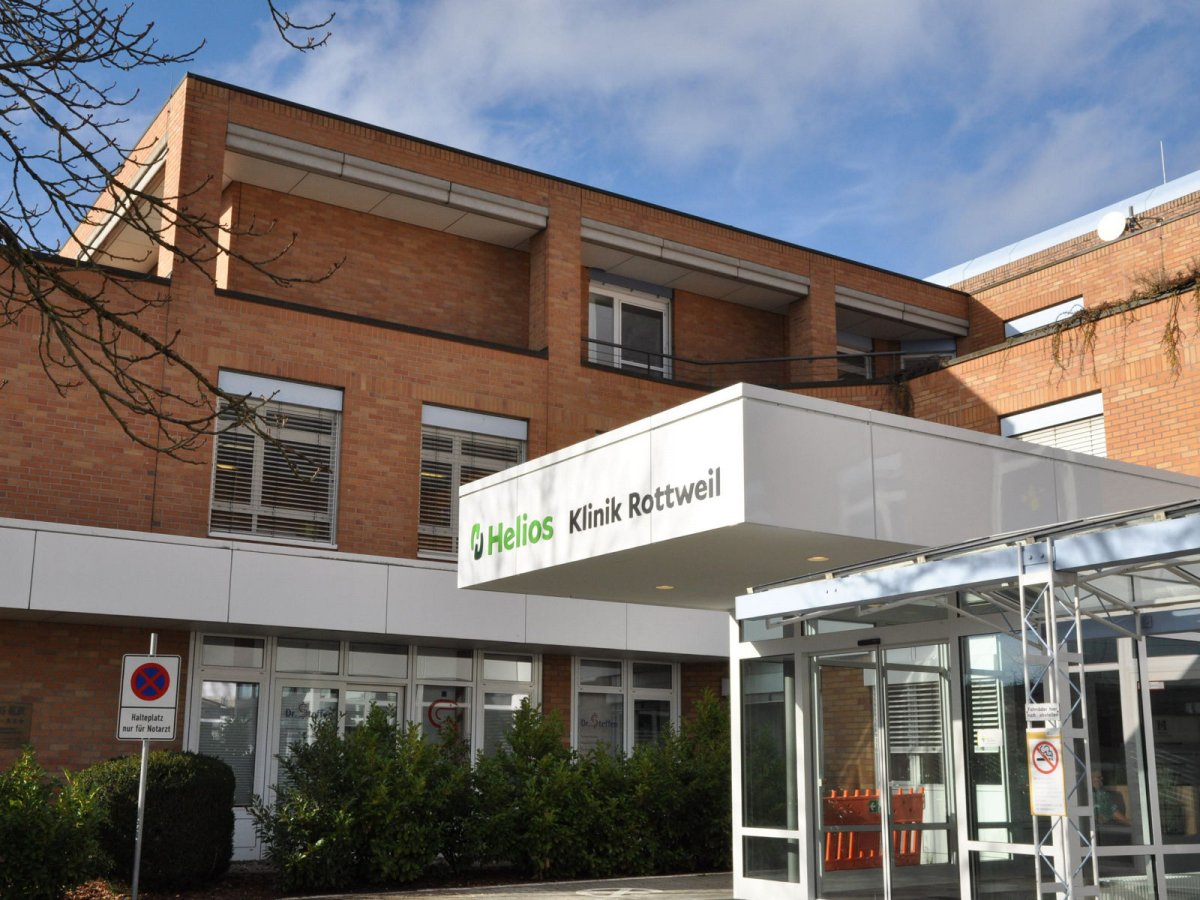
- Proveedores clínicos: Disponible en centros importantes como el Hospital Universitario Helios de Wuppertal y clínicas especializadas.
- Cobertura de seguro: El seguro privado generalmente cubre los costos, mientras que el seguro público a menudo requiere una aprobación individual.
- Variantes avanzadas: Muchos centros ofrecen Estimulación por Ráfagas Theta (TBS) junto con los protocolos estándar de EMTr.
Perspectiva del experto de Bookimed: Alemania se clasifica entre nuestros 10 principales destinos globales para la atención médica con 82 clínicas especializadas. El Hospital Universitario Helios de Wuppertal trata a 150,000 pacientes anualmente. Los entornos universitarios grandes a menudo brindan acceso a los protocolos acelerados más recientes. Estas instituciones mantienen estándares de calidad má
¿Quién NO es candidato para la EMT?
Los pacientes con implantes metálicos no extraíbles en la cabeza o el cuello no son candidatos para la EMT. Esto incluye clips de aneurisma, implantes cocleares, stents y estimuladores cerebrales. Las personas con epilepsia activa o dispositivos cardiovasculares implantados como marcapasos también enfrentan la exclusión debido a la interferencia del campo magnético.
- Implantes metálicos: Los objetos ferromagnéticos a menos de 12 pulgadas (30 cm) de la bobina representan riesgos de seguridad.
- Trastornos convulsivos: La epilepsia activa o las convulsiones recientes no provocadas generalmente descalifican a los pacientes del tratamiento.
- Dispositivos electrónicos: Los marcapasos y los estimuladores del nervio vago pueden funcionar mal durante el proceso de estimulación.
- Inestabilidad clínica: La psicosis o manía no tratada requiere estabilización antes de comenzar las sesiones de terapia magnética.
Perspectiva del experto de Bookimed: Los hospitales universitarios alemanes, como Helios Wuppertal, tratan a 150.000 pacientes al año utilizando protocolos altamente especializados. Los datos indican que las clínicas a menudo excluyen a los pacientes también en función de factores de estilo de vida. Aquellos que no pueden comprometerse a sesiones diarias durante 4 a 6 semanas son frecuentemente redirigidos a tratamientos alternativos.
¿Qué afecciones puede tratar la EMT?
La estimulación magnética transcraneal trata la depresión resistente al tratamiento, el trastorno obsesivo-compulsivo y el abandono del hábito de fumar mediante impulsos magnéticos. Las clínicas universitarias alemanas también utilizan la EMT repetitiva para las migrañas, la ansiedad y el trastorno de estrés postraumático. Este enfoque no invasivo estimula las células nerviosas sin necesidad de anestesia ni hospitalización para los pacientes.
- Trastornos depresivos: La EMT trata la depresión grave cuando los medicamentos o la psicoterapia resultan ineficaces.
- Afecciones neurológicas: Protocolos especializados ayudan a controlar las migrañas crónicas y los síntomas de dolor neuropático.
- Ansiedad y TEPT: Las clínicas utilizan la rTMS para reducir la intensidad de los recuerdos traumáticos y el pánico.
- Trastorno obsesivo-compulsivo: La estimulación magnética reduce los pensamientos intrusivos y los comportamientos compulsivos en adultos.
Perspectiva del experto de Bookimed: Los centros académicos alemanes, como el Hospital Universitario Helios de Wuppertal, integran la rTMS con la psicoterapia. Los datos sugieren que combinar estas terapias acelera la recuperación de los pacientes con ansiedad crónica. Este enfoque dual es más eficaz que utilizar la estimulación magnética sola.
Consenso de los pacientes: Muchos pacie
¿Existen efectos secundarios?
La estimulación magnética transcraneal (EMT) en Alemania generalmente causa efectos secundarios leves y temporales. La mayoría de los pacientes experimentan una leve incomodidad en el cuero cabelludo o dolores de cabeza localizados durante las primeras sesiones. Estos efectos suelen desaparecer rápidamente. Las complicaciones graves son excepcionalmente raras. Las sesiones no requieren anestesia ni medicación sistémica.
- Molestias en el cuero cabelludo: Los pacientes suelen informar una sensación de golpeteo o sensibilidad leve durante la estimulación con la bobina.
- Dolores de cabeza comunes: Pueden ocurrir dolores de cabeza leves después de las sesiones, pero generalmente mejoran en cuestión de días.
- Espasmos musculares: Pueden producirse contracciones temporales de los músculos de la mandíbula o la cara durante los impulsos magnéticos.
- Fatiga física: Algunas personas se sienten cansadas o experimentan breves cambios en el sueño después de las sesiones de tratamiento.
Perspectiva del experto de Bookimed: Los hospitales universitarios alemanes, como Helios Wuppertal, aprovechan el mapeo preciso para minimizar la irritación del cuero cabelludo. Los datos muestran que ajustar la intensidad de la estimulación durante las primeras tres sesiones mejora significativamente la comodidad del paciente. Esta calibración personalizada ayuda a quienes tiene
¿Qué es la EMT y cómo funciona?
La estimulación magnética transcraneal (EMT) es un procedimiento no invasivo que utiliza campos magnéticos para estimular las células nerviosas. Se centra en las regiones cerebrales responsables del control del estado de ánimo. Los médicos la utilizan para tratar la depresión y el TOC mediante la administración de pulsos magnéticos a través de una bobina electromagnética colocada contra el cuero cabelludo.
- Administración de pulsos: Los campos magnéticos crean corrientes eléctricas que estimulan las neuronas sin cirugía ni anestesia.
- Regulación del estado de ánimo: Los pulsos reactivan áreas hipoactivas o calman regiones hiperactivas asociadas con la depresión.
- Programa de tratamiento: Los pacientes suelen asistir a sesiones de 20 minutos 5 días a la semana durante 6 semanas.
- Tiempo de recuperación: No se requiere tiempo de inactividad. Los pacientes reanudan sus actividades normales inmediatamente después de cada sesión.
Perspectiva del experto de Bookimed: Clínicas alemanas como el Hospital Universitario Helios de Wuppertal atienden a más de 150 000 pacientes al año. Los grandes centros universitarios suelen ofrecer protocolos más precisos. Utilizan mapeo de alta densidad para apuntar a regiones cerebrales específicas. Esta experiencia suele conducir a una colocación de electrodos más precisa durante las sesiones iniciales.
¿Cuántas sesiones se necesitan?
La estimulación magnética transcraneal (EMT) estándar en Alemania suele requerir de 20 a 40 sesiones para obtener resultados óptimos. Los pacientes suelen asistir a sesiones diarias cinco días a la semana durante 4 a 8 semanas. Este protocolo intensivo ayuda a estimular las células nerviosas del cerebro para mejorar los síntomas de la depresión clínica.
- Protocolo estándar: La mayoría de los pacientes completan 30 sesiones para garantizar una mejora clínica estable.
- Frecuencia del tratamiento: Las clínicas programan sesiones diarias de lunes a viernes para mantener la estimulación neuronal.
- Respuesta temprana: Algunos pacientes informan haber notado cambios en el estado de ánimo después de 10 a 20 sesiones.
- Atención a largo plazo: Pueden recomendarse sesiones de mantenimiento después del curso inicial de tratamiento agudo.
Perspectiva del experto de Bookimed: Los hospitales universitarios alemanes como Helios Wuppertal tratan a 150.000 pacientes al año utilizando protocolos europeos estandarizados. Los datos sugieren que, si bien las clínicas ofrecen cursos desde $2,200, los resultados más exitosos ocurren cuando los pacientes se comprometen con el ciclo completo de 30 sesiones. Los cursos más cortos a menudo conducen a tasas de recaída más altas.
Consenso de los pacientes: Los pacientes enfatizan qu
¿Es la EMT lo mismo que la terapia electroconvulsiva (TEC)?
La EMT (Estimulación Magnética Transcraneal) no es lo mismo que la terapia electroconvulsiva (TEC). La EMT utiliza pulsos magnéticos no invasivos para estimular células nerviosas específicas que regulan el estado de ánimo mientras los pacientes permanecen despiertos. La TEC induce convulsiones controladas mediante corrientes eléctricas bajo anestesia general para tratar afecciones psiquiátricas graves y resistentes al tratamiento.
- Método de acción: La EMT emplea bobinas electromagnéticas; la TEC administra estimulación eléctrica directa para provocar convulsiones.
- Requisitos de anestesia: La TEC requiere anestesia general y relajantes musculares. Las sesiones de EMT no requieren sedación.
- Entorno de tratamiento: Los cirujanos realizan la TEC en hospitales. La EMT es un procedimiento clínico ambulatorio y cómodo.
- Impacto cognitivo: La EMT evita los riesgos de pérdida de memoria y confusión frecuentemente asociados con la TEC.
Opinión de expertos de Bookimed: Los hospitales universitarios alemanes, como Helios Wuppertal, aprovechan la EMT como puente especializado para casos resistentes al tratamiento. Aunque Alemania ocupa el octavo lugar a nivel mundial en estas solicitudes, la infraestructura aquí se centra en la precisión académica. Los pacientes a menudo eligen los centros alemanes porque ofrecen atención psiquiátrica integrada junto
¿Qué hospitales en Alemania tienen las calificaciones más altas en neurocirugía?
Alemania alberga algunos de los departamentos de neurocirugía más prestigiosos del mundo, liderados por la Charité – Universitätsmedizin Berlin y el Hospital Universitario de Heidelberg. Estos centros destacan en el tratamiento de tumores cerebrales complejos y enfermedades cerebrovasculares. Para maximizar la eficacia de sus procedimientos, utilizan tecnologías de vanguardia como la resonancia magnética intraoperatoria y la neuronavegación asistida por computadora.
- Charité Berlín: Realiza más de 5000 cirugías al año. La clínica está dirigida por el reconocido neurocirujano Dr. Peter Vaikoczy.
- Centro Médico Solingen: El Dr. Ralf Buhl ha realizado más de 4.000 cirugías, incluidas cirugías de columna mínimamente invasivas.
- Clínica Asklepios Nord: equipada con el único sistema de resonancia magnética intraoperatoria bilateral de Alemania para garantizar precisión quirúrgica en tiempo real durante la extirpación del tumor.
- Clínica Nordwest: reconocida por la revista Newsweek como un hospital líder por su innovación en tecnología de ultrasonido 3D.
Opinión experta de Bookimed: Los datos muestran que elegir centros con un alto volumen quirúrgico suele llevar a recomendaciones de tratamiento más conservadoras. En el Centro Médico Solingen, que atiende a más de 60.000 pacientes al año, los cirujanos suelen sugerir fisioterapia en lugar de cirugía
¿Cuáles son las tasas de éxito de los procedimientos neuroquirúrgicos complejos en Alemania?
En Alemania, los procedimientos neuroquirúrgicos de alta complejidad demuestran una seguridad excepcional. Las tasas de éxito en las fusiones espinales alcanzan el 99 %. La tasa de supervivencia en las resecciones de tumores cerebrales primarios es del 97 %. La independencia funcional es alta. Más del 82 % de los pacientes reciben el alta inmediatamente después del tratamiento. Los centros alemanes priorizan la preservación de la función neurológica mediante técnicas modernas de mapeo.
- Resección de tumores: los cirujanos logran una resección tumoral completa en el 87,2% de los casos de metástasis cerebrales.
- Éxito en el tratamiento de enfermedades vasculares: los hospitales alemanes informan de una tasa de supervivencia del 98,7% para aneurismas no rotos.
- Mejora del estado neurológico: casi el 43% de los pacientes experimentan una mejora de los parámetros funcionales después de resecciones complejas.
- Seguridad de las intervenciones quirúrgicas: En grandes centros quirúrgicos, las tasas de supervivencia de los pacientes después de la cirugía de columna son del 98-99%.
Opinión experta de Bookimed: Cirujanos experimentados como el Dr. Uwe Köhler, de la Clínica Asklepios Altona, realizan más de 2000 cirugías al año. Los datos muestran que estos especialistas mantienen tasas de éxito de hasta el 90 %, incluso en los tumores cerebrales más comp
¿Qué tecnologías avanzadas suelen estar disponibles en las clínicas neuroquirúrgicas alemanas?
Las clínicas neuroquirúrgicas alemanas incorporan regularmente instrumentos digitales de alta precisión y visualización en tiempo real a la práctica quirúrgica. Entre las tecnologías clave se encuentra la neuronavegación computarizada para cirugías de cerebro y médula espinal. Instituciones como la Clínica Asklepios Nord utilizan la resonancia magnética intraoperatoria para verificar la extirpación de tumores en tiempo real. Estos sistemas proporcionan a los cirujanos navegación GPS 3D.
- Neuronavegación: proporciona visualización 3D y seguimiento de instrumentos en tiempo real para lograr precisión quirúrgica hasta el nivel submilimétrico.
- Imágenes intraoperatorias: sistemas como iMRI y O-arm CT permiten la confirmación inmediata de una resección exitosa.
- Neuromonitorización: Monitorea las funciones motoras y sensoriales durante la cirugía para proteger el sistema nervioso.
- Diagnóstico de fluorescencia: se utiliza el colorante 5-ALA para resaltar los bordes del tumor para una eliminación más completa.
- Asistencia robótica: Sistemas como el Da Vinci mejoran la precisión en procedimientos complejos y mínimamente invasivos.
Opinión experta de Bookimed: Grandes centros como la Charité – Universitätsmedizin de Berlín realizan más de 4000 procedimientos neuroquirúrgicos al año, lo que crea un entorno rico en datos para p