Vasectomía en Alemania — obtén 3 clínicas con costos


Revisado médicamente por
Fahad Mawlood
¿Cuál es el precio de Vasectomía en Alemania? Descubra ahora
El costo de una vasectomía en Alemania suele oscilar entre $1,100 y $1,900. Los precios pueden variar según la clínica, la experiencia del cirujano y si el procedimiento se realiza mediante una técnica sin bisturí o convencional. UU.
Las clínicas alemanas suelen incluir la consulta inicial, los análisis de sangre preoperatorios, la medicación posoperatoria, las visitas de seguimiento y atención al paciente las 24 horas del día, los 7 días de la semana. También recibirá planes de tratamiento personalizados e instrucciones de cuidado, además de comidas durante las visitas a la clínica. En los EE. UU., el precio base a menudo cubre solo el procedimiento, mientras que las consultas, los análisis y los seguimientos se facturan por separado. Confirme siempre qué está incluido exactamente en la clínica que elija.
Beneficios clave
¿Por qué eligen los pacientes Alemania para una vasectomía?
- Clínicas acreditadas: Las clínicas en Alemania están reconocidas por KTQ por sus altos estándares en calidad de atención médica y seguridad del paciente.
- Técnicas modernas: Procedimientos como la vasectomía sin bisturí (NSV) y el uso del clip LiNA Gold ofrecen opciones menos invasivas. Estos métodos también proporcionan un tiempo de recuperación mínimo.
- Altas tasas de éxito: Los procedimientos de vasectomía en Alemania cuentan con una notable tasa de eficacia del 99.85%. Esto asegura resultados confiables para la anticoncepción permanente.
- Cirujanos expertos: Los principales urólogos, certificados por la Sociedad Alemana de Urología, han realizado miles de vasectomías. Su experiencia garantiza pericia y precisión en cada procedimiento.
Acceda a soluciones avanzadas de vasectomía en clínicas de confianza de $1,100.
| Alemania | España | Turquía | |
|---|---|---|---|
| Vasectomía | ≈ $1,100 | de $4,500 | de $1,100 |
| Reversión de la vasectomía (Vasovasostomía) | ≈ $4,300 | ≈ $3,800 | de $6,400 |
Sus beneficios y garantías con Bookimed
Precios directos
Bookimed no añade cargos adicionales a los precios de Vasectomía. Las tarifas proceden de las listas de precios oficiales de las clínicas. Pagará directamente en la clínica por su Vasectomía a su llegada al país.
Sólo clínicas y médicos verificados
Bookimed está comprometido con su seguridad. Solo trabajamos con las clínicas que mantienen altos estándares internacionales en Vasectomía y tienen las licencias necesarias para atender a pacientes internacionales en todo el mundo.
Asistencia 24/7 gratuita
Bookimed ofrece asistencia experta gratuita. Un coordinador médico personal le apoya antes, durante y después del tratamiento, resolviendo cualquier problema. Nunca estará solo en su viaje médico de Vasectomía.

Su coordinador médico personal de Bookimed
- Le apoya en cada etapa
- Ayuda a elegir la clínica y el médico adecuados
- Asegura un acceso rápido y conveniente a la información
Descubra las mejores clínicas de Vasectomía en Alemania: 4 opciones verificadas y Precios









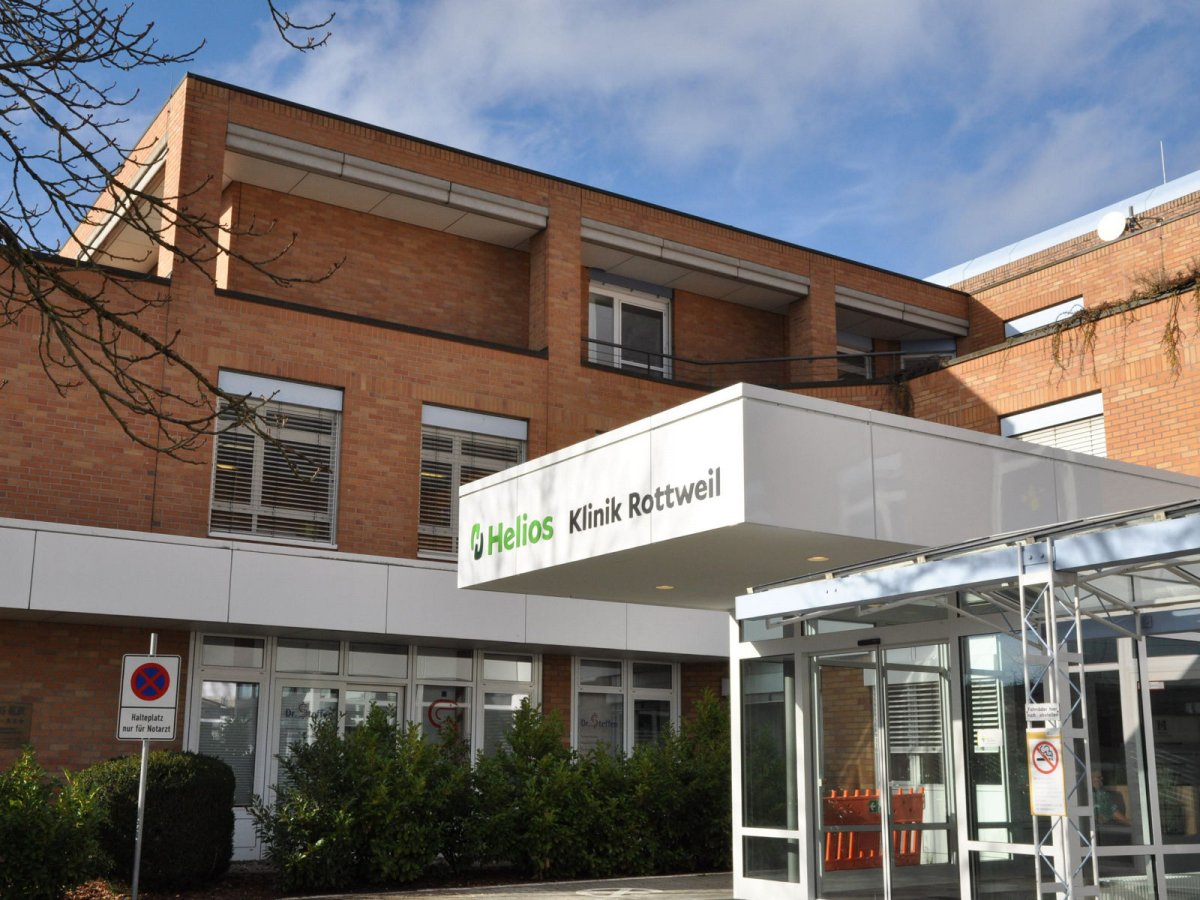



Descripción general de Vasectomía en Alemania
- Vasectomía - de $1,100La operación es un método de esterilización masculina permanente que consiste en sellar/cortar los conductos que transportan los espermatozoides.
Día 1 - Llegada
- Llegada al país y traslado por cuenta propia a su alojamiento.
- Descansa y prepárate para tu consulta preoperatoria de mañana.
Día 2 - Preoperatorio
- Visite la clínica para una consulta preoperatoria con un urólogo.
- Someterse a las pruebas médicas necesarias, como análisis de sangre, análisis de orina.
- Recibir instrucciones sobre la preparación para la cirugía.
Día 3 - Procedimiento de Vasectomía
- Llegada a la clínica por la mañana.
- El procedimiento dura entre 30 minutos y una hora.
- Se usa anestesia local para adormecer el área.
- El cirujano hace pequeños cortes en el escroto y sella las trompas.
- Después de la operación, reposo bajo observación en la clínica.
Día 4 - Postoperatorio
- Asistir a un control postoperatorio en la clínica.
- Discuta cualquier inquietud y reciba instrucciones para la recuperación.
Semana 1 - Rehabilitación
- Descansa y recupérate. Evite levantar objetos pesados y las actividades sexuales.
- Use bolsas de hielo y tome los medicamentos recetados para controlar el dolor.
Semana 2 - Rehabilitación
- Regrese al trabajo si no es físicamente exigente.
- Continúe evitando actividades extenuantes y deportes.
Semana 3 - Rehabilitación
- Reanude todas las actividades normales, incluidos los deportes.
- Recuerde que la vasectomía no tiene efecto anticonceptivo inmediato.
Semana 12 - Rehabilitación
- Envíe una muestra de semen a la clínica para confirmar la esterilidad.
- Una vez confirmada, se logra el efecto anticonceptivo de la vasectomía.
Nota: El proceso de recuperación de cada paciente puede variar según las circunstancias individuales y la salud general.
- Depósito de Bookimed: 200 $ o 200 €.
- Depósito de la clínica: Pague un porcentaje fijo por adelantado.
Bookimed, una plataforma líder mundial en turismo médico, se compromete a ayudar a los clientes que buscan vasectomía en Alemania ofreciéndoles asistencia experta y soluciones médicas confiables para cada situación. Se utiliza un sistema de clasificación automático inteligente para elaborar listas de clínicas transparentes, mantenidas meticulosamente por un científico de datos que utiliza IA para mayor precisión. La plataforma garantiza la autenticidad al publicar reseñas de pacientes reales después de sus tratamientos. Bookimed ofrece soluciones médicas integrales, con actualizaciones de las clínicas para garantizar la confiabilidad. El contenido sobre vasectomía en Alemania, elaborado por autores médicos experimentados y revisado por especialistas, cumple con las pautas editoriales de Bookimed , lo que refleja el compromiso de la plataforma de brindar información de salud clara y de alta calidad. Para obtener más detalles o consultas, no dude en contactarnos en marketing@bookimed.com o obtenga más información sobre nosotros y nuestra misión Acerca de Bookimed .
Obtenga una evaluación médica para Vasectomía en Alemania: Elija su especialista entre los mejores en el campo
Ver todos los médicos
Florian Gebauer Chief Of General And Visceral Surgery
Historias en video de pacientes de Bookimed
Reseñas
Todas las reseñasCompartir contenido
 Olena Sikoza
Preguntas frecuentes sobre Vasectomía en Alemania
¿Cómo encuentro un urólogo que hable inglés para una vasectomía en Alemania?
Encontrar un urólogo de habla inglesa en Alemania implica buscar en hospitales universitarios y clínicas privadas especializadas en las principales ciudades. Muchos especialistas en centros académicos como el Hospital Universitario Helios de Wuppertal o el Centro Médico de Solingen mantienen un alto nivel de inglés debido a los estándares de investigación internacional y al volumen de pacientes.
- Estrategia de búsqueda: Utilice plataformas como Doctolib, filtrando por inglés entre los idiomas hablados.
- Centros académicos: Los hospitales afiliados a universidades suelen emplear personal acostumbrado a tratar a pacientes internacionales.
- Coordinación de pacientes: Contacte con los departamentos internacionales de las clínicas para verificar el dominio del inglés tanto del personal como de los médicos.
- Requisito de consulta: Alemania exige una sesión obligatoria de asesoramiento preoperatorio, que suele realizarse en inglés si se solicita.
Perspectiva de expertos de Bookimed: Aunque muchos urólogos alemanes hablan inglés, optar por clínicas con certificación KTQ (Cooperación para la Transparencia y la Calidad en la atención sanitaria) garantiza estándares de comunicación estructurados. Las clínicas del complejo de Renania del Norte-Westfalia priorizan estos puntos de referencia de calidad, convirtiéndolas en opciones fiables para pacientes
¿Es efectiva una vasectomía de inmediato?
Una vasectomía no es efectiva de inmediato después de la cirugía. Los pacientes deben usar métodos anticonceptivos alternativos durante al menos 2 o 3 meses. La fecundación sigue siendo posible hasta que los espermatozoides restantes se eliminen de los conductos reproductivos. El éxito solo se confirma una vez que un análisis de semen muestra un recuento de espermatozoides igual a cero.
- Cronograma de limpieza: La limpieza del sistema generalmente requiere de 15 a 20 eyaculaciones durante varias semanas.
- Prueba de confirmación: Los médicos realizan un análisis de semen de 8 a 12 semanas después de la operación para verificar la infertilidad.
- Riesgo de fracaso: El fracaso a largo plazo ocurre en aproximadamente 1 de cada 2,000 casos confirmados.
- Curación vs. fertilidad: La recuperación física de las incisiones no significa que el procedimiento sea efectivo.
Perspectiva del experto de Bookimed: Aunque Alemania ocupa el cuarto lugar a nivel mundial en solicitudes médicas, los pacientes a menudo pasan por alto la logística del seguimiento. Los hospitales universitarios como Helios Wuppertal manejan volúmenes masivos, pero requieren una estricta puntualidad en las citas. Debe programar su prueba de confirmación exactamente a las 12 semanas para evitar falsos positivos.
Consenso de los pacientes: Los pacientes enfatizan
¿Puedo conducir yo mismo para regresar a casa después del procedimiento?
No debería conducir inmediatamente después de una vasectomía en Alemania. Aunque la anestesia local es el estándar, los médicos desaconsejan conducir durante 24 a 48 horas. El entumecimiento residual, el estrés posterior al procedimiento o los medicamentos sedantes pueden afectar significativamente sus tiempos de reacción y su comodidad física al volante.
- Efectos de la anestesia: La conducción está estrictamente prohibida si las clínicas utilizan sedación intravenosa o medicamentos ansiolíticos.
- Molestias físicas: El dolor postquirúrgico y las prendas de soporte escrotal dificultan el uso de los pedales o el cambio de marchas.
- Posibles emergencias: Pueden ocurrir reacciones tardías a la anestesia local o mareos repentinos después del procedimiento.
- Alta hospitalaria: Los centros líderes como el Medical Center en Solingen exigen un transporte preestablecido por seguridad.
Perspectiva del experto de Bookimed: Las clínicas alemanas como el Helios Universitätsklinikum Wuppertal priorizan la seguridad del paciente con estrictos protocolos de alta. Aunque la vasectomía es un procedimiento ambulatorio, muchos departamentos de urología especializados en Alemania no le permitirán irse solo. A menudo sugieren utilizar el eficiente transporte público de Alemania o un taxi si no hay un familiar disponible.
Consenso de los pacientes:<
¿Está cubierta la vasectomía por el seguro médico público alemán (Krankenkasse)?
El seguro médico público alemán (Krankenkasse) generalmente no cubre los costos de la vasectomía. El procedimiento se considera una elección anticonceptiva electiva más que una necesidad médica. Los pacientes deben pagar de su bolsillo a menos que demuestren una razón médica grave confirmada por un médico y documentada para la aseguradora.
- Costos de bolsillo: Espere pagar entre $1,100 y $1,900 por el procedimiento completo.
- Reembolso directo: Las aseguradoras públicas como TK o AOK rara vez reembolsan estos costos quirúrgicos electivos.
- Servicios incluidos: Los precios cotizados generalmente cubren consultas, anestesia local, cirugía y análisis de esperma de seguimiento.
- Seguro privado: Algunas pólizas privadas pueden ofrecer cobertura parcial según su contrato individual.
Opinión del experto de Bookimed: Aunque los consultorios pequeños cobran menos, elegir grandes centros como el Hospital Universitario Helios de Wuppertal o el Complejo Clínico de Renania del Norte-Westfalia garantiza departamentos de urología especializados. Estas instituciones manejan más de 100.000 pacientes al año. Solicite un Kostenvoranschlag (estimación de costos) por escrito que incluya explícitamente las pruebas de seguimiento obligatorias.
Consenso de los pacientes: Los pacientes sugieren considerar el procedimi
¿Causa la vasectomía disfunción sexual o aumento de peso?
La vasectomía no causa disfunción sexual ni aumento de peso. Sirve como método anticonceptivo permanente sin alterar los niveles de testosterona o el metabolismo. Los hombres conservan su deseo sexual, función eréctil e intensidad del orgasmo, ya que el procedimiento solo bloquea la entrada de esperma al líquido seminal.
- Desempeño sexual: La libido y las erecciones no se ven afectadas ya que la producción de testosterona continúa normalmente.
- Volumen de eyaculación: El volumen de semen disminuye solo un 5% porque la próstata proporciona la mayor parte del fluido.
- Impacto metabólico: No ocurren cambios hormonales, por lo que el aumento de peso no es un efecto secundario clínico.
- Beneficio psicológico: Muchos pacientes reportan una mayor satisfacción sexual después de eliminar el miedo al embarazo.
Opinión de expertos de Bookimed: Si bien los centros de urología alemanes como el Hospital Universitario Helios de Wuppertal se especializan en técnicas asistidas por robot precisas, los resultados de los pacientes a menudo dependen de la comodidad psicológica. Los datos sugieren que las clínicas con grandes volúmenes de pacientes, como el Centro Médico de Solingen que atiende a 60,000 pacientes al año, ofrecen un volumen procedimental que se correlaciona con menos molestias posoperatorias.
Consenso de los pacientes: La
¿Se puede revertir una vasectomía?
La reversión de la vasectomía es posible mediante procedimientos microquirúrgicos como la vasovasostomía o la vasoepididimostomía. Los cirujanos vuelven a conectar los conductos deferentes para restaurar el flujo de esperma. Si bien el esperma regresa al semen en hasta el 95% de los casos, el embarazo natural ocurre en aproximadamente el 55% de las parejas después de la cirugía.
- Tipos de procedimiento: Los cirujanos realizan una reconexión directa o un bypass complejo al epidídimo.
- Tasas de éxito: La permeabilidad espermática oscila entre el 60% y el 95% dependiendo de la técnica quirúrgica.
- Momento óptimo: Los procedimientos realizados dentro de los 3 años posteriores a la vasectomía producen las tasas de embarazo más altas.
- Duración quirúrgica: Esta delicada microcirugía ambulatoria generalmente requiere de 3 a 4 horas bajo anestesia.
Opinión de expertos de Bookimed: Los hospitales universitarios alemanes como Helios Wuppertal o la Clínica Bremen-Mitte ofrecen experiencia urológica de primer nivel, a menudo vinculada a centros de oncología. Los pacientes encuentran que estos centros multidisciplinarios utilizan equipos microquirúrgicos avanzados, estándar en las alas de cirugía robótica y visceral alemanas. Elegir una instalación con un gran volumen de pacientes, como aquellas que atienden a entre 40,000 y 150,000 pacientes, garantiza
¿Cómo se realiza el procedimiento de vasectomía?
La vasectomía en Alemania es un procedimiento ambulatorio permanente que bloquea el esperma cortando y sellando los conductos deferentes. Los cirujanos utilizan anestesia local para garantizar una experiencia sin dolor. La cirugía generalmente concluye en menos de 60 minutos con una tasa de éxito superior al 99.9%.
- Técnica sin bisturí: Los médicos utilizan un orificio de punción diminuto para minimizar el sangrado y los hematomas.
- Acceso y sellado: Los cirujanos localizan los conductos deferentes, luego cortan y cauterizan o sujetan los extremos.
- Entorno ambulatorio: El procedimiento se realiza en clínicas de urología especializadas como el Hospital Universitario Helios Wuppertal.
- Período de recuperación: La mayoría de los pacientes regresan a actividades ligeras después de 2 a 3 días de descanso.
Perspectiva del experto de Bookimed: Los centros de urología alemanes a menudo proporcionan técnicas avanzadas sin bisturí como servicio ambulatorio estándar. Clínicas como Bremen-Mitte Clinic combinan un alto volumen de pacientes con certificaciones ISO para garantizar la seguridad. Elegir un centro con más de 40,000 pacientes al año sugiere protocolos refinados y un control de recuperación eficiente.
Consenso del paciente: Muchos encuentran que la inyección inicial de anestesia local es la única molestia aguda. La ans
¿Cuánto tiempo de inactividad se necesita después de una vasectomía?
Los pacientes generalmente requieren de 2 a 3 días de inactividad estricta después de una vasectomía. La mayoría de los hombres regresan al trabajo de oficina sedentario dentro de las 48 horas. Sin embargo, la recuperación completa toma alrededor de 10 días. Se debe evitar la actividad extenuante o levantar objetos pesados durante al menos 1 semana.
- Recuperación inicial: Descanse completamente durante los primeros 1 a 3 días para asegurar una curación adecuada.
- Límites de actividad: Evite levantar objetos pesados, andar en bicicleta y hacer ejercicio intenso durante 7 a 10 días.
- Regreso al trabajo: Regreso a roles de oficina en 2 días; el trabajo físico requiere 1 semana de descanso.
- Actividad sexual: Absténgase de tener relaciones sexuales y eyacular durante 2 a 7 días después del procedimiento.
Perspectiva del experto de Bookimed: Los hospitales universitarios alemanes como Helios Wuppertal manejan grandes volúmenes, tratando a menudo a 150,000 pacientes al año. Esta escala asegura que los cirujanos mantengan una alta precisión. Aunque puede sentirse listo para hacer ejercicio al cuarto día, los datos sugieren esperar. La actividad prematura a menudo desencadena una inflamación tardía que extiende el tiempo total de recuperación.
Consenso del paciente: Muchos se sienten sorprendentemente bien el segundo día, pe
¿Cómo debo prepararme para una vasectomía?
La preparación para una vasectomía en Alemania requiere el manejo de medicamentos, la organización de apoyo postoperatorio y el seguimiento de los protocolos de higiene específicos de la clínica. Debe organizar el transporte, usar ropa de apoyo y planificar de 2 a 3 días de descanso para asegurar una curación óptima y prevenir complicaciones comunes como la inflamación.
- Manejo de medicamentos: Suspenda los anticoagulantes como aspirina o ibuprofeno varios días antes de su procedimiento.
- Preparación física: Afeite el escroto según las instrucciones para prevenir infecciones e irritaciones.
- Apoyo escrotal: Traiga ropa interior ajustada o un soporte atlético para proporcionar la compresión necesaria.
- Logística postoperatoria: Organice un conductor para su regreso a casa para evitar el esfuerzo físico.
Perspectiva del experto de Bookimed: Aunque las clínicas alemanas como el Hospital Universitario Helios Wuppertal o el Centro Médico de Solingen mantienen estándares altos, los pacientes a menudo pasan por alto la prueba de esterilidad. Debe seguir usando protección alternativa hasta que un análisis de semen de seguimiento confirme un conteo de espermatozoides de cero. Esta prueba suele realizarse semanas después de la cirugía.
Consenso del paciente: Muchos pacientes encuentran que el procedimiento es más rápido y meno
¿Qué hospitales en Alemania tienen las calificaciones más altas en neurocirugía?
Alemania alberga algunos de los departamentos de neurocirugía más prestigiosos del mundo, liderados por la Charité – Universitätsmedizin Berlin y el Hospital Universitario de Heidelberg. Estos centros destacan en el tratamiento de tumores cerebrales complejos y enfermedades cerebrovasculares. Para maximizar la eficacia de sus procedimientos, utilizan tecnologías de vanguardia como la resonancia magnética intraoperatoria y la neuronavegación asistida por computadora.
- Charité Berlín: Realiza más de 5000 cirugías al año. La clínica está dirigida por el reconocido neurocirujano Dr. Peter Vaikoczy.
- Centro Médico Solingen: El Dr. Ralf Buhl ha realizado más de 4.000 cirugías, incluidas cirugías de columna mínimamente invasivas.
- Clínica Asklepios Nord: equipada con el único sistema de resonancia magnética intraoperatoria bilateral de Alemania para garantizar precisión quirúrgica en tiempo real durante la extirpación del tumor.
- Clínica Nordwest: reconocida por la revista Newsweek como un hospital líder por su innovación en tecnología de ultrasonido 3D.
Opinión experta de Bookimed: Los datos muestran que elegir centros con un alto volumen quirúrgico suele llevar a recomendaciones de tratamiento más conservadoras. En el Centro Médico Solingen, que atiende a más de 60.000 pacientes al año, los cirujanos suelen sugerir fisioterapia en lugar de cirugía