Neurología en India: las 62 mejores clínicas con opiniones de pacientes


Revisado médicamente por
Fahad Mawlood
¿Cuál es el precio de procedimientos de Neurología en India? Descubra ahora
Neurology treatment in India typically costs between $2,400 and $8,900. Prices vary based on the specific neurological condition, the need for surgical intervention versus long-term medication, and the duration of hospital stays. Patients seeking care in India can often expect 60-75% savings compared to prices in the US.
Typical Neurology Costs in India
- Consultation with a neurologist: de $20
- Brain MRI: Precio a consultar
- Deep brain stimulation (DBS) surgery: de $18,000
- Gamma Knife: $4,500 – $6,500
- Plasmapheresis: Precio a consultar
- Medication treatment for epilepsy: Precio a consultar
- Surgical treatment of epilepsy: Precio a consultar
- Vagus nerve stimulation: Precio a consultar
- Medication treatment for multiple sclerosis: Precio a consultar
- Rehabilitation with exoskeleton: $1,800 – $4,200
Major neurological centers are located in Delhi, Mumbai, and Bangalore, where costs are generally higher than in other regions. Consult with a specialist to get accurate pricing and a tailored treatment plan for your specific neurological needs.
| India | España | Turquía | |
|---|---|---|---|
| Terapia de caricias | ≈ $180 | ≈ $380 | de $150 |
| Terapia Vojta | ≈ $450 | ≈ $600 | de $230 |
| Rehabilitación en la cinta de correr Anti Gravity | ≈ $600 | ≈ $500 | ≈ $900 |
| Rehabilitación con traje espacial TheraSuit | ≈ $1,800 | ≈ $2,800 | ≈ $1,500 |
| Rehabilitación con Exoesqueleto | ≈ $1,800 | ≈ $1,800 | ≈ $1,800 |
Todas las enfermedades de Neurología
Sus beneficios y garantías con Bookimed
Precios directos
Bookimed no añade cargos extra a los precios de los tratamientos de Neurología. Las tarifas proceden de las listas de precios oficiales de las clínicas. Pagará directamente en la clínica por su tratamiento a su llegada al país.
Sólo clínicas y médicos verificados
Bookimed está comprometido con su seguridad. Solo trabajamos con las clínicas que mantienen altos estándares internacionales en el tratamiento de Neurología y tienen las licencias necesarias para atender a pacientes internacionales en todo el mundo.
Asistencia 24/7 gratuita
Bookimed ofrece asistencia experta gratuita. Un coordinador médico personal le apoya antes, durante y después del tratamiento, resolviendo cualquier problema. Nunca estará solo en su viaje médico de procedimientos de Neurología.

Su coordinador médico personal de Bookimed
- Le apoya en cada etapa
- Ayuda a elegir la clínica y el médico adecuados
- Asegura un acceso rápido y conveniente a la información
Descubra las mejores clínicas de Neurología en India: 62 opciones verificadas y Precios




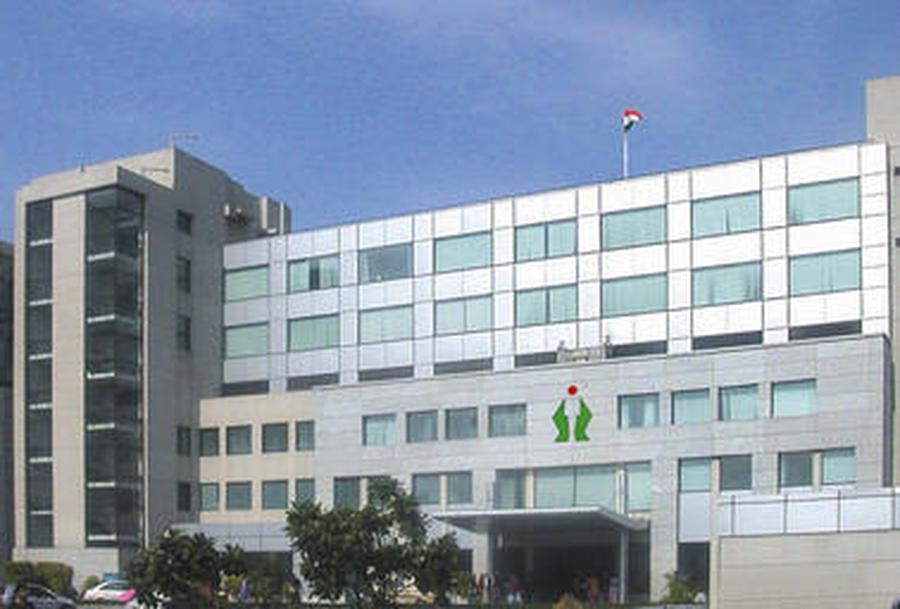






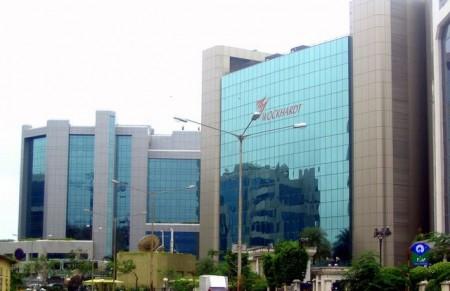
Wockhardt Hospital






Los mejores centros médicos de Neurología en India
- Artemis Hospitals, India
- Fortis Escorts Heart Institute, India
- Apollo Hospital Indraprastha, India
- Fortis Gurgaon, India
- Medanta Hospital, India
- Wockhardt Hospital, India
- Kokilaben Dhirubhai Ambani , India
- Manipal Hospitals, India
- Global Hospital Chennai, India
- BLK Super Speciality Hospital, India
Obtenga una evaluación médica de Neurología en India: haga una consulta con 24 médicos experimentados ahora
Ver todos los médicos
Nitin Lovhale

Dnyaneshwar Jadhav

Divya Ghai Chopra

Amodini Walia
Reseñas
Todas las reseñasArtículos relacionados
Ver más
Los 10 mejores hospitales de neurología del mundo: Ranking de pacientes Bookimed
Escrito por Вероника Казина

Enfermedad de Alzheimer: avances terapéuticos, centros especializados y costos del tratamiento mundial
Escrito por Olena Sikoza

Terapia con células madre para el autismo: Todo lo que hay que saber
Escrito por Mariia Mytrofankina

Tasa de éxito de la terapia con células madre para la enfermedad de Parkinson: Resumen del procedimiento, resultados de la investigación y opiniones de los pacientes
Escrito por Mariia Mytrofankina

¿Cuánto cuesta la cirugía de epilepsia?
Escrito por Ana Hurevska
Compartir contenido
Historias en video de pacientes de Bookimed
 Olena Sikoza
Preguntas frecuentes sobre Neurología en India
¿Por qué India es un destino popular para el tratamiento neurológico?
India es un destino líder en neurología gracias a sus especialistas altamente cualificados y su avanzada infraestructura médica. Instituciones como el Hospital Artemis y el Hospital Apollo Indraprastha cuentan con la acreditación JCI. Los especialistas suelen tratar diez veces más casos que sus homólogos occidentales. Este alto volumen de pacientes garantiza una precisión quirúrgica excepcional para afecciones neurológicas complejas.
- Cualificaciones de experto: Cirujanos como el Dr. Aditya Gupta han recibido una amplia formación en Estados Unidos y Europa.
- Tecnologías avanzadas: Las clínicas utilizan Cyberknife, Gamma Knife y sistemas robóticos para cirugías cerebrales y de columna vertebral.
- Alta tasa de éxito: Los centros informan de tasas de éxito de hasta el 95 % para los procedimientos de estimulación cerebral profunda (ECP).
- Ámbito de tratamiento: La atención médica especializada abarca la epilepsia, los aneurismas cerebrales, el tratamiento de accidentes cerebrovasculares y las reconstrucciones espinales complejas.
Análisis de expertos de Bookimed: Los datos muestran que grupos médicos indios como el Hospital Manipal atienden a más de 2.000.000 de pacientes al año. Esta magnitud permite a las clínicas invertir en tecnologías altamente especializadas, como el sistema de retractores espinales. Estos instrumentos suelen ser inventados
¿Cuál es la diferencia entre un neurólogo y un neurocirujano?
Un neurólogo trata las enfermedades del sistema nervioso mediante métodos no quirúrgicos, como medicamentos y fisioterapia. Un neurocirujano realiza cirugías en el cerebro, la columna vertebral y los nervios. En India, los neurólogos tratan afecciones crónicas como la epilepsia o el accidente cerebrovascular, mientras que los neurocirujanos tratan tumores, aneurismas y lesiones físicas.
- Enfoque clínico: Los neurólogos brindan tratamiento médico para los trastornos funcionales.
- Función quirúrgica: Los neurocirujanos realizan tanto cirugías abiertas como mínimamente invasivas.
- Trayectoria de formación: Los neurocirujanos indios suelen cursar un programa de maestría en cirujana (MCh) de 6 años después de obtener el título de médico (MBBS).
- Colaboración: Los neurólogos suelen diagnosticar los casos antes de derivar a los pacientes para cirugía.
Opinión experta de Bookimed: Los datos de los principales centros de la India, como Delhi y Gurgaon, muestran que las instituciones líderes suelen integrar a ambos especialistas en un mismo Instituto de Neurociencias. Por ejemplo, los hospitales Artemis y Global Hospital Chennai cuentan con neurólogos como el Dr. Sumit Singh y neurocirujanos como el Dr. Sridhar Krishnamurthy. Esta estructura es importante porque previene retrasos en el diagnóstico. Nuestros registros indican que los pacientes en centro
¿Cuándo debo consultar a un neurólogo?
Consulte a un neurólogo si experimenta dolores de cabeza persistentes, entumecimiento crónico o temblores que duren más de dos semanas. Una evaluación especializada en India es fundamental para descartar afecciones graves como esclerosis múltiple, epilepsia o accidente cerebrovascular. Se requiere atención de urgencia ante cambios repentinos en la visión o parálisis facial.
- Dolores de cabeza crónicos: Busque ayuda para las migrañas que no responden a los medicamentos de venta libre.
- Problemas de movilidad: Busque atención médica si experimenta temblores inexplicables, rigidez muscular o pérdida del equilibrio.
- Cambios cognitivos: Esté atento a lapsos repentinos de memoria, confusión o dificultad para encontrar las palabras.
- Alteraciones sensoriales: Evaluar el hormigueo persistente o la pérdida de sensibilidad en las extremidades.
Opinión de expertos de Bookimed: Los datos de los pacientes muestran una clara ventaja al acudir a centros especializados como el Hospital de Alta Especialidad BLK o los Hospitales Artemis. Estas instituciones suelen contar con profesionales innovadores como el Dr. Sumit Singh, quien introdujo la toxina botulínica para tratar la neuralgia del trigémino en la India. Elegir clínicas con más de 50 departamentos especializados garantiza que los síntomas neurológicos atribuidos erróneamente a otros problemas reciban
¿Pueden los pacientes internacionales obtener un plan de tratamiento antes de viajar a la India?
Los pacientes internacionales suelen recibir un plan de tratamiento preliminar para afecciones neurológicas antes de viajar a la India. Este documento es necesario para obtener una visa médica. Hospitales como el Hospital Artemis y el Hospital Indraprastha Apollo proporcionan estos planes tras revisar de forma remota los historiales médicos y los resultados de las pruebas de imagen.
- Requisito de visa: La mayoría de los hospitales proporcionan una invitación oficial en función de la distancia a la que se encuentre su hospital.
- Revisión especializada: Médicos como el Dr. Aditya Gupta revisan los resultados de la resonancia magnética o el electroencefalograma antes de la llegada del paciente.
- Presentación de documentos: Los pacientes deben proporcionar datos actualizados e informes de diagnóstico a través de plataformas digitales seguras.
- Componentes del plan: Los documentos iniciales incluyen los procedimientos recomendados, los plazos de recuperación y la duración prevista de la estancia.
Opinión experta de Bookimed: Los datos muestran que las clínicas acreditadas por la JCI en Delhi y Gurgaon, como el Hospital de Alta Especialidad BLK, suelen emitir planes de tratamiento en un plazo de 48 horas. Estas instituciones aprovechan el alto volumen de pacientes —solo el Hospital Apollo atiende a 1.000.000 de pacientes al año— para optimizar la c
¿Qué ciudades de la India son las mejores para la neurología y la neurocirugía?
Nueva Delhi, Gurgaon, Bangalore, Bombay y Chennai son los principales centros de neurología y neurocirugía de la India. Estas ciudades albergan hospitales acreditados por la JCI y expertos como el Dr. Aditya Gupta. Ofrecen atención médica de vanguardia, que incluye estimulación cerebral profunda, cirugía robótica de columna y neurooncología compleja con altas tasas de éxito.
- Nueva Delhi: Centro para Indraprastha Apollo y BLK-Max, que atiende a más de 100.000 pacientes anualmente.
- Gurgaon: Se especializa en atención médica impulsada por la tecnología, con Medanta y Artemis que cuentan con unidades de neurocirugía robótica.
- Bangalore: Sede de los hospitales Manipal, que ofrecen revisiones médicas completas a más de 200.000 pacientes al año.
- Bombay: Un centro de referencia para el tratamiento de trastornos complejos de la columna vertebral en el Hospital Kokilaben Dhirubhai Ambani.
- Chennai: Reconocido por su excelencia en neurorrehabilitación e intervenciones para accidentes cerebrovasculares en el Global Hospital Chennai.
Opinión experta de Bookimed: Gurgaon se ha convertido en una de las principales opciones para pacientes internacionales que buscan neurocirugía de alta tecnología. Hospitales como Fortis Gurgaon se encuentran entre los más avanzados tecnológicamente del mundo. Nuestros datos muestran que estas ins
¿Qué preguntas debo hacer durante mi primera cita con un neurólogo?
Su primera visita a un neurólogo en India se centra en el diagnóstico de trastornos del sistema nervioso mediante la historia clínica y la exploración física. Se prioriza la clarificación del diagnóstico y el propósito de las pruebas propuestas. Conozca los tratamientos especializados, como la estimulación cerebral profunda (ECP) o la radiocirugía Cyberknife. India ofrece tecnología de vanguardia en centros acreditados por la JCI.
- Claridad diagnóstica: Pregunte por qué son necesarias pruebas específicas, como una resonancia magnética, un electroencefalograma o análisis de sangre.
- Opciones de tratamiento: Infórmese sobre las alternativas quirúrgicas, como la cirugía de columna mínimamente invasiva o la radiocirugía.
- Experiencia del médico: Aclare la experiencia del médico en casos similares y sus tasas de éxito clínico.
- Cronograma de recuperación: Descubra con qué rapidez pueden mejorar los síntomas y qué cambios en el estilo de vida son necesarios.
Opinión de expertos de Bookimed: Los principales centros de neurología de la India, como el Hospital Apollo Indraprastha y los Hospitales Manipal, atienden a más de 1.000.000 de pacientes internacionales al año. Los datos muestran que estos centros de alto volumen suelen centrarse en diagnósticos avanzados. Elegir un centro acreditado por JCI y NABH garantiza los más altos estándares de segurid
¿Por qué elegir la India para el tratamiento neurológico?
India es un centro líder en el tratamiento de enfermedades neurológicas gracias a sus especialistas altamente cualificados y tecnologías quirúrgicas de vanguardia. Los pacientes tienen acceso a procedimientos complejos como la estimulación cerebral profunda y la radiocirugía Gamma Knife. Los hospitales acreditados por la JCI ofrecen estos servicios de primer nivel con tiempos de espera mínimos y un ahorro significativo de costes.
- Experiencia especializada: Cirujanos como el Dr. Aditya Gupta han recibido una amplia formación en 4 países.
- Tecnologías avanzadas: Las instituciones utilizan CyberKnife, Gamma Knife y sistemas robóticos para neurocirugía compleja.
- Estándares de acreditación: Centros líderes como Artemis y Apollo cuentan con las certificaciones JCI y NABH.
- Ámbito de tratamiento: Las clínicas se especializan en el tratamiento de la epilepsia, la enfermedad de Parkinson, el accidente cerebrovascular y la cirugía de columna mínimamente invasiva.
Opinión experta de Bookimed: Los datos muestran que las mayores redes hospitalarias de la India, como Manipal Hospitals, atienden a más de 2.000.000 de pacientes al año. Este enorme volumen permite a los cirujanos adquirir una experiencia excepcional en patologías poco comunes. Por ejemplo, el Dr. Nigel Sims ha realizado más de 2.500 intervenciones, una experiencia que rara vez se observa en
¿Cuáles son los mejores hospitales gubernamentales de neurología en la India?
Entre los principales hospitales públicos de la India para el tratamiento de trastornos neurológicos se encuentran el Instituto Nacional de Salud Mental y Neurociencias (NIMHANS) y el Instituto de Ciencias Médicas de la India (AIIMS). Estos centros ofrecen experiencia especializada en cirugía de la epilepsia, neurocirugía robótica y tratamiento de accidentes cerebrovasculares. El tratamiento suele estar subvencionado o ser gratuito para los pacientes que cumplen los requisitos.
- NIMHANS, Bangalore: Este centro, uno de los principales centros de investigación en neurociencia de la India, atiende a más de 20.000 pacientes neurológicos al año.
- AIIMS, Nueva Delhi: Reconocida como la mejor institución gubernamental. Equipada con Gamma Knife y sistemas robóticos.
- PGIMER, Chandigarh: Un centro líder de atención terciaria especializado en neurotraumatismos, atención de la columna vertebral y tratamiento de accidentes cerebrovasculares.
- JIPMER, Puducherry: Un instituto líder en el sur del país. Diagnostica y trata accidentes cerebrovasculares, epilepsia y enfermedades neurodegenerativas.
Opinión experta de Bookimed: Los centros públicos como el AIIMS de Nueva Delhi suelen considerarse un referente en el tratamiento de enfermedades raras. Muchos especialistas destacados del sector privado se formaron allí. Por ejemplo, el Dr. Aditya Gupta, de los Ho
¿Qué hospitales privados se recomiendan para neurología?
India alberga varios hospitales privados acreditados por la JCI que ofrecen servicios especializados de neurología y neurocirugía. Instituciones de gran prestigio, como el Hospital Artemis y el Hospital Apollo Indraprastha, utilizan tecnologías de vanguardia, como la radiocirugía Cyberknife y la estimulación cerebral profunda. Neurólogos expertos tratan casos complejos como la enfermedad de Parkinson, la epilepsia y el ictus.
- Hospitales Artemis: Un centro acreditado por la JCI en Gurgaon, especializado en estimulación cerebral profunda y radiocirugía.
- Hospitales Manipal: El mayor proveedor de servicios sanitarios del sur de la India, que atiende a más de 200.000 pacientes al año y cuenta con más de 50 años de experiencia.
- Hospital Apollo Indraprastha: Equipado con el mejor laboratorio de diagnóstico de la India y el centro de trasplantes más grande.
- Hospital BLK Super Speciality: Un centro en Delhi que ofrece cirugía robótica y neurorradiología intervencionista para casos vasculares complejos.
- Fortis Gurgaon: Ocupa el segundo lugar a nivel mundial en cuanto a avances tecnológicos y está especializado en neurocirugía robótica y oncología.
Opinión de expertos de Bookimed: Las clínicas con un alto volumen de pacientes, como los hospitales Manipal, suelen tener un acceso más rápido a los laboratorios de neurofisiolog
¿Qué enfermedades tratan habitualmente los neurólogos en la India?
En India, los neurólogos tratan una amplia gama de afecciones, centrándose principalmente en accidentes cerebrovasculares, epilepsia y dolores de cabeza como las migrañas. Estos especialistas manejan enfermedades neurodegenerativas complejas, como el Parkinson y el Alzheimer. También tratan trastornos neuromusculares, neuroinfecciones y afecciones infantiles como la parálisis cerebral.
- Trastornos vasculares: Los neurólogos brindan atención de emergencia para los accidentes cerebrovasculares, una de las principales causas de discapacidad.
- Control de las crisis epilépticas: El tratamiento especializado para la epilepsia afecta a más de 10 millones de personas en toda la India.
- Trastornos del movimiento: El tratamiento especializado de la enfermedad de Parkinson, el temblor y la distonía está ampliamente disponible.
- Enfermedades autoinmunes: Las clínicas tratan la esclerosis múltiple (EM) y la miastenia gravis mediante terapia inmunomoduladora.
Opinión experta de Bookimed: Los centros neurológicos modernos, como el Hospital Artemis y el Hospital de Alta Especialidad BLK, suelen integrar equipos de neurocirujanos y neurólogos. Esta colaboración permite una transición fluida a procedimientos como la estimulación cerebral profunda o la radiocirugía. Los pacientes se benefician de ciclos de tratamiento más rápidos cuando la atención quirúrgica y