Cirugía de reasignación de sexo en India — obtén 3 clínicas con costos


Revisado médicamente por
Fahad Mawlood
¿Cuál es el precio de Cirugía de reasignación de sexo en India? Descubra ahora
Sex reassignment surgery in India typically costs from $6,500 to $11,000. The total price depends on the surgical technique, complexity of multi-stage procedures, and the specific hospital tier. In the US, similar procedures cost around $46,000 on average. Patients traveling to India can achieve savings of around 81%. Basic costs usually cover the surgery, anesthesia, and initial hospital stay.
- Male to female (MTF) surgery: $6,500 to $11,000 for transition procedures.
- Female to male (FTM) surgery: $2,800 to $6,200 for gender-affirming care.
- Facial feminization surgery (FFS): $6,500 to $12,500 for facial contouring.
- Tracheal shave: $1,800 to $3,000 to reduce Adam's apple prominence.
- City hubs: Major centers include Hyderabad, Bangalore, Gurgaon, and Nashik.
Bookimed Expert Insight: Choosing JCI-accredited facilities like Continental Hospitals ensures international safety standards at local prices. India offers unique value through highly experienced microvascular surgeons. For instance, Dr. Rajendra Dhondge has performed over 1,500 complex tissue transfers. Clinics in hubs like Gurgaon, such as Konarc Aesthetics, serve 4,000 international visitors annually. This high volume often results in more refined aesthetic outcomes for gender-affirming transitions.
| India | España | Estados Unidos | |
|---|---|---|---|
| Cirugía de reasignación de sexo | ≈ $6,500 | ≈ $14,000 | ≈ $32,000 |
| Operacion transgenero de mujer a hombre (FTM) | ≈ $2,800 | ≈ $7,000 | ≈ $9,500 |
| Operacion transgenero de hombre a mujer (MTF) | ≈ $6,500 | ≈ $14,500 | ≈ $25,000 |
| Masculinización de la voz | ≈ $2,800 | ≈ $4,800 | ≈ $11,000 |
| Feminización de la voz | ≈ $3,200 | de $13,500 | ≈ $7,500 |
Sus beneficios y garantías con Bookimed
Precios directos
Bookimed no añade cargos adicionales a los precios de Cirugía de reasignación de sexo. Las tarifas proceden de las listas de precios oficiales de las clínicas. Pagará directamente en la clínica por su Cirugía de reasignación de sexo a su llegada al país.
Sólo clínicas y médicos verificados
Bookimed está comprometido con su seguridad. Solo trabajamos con las clínicas que mantienen altos estándares internacionales en Cirugía de reasignación de sexo y tienen las licencias necesarias para atender a pacientes internacionales en todo el mundo.
Asistencia 24/7 gratuita
Bookimed ofrece asistencia experta gratuita. Un coordinador médico personal le apoya antes, durante y después del tratamiento, resolviendo cualquier problema. Nunca estará solo en su viaje médico de Cirugía de reasignación de sexo.

Su coordinador médico personal de Bookimed
- Le apoya en cada etapa
- Ayuda a elegir la clínica y el médico adecuados
- Asegura un acceso rápido y conveniente a la información
Descubra las mejores clínicas de Cirugía de reasignación de sexo en India: 2 opciones verificadas y Precios



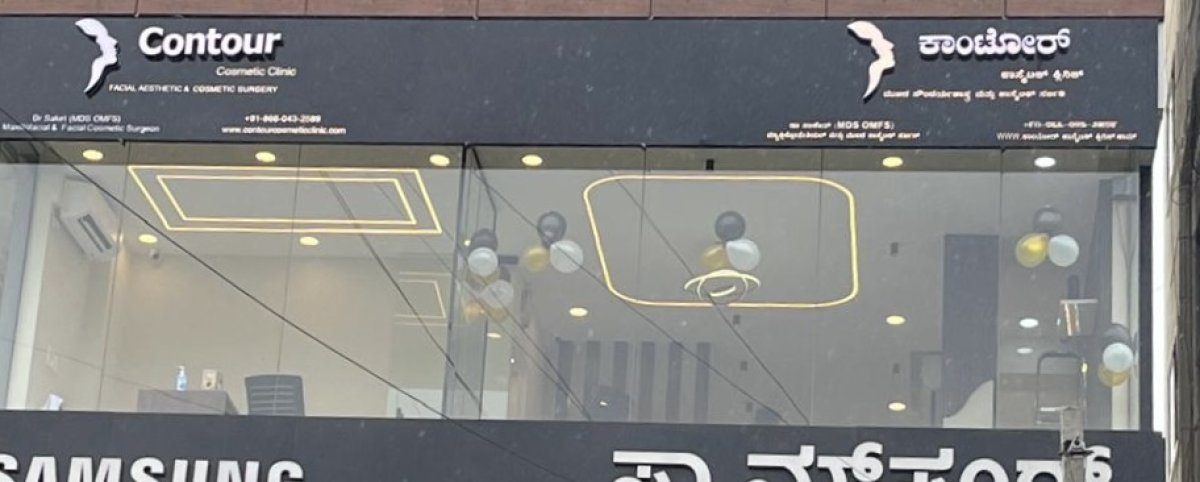
Contour Cosmetic Clinic
Descripción general de Cirugía de reasignación de sexo en India
- Cirugía de feminización facial - de $6,500Este procedimiento altera los rasgos faciales masculinos, haciéndolos más suaves y típicamente femeninos para las mujeres transgénero.
- Afeitado traqueal - de $1,800El procedimiento reduce el tamaño de la nuez de Adán y consiste en rasurar con precisión el cartílago tiroides, comúnmente para la feminización de la voz.
- Cirugía de reasignación de sexo - de $6,500El procedimiento transforma el sexo de nacimiento de uno, involucrando varias cirugías, ofreciendo alineación física con la identidad de género.
- Cirugía de la manzana de Adán - de $1,600Este procedimiento reduce la prominencia de la garganta para lograr un perfil más suave, a menudo realizado bajo anestesia local, con cicatrices mínimas.
Día 1
- Llegada al país y traslado al hotel.
- Descansa después del viaje.
Dia 2
- Traslado del hotel a la clínica.
- Consulta con el médico y el cirujano.
- Pruebas preoperatorias que incluyen análisis de sangre, electrocardiograma y radiografía de tórax.
Día 3
- Preparación preoperatoria.
- La cirugía se realiza bajo anestesia general.
- La cirugía de reasignación de sexo dura alrededor de 6-8 horas.
Día 4-7
- Permanezca en la clínica para el cuidado posterior a la operación.
- Supervisar y controlar el dolor y el cuidado de heridas.
Semana 1-2
- Traslado al hotel.
- Visitas periódicas de seguimiento a la clínica.
Semana 3-6
- Continuar la recuperación en casa.
- Regreso gradual a las actividades normales.
Semana 7
- Regreso al trabajo, dependiendo de su trabajo.
- Comience el ejercicio suave.
Semana 8-12
- Revisiones periódicas con su médico local.
- Ver el resultado final.
Tenga en cuenta que el proceso de recuperación de cada individuo es diferente y esta es una guía general. Siga siempre los consejos de su médico.
- Depósito de Bookimed: 200 $ o 200 €.
- Depósito de la clínica: Pague un porcentaje fijo por adelantado.
Obtenga una evaluación médica para Cirugía de reasignación de sexo en India: Elija su especialista entre los mejores en el campo
Ver todos los médicos
Preeti Yadav
La Dra. Preeti Yadav aporta una década de experiencia en cirugías estéticas y reconstructivas para pacientes transgénero en Konarc Aesthetics.
- Especializada en remodelación mamaria y procedimientos de afirmación de género
- Enfoque holístico adaptado a las necesidades individuales del paciente
- Cirujana plástica con un profundo conocimiento de las preocupaciones sobre la imagen corporal

Rajendra Dhondge
El Dr. Dhondge ha realizado más de 1.500 transferencias de tejido microvascular para oncoreconstrucción, especializándose en cirugías reconstructivas complejas.
- Obtuvo el MCh en el TATA Memorial Hospital, un centro oncológico de primer nivel
- Experto en reconstrucción de cabeza y cuello, mamas y extremidades
- Miembro vitalicio de la Sociedad Mundial de Microcirugía Reconstructiva
- Máster en Cirugía General por el B.J. Medical College
Historias en video de pacientes de Bookimed
Artículos relacionados
Ver más
Dónde someterse a una operación de cambio de sexo: Los mejores países, hospitales y cirujanos
Escrito por Mariia Mytrofankina

Cambio de Sexo: Guía de la Cirugía de Reasignación de Sexo, Todo lo que Necesita Saber desde la Preparación hasta la Recuperación
Escrito por Mariia Mytrofankina

Vivir con autenticidad: El viaje de afirmación de género de Jamie en Bangkok
Escrito por Kateryna Zamkovska

Metoidioplastia: Guía completa sobre procedimiento, costes y recuperación
Escrito por Mariia Mytrofankina

¿Cómo funciona la cirugía de mujer a hombre (FTM)?
Escrito por Mariia Mytrofankina
Compartir contenido
 Olena Sikoza
Preguntas frecuentes sobre Cirugía de reasignación de sexo en India
¿Cuánto tiempo dura la recuperación después de una cirugía de reasignación de sexo (SRS)?
La recuperación después de una cirugía de reasignación de sexo requiere típicamente de 6 a 8 semanas para volver a las actividades diarias ligeras. La curación completa, incluyendo la regeneración nerviosa y el asentamiento de los tejidos, toma de 9 a 12 meses. Los plazos específicos dependen de la técnica quirúrgica y de los factores de curación individuales durante el proceso.
- Estancia hospitalaria: La mayoría de los pacientes permanecen hospitalizados de 5 a 7 días para su monitoreo.
- Actividad inicial: Se requiere reposo estricto durante 2 semanas con límites de levantamiento de peso de 4,5 kg (10 libras).
- Regreso profesional: El trabajo de escritorio remoto a menudo se reanuda en la semana 6, una vez que disminuye la fatiga inicial.
- Ejercicio físico: Los cirujanos generalmente autorizan a los pacientes para nadar o trotar ligeramente después de 3 meses.
Perspectiva de expertos de Bookimed: La India ofrece una ventaja de recuperación única porque los principales centros acreditados por la JCI, como los Continental Hospitals, brindan atención hospitalaria extendida. Mientras que muchas clínicas occidentales favorecen las transiciones ambulatorias después de 48 horas, los protocolos indios a menudo incluyen una semana completa de recuperación supervisada. Esta estancia inicial más larga es crucial para gestionar los complejos programas
¿Serán funcionales mis nuevos genitales y podré tener hijos biológicos después?
Los genitales reconstruidos en la India son funcionales para el placer sexual y la vida cotidiana, aunque no es posible tener hijos biológicos sin la preservación de la fertilidad. Los cirujanos utilizan técnicas de preservación nerviosa, como la transferencia de tejido microvascular, para garantizar la sensibilidad. La esterilidad es permanente si se extirpan los órganos reproductores durante la cirugía de reasignación.
- Función sexual: La mayoría de los pacientes logran sensibilidad en el clítoris o el eje mediante microcirugía de preservación nerviosa.
- Capacidad urinaria: El alargamiento uretral permite a muchos pacientes transmasculinos orinar de pie.
- Hijos biológicos: Se requiere la criopreservación de esperma u óvulos antes de comenzar la cirugía.
- Recuperación de la sensibilidad: La regeneración nerviosa completa y la adaptación a nuevas sensaciones toman de 6 a 12 meses.
Perspectiva del experto de Bookimed: Aunque los costos más bajos en la India le ahorran hasta un 81% en comparación con las tarifas de EE. UU., el éxito funcional depende del volumen de casos del cirujano. El Dr. Rajendra Dhondge en el HCG Manavata Cancer Centre ha realizado más de 1,500 casos microvasculares. Los microcirujanos de alto volumen como él son esenciales para procedimientos complejos de preservación nerviosa donde los resultados
¿Es legal la cirugía de reasignación de sexo en la India?
La cirugía de reasignación de sexo es legal en la India para adultos mayores de 18 años. Las leyes nacionales y las sentencias de la Corte Suprema protegen la afirmación de género. Las personas pueden elegir estos procedimientos sin el consentimiento del empleador o de los padres. Se requiere una evaluación psiquiátrica formal que confirme la incongruencia de género antes de cualquier intervención quirúrgica.
- Autorización legal: Los adultos mayores de 18 años tienen un derecho constitucional a la autonomía corporal.
- Requisito psiquiátrico: Los pacientes generalmente deben proporcionar una autorización de 2 psiquiatras certificados.
- Actualización de documentos: La prueba médica de la cirugía es esencial para actualizar los marcadores de género oficiales.
- Cobertura de seguro: El programa nacional Ayushman Bharat incluye disposiciones para la afirmación de género.
Perspectiva del experto de Bookimed: Si bien la legalidad es absoluta, la experiencia quirúrgica varía según la región. Los principales centros como Hyderabad y Gurgaon ofrecen instalaciones acreditadas por la JCI, como los Continental Hospitals. Los pacientes a menudo ahorran hasta un 81% en comparación con los costos de EE. UU. de $46,000, lo que convierte a la India en un destino de alto valor para trabajos reconstructivos complejos.
¿Qué leyes protegen los derechos de las personas transgénero y el acceso a la cirugía en la India?
Los derechos de las personas transgénero y el acceso a la cirugía en la India están protegidos por la Ley de Personas Transgénero (Protección de Derechos) de 2019 y la histórica sentencia de la Corte Suprema en el caso NALSA contra la Unión de la India (2014). Estas leyes exigen instalaciones médicas gubernamentales, cobertura de seguro para la atención de afirmación de género y estrictas protecciones contra la discriminación en entornos de atención médica.
- Mandato de salud: La sección 15 exige que las instalaciones médicas gubernamentales proporcionen cirugía y terapia hormonal.
- Cobertura de seguro: El programa Ayushman Bharat proporciona hasta 5 lakh ₹ anuales para procedimientos.
- Reconocimiento de identidad: La legislación proporciona un portal nacional para obtener certificados e identificaciones de transgénero obligatorios.
- Enmiendas legales: La enmienda de 2026 requiere evaluaciones de una Junta Médica para cambios legales en el marcador de género.
Perspectiva del experto de Bookimed: Si bien las leyes exigen el acceso, el éxito del procedimiento depende del volumen del cirujano. Cirujanos como el Dr. Rajendra Dhondge en HCG Manavata han realizado más de 1,500 procedimientos reconstructivos. Elegir especialistas experimentados en centros importantes como Hyderabad o Gurgaon garantiza un mejor cumplimiento de los estándares interna
¿Cuál es la edad mínima requerida para una cirugía en la India?
La edad legal estándar para el consentimiento quirúrgico independiente en la India es de 18 años. Aunque ninguna ley universal prohíbe los procedimientos médicos a cualquier edad si son clínicamente necesarios, las cirugías electivas requieren que un adulto de 18 años o más proporcione un consentimiento informado vinculante bajo la Ley de Mayoría de Edad de la India (Indian Majority Act).
- Consentimiento independiente: Los pacientes de 18 años o más firman sus propios documentos quirúrgicos y legales.
- Menores de 18 años: El consentimiento por escrito de un padre o tutor legal es legalmente obligatorio.
- Edades de 12 a 18 años: Los menores pueden dar su asentimiento para exámenes, pero requieren el consentimiento de los padres para cirugías invasivas.
- Discreción clínica: Los cirujanos a menudo imponen un mínimo de 18 años para la cirugía electiva de reasignación de sexo.
Perspectiva del experto de Bookimed: Aunque los 18 años son la base legal, cirujanos como el Dr. Rajendra Dhondge priorizan los registros de seguridad a largo plazo. Las clínicas especializadas a menudo requieren una autorización psicológica documentada y un historial de transición extenso antes de aprobar a los candidatos. Este estándar ayuda a garantizar la preparación médica independientemente de que el paciente cumpla con el requisito de edad legal mínima.
¿Serán funcionales los genitales reconstruidos?
Los genitales reconstruidos son generalmente altamente funcionales después de una cirugía de reasignación de sexo en la India. Las técnicas modernas utilizan vías nerviosas existentes e injertos de tejido para preservar la sensación erótica y el control urinario. El éxito quirúrgico prioriza la creación de estructuras anatómicas capaces de una micción normal y una penetración receptiva o rigidez fálica.
- Función urinaria: Los cirujanos reposicionan la uretra para permitir la micción natural al estar sentado o de pie.
- Sensación sexual: Las conexiones nerviosas y la preservación del clítoris ayudan a la mayoría de los pacientes a mantener la sensación erótica y táctil.
- Capacidad eréctil: La faloplastia requiere una cirugía secundaria para implantes mecánicos con el fin de lograr la rigidez penetrativa necesaria.
- Mantenimiento postoperatorio: La dilatación regular es obligatoria para la vaginoplastia a fin de prevenir la estenosis y mantener la profundidad vaginal.
Perspectiva del experto de Bookimed: Si bien la India ofrece ahorros significativos de hasta 81%, la funcionalidad depende en gran medida de la microcirugía nerviosa especializada. Médicos como Rajendra Dhondge en HCG Manavata han realizado más de 1,500 transferencias de tejido microvascular. Este alto volumen de trabajo reconstructivo es un indicador crític
¿Qué es la dilatación vaginal para pacientes MTF y es de por vida?
La dilatación vaginal para pacientes MTF es la inserción terapéutica de cilindros de grado médico para mantener la profundidad y el ancho después de la vaginoplastia. Es un compromiso de por vida. Este proceso evita que el cuerpo cierre naturalmente el nuevo canal vaginal durante la fase de curación y más allá.
- Propósito del procedimiento: La dilatación mantiene la elasticidad del tejido y previene la estenosis o el estrechamiento del canal.
- Frecuencia inicial: Las pacientes generalmente dilatan de 3 a 4 veces al día durante los primeros 3 meses.
- Programa a largo plazo: El mantenimiento se reduce a 1 o 2 veces por semana después del primer año.
- Mantenimiento activo: Las relaciones sexuales penetrativas regulares pueden eventualmente sustituir algunas sesiones de dilatación con el tiempo.
Perspectiva del experto de Bookimed: Si bien los protocolos básicos de dilatación son universales, los centros indios como Continental Hospitals ofrecen entornos acreditados por la JCI para estas recuperaciones sensibles. El éxito posquirúrgico depende de una gestión temprana precisa. Elegir cirujanos con credenciales de reconstrucción especializadas, como los del TATA Memorial Hospital, ayuda a garantizar una calidad de tejido óptima para la retención de profundidad a largo plazo.
Consenso de las pacientes: Muchas pacientes encu