Comunicación interauricular en Israel: clínicas verificadas para su tratamiento


Revisado médicamente por
Fahad Mawlood
Cómo funciona
¿Cuál es el precio del diagnóstico y los tratamientos de Comunicación interauricular en Israel? Descubra ahora
Descubra las mejores clínicas de tratamiento de Comunicación interauricular en Israel: 2 opciones verificadas y Precios








Obtenga una evaluación médica para Comunicación interauricular en Israel: consulte con doctores experimentados ahora
Ver todos los médicos
Livia Kapusta
La Dra. Livia Kapusta se especializa en cardiología pediátrica, centrándose en las cardiopatías congénitas en el Centro Médico Sourasky (Ichilov).
- Formada en la Universidad de Tel Aviv y la Universidad Radboud de Nimega
- Realiza procedimientos como el cierre del conducto arterioso persistente (CAP) y la septostomía auricular con balón
- Trata afecciones como la comunicación interauricular y el foramen oval permeable
- Gestiona emergencias cardíacas y tratamientos de arritmias
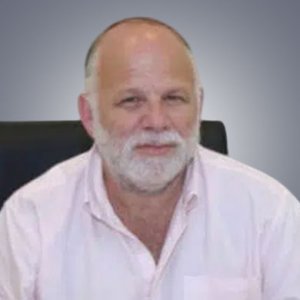
David Mishaali
El Dr. David (Dudi) Mishali, MD, es Director de Cirugía Cardiotorácica Pediátrica y Congénita en el Centro Médico Sheba. Atiende a lactantes y niños con cardiopatías congénitas. Su labor abarca anomalías raras y de alto riesgo y reconstrucciones complejas en recién nacidos.
Se formó a nivel internacional. Completó la residencia en el Centro Médico Rabin y realizó fellowships clínicos en cirugía cardíaca en la Cleveland Clinic y en cirugía cardiotorácica pediátrica congénita en la UCSF.

Moni Shuvi
Especialista en enfermedades de las válvulas cardíacas y procedimientos de la válvula mitral en el Hadassah Medical Center.
- Experto en ICP y angiografía coronaria
- Enfocado en cardiología intervencionista
- Con experiencia en el tratamiento del infarto de miocardio
Compartir contenido
Historias en video de pacientes de Bookimed
 Olena Sikoza
Preguntas frecuentes sobre el tratamiento de Comunicación interauricular en Israel
¿Qué es una comunicación interauricular y cómo afecta al cuerpo?
Una comunicación interauricular es un orificio congénito en la pared que separa las cavidades cardíacas. Esta abertura permite que la sangre rica en oxígeno se filtre hacia regiones pobres en oxígeno. Esto obliga al lado derecho del corazón a trabajar más. Este proceso aumenta la presión arterial dentro de los vasos pulmonares con el tiempo.
- Esfuerzo cardíaco: El volumen sanguíneo adicional provoca que la aurícula y el ventrículo derechos se dilaten.
- Vascularidad pulmonar: El aumento del flujo puede provocar daños permanentes en las arterias pulmonares.
- Síntomas físicos: Los pacientes a menudo experimentan dificultad para respirar, fatiga o palpitaciones cardíacas.
- Riesgo de accidente cerebrovascular: Los coágulos sanguíneos pueden evitar la filtración pulmonar y viajar directamente al cerebro.
Perspectiva del experto de Bookimed: Los centros de cardiología israelíes gestionan volúmenes masivos de pacientes; el Centro Médico Hadassah trata a 1.000.000 de pacientes al año. Los datos a gran escala de clínicas como Sourasky, que realiza 34.000 cirugías al año, sugieren que los centros de alto volumen proporcionan diagnósticos más precisos. Expertos como el Dr. David Mishaali utilizan reconstrucciones mínimamente invasivas especializadas para resolver estos defectos de forma segura. Elegir un centro con afiliaciones universitarias a menudo
¿Cuáles son los riesgos de dejar una comunicación interauricular (CIA) sin tratar?
Dejar una comunicación interauricular (CIA) de moderada a grande sin tratar provoca una sobrecarga de volumen crónica en las cámaras cardíacas derechas. Esto conduce a complicaciones cardiovasculares graves en la edad adulta. Los riesgos principales incluyen hipertensión pulmonar, insuficiencia cardíaca derecha y fibrilación auricular. También aumenta significativamente el riesgo de accidente cerebrovascular isquémico.
- Hipertensión pulmonar: El aumento del flujo sanguíneo daña los vasos pulmonares y eleva la presión arterial.
- Insuficiencia cardíaca: La sobrecarga de volumen constante estira y debilita el ventrículo derecho.
- Arritmias auriculares: El tejido cardíaco estirado interrumpe las señales eléctricas, causando ritmos irregulares.
- Riesgo de accidente cerebrovascular: Los coágulos sanguíneos pueden pasar a través del orificio directamente al cerebro.
Perspectiva del experto de Bookimed: Especialistas israelíes como la Dra. Livia Kapusta del Sourasky Medical Center enfatizan la detección temprana mediante imágenes avanzadas. Los datos muestran que cerrar los defectos antes de los 40 años ayuda a prevenir daños pulmonares permanentes. Centros grandes como Hadassah atienden a más de 1,000,000 de pacientes, ofreciendo una amplia experiencia en la identificación de sobrecargas de volumen sutiles. Los especialistas recomiendan el cierre
¿Qué enfoques quirúrgicos utilizan los hospitales israelíes para cerrar una CIA?
Los hospitales israelíes realizan el cierre de la comunicación interauricular (CIA) mediante intervención transcatéter, cirugía cardíaca mínimamente invasiva o cirugía a corazón abierto convencional. La selección depende del tamaño y la ubicación del defecto. Los cirujanos utilizan dispositivos de malla especializados para lograr tasas de éxito del 95% al 97% en defectos tipo secundum dentro de instalaciones acreditadas por la JCI.
- Cierre transcatéter: Un catéter insertado por la ingle despliega dispositivos de malla como el Amplatzer para defectos tipo secundum.
- Cirugía mínimamente invasiva: La minitoracotomía derecha o las incisiones transaxilares evitan dividir el esternón.
- Esternotomía tradicional: Se requiere una incisión mediana para defectos complejos tipo primum o seno venoso.
- Diagnóstico avanzado: Los ecocardiogramas transesofágicos y las tomografías computarizadas cardíacas guían el enfoque quirúrgico.
Perspectiva del experto de Bookimed: Los centros pediátricos israelíes muestran un alto grado de especialización en técnicas mínimamente invasivas. El Dr. David Mishaali, del Centro Médico Sheba, ha desarrollado enfoques quirúrgicos únicos para reducir el trauma físico. Esta experiencia permite realizar reconstrucciones complejas en bebés minimizando las grandes cicatrices que a menudo se observan en la cirugía tradicional. En c
¿Quiénes son los principales especialistas para el tratamiento de la CIA en Israel?
Los principales especialistas en Israel para la comunicación interauricular (CIA) incluyen a la Dra. Livia Kapusta y al Dr. David Mishaali. Operan en centros acreditados por la JCI como Sourasky y Sheba. Estos expertos se especializan en cierres percutáneos mediante catéter y reparaciones quirúrgicas mínimamente invasivas para afecciones cardíacas congénitas.
- Dra. Livia Kapusta: Cardióloga pediátrica en el Sourasky Medical Center, especializada en cierres de CIA mediante catéter.
- Dr. David Mishaali: Director en el Sheba Medical Center, especializado en cirugía congénita mínimamente invasiva.
- Dr. Moni Shuvi: Cardiólogo intervencionista en el Hadassah Medical Center, experto en procedimientos valvulares complejos.
- Acreditación: Los hospitales israelíes como Sourasky y Hadassah mantienen la certificación de la Joint Commission International.
Perspectiva del experto de Bookimed: La cirugía cardíaca pediátrica israelí se concentra en centros universitarios de alto volumen como Sourasky y Hadassah. Solo Sourasky realiza más de 34,000 operaciones al año. Este alto volumen de procedimientos es un fuerte indicador de seguridad clínica y resultados predecibles para los pacientes. Debe buscar centros con laboratorios de cateterismo híbridos donde los cirujanos y los intervencionistas trabajen juntos.
Consenso de los pacientes:
¿Cuál es el cronograma típico de recuperación para los pacientes en Israel?
La recuperación después del tratamiento de una comunicación interauricular (CIA) en Israel generalmente implica una estancia hospitalaria de 1 a 5 días. Los pacientes sometidos a cierre transcatéter a menudo reanudan actividades ligeras dentro de las 48 horas. Los cirujanos cardíacos en instalaciones acreditadas por la JCI, como el Centro Médico Sourasky, utilizan técnicas mínimamente invasivas para acelerar la curación.
- Estancia hospitalaria aguda: La mayoría de los pacientes cardíacos son dados de alta dentro de los 4 a 5 días posteriores a la cirugía.
- Recuperación del cierre transcatéter: Los pacientes a menudo regresan al trabajo o a la escuela dentro de los 3 a 7 días.
- Cronograma de reparación quirúrgica: La cirugía a corazón abierto requiere de 4 a 6 semanas para alcanzar los niveles de actividad estándar.
- Ventana de esfuerzo completo: Los cirujanos generalmente autorizan los deportes extenuantes después de un ecocardiograma realizado entre las 4 y 6 semanas.
Perspectiva del experto de Bookimed: Los centros israelíes como Hadassah y Sourasky priorizan el alta rápida, a menudo dentro de las 24 horas para los procedimientos con catéter. Esta eficiencia se debe a una alta tasa de ocupación hospitalaria nacional del 94%. Vemos que líderes regionales como el Dr. David Mishaali aplican con éxito métodos mínimamente invasivos que reducen
¿Requiere toda comunicación interauricular un cierre quirúrgico?
No toda comunicación interauricular requiere cirugía. Los defectos pequeños de menos de 5 milímetros a menudo se cierran de forma natural. Los especialistas suelen controlarlos con ecocardiogramas regulares. El tratamiento solo es necesario si el orificio causa esfuerzo cardíaco, síntomas o no se cierra antes de la primera infancia.
- Observación expectante: Los orificios pequeños a menudo se cierran sin intervención antes de los 4 años.
- Cierre con catéter: Los médicos utilizan dispositivos de malla para defectos tipo ostium secundum sin necesidad de cirugía abierta.
- Indicaciones quirúrgicas: La cirugía se reserva para orificios grandes o tipos estructurales complejos.
- Monitoreo cardíaco: Los controles anuales aseguran que no haya agrandamiento del lado derecho del corazón ni daño pulmonar.
Perspectiva del experto de Bookimed: Los centros israelíes como el Sourasky Medical Center y Hadassah gestionan más de 1.000.000 de pacientes al año. Este alto volumen permite a los cardiólogos pediátricos como la Dra. Livia Kapusta favorecer el monitoreo conservador para defectos pequeños. Los datos muestran que los especialistas israelíes priorizan el cierre mínimamente invasivo con catéter sobre la cirugía tradicional siempre que los bordes anatómicos lo permitan.
Consenso de los pacientes: Los pacientes enfatizan el valor de
¿Por qué Israel es uno de los principales destinos para la neurocirugía?
Israel es un centro líder en neurocirugía gracias a su combinación de avances médicos de alta tecnología y una experiencia quirúrgica de primer nivel. Instalaciones avanzadas como el Centro Médico Sheba utilizan sistemas de navegación basados en IA y resonancia magnética intraoperatoria en tiempo real. Centros especializados reportan una tasa de éxito del 98% en procedimientos complejos, como la craneotomía con el paciente despierto y el tratamiento de trastornos del movimiento.
- Tecnología avanzada: Las clínicas utilizan ultrasonido enfocado guiado por resonancia magnética (MRgFUS) y sistemas robóticos para realizar incisiones.
- Experiencia quirúrgica: Cirujanos como el Dr. Zvi Ram lideran asociaciones internacionales con más de 25 años de experiencia.
- Acceso rápido: Los pacientes internacionales generalmente pueden programar cirugías complejas de cerebro o columna en un plazo de 2 a 4 semanas.
- Atención médica acreditada: Grandes centros como Sourasky (Ichilov) y Assuta están acreditados por la JCI, lo que confirma su seguridad.
Opinión experta de Bookimed: Los datos muestran una clara diferencia entre las opciones de tratamiento públicas y privadas en Israel. Centros privados, como el Centro Médico Assuta, realizan más de 92.000 cirugías al año y permiten a los pacientes elegir a un cirujano líder específico. Esto supone una ventaja signi
¿Qué tipos de enfermedades neuroquirúrgicas se tratan en Israel?
Los neurocirujanos israelíes tratan una amplia gama de afecciones, desde tumores cerebrales y de médula espinal hasta trastornos funcionales complejos. Los centros especializados utilizan tecnologías de vanguardia, como el bisturí de rayos gamma, la estimulación cerebral profunda y la resonancia magnética intraoperatoria, para un diagnóstico altamente preciso de la epilepsia, la enfermedad de Parkinson y las patologías cerebrovasculares.
- Enfermedades oncológicas: tratamiento de gliomas, meningiomas y tumores hipofisarios mediante resección de la base del cráneo.
- Trastornos funcionales: tratamiento de la enfermedad de Parkinson y del temblor esencial mediante estimulación cerebral profunda.
- Patologías de columna: corrección de escoliosis, hernias discales y tumores espinales mediante sistemas robóticos.
- Tratamiento de las enfermedades cerebrovasculares: tratamiento quirúrgico de aneurismas cerebrales y malformaciones arteriovenosas mediante intervenciones endovasculares.
- Neurocirugía pediátrica: atención especializada en hidrocefalia y anomalías congénitas en centros pediátricos especializados.
Opinión experta de Bookimed: Los hospitales israelíes suelen combinar diversas especialidades para abordar casos complejos. En el Centro Médico Sourasky, neurocirujanos como el Dr. Zvi Lidar combinan neurocirugía y ortopedi
¿Qué hospitales en Israel son más conocidos por sus departamentos de neurocirugía?
Israel alberga centros neuroquirúrgicos de renombre mundial, como el Centro Médico Sourasky, el Centro Médico Sheba y el Centro Médico Hadassah. Estas instituciones son líderes mundiales en el tratamiento de tumores cerebrales complejos, enfermedades de la columna vertebral y trastornos del movimiento. Utilizan tecnologías de vanguardia como el bisturí de rayos gamma, sistemas robóticos y resonancia magnética intraoperatoria.
- Suraski (Ichilov): realiza más de 2.500 operaciones neuroquirúrgicas al año en Tel Aviv con una tasa de éxito del 98%.
- Centro Médico Sheba: clasificado entre los diez mejores hospitales del mundo, trata a 1,9 millones de pacientes al año.
- Centro Médico Hadassah: Nominado al Premio Nobel de la Paz. Líder en neurocirugía pediátrica y terapia génica.
- Centro Médico Assuta: el centro médico privado más grande de Israel. Especializado en cirugías mínimamente invasivas de columna y cerebro.
- Hospital Infantil Schneider: un centro líder en neurocirugía pediátrica que trata a 275.000 niños al año.
Opinión experta de Bookimed: Nuestros datos muestran que, si bien la mayoría de los pacientes buscan tratamiento en Tel Aviv, el Centro Médico Rambam en Haifa ofrece una atención única para neurotraumatismos. Cuenta con una unidad especializada en cuidados neurocríticos que atiende a aproximadamente un milló
¿Quiénes son los principales neurocirujanos en Israel?
Entre los neurocirujanos israelíes más destacados se encuentran los profesores Zvi Ram, Shlomi Constantini e Itzhak Fried, del Centro Médico Sourasky. Estos especialistas ocupan puestos de liderazgo en la Asociación Europea de Sociedades de Neurocirugía (EANS) y la Sociedad Mundial de Neurocirugía Estereotáctica y Funcional (WSSFN). Utilizan técnicas avanzadas de mapeo intraoperatorio y sistemas robóticos.
- Profesor Zvi Ram: experto en cirugía mínimamente invasiva de tumores cerebrales y terapia genética para el cáncer.
- Profesor Shlomi Constantini: Se especializa en procedimientos neuroendoscópicos pediátricos complejos y microcirugía para tumores cerebrales.
- Profesor Itzhak Fried: una autoridad en cirugía de epilepsia, mapeo cerebral funcional y estimulación cerebral profunda.
- Dr. Eli Ashkenazi: Cirujano ortopédico líder en el Hospital Assuta, especializado en el innovador sistema TOPS.
Opinión de los expertos de Bookimed: Los datos de Sourasky y Sheba indican una fuerte correlación entre un alto volumen quirúrgico y la seguridad del paciente. Por ejemplo, Sourasky realiza más de 34.000 cirugías oncológicas al año con una tasa de éxito del 90 %. Los pacientes que requieren la extirpación de un tumor complejo deberían priorizar centros como estos, donde los cirujanos realizan cientos de procedimientos especializados al año.