Comunicación interauricular Tratamiento en Corea del Sur — Costos 2026


Revisado médicamente por
Fahad Mawlood
¿Cuál es el precio del diagnóstico y los tratamientos de Comunicación interauricular en Corea del Sur? Descubra ahora
Sus beneficios y garantías con Bookimed
Precios directos
Bookimed no añade cargos extra a los precios de los tratamientos de Comunicación interauricular. Las tarifas proceden de las listas de precios oficiales de las clínicas. Pagará directamente en la clínica por su tratamiento a su llegada al país.
Sólo clínicas y médicos verificados
Bookimed está comprometido con su seguridad. Solo trabajamos con las clínicas que mantienen altos estándares internacionales en el tratamiento de Comunicación interauricular y cuentan con las licencias necesarias para atender a pacientes internacionales en todo el mundo.
Asistencia 24/7 gratuita
Bookimed ofrece asistencia experta gratuita. Un coordinador médico personal le apoya antes, durante y después de su tratamiento, resolviendo cualquier problema. Nunca estará solo en su viaje médico de tratamiento de Comunicación interauricular.

Su coordinador médico personal de Bookimed
- Le apoya en cada etapa
- Ayuda a elegir la clínica y el médico adecuados
- Asegura un acceso rápido y conveniente a la información
Descubra las mejores clínicas de tratamiento de Comunicación interauricular en Corea del Sur: 3 opciones verificadas y Precios
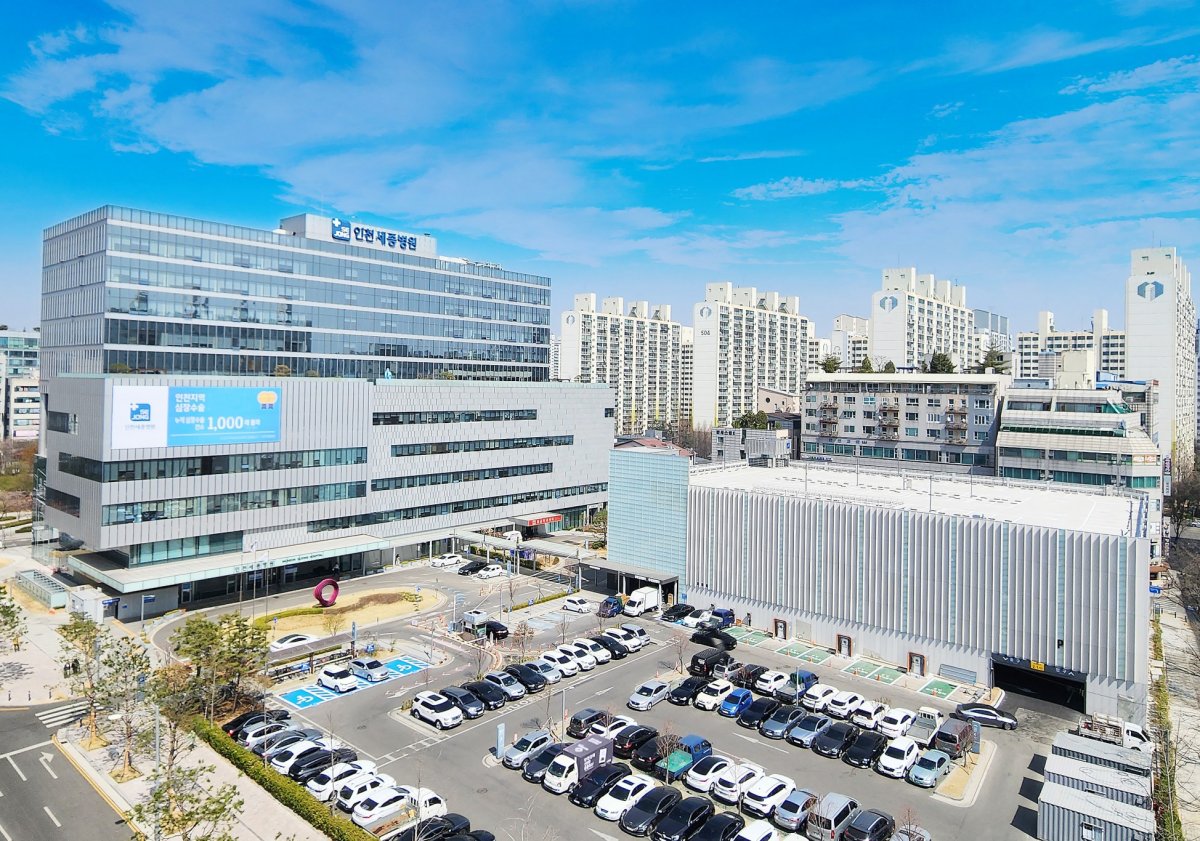






Obtenga una evaluación médica para Comunicación interauricular en Corea del Sur: consulte con doctores experimentados ahora
Ver todos los médicos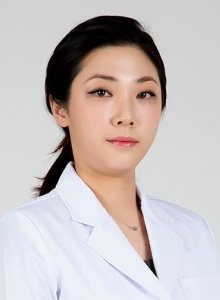
Jeong Yoon Kim
La Dra. Jeong‑Yoon Kim, MD, es cardióloga pediátrica en Bucheon Sejong Hospital. Desde 2019 dirige el Departamento de Pediatría y Medicina del Adolescente y también atiende pacientes en Incheon Sejong Hospital.
Se graduó en Yonsei University Wonju College of Medicine y completó su formación clínica en Severance Hospital, un centro médico terciario en Corea. Su práctica se centra en cardiopatías congénitas (CIA, CIV), enfermedad de Kawasaki, arritmias pediátricas, síncope y cuidados car
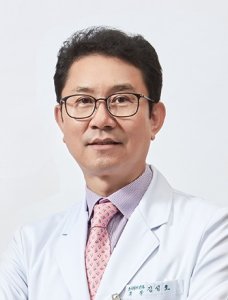
Sungho Kim
El profesor Sung-Ho Kim, MD, MS, PhD, es cardiólogo pediatra y especialista en cardiopatías congénitas con más de 40 años de experiencia. Se formó en la Facultad de Medicina de la Universidad de Hanyang (MD) y en la Escuela de Posgrado de la misma universidad (MS, PhD). Contribuyó al avance del tratamiento percutáneo con catéter de la comunicación interauricular (CIA), la comunicación interventricular (CIV), la tetralogía de Fallot y otros defectos, lo que redujo la necesidad de cirugía a cor
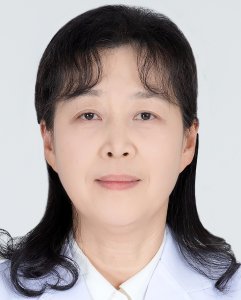
Jieun Ban
La Dra. Jieun Ban, MD, es cardióloga pediatra en Bucheon Sejong Hospital. Se especializa en arritmias y cardiopatías congénitas. Realiza evaluación electrofisiológica para niños y adolescentes. Completó la formación en pediatría y cardiología pediátrica.
Atiende comunicación interauricular (CIA), comunicación interventricular (CIV), síncope cardÍaco y otros trastornos del ritmo. Ofrece diagnóstico avanzado y tratamiento intervencionista. Esto incluye crioablación y electrofisiología co

Hwan Song Uk
Compartir contenido
Historias en video de pacientes de Bookimed
 Olena Sikoza
Preguntas frecuentes sobre el tratamiento de Comunicación interauricular en Corea del Sur
¿Cuáles son los principales métodos de tratamiento disponibles para la CIA en Corea del Sur?
Corea del Sur ofrece un tratamiento avanzado para la comunicación interauricular (CIA) mediante cierre por cateterismo o reparación quirúrgica a corazón abierto. Centros cardíacos especializados como el Hospital Sejong enfatizan el cierre mínimamente invasivo con dispositivo para defectos tipo secundum. Estos procedimientos involucran a cardiólogos pediátricos intervencionistas altamente experimentados que utilizan ecocardiografía diagnóstica moderna e imágenes digitales.
- Cierre por catéter: Los intervencionistas utilizan pequeños dispositivos para sellar los defectos sin abrir el pecho.
- Reparación quirúrgica: Los cirujanos realizan procedimientos a corazón abierto para defectos grandes o anatomía cardíaca compleja.
- Diagnóstico avanzado: La ecografía cardíaca de alta resolución y las imágenes digitales garantizan una medición y dimensionamiento precisos del defecto.
- Especialistas expertos: Médicos como el Dr. Sungho Kim han realizado más de 1,200 intervenciones cardíacas pediátricas.
Opinión del experto de Bookimed: El volumen de pacientes es un indicador de calidad importante en Corea del Sur. El Hospital Sejong trata a más de 400,000 pacientes al año y cuenta con un enorme personal multidisciplinario. Los hospitales especializados como este suelen ofrecer una experiencia más especializada en cardiología pediátrica que las clínicas gen
¿Qué tan exitosos son los procedimientos de cierre de CIA en Corea del Sur?
El cierre de la comunicación interauricular (CIA) en Corea del Sur es altamente exitoso. Los centros líderes reportan tasas de éxito entre el 95.8% y el 100%. Los cirujanos priorizan el cierre percutáneo con dispositivo para evitar la cirugía a corazón abierto. Las instalaciones suelen contar con acreditaciones de la Joint Commission International (JCI) y KOIHA para la seguridad.
- Tasas de éxito: Los datos clínicos muestran un éxito que alcanza el 100% para intervenciones transcatéter.
- Tecnología avanzada: Las clínicas utilizan sistemas de IA BESTcare para eliminar errores médicos.
- Experiencia especializada: Los mejores profesores han realizado más de 1,200 intervenciones cardíacas especializadas.
- Volumen de pacientes: Hospitales importantes como Severance atienden a más de 4,000,000 de pacientes anualmente.
Perspectiva de expertos de Bookimed: Aunque muchos buscan opciones quirúrgicas, los especialistas surcoreanos se enfocan mucho en intervenciones basadas en catéter. El Dr. Sungho Kim del Hospital Sejong ha realizado 1,200 procedimientos. Fue pionero en técnicas que minimizan la necesidad de cirugía a corazón abierto. Este alto volumen de procedimientos en centros especializados como Sejong garantiza que los médicos manejen formas complejas de defectos con alta precisión.
Consenso de los pacientes: Los paciente
¿Es preferible el cierre transcatéter a la cirugía a corazón abierto y por qué?
El cierre transcatéter es a menudo preferible para la comunicación interauricular (CIA) debido a su naturaleza mínimamente invasiva. Evita grandes incisiones en el pecho o máquinas de circulación extracorpórea. Los centros surcoreanos acreditados por la JCI utilizan dispositivos especializados para lograr altas tasas de éxito con una recuperación más rápida y menos complicaciones.
- Nivel invasivo: Las intervenciones basadas en catéter evitan una esternotomía, sin dejar cicatrices visibles en la pared torácica.
- Estancia hospitalaria: Los pacientes suelen permanecer hospitalizados solo de 1 a 2 días después del procedimiento.
- Tiempo de recuperación: Un regreso más rápido al trabajo o la escuela sustituye a las semanas de recuperación quirúrgica.
- Seguridad clínica: Los especialistas surcoreanos reportan una reducción en la necesidad de transfusiones de sangre y tasas de infección más bajas.
Opinión de experto de Bookimed: Corea del Sur lidera en atención cardíaca pediátrica especializada. Los datos clínicos del Hospital Sejong muestran que el Prof. Dr. Sungho Kim ha realizado más de 1,200 procedimientos por sí solo. Este gran volumen asegura un anclaje preciso del dispositivo incluso en casos congénitos complejos. Los pacientes deben priorizar clínicas como el Hospital Severance, que ofrecen opciones tanto de catéter como robóticas para gar
¿Qué atención de seguimiento se requiere después de un cierre de CIA?
La atención de seguimiento después de un cierre de CIA requiere un monitoreo estructurado para garantizar la estabilidad del dispositivo y una curación adecuada. Los pacientes suelen someterse a ecocardiografía de 1 a 2 semanas y 6 meses después del procedimiento. Los protocolos estándar incluyen terapia antiplaquetaria durante 6 meses y profilaxis antibiótica durante el trabajo dental para prevenir infecciones.
- Controles por imagen: Los ecocardiogramas confirman la posición del dispositivo y rastrean la normalización del tamaño de la cámara cardíaca.
- Protocolo de medicación: La terapia con aspirina previene los coágulos sanguíneos mientras el tejido cardíaco cubre el dispositivo.
- Prevención de infecciones: Se requieren antibióticos antes de los procedimientos dentales durante al menos 6 meses después del cierre.
- Niveles de actividad: Los pacientes reanudan la actividad normal dentro de 1 semana después de las intervenciones basadas en catéter.
Opinión de experto de Bookimed: Los centros surcoreanos como el Hospital Sejong enfatizan la atención de transición de por vida. Nuestros datos muestran que especialistas como el Dr. Sungho Kim tienen más de 40 años de experiencia. Supervisan específicamente a los pacientes desde la infancia hasta la edad adulta para gestionar arritmias raras que se desarrollan tarde. Esta continuidad a largo pla
¿Cuánto tiempo debo permanecer en Corea del Sur para el tratamiento de la CIA como paciente internacional?
Los pacientes internacionales suelen permanecer en Corea del Sur de 5 a 14 días para el tratamiento de la comunicación interauricular (CIA). Los cierres mínimamente invasivos basados en catéter requieren estancias más cortas de 3 a 7 días. La cirugía a corazón abierto requiere al menos de 10 a 14 días para la recuperación y la autorización para viajar de forma segura.
- Fase de diagnóstico: Las evaluaciones preoperatorias, incluyendo ecocardiografía y pruebas genéticas, suelen tomar de 2 a 3 días.
- Estancia por catéter: Los procedimientos de cierre con dispositivo generalmente implican una estancia hospitalaria nocturna y 3 días de monitoreo.
- Recuperación quirúrgica: La cirugía a corazón abierto requiere de 5 a 7 días de hospitalización más monitoreo local después del alta.
- Autorización de viaje: Se requiere un ecocardiograma final antes de los vuelos de larga distancia para confirmar el cierre exitoso del defecto.
Opinión de experto de Bookimed: Mientras que los grandes centros de Seúl manejan volúmenes masivos, el Hospital Sejong en Incheon está especializado puramente en la salud cardíaca. El Dr. Sungho Kim fue pionero en tratamientos basados en catéter allí y ha realizado más de 1.200 procedimientos. Elegir una instalación especializada en corazón puede agilizar su cronograma preoperatorio, ahorrando potencialmente 2 días de espera par
¿Hablan inglés los cardiólogos y el personal de apoyo coreanos?
Los principales cardiólogos coreanos en instituciones como el Hospital Severance y el Hospital Sejong hablan inglés con fluidez con frecuencia. Estos especialistas a menudo reciben capacitación clínica o realizan investigaciones en centros médicos occidentales. Los hospitales de primer nivel también operan centros internacionales dedicados con personal coordinador para cerrar las brechas lingüísticas para los pacientes con comunicación interauricular (CIA).
- Capacitación especializada: Muchos cardiólogos completan becas en prestigiosos hospitales de Estados Unidos o Europa.
- Departamentos internacionales: Instalaciones como el Hospital Severance brindan coordinación a través de centros de atención médica internacional acreditados por la JCI.
- Personal de apoyo: El personal general de la sala y el personal administrativo pueden tener diferentes niveles de inglés.
- Soporte digital: Los sistemas inteligentes en el Hospital Universitario Nacional de Seúl en Bundang mejoran la comunicación con pacientes extranjeros.
Opinión de experto de Bookimed: Si bien los médicos suelen hablar bien inglés, la logística de una instalación de 3.700 camas como el Hospital Severance puede ser abrumadora. Los centros de gran volumen a menudo priorizan a los coordinadores de habla inglesa para pacientes quirúrgicos, lo cual es fundamental para los tratamientos com