Tratamiento de Comunicación interauricular en España — obtenga 3 coincidencias personalizadas de clínicas


Revisado médicamente por
Fahad Mawlood
Cómo funciona
¿Cuál es el precio del diagnóstico y los tratamientos de Comunicación interauricular en España? Descubra ahora
Descubra las mejores clínicas de tratamiento de Comunicación interauricular en España: 6 opciones verificadas y Precios







Hospital Sant Joan de Déu Barcelona









Obtenga una evaluación médica para Comunicación interauricular en España: consulte con doctores experimentados ahora
Ver todos los médicos
Raul Felipe Abella
El doctor es un reconocido cirujano cardiovascular especializado en trastornos congénitos del corazón en niños, brindando atención desde el diagnóstico hasta el seguimiento. El equipo ha realizado más de 5,000 operaciones cardíacas con una tasa de supervivencia postoperatoria del 98.2%, comparable con los principales centros cardíacos mundiales.<\/p>
Graduado de la Universidad La Sapienza en Italia, el doctor se formó en Francia, Suiza y EE.UU. La experiencia profesional incluye p

Fernando Villagrá
Más de _doctor_3341_años_ liderando unidades de cirugía cardíaca pediátrica – el Dr. Villagrá se especializa en cardiopatías congénitas en el Hospital Universitario HM Montepríncipe.
- Jefe de la Unidad de Cardiopatías Congénitas desde 1982
- Formado en los mejores hospitales de EE. UU., incluyendo la Clínica Mayo y el Boston Children's Hospital
- Ha publicado más de 100 artículos sobre cirugía cardiovascular
- Formación especializada en cirugía de arritmias pediátricas en Francia
Compartir contenido
Historias en video de pacientes de Bookimed
 Olena Sikoza
Preguntas frecuentes sobre el tratamiento de Comunicación interauricular en España
¿Cuáles son los principales métodos utilizados para tratar una comunicación interauricular en España?
Los especialistas en España tratan principalmente las comunicaciones interauriculares mediante el cierre con dispositivo transcatéter o reparación quirúrgica. Los cardiólogos intervencionistas prefieren los métodos percutáneos para los defectos tipo ostium secundum. Los orificios complejos o grandes requieren cirugía a corazón abierto o mínimamente invasiva. La elección del tratamiento sigue las directrices de la Sociedad Europea de Cardiología según el tamaño y la anatomía del defecto.
- Cierre transcatéter: Tapones de malla permanentes sellan el orificio a través de un catéter inguinal.
- Reparación quirúrgica: Los cirujanos utilizan suturas o parches para defectos anatómicos complejos.
- Cirugía robótica: Las técnicas mínimamente invasivas reducen las cicatrices y acortan los tiempos de recuperación.
- Imagen diagnóstica: Los ecocardiogramas transesofágicos (ETE) confirman si un dispositivo es adecuado.
Opinión de expertos de Bookimed: Aunque muchos eligen hospitales generales, el Hospital Infantil SJD de Barcelona atiende a 450.000 pacientes al año. Este alto volumen lo convierte en un líder para casos pediátricos. Centros especializados como el Centro Médico Teknon ofrecen cirugías robotizadas. Esta tecnología a menudo permite reparaciones más precisas que los métodos tradicionales. Compruebe si la clínica cuenta con la acreditación JCI de
¿Qué hospitales españoles se consideran de primer nivel para el tratamiento de la comunicación interauricular (CIA) tanto en niños como en adultos?
Los hospitales españoles líderes en el tratamiento de la comunicación interauricular (CIA) incluyen el Centro Médico Teknon y el Hospital Ruber Internacional. Estos centros brindan atención multidisciplinaria para niños y adultos. Instalaciones como el SJD Barcelona Children's Hospital ofrecen programas pediátricos especializados en cardiopatías congénitas dentro de infraestructuras acreditadas por la JCI.
- Acreditación clínica: Los centros acreditados por la JCI en Madrid y Barcelona garantizan altos estándares de seguridad.
- Experiencia especializada: El Dr. Fernando Villagra se especializa en cirugía cardíaca pediátrica y congénita compleja.
- Diagnóstico avanzado: Los mejores centros utilizan ecocardiografía y consultas con cirujanos cardíacos dedicados.
- Variedad de tratamientos: Los centros realizan tanto cierres transcatéter como reparaciones quirúrgicas cardíacas tradicionales.
Opinión de expertos de Bookimed: Aunque muchos hospitales generales tratan problemas cardíacos, elegir un centro como la Clínica Universidad de Navarra ofrece una ventaja clara. Fue el primero en España en recibir el certificado JCI de EE. UU. y gestiona más de 700.000 pacientes internacionales. Este alto volumen a menudo se correlaciona con mejores resultados en procedimientos cardíacos estructurales en comparación con clínicas locales más pequeñas.
¿Cuánto dura la estancia hospitalaria y el tiempo típico de recuperación tras el cierre de una CIA en España?
En España, las estancias hospitalarias para el cierre de una comunicación interauricular (CIA) suelen durar de 1 a 2 días para los procedimientos mínimamente invasivos con catéter. La cirugía a corazón abierto requiere de 3 a 7 días de hospitalización. Los pacientes generalmente logran una recuperación completa en 2 semanas para los cierres con dispositivo o 8 semanas para las reparaciones quirúrgicas.
- Estancia por catéter: Espere de 24 a 48 horas en el centro para observación y monitoreo.
- Estancia quirúrgica: Los pacientes suelen pasar de 3 a 7 días, incluyendo 1 a 2 noches en la UCI.
- Recuperación con dispositivo: La actividad ligera se reanuda en 3 a 5 días con una recuperación completa en 2 semanas.
- Recuperación quirúrgica: La curación completa del esternón generalmente requiere de 6 a 8 semanas de recuperación.
- Ventana de viaje: Los pacientes internacionales deben esperar aproximadamente de 5 a 21 días antes de volar a casa de manera segura.
Perspectiva del experto de Bookimed: Centros españoles como HM Hospitales o la Clínica Universidad de Navarra destacan en casos pediátricos con especialistas como el Dr. Fernando Villagrá. Nuestros datos muestran que muchas clínicas españolas de primer nivel están acreditadas por la JCI y ofrecen unidades cardiovasculares especializadas. Esta alta concentración de exper
¿El cierre exitoso de la CIA en España restaura completamente la esperanza de vida y los niveles de actividad normales?
El cierre exitoso de la CIA en España restaura la esperanza de vida normal cuando se realiza antes de los 25 años. La mayoría de los pacientes alcanzan niveles completos de actividad en pocas semanas. Los centros cardiovasculares españoles reportan excelentes tasas de éxito utilizando técnicas robotizadas o basadas en catéteres. La longevidad de los pacientes mayores sigue siendo alta, pero depende de la tensión cardíaca preexistente.
- Edad de cierre: Los procedimientos antes de los 25 años suelen resultar en una esperanza de vida estandarizada.
- Recuperación funcional: La mayoría de los adultos alcanzan el estado de Clase I de la New York Heart Association después de la reparación.
- Cronograma de actividad: Las tareas diarias se reanudan en 6 semanas; ejercicio ligero después de 2 semanas.
- Monitoreo a largo plazo: Las reparaciones en adultos pueden requerir visitas cardiológicas continuas para detectar posibles arritmias.
Perspectiva de expertos de Bookimed: Centros españoles como el Centro Médico Teknon y el Hospital Universitario HM Madrid gestionan volúmenes masivos de pacientes, con HM Madrid atendiendo a 2,3 millones de pacientes ambulatorios al año. Esta alta frecuencia permite a los cirujanos perfeccionar técnicas mínimamente invasivas que reducen el tiempo de recuperación en comparación con la cirugía estándar. Los pacientes que b
¿Qué hace que un paciente sea candidato para el cierre transcatéter frente a la cirugía en los centros españoles?
Los centros cardíacos españoles seleccionan el cierre transcatéter para las comunicaciones interauriculares tipo ostium secundum con diámetros inferiores a 38 mm y bordes de tejido estables de 5 mm. Los cirujanos manejan los tipos no secundum, los orificios grandes o las fenestraciones complejas. Las decisiones siguen los protocolos de la Sociedad Española de Cardiología en centros acreditados por la JCI utilizando imágenes detalladas de ecocardiografía cardíaca.
- Tipo de defecto: El cierre transcatéter se dirige a los defectos tipo secundum. Otros tipos requieren cirugía abierta.
- Márgenes de los bordes: Los dispositivos necesitan bordes de tejido de 5 mm para un anclaje seguro.
- Umbral de tamaño: Los orificios que superan los 38 mm generalmente se derivan a reparación quirúrgica.
- Acceso vascular: Los candidatos percutáneos deben tener venas femorales permeables para el cateterismo.
Perspectiva del experto de Bookimed: Los centros españoles como HM Madrid y la Clínica Universidad de Navarra utilizan un enfoque de equipo cardíaco multidisciplinario. Nuestros datos muestran que cirujanos experimentados como el Dr. Fernando Villagrá, con más de 40 años de experiencia, a menudo manejan casos donde la anatomía es límite. Esta profundidad clínica permite a los centros realizar con éxito procedimientos complejos manteniendo una calificación de 5
¿Qué nivel de seguimiento es estándar después del tratamiento de la CIA en España?
El seguimiento estándar después del tratamiento de la CIA (comunicación interauricular) en España sigue las directrices de la Sociedad Europea de Cardiología. Los pacientes suelen someterse a ecocardiogramas a los 1, 6 y 12 meses. La mayoría requiere terapia antiplaquetaria dual durante 3 a 6 meses después del procedimiento. La atención se brinda en centros acreditados por la JCI en Madrid y Barcelona.
- Calendario de imágenes: Los ecocardiogramas se realizan al día 1, al mes 1 y a los 12 meses.
- Protocolo de medicación: La terapia antiplaquetaria, generalmente aspirina, continúa durante 6 meses después de la inserción del dispositivo.
- Límites de actividad: Los pacientes deben evitar levantar objetos pesados durante 1 semana después del cierre transcatéter.
- Monitoreo a largo plazo: Los pacientes tratados después de los 25 años requieren controles periódicos para detectar fibrilación auricular.
Perspectiva del experto de Bookimed: Centros españoles como el Centro Médico Teknon y el Hospital Ruber Internacional manejan grandes volúmenes, con más de 10,000 pacientes al año. Nuestros datos muestran una tendencia en la que los pacientes tratados en el SJD Barcelona Children’s Hospital se benefician de protocolos pediátricos especializados. Estos protocolos a menudo conducen al alta del cuidado rutinario si la reparación se realiza antes de los
¿Existe asistencia en inglés y alojamiento para familias en los centros españoles recomendados?
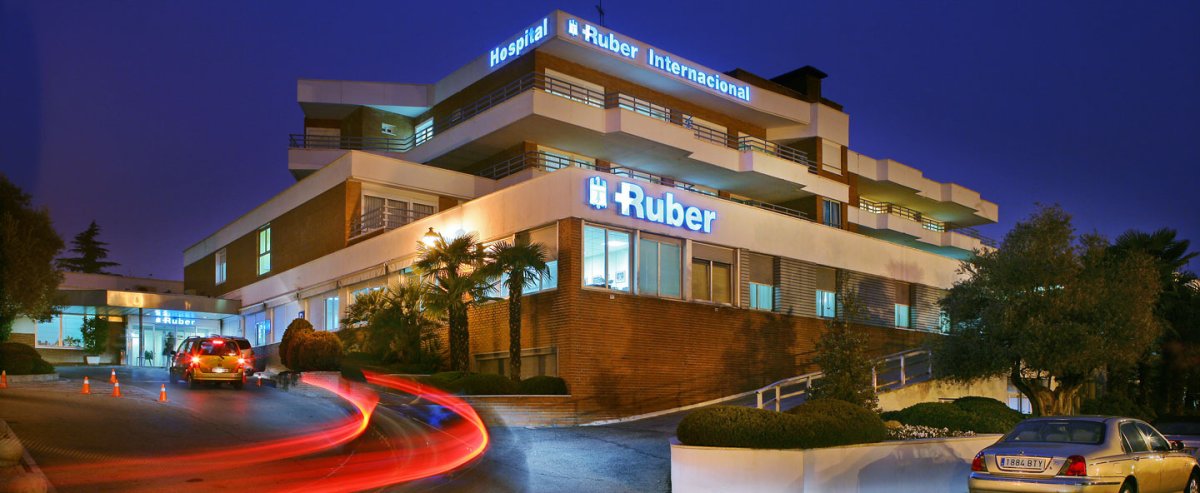
Los principales centros cardiovasculares españoles ofrecen una sólida asistencia en inglés y opciones de alojamiento para familias. Instalaciones como el Hospital Ruber Internacional y el Centro Médico Teknon cuentan con departamentos dedicados a pacientes internacionales. Estos equipos gestionan la coordinación bilingüe para tratamientos de defectos del tabique auricular, incluyendo cierres percutáneos con dispositivos y cirugías cardíacas.
- Asistencia lingüística: Los principales hospitales privados de Madrid y Barcelona cuentan con coordinadores de pacientes que hablan inglés con fluidez.
- Alojamiento: Centros como el Hospital Quiron Barcelona ofrecen estancias en hoteles cercanos y apartamentos en las propias instalaciones.
- Asistencia administrativa: Los departamentos internacionales ayudan con la logística, la revisión de historiales médicos y los traslados al aeropuerto.
- Instalaciones familiares: El SJD Barcelona Children Hospital está especializado en la atención centrada en la familia para pacientes cardíacos pediátricos.
Opinión de los expertos de Bookimed: España ocupa el cuarto lugar a nivel mundial en solicitudes de turismo médico, y el 25% de los pacientes en centros como el Hospital Ruber Internacional son internacionales. Este alto volumen en una red de 7 hospitales como HM Hospitales garantiza protocolos en inglés optimiza