Tratamiento de Comunicación interauricular en Turquía — obtenga 3 coincidencias personalizadas de clínicas


Revisado médicamente por
Fahad Mawlood
Cómo funciona
¿Cuál es el precio del diagnóstico y los tratamientos de Comunicación interauricular en Turquía? Descubra ahora
El costo del tratamiento del defecto del tabique auricular en Turquía varía según el procedimiento y el hospital. Una consulta con un cirujano tiene un precio de 190 €. La cirugía robótica mínimamente invasiva con hospitalización puede costar hasta 23.750 €. Alternativamente, un cierre percutáneo no operativo del DSA cuesta 11.400 €, con un costo adicional de 1.235 € para una ecocardiografía transesofágica. El plan de tratamiento se determina después de una evaluación detallada de la condición del paciente.
Descubra las mejores clínicas de tratamiento de Comunicación interauricular en Turquía: 23 opciones verificadas y Precios








Hospital Medical Park Bahcelievler
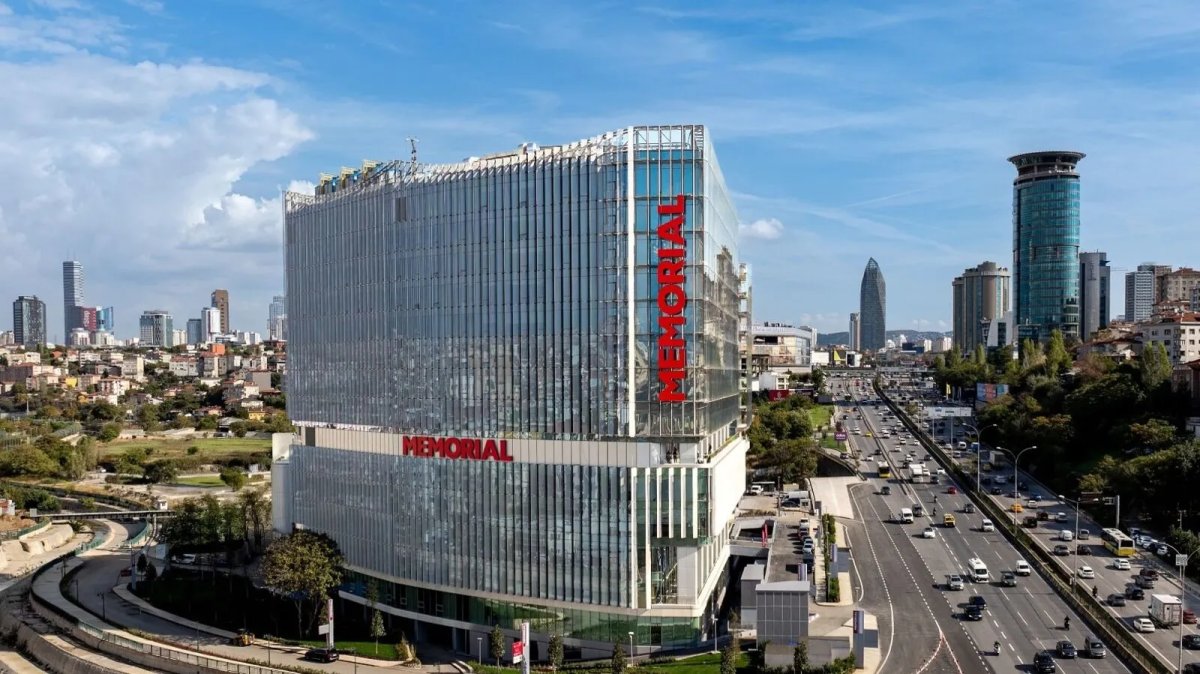
Memorial Göztepe Hospital


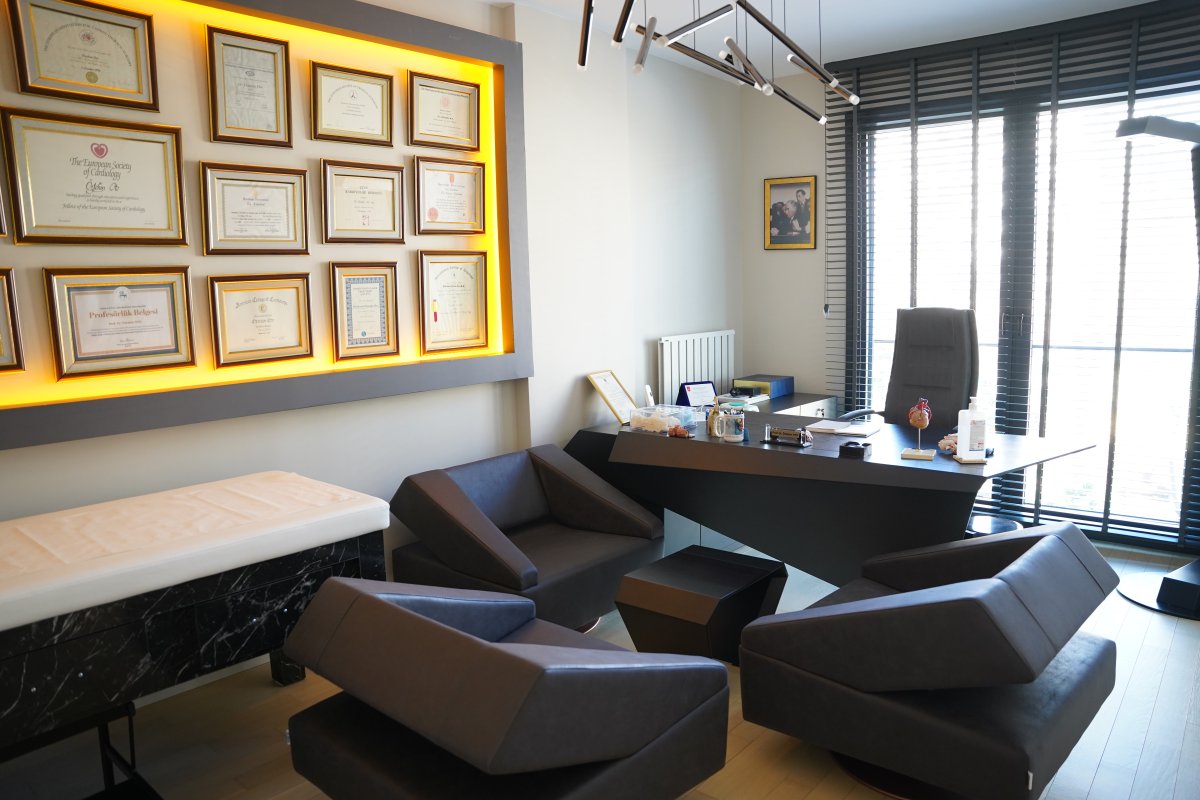
Prof. Öztekin Oto Heart Clinic

Obtenga una evaluación médica de tratamiento de Comunicación interauricular en Turquía: haga una consulta con 22 médicos experimentados ahora
Ver todos los médicos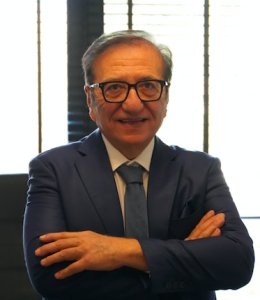
Öztekin Oto
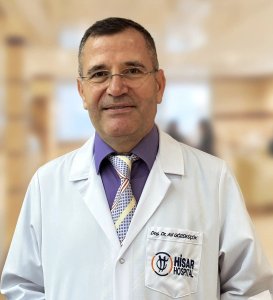
Ali Gozukucuk
El Dr. Ali Gozukucuk se especializa en cirugía pediátrica, con una beca de la Universidad Erciyes y una amplia experiencia en afecciones congénitas.
- Completó su formación quirúrgica en las universidades de Çukurova y Erciyes
- Experto en el tratamiento de hernias pediátricas y afecciones abdominales
- Ha publicado múltiples artículos en revistas médicas internacionales
- Participante activo en congresos quirúrgicos nacionales e internacionales

Bulent Polat
Compartir contenido
Historias en video de pacientes de Bookimed
 Olena Sikoza
Preguntas frecuentes sobre el tratamiento de Comunicación interauricular en Turquía
¿Es seguro someterse a una cirugía cardíaca en Turquía?
La cirugía cardíaca en Turquía es excepcionalmente segura en centros acreditados por la JCI que mantienen una tasa de éxito del 99% en procedimientos cardíacos. Instalaciones como el Hospital Memorial Sisli y Medipol Mega utilizan sistemas robóticos Da Vinci e imágenes PET-CT avanzadas para garantizar una alta precisión y la seguridad del paciente.
- Certificación hospitalaria: Más de 25 hospitales turcos cuentan con la acreditación JCI por cumplir con los estándares globales de seguridad.
- Expertise de los cirujanos: Cirujanos de élite como el Dr. Emin Tireli han realizado más de 6.000 cirugías cardíacas congénitas.
- Tecnología avanzada: Los centros utilizan resonancia magnética de 3 Teslas y sistemas robóticos para reparaciones cardíacas mínimamente invasivas.
- Alto volumen: Las principales instituciones atienden hasta 1.000.000 de pacientes internacionales y locales cada año.
Opinión del experto de Bookimed: Los datos clínicos muestran una distinción importante entre los hospitales generales y los centros de referencia cardiovascular dedicados. Medical Park Bahcelievler, por ejemplo, sirve como centro de referencia nacional para cirugía cardíaca y cuidados intensivos. Elegir estos centros especializados afiliados a universidades asegura el acceso a unidades de cuidados intensivos cardíacos especializados y ayuda a mantener una tasa de sup
¿Qué tan exitosos son los cierres de CIA en Turquía?
Los cierres de comunicación interauricular (CIA) en Turquía mantienen altas tasas de éxito, entre el 95 % y el 98 %. Las instalaciones acreditadas por la JCI utilizan técnicas transcatéter y cirugía mínimamente invasiva. Los equipos médicos expertos logran un 95.7 % de éxito en casos pediátricos. La mayoría de los procedimientos utilizan dispositivos modernos como el Amplatzer Septal Occluder.
- Tasas de éxito: Los procedimientos transcatéter demuestran una eficacia de entre el 95 % y el 98 %.
- Experiencia clínica: Médicos como el Prof. Emin Tireli han realizado más de 6,300 cirugías cardíacas congénitas.
- Estándares hospitalarios: Memorial Sisli y Medipol Mega poseen la acreditación de la Joint Commission International (JCI).
- Seguridad del paciente: Los especialistas informan cero complicaciones mayores tardías después de períodos de seguimiento de 2.8 años.
Perspectiva del experto de Bookimed: El éxito en Turquía está impulsado por un volumen quirúrgico extremo y una especialización temprana. El Prof. Emin Tireli en Medical Park Bahcelievler realiza más de 100 cirugías neonatales al año. Esta alta frecuencia permite a los cirujanos perfeccionar técnicas para defectos raros que carecen de borde y que a menudo requieren atención especializada.
Consenso de los pacientes: Los pacientes informan un alivio inmediato de l
¿Cuáles son los principales métodos de tratamiento de la CIA ofrecidos?
El tratamiento principal de la comunicación interauricular (CIA) en Turquía se centra en el cierre mínimamente invasivo mediante catéter y la reparación quirúrgica a corazón abierto. Los centros cardíacos especializados utilizan ecocardiografía para determinar el tamaño del defecto. Los cirujanos priorizan el cierre percutáneo con dispositivo para defectos tipo secundum para asegurar una recuperación más rápida y cicatrices mínimas.
- Cierre con catéter: Reparación mínimamente invasiva utilizando un dispositivo para sellar el defecto en la pared cardíaca.
- Reparación quirúrgica: Cirugía a corazón abierto necesaria para defectos grandes o complejos de tipo seno venoso.
- Imagen diagnóstica: La ecocardiografía transesofágica confirma la forma y el tamaño precisos para la adecuación del dispositivo.
- Experiencia especializada: Cirujanos como el Prof. Dr. Emin Tireli han realizado más de 6,000 cirugías congénitas.
Opinión de expertos de Bookimed: Los centros cardíacos turcos suelen funcionar como centros de referencia nacionales para la cirugía cardiovascular. Por ejemplo, Medical Park Bahçelievler se especializa en casos neonatales y técnicas híbridas complejas. Elegir una instalación con altos volúmenes anuales, como Istanbul Florence Nightingale que atiende a 300,000 pacientes, generalmente garantiza el acceso a la última tecnología de imagen,
¿Qué hospitales están especialmente recomendados para la reparación de CIA en Turquía?
Los mejores hospitales turcos para la reparación de la comunicación interauricular (CIA) incluyen Medical Park Bahçelievler, Hisar Hospital Intercontinental y Medipol Mega University Hospital. Estos centros acreditados por la JCI en Estambul se especializan tanto en cierres transcatéter mínimamente invasivos como en reparaciones quirúrgicas complejas mediante técnicas de imagen avanzadas.
- Volumen quirúrgico especializado: El Prof. Dr. Emin Tireli ha realizado más de 6,300 cirugías cardíacas congénitas.
- Imagen cardíaca avanzada: Las instalaciones utilizan ecografía 4D y resonancia magnética de 3 Teslas para un mapeo preciso del defecto.
- Opciones mínimamente invasivas: Los centros ofrecen cierre mediante dispositivos por catéter y reparación asistida por robot para una recuperación más rápida.
- Experiencia pediátrica: Medipol Mega y Medical Park sirven como centros de referencia nacionales para casos congénitos.
Opinión de expertos de Bookimed: El volumen de pacientes es el indicador más fuerte de seguridad para los procedimientos cardíacos congénitos. El Prof. Dr. Emin Tireli en Medical Park Bahçelievler realiza más de 100 cirugías cardíacas neonatales al año. Elegir un cirujano con miles de reparaciones exitosas documentadas reduce significativamente la probabilidad de complicaciones postoperatorias.
Consenso de los pacien
¿Cuánto tiempo dura el periodo de recuperación?
La recuperación tras el tratamiento de una comunicación interauricular en Turquía dura de 1 a 2 semanas en el caso de cierre mediante catéter. La cirugía a corazón abierto requiere de 6 a 8 semanas para la curación inicial y hasta 6 meses para la actividad completa. Los pacientes suelen permanecer en el hospital de 1 a 5 días.
- Cierre con catéter: Los pacientes a menudo vuelven al trabajo de oficina en una semana tras el procedimiento.
- Reparación quirúrgica: La recuperación física total para practicar deporte o levantar objetos pesados abarca de 2 a 3 meses.
- Estancia hospitalaria: El cierre con dispositivo requiere 1 noche, mientras que los casos quirúrgicos necesitan de 4 a 5 noches.
- Preparación para viajar: Los pacientes internacionales deben esperar de 7 a 14 días antes de volar a casa después de la cirugía.
Opinión experta de Bookimed: Los datos muestran que Turquía es un líder mundial en atención cardíaca con 390 clínicas especializadas. Los centros de primer nivel, como el Hospital Memorial Sisli, utilizan cirugía robótica para acortar los tiempos de recuperación en comparación con los métodos tradicionales. Cirujanos como el Dr. Sertac Cicek cuentan con certificaciones estadounidenses, lo que garantiza que se cumplan los estándares internacionales durante la atención de seguimiento.
Consenso de los pacientes:
¿Qué tipo de atención de seguimiento se proporciona?
Después del tratamiento de un defecto del tabique interauricular en Turquía, los pacientes reciben vigilancia inmediata seguida de evaluaciones cardíacas especializadas. La atención incluye diagnóstico por imagen, como ecocardiogramas y ECG, para verificar el cierre del defecto. Los hospitales acreditados por la JCI en Estambul proporcionan planes de recuperación estructurados que incluyen el manejo de medicamentos y orientación sobre actividad física.
- Vigilancia inicial: La mayoría de los pacientes son sometidos a observación hospitalaria durante la noche tras un cierre quirúrgico o mediante catéter.
- Imagenología cardíaca: El seguimiento incluye ecocardiogramas para asegurar que el dispositivo de cierre esté colocado correctamente.
- Seguimiento del ritmo: Los médicos utilizan ECG para confirmar la estabilidad del ritmo cardíaco y controlar el progreso de la recuperación.
- Manejo de medicamentos: Los especialistas coordinan regímenes de antiagregantes plaquetarios o anticoagulantes durante varios meses después del procedimiento.
Perspectiva del experto de Bookimed: Los centros cardíacos turcos manejan volúmenes masivos de pacientes; el Hospital Universitario Medipol Mega atiende a 1.000.000 de pacientes al año. Los datos sugieren que estos centros de alto volumen integran el seguimiento en rutas de recuperación estandarizadas. Por ejemplo
¿Hablan inglés los médicos en Turquía?
La mayoría de los médicos en los hospitales privados turcos hablan inglés con fluidez. Los médicos en centros acreditados por la Joint Commission International a menudo han completado sus especializaciones en los EE. UU. o el Reino Unido. Los principales especialistas cardíacos en Estambul y Antalya tratan regularmente a pacientes internacionales de más de 160 países.
- Formación especializada: Muchos cirujanos completaron sus especializaciones en la Mayo Clinic o en el Texas Heart Institute.
- Certificación hospitalaria: Los centros acreditados por la Joint Commission International exigen altos estándares de comunicación para los pacientes internacionales.
- Comunicación directa: Los mejores cardiólogos a menudo son miembros del American College of Cardiology.
- Apoyo lingüístico: Los centros privados proporcionan coordinadores para ayudar con las traducciones médicas técnicas.
Opinión experta de Bookimed: El dominio del idioma es mayor entre los cirujanos cardíacos pediátricos como el Dr. Sertaç Çiçek y el Dr. Emin Tireli. Estos especialistas han realizado miles de operaciones y mantienen licencias activas en los EE. UU. Elegir un cirujano con certificaciones internacionales generalmente asegura una mejor comunicación en inglés durante las consultas.
Consenso de los pacientes: Los pacientes señalan que, aunque los ciru