Centro médico Sourasky
Israel, Tel Aviv
Dvora Blumental
30 años de experiencia

Clínica certificada por : 





Revisado médicamente por
Fahad Mawlood
| Israel | España | Turquía | |
|---|---|---|---|
| Terapia con Actinio-225 | ≈ $28,000 | ≈ $28,000 | de $20,500 |
| Resección de glioblastoma | ≈ $38,000 | de $50,400 | de $18,500 |
| Quimioterapia para el cáncer de mama | ≈ $22,500 | de $1,700 | de $3,000 |
| Halcyon | ≈ $14,000 | ≈ $6,500 | ≈ $9,500 |
| Gamma Knife | ≈ $14,000 | de $24,900 | de $5,500 |
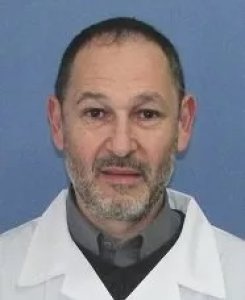
El Prof. Zvi Cohen es director del Departamento de Neurocirugía y de la Unidad de Neurooncología del Centro Médico Sheba. Neurocirujano y experto en neurooncología, fue incluido en la lista de los Mejores Médicos 2025 de Forbes Israel. Lidera investigación clínica sobre terapias farmacológicas para tumores cerebrales malignos y fundó el banco de tejidos de tumores cerebrales de Sheba.
Es especialista certificado en neurocirugía. Se formó en la Universidad de Tel Aviv y realizó subespec
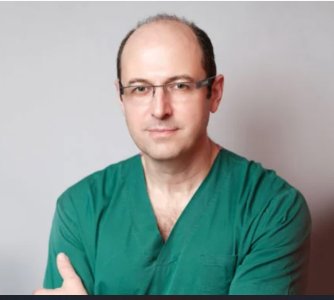
El Dr. Yuri Goldes es cirujano general con más de 20 años de experiencia clínica. Se especializa en cirugía gastrointestinal alta y oncológica. Es subdirector del Departamento de Cirugía General y Trasplante del Centro Médico Sheba en Tel Aviv y dirige la Unidad de Cirugía Gastrointestinal Alta. En 2025 fue incluido en la lista de los Mejores Médicos de Forbes Israel. Está entre los mejores cirujanos gastrointestinales de Israel según Forbes. En 2019 recibió el premio “Médico del Año” del Min
Dirigió el Servicio de Neurooncología en el Huntsman Cancer Institute de la Universidad de Utah. Es especialista senior en el campo desde 1998.

El Dr. Bokstein dirige la Clínica de Neurooncología del Hospital Ichilov, un centro de primer nivel para el tratamiento de tumores cerebrales.
 Olena Sikoza
Israel ofrece acceso inmediato a tecnologías patentadas y protocolos agresivos para el glioblastoma. Los pacientes pueden acceder a los campos de tratamiento de tumores (Optune) y a la terapia con linfocitos infiltrantes de tumores (TIL). Centros de investigación especializados integran medicamentos personalizados basados en ARN y terapias de células CAR-T desarrolladas localmente años antes de que se conviertan en estándares globales.
Perspectiva del experto de Bookimed: Los centros oncológicos israelíes como Sourasky informan una tasa de éxito del 90 % al combinar la cirugía estándar con ensayos experimentales más rápido que los hospitales occidentales. Si bien algunas tecnologías como Optune están disponibles a nivel mundial, los neurooncólogos israelíes como el Dr. Felix Bokstein a menudo las integran en protocolos multimodales inmediat
La inmunoterapia es una opción de tratamiento especializada para el glioblastoma en Israel, disponible principalmente a través de ensayos clínicos o como complemento a la cirugía y radioterapia estándar. Centros líderes como el Sheba Medical Center son líderes mundiales en terapias celulares avanzadas como las inmunoterapias CAR-T y TIL para tumores cerebrales.
Perspectiva del experto de Bookimed: Aunque muchos buscan inmunoterapia, el perfil genómico es el primer paso esencial en centros como Sourasky. Nuestros datos muestran que profesores como el Dr. Zvi Ram se centran en terapias basadas en genes. Esto permite a los médicos hacer coincidir sus marcadores tumorales específicos con los ensayos disponibles. Los pacientes deben priorizar las clínicas con institutos de investigación int
El objetivo principal del tratamiento de un tumor agresivo de grado IV, como el glioblastoma, es maximizar la resección segura para prolongar la supervivencia. Los especialistas en Israel se centran en eliminar la masa tumoral preservando las funciones neurológicas vitales. El tratamiento tiene como objetivo retrasar la recurrencia mediante protocolos sistemáticos de radioterapia y quimioterapia.
Perspectiva del experto de Bookimed: Los datos de centros israelíes líderes como el Sheba Medical Center destacan un cambio hacia la medicina de precisión para los tumores de grado IV. Si bien el protocolo de Stupp sigue siendo el estándar, las clínicas integran cada vez más las inmunoterapias CAR-T y TIL en las primeras etapas del proceso. Este enfoque se dirige a marcadores tumorales específicos, lo que puede ofrecer un control más pers
Las evaluaciones médicas iniciales para glioblastoma en Israel suelen durar de 3 a 5 días hábiles una vez que el paciente llega. Los protocolos de diagnóstico incluyen una consulta con un neurocirujano y una resonancia magnética cerebral con contraste. La revisión preliminar de registros y las consultas por video a menudo requieren de 2 a 4 semanas antes de que comience el viaje.
Perspectiva del experto de Bookimed: Los hospitales israelíes como Sheba y Sourasky manejan volúmenes masivos, tratando a más de 1,8 millones de pacientes al año. Los datos muestran que proporcionar escaneos de resonancia magnética actualizados inmediatamente al realizar la consulta puede reducir a la mitad el tiempo total de espera de la evaluación. Esto evita el retraso común de 10 días que a menudo causan las clínicas al solicitar imágenes más claras antes de la primera revisión del neur
Los pacientes extranjeros pueden participar en ensayos clínicos israelíes a través de programas médicos especializados. Debe cumplir con estrictos criterios de inclusión y obtener una derivación de un médico israelí. Departamentos dedicados en centros como el Sourasky Medical Center y el Sheba Medical Center facilitan estas solicitudes de investigación para casos internacionales.
Perspectiva del experto de Bookimed: Aunque muchos buscan ensayos en clínicas privadas, el Sheba Medical Center y el Sourasky Medical Center gestionan los mayores volúmenes de pacientes y la infraestructura de investigación. Los datos muestran que Sheba atiende a más de 2 millones de pacientes al año. Esta escala masiva a menudo se correlaciona con un mayor número de ensayos activos de fase II y III para afecciones complejas como el glioblastoma.
Consenso de los pacientes:
El tratamiento del glioblastoma en Israel suele implicar un proceso de varios meses que comienza con la neurocirugía. Los pacientes pueden esperar de 2 a 6 semanas para la recuperación quirúrgica. A esto le sigue un curso estándar de 6 semanas de radioterapia y quimioterapia. La terapia de mantenimiento continúa durante 6 a 12 meses.
Perspectiva del experto de Bookimed: Los centros israelíes como Sourasky y Sheba se especializan en casos complejos, tratando a más de 400.000 y 2 millones de pacientes al año. Su alto volumen permite transiciones rápidas entre la cirugía y la radiación, comenzando a menudo la terapia de seguimiento dentro de los 21 días. Esta eficiencia es fundamental, ya que los centros especializados reportan una tasa de éxito del 90% en tratamientos oncológicos generales.
Consenso de los pacientes: Los pacientes enfatizan que, si bien la e
Las obleas Gliadel administran quimioterapia de alta concentración directamente en el sitio del tumor cerebral durante la resección quirúrgica. Estos discos biodegradables evitan la barrera hematoencefálica. Liberan carmustina en el tejido circundante durante 2 a 3 semanas. Este enfoque dirigido daña el ADN de las células cancerosas para evitar que el tumor vuelva a crecer.
Perspectiva de expertos de Bookimed: Los neurocirujanos israelíes a menudo combinan la implantación de Gliadel con neuronavigación avanzada en centros como Sourasky o Hadassah. Esta precisión garantiza que las obleas se asienten perfectamente contra el lecho tumoral. Los datos muestran que estas instituciones mantienen una tasa de éxito oncológico del 90% a través de dicha integración multimodal. El uso de estas tecnologías juntas durante una cirugía maximiza la ventana terapéutica antes de que comienc
Israel es un centro líder en neurocirugía gracias a su combinación de avances médicos de alta tecnología y una experiencia quirúrgica de primer nivel. Instalaciones avanzadas como el Centro Médico Sheba utilizan sistemas de navegación basados en IA y resonancia magnética intraoperatoria en tiempo real. Centros especializados reportan una tasa de éxito del 98% en procedimientos complejos, como la craneotomía con el paciente despierto y el tratamiento de trastornos del movimiento.
Opinión experta de Bookimed: Los datos muestran una clara diferencia entre las opciones de tratamiento públicas y privadas en Israel. Centros privados, como el Centro Médico Assuta, realizan más de 92.000 cirugías al año y permiten a los pacientes elegir a un cirujano líder específico. Esto supone una ventaja signi
Los neurocirujanos israelíes tratan una amplia gama de afecciones, desde tumores cerebrales y de médula espinal hasta trastornos funcionales complejos. Los centros especializados utilizan tecnologías de vanguardia, como el bisturí de rayos gamma, la estimulación cerebral profunda y la resonancia magnética intraoperatoria, para un diagnóstico altamente preciso de la epilepsia, la enfermedad de Parkinson y las patologías cerebrovasculares.
Opinión experta de Bookimed: Los hospitales israelíes suelen combinar diversas especialidades para abordar casos complejos. En el Centro Médico Sourasky, neurocirujanos como el Dr. Zvi Lidar combinan neurocirugía y ortopedi
Israel alberga centros neuroquirúrgicos de renombre mundial, como el Centro Médico Sourasky, el Centro Médico Sheba y el Centro Médico Hadassah. Estas instituciones son líderes mundiales en el tratamiento de tumores cerebrales complejos, enfermedades de la columna vertebral y trastornos del movimiento. Utilizan tecnologías de vanguardia como el bisturí de rayos gamma, sistemas robóticos y resonancia magnética intraoperatoria.
Opinión experta de Bookimed: Nuestros datos muestran que, si bien la mayoría de los pacientes buscan tratamiento en Tel Aviv, el Centro Médico Rambam en Haifa ofrece una atención única para neurotraumatismos. Cuenta con una unidad especializada en cuidados neurocríticos que atiende a aproximadamente un milló