Glioblastoma Tratamiento en Corea del Sur — Costos 2026


Revisado médicamente por
Fahad Mawlood
¿Cuál es el precio del diagnóstico y los tratamientos de Glioblastoma en Corea del Sur? Descubra ahora
El costo del tratamiento del glioblastoma en la República de Corea está determinado principalmente por el estadio del tumor y el enfoque quirúrgico elegido. De $500. Los pacientes a menudo ahorran entre un 30 y un 50% en comparación con los Estados Unidos. La atención neuroquirúrgica de alto nivel se concentra en Seúl.
Costos típicos del tratamiento del glioblastoma en la República de Corea
- Consulta con un oncólogo: $50 – $75
- Consulta con un neurocirujano: de $53
- Resonancia magnética cerebral con contraste: de $500
- Gamma Knife: de $10,000
- Quimioterapia: de $3,000
Perspectiva de los expertos de Bookimed: Para casos complejos de glioblastoma, la atención multidisciplinaria en centros acreditados por la JCI en Seúl ofrece la mejor relación calidad-precio. El Hospital Severance brinda atención integral con 2,000 médicos en una instalación certificada por la JCI. Los pacientes que buscan seguridad digital avanzada deberían considerar el Hospital Universitario Nacional de Seúl Bundang (SNUBH). Utiliza el sistema BESTcare para la seguridad médica. El Hospital Anam de la Universidad de Corea es ideal para aquellos que requieren cirugía oncológica robótica especializada.
| Corea del Sur | España | Turquía | |
|---|---|---|---|
| Terapia con Actinio-225 | ≈ $18,000 | ≈ $28,000 | de $20,600 |
| Resección de glioblastoma | ≈ $28,000 | de $50,500 | de $18,500 |
| Quimioterapia para el cáncer de mama | de $3,000 | de $1,700 | de $3,000 |
| Halcyon | ≈ $9,000 | ≈ $6,500 | ≈ $9,500 |
| Gamma Knife | de $10,000 | de $24,900 | de $5,500 |
Sus beneficios y garantías con Bookimed
Precios directos
Bookimed no añade cargos extra a los precios de los tratamientos de Glioblastoma. Las tarifas proceden de las listas de precios oficiales de las clínicas. Pagará directamente en la clínica por su tratamiento a su llegada al país.
Sólo clínicas y médicos verificados
Bookimed está comprometido con su seguridad. Solo trabajamos con las clínicas que mantienen altos estándares internacionales en el tratamiento de Glioblastoma y cuentan con las licencias necesarias para atender a pacientes internacionales en todo el mundo.
Asistencia 24/7 gratuita
Bookimed ofrece asistencia experta gratuita. Un coordinador médico personal le apoya antes, durante y después de su tratamiento, resolviendo cualquier problema. Nunca estará solo en su viaje médico de tratamiento de Glioblastoma.

Su coordinador médico personal de Bookimed
- Le apoya en cada etapa
- Ayuda a elegir la clínica y el médico adecuados
- Asegura un acceso rápido y conveniente a la información
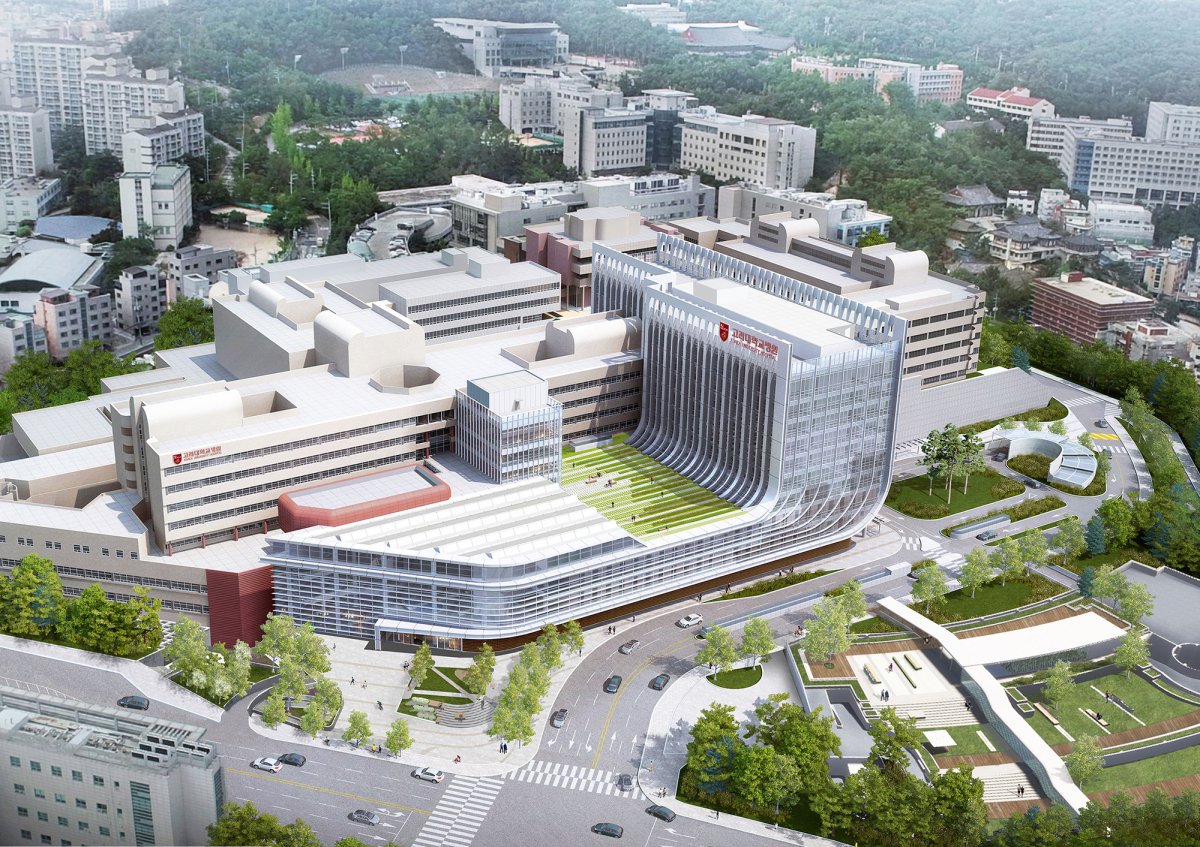
Descubra las mejores clínicas de tratamiento de Glioblastoma en Corea del Sur: 6 opciones verificadas y Precios











Obtenga una evaluación médica para Glioblastoma en Corea del Sur: consulte con doctores experimentados ahora
Ver todos los médicos
An Song-yeol

Do Hyun Nam
El Dr. Do Hyun Nam es reconocido por sus cirugías cerebrales endoscópicas y la extirpación de tumores en el Samsung Medical Center, uno de los mejores hospitales de Corea del Sur.
- Especializado en neurocirugía pediátrica y de adultos
- Experto en el tratamiento de tumores cerebrales benignos y malignos
- Realiza procedimientos avanzados de radiocirugía
Compartir contenido
Historias en video de pacientes de Bookimed
 Olena Sikoza
Preguntas frecuentes sobre el tratamiento de Glioblastoma en Corea del Sur
¿Es segura la cirugía de glioblastoma en Corea para pacientes internacionales?
La cirugía de glioblastoma en Corea es excepcionalmente segura para los pacientes internacionales. Las instalaciones mantienen una tasa de eficacia del 95% en los procedimientos de extirpación de tumores cerebrales. La mayoría de los centros de primer nivel cuentan con acreditación JCI o KOIHA. Estos hospitales utilizan la resección guiada por fluorescencia para maximizar la extirpación del tumor mientras protegen el tejido sano.
- Volumen de experiencia: El Asan Medical Center realiza más de 65.000 operaciones quirúrgicas cada año.
- Seguridad digital: El SNUBH utiliza el sistema BESTcare para prevenir errores médicos.
- Tasas de supervivencia: Corea reporta una supervivencia a 5 años del 44,1% para tumores cerebrales malignos.
- Mínimamente invasivo: Las clínicas ofrecen cirugía endoscópica y Gamma Knife para casos complejos.
Opinión de expertos de Bookimed: Corea ofrece una ventaja de seguridad única gracias a sus enormes volúmenes de pacientes. El Asan Medical Center atiende a más de 11.000 pacientes ambulatorios al día. Esta alta frecuencia permite a los cirujanos perfeccionar sus técnicas mucho más rápido que en los centros europeos de menor volumen. Al elegir una clínica, priorice aquellas que utilicen sistemas de datos 100% digitales como el SNUH. Los registros médicos electrónicos reducen significativamente los errores de medicación pa
¿Recibiré un mapeo despierto o una resección guiada por fluorescencia?
Es posible que reciba tanto un mapeo despierto como una resección guiada por fluorescencia durante la cirugía de glioblastoma en Corea del Sur. El glioblastoma es un tumor de alto grado que a menudo requiere una extirpación agresiva. Los cirujanos utilizan la fluorescencia para la visualización y el mapeo con el fin de proteger funciones como el habla. Estas técnicas son estándar en los centros acreditados por la JCI en Seúl.
- Mapeo despierto: Los cirujanos utilizan corrientes eléctricas mientras usted realiza tareas para proteger las funciones motoras.
- Resección guiada por fluorescencia: Usted bebe una solución de 5-ALA para que las células cancerosas brillen bajo luz azul.
- Objetivo del tratamiento: Estas herramientas ayudan a maximizar la extirpación del tumor mientras preservan su calidad de vida diaria.
- Enfoque integrado: Los hospitales coreanos de alto volumen a menudo combinan ambos métodos para casos complejos de glioblastoma.
Perspectiva del experto de Bookimed: El Hospital de la Universidad Nacional de Seúl atiende a más de 10.000 pacientes al día y es una opción líder para el glioblastoma. Los altos volúmenes de pacientes indican una profunda experiencia en neurocirugía compleja. Clínicas como el Asan Medical Center también mantienen la acreditación de la Joint Commission International (JCI). Esto garantiza que sigan los protoc
¿Qué sucede si queda un tumor después de la cirugía?
Las células tumorales residuales después de la cirugía de glioblastoma en Corea del Sur se manejan mediante terapias adyuvantes agresivas. Los cirujanos a menudo dejan células microscópicas para proteger el tejido cerebral sano. Los protocolos estándar incluyen resonancias magnéticas especializadas dentro de las 48 horas. Estos escaneos cuantifican el volumen tumoral restante para guiar la quimioterapia o radiación inmediata.
- Terapia adyuvante: La temozolomida y la radiación se dirigen a las células restantes para evitar un recrecimiento rápido.
- Monitoreo postoperatorio: Las resonancias magnéticas tempranas dentro de las 48 horas distinguen el tumor residual de la cicatriz quirúrgica.
- Técnicas especializadas: Los centros coreanos utilizan craneotomía con paciente despierto y cirugía guiada por fluorescencia para maximizar la eliminación del tumor.
- Opciones avanzadas: Los centros utilizan terapia de protones o Gamma Knife para tumores en áreas cerebrales elocuentes.
Perspectiva del experto de Bookimed: Los datos de los pacientes muestran que los hospitales coreanos como el Hospital de la Universidad Nacional de Seúl logran altas estadísticas de tratamiento del cáncer mediante la digitalización de los flujos de trabajo quirúrgicos. El seguimiento del volumen residual dentro de las 48 horas es vital. Esta precisión permite a los médicos aj
¿Cuál es el tiempo típico de estancia hospitalaria y recuperación?
El tratamiento del glioblastoma en Corea del Sur generalmente requiere una estancia hospitalaria de 7 a 14 días después de la resección quirúrgica. La recuperación inicial toma de 2 a 4 semanas antes de comenzar la radioterapia o quimioterapia adyuvante. Los centros especializados gestionan casos complejos con monitoreo intensivo para garantizar la estabilidad neurológica.
- Estancia hospitalaria: Espere de 7 a 10 días para la recuperación después de la cirugía de resección tumoral.
- Cicatrización de heridas: Las incisiones quirúrgicas generalmente sanan dentro de los 10 a 14 días posteriores al procedimiento.
- Terapia adyuvante: La radioterapia o quimioterapia a menudo comienza de 3 a 4 semanas después del alta hospitalaria.
- Seguimiento: Se programan resonancias magnéticas cerebrales regulares cada 2 a 3 meses para el monitoreo.
Perspectiva del experto de Bookimed: Los datos clínicos muestran que el Hospital Bundang de la Universidad Nacional de Seúl utiliza el sistema digital BESTcare para prevenir errores. Esta automatización acorta la recuperación al agilizar los cronogramas de medicación y escaneos para pacientes oncológicos. Elegir un hospital totalmente digital reduce significativamente el riesgo de retrasos posquirúrgicos.
Consenso de los pacientes: Los pacientes señalan que el proceso de recuperación se sien
¿Qué escaneos y registros prequirúrgicos debo traer?
La preparación para una cirugía de glioblastoma en Corea del Sur requiere escaneos de resonancia magnética (IRM) cerebral de alta resolución con contraste. Debe proporcionar los archivos DICOM originales de los últimos 1 a 3 meses. Incluya informes de patología completos con marcadores moleculares como IDH y MGMT. Tráigalos en dos unidades USB de respaldo. Los hospitales a menudo repiten las pruebas que tienen más de 14 días de antigüedad.
- Especificaciones de imagen: Traiga secuencias de IRM T1, T2 y FLAIR en CD o USB.
- Registros de patología: Incluya portaobjetos sin procesar o archivos digitales para los marcadores IDH y MGMT.
- Historial de tratamiento: Proporcione resúmenes de quimioterapia previa, radiación y dosis actuales de esteroides.
- Autorización médica: Presente análisis de sangre recientes y resultados de ECG completados en las últimas 2 semanas.
Perspectiva del experto de Bookimed: Aunque los centros principales como el Asan Medical Center y el Severance Hospital utilizan sistemas digitales avanzados, priorizan estrictamente los datos DICOM de alta resolución. Nuestros datos muestran que las instalaciones coreanas de primer nivel, incluido el Hospital de la Universidad Nacional de Seúl, tratan a miles de pacientes oncológicos diariamente. Debido a este alto volumen, los cirujanos suelen rechazar los JPG enviados por correo ele
¿Puedo recibir terapia de haz de protones o de iones de carbono en Corea?
Puede recibir tanto terapia de haz de protones como de iones de carbono en Corea del Sur. El Centro de Terapia de Iones Pesados Yonsei en el Hospital Severance ofrece tratamiento con iones de carbono. El Samsung Medical Center y el National Cancer Center ofrecen terapia de haz de protones utilizando tecnología de escaneo de haz de lápiz de alta precisión para glioblastomas y otros tumores cerebrales.
- Centro de iones de carbono: El Hospital Severance en Seúl opera la primera instalación de terapia de iones pesados de Corea.
- Tecnología de protones: El Samsung Medical Center utiliza escaneo avanzado para atacar el glioblastoma con precisión.
- Neurocirugía experta: El Dr. Do Hyun Nam en Samsung se especializa en radiocirugía de tumores cerebrales malignos.
- Excelencia académica: El Hospital de la Universidad Nacional de Seúl reporta las estadísticas de tratamiento de cáncer más altas a nivel nacional.
Perspectiva del experto de Bookimed: Si bien la terapia de protones está establecida, la terapia de iones de carbono en el Hospital Severance es un recurso poco común. Nuestros datos muestran que Severance atiende a 4.000.000 de pacientes al año. Este alto volumen sugiere que sus equipos multidisciplinarios son excepcionalmente eficientes en la selección de casos complejos de glioblastoma para estos protocolos de radiación especializados.
¿Dónde se encuentran los principales centros de neurooncología para extranjeros?
Los principales centros de neurooncología para pacientes internacionales se encuentran en Estados Unidos, Alemania y la República de Corea. Estos centros cuentan con instalaciones acreditadas por la JCI especializadas en glioblastoma. Ofrecen atención integrada, incluyendo radiocirugía y extirpación endoscópica de tumores, para maximizar las tasas de supervivencia.
- Centro de Seúl: Centros importantes como el Severance Hospital y el Asan Medical Center son líderes en oncología.
- Tecnología avanzada: Las instalaciones utilizan Gamma Knife, radiocirugía y sistemas digitales para diagnósticos precisos.
- Equipos quirúrgicos expertos: Especialistas como el Dr. Do Hyun Nam realizan extirpaciones complejas de tumores cerebrales.
- Acreditación global: Las clínicas cuentan con la Joint Commission International (JCI) y la Global Healthcare Accreditation (GHA).
Perspectiva del experto de Bookimed: Seúl se ha convertido en un destino principal de neurooncología debido a sus enormes volúmenes de pacientes. El Asan Medical Center realiza más de 65.000 operaciones al año. El Korea University Anam Hospital se especializa en cirugía sin sangre. Esta alta intensidad permite a los médicos dominar rápidamente los protocolos complejos de glioblastoma. Esta experiencia iguala el nivel con los centros occidentales.