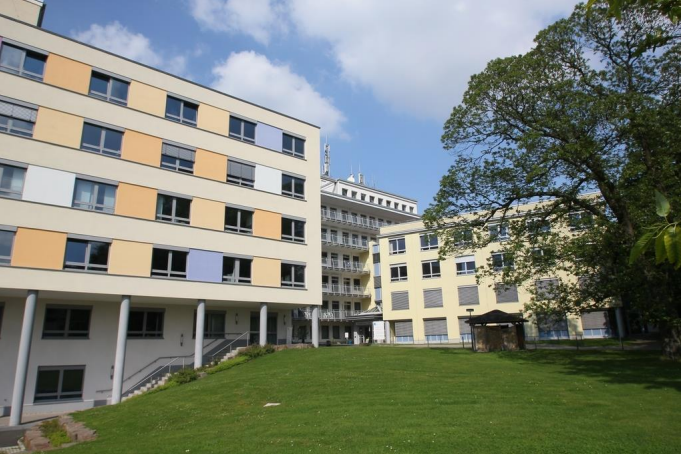
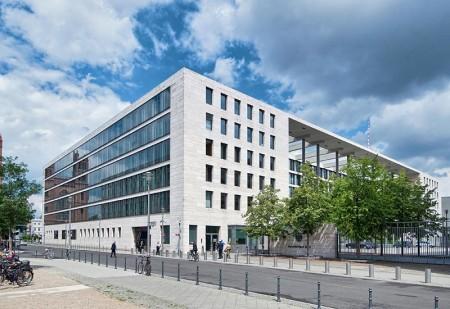
CDT-WEST Center of Diagnostics and Therapy
Alemania, Colonia


Revisado médicamente por
Fahad Mawlood
El costo total del tratamiento de glioblastoma en Alemania varía según los servicios específicos y las consultas requeridas. Una consulta por video para una evaluación inicial cuesta aproximadamente 760 €. Además, un análisis diagnóstico detallado y una consulta por video con un neurocirujano están disponibles por alrededor de 1.045 €. El plan de tratamiento y los costos asociados se personalizan para satisfacer las necesidades individuales de cada paciente tras una evaluación integral.
| Alemania | España | Turquía | |
|---|---|---|---|
| Terapia con Actinio-225 | ≈ $18,000 | ≈ $28,000 | de $20,500 |
| Resección de glioblastoma | ≈ $24,000 | de $50,500 | de $18,500 |
| Quimioterapia para el cáncer de mama | de $2,200 | de $1,700 | de $3,000 |
| Halcyon | ≈ $9,500 | ≈ $6,500 | ≈ $9,500 |
| Gamma Knife | de $4,500 | de $24,900 | de $5,500 |



La Dra. Viola Fox combina la investigación en biología molecular con la atención oncológica práctica, ofreciendo tratamientos de vanguardia para casos complejos de glioblastoma.

El profesor Keil se especializa en técnicas avanzadas de imagen para el glioblastoma, utilizando resonancia magnética y tomografía computarizada para guiar intervenciones precisas en el Hospital Académico de Solingen.
La Prof. Elke Jaeger es una de las mejores oncólogas de Alemania según el ranking de Focus. Dirige el departamento de Oncología y Hematología en la Clínica Nordwest.

El Prof. Jürgen Kiwit es un destacado neurocirujano alemán especializado en cirugías mínimamente invasivas de tumores cerebrales en Meoclinic Berlin.
 Olena Sikoza
Los centros de neurooncología alemanes ofrecen un enfoque multimodal que combina la resección microquirúrgica, la radiación y la quimioterapia. Las opciones avanzadas incluyen la cirugía guiada por fluorescencia con 5-ALA para identificar los márgenes del tumor y los campos de tratamiento de tumores (Tumor Treating Fields). Las inmunoterapias personalizadas, como las vacunas de células dendríticas y la terapia de células CAR-T, también están disponibles en clínicas universitarias especializadas.
Perspectiva del experto de Bookimed: Aunque muchos se centran en la cirugía, la integración del diagnóstico molecular, como la prueba de metilación de MGMT, es vital. Clínicas como Nordwest y Charité Berlin utilizan estos marcadores para predecir la respuesta a la quimioterapia. Este enfoque basad
Alemania alberga centros de neurooncología líderes a nivel mundial, como la Charité de Berlín y el Hospital Universitario de Heidelberg. Estas instalaciones utilizan comités de tumores multidisciplinarios y neurocirugía avanzada. Los centros académicos especializados ofrecen terapias de alta precisión y ensayos clínicos activos. Mantienen rigurosas certificaciones de la Sociedad Alemana del Cáncer para la calidad de la atención del glioblastoma.
Perspectiva del experto de Bookimed: Aunque los centros principales como la Charité de Berlín atienden a más de 800.000 pacientes al año, la profundidad de la experiencia varía según el cirujano. El Prof. Dr. Med. Peter Vajkoczy en la Charité realiza personalmente 4.000 operaciones al año. Este alto volumen individual a menudo se correlaciona con mejores resultados en
Los protocolos terapéuticos alemanes contemporáneos para el glioblastoma logran una supervivencia global mediana de entre 15 y 21 meses para los casos recién diagnosticados. Los centros especializados utilizan enfoques multimodales. Estos combinan la resección quirúrgica con quimioterapia con temozolomida y radioterapia. Los pacientes con metilación de MGMT a menudo alcanzan los 24 meses o más con campos de tratamiento de tumores.
Perspectiva del experto de Bookimed: La neurooncología alemana se diferencia por su enorme volumen de pacientes y la integración de la investigación. Charité - Universitätsmedizin Berlin trata a más de 845.000 pacientes al año. Esta escala permite que clínicas como el Centro Médico de S
La terapia con células dendríticas utiliza una vacuna personalizada para entrenar al sistema inmunológico a reconocer las células del glioblastoma. Este tratamiento autólogo implica extraer monocitos del paciente, madurarlos con antígenos tumorales en un laboratorio y reinyectarlos para activar una respuesta dirigida de células T contra las células cancerosas cerebrales restantes.
Perspectiva del experto de Bookimed: Los datos sugieren que combinar la terapia con células dendríticas con centros quirúrgicos especializados aumenta la eficacia. El Prof. Dr. Peter Vajkoczy en la Charité realiza más de 4,000 cirugías al año, asegurando la baja carga tumoral necesaria para el éxito de la inmunoterapia. Centros líderes como la
Los centros oncológicos alemanes determinan la candidatura para ensayos de CAR-T y anticuerpos monoclonales mediante perfiles moleculares y evaluación física. Los pacientes generalmente requieren una recurrencia confirmada de glioblastoma después de la terapia estándar y un índice de rendimiento de Karnofsky superior al 70%. La elegibilidad también depende de biomarcadores específicos como la metilación de MGMT o la expresión de EGFR.
Perspectiva del experto de Bookimed: Los datos de los principales hospitales universitarios alemanes como Charité y Düsseldorf muestran que el perfil genómico es el obstáculo más crítico. Alrededor del 80% de los pacientes con glioblastoma pueden encontrar que sus tumores carecen de las proteínas específicas requeridas para los objetivos actuales
Alemania alberga algunos de los departamentos de neurocirugía más prestigiosos del mundo, liderados por la Charité – Universitätsmedizin Berlin y el Hospital Universitario de Heidelberg. Estos centros destacan en el tratamiento de tumores cerebrales complejos y enfermedades cerebrovasculares. Para maximizar la eficacia de sus procedimientos, utilizan tecnologías de vanguardia como la resonancia magnética intraoperatoria y la neuronavegación asistida por computadora.
Opinión experta de Bookimed: Los datos muestran que elegir centros con un alto volumen quirúrgico suele llevar a recomendaciones de tratamiento más conservadoras. En el Centro Médico Solingen, que atiende a más de 60.000 pacientes al año, los cirujanos suelen sugerir fisioterapia en lugar de cirugía
En Alemania, los procedimientos neuroquirúrgicos de alta complejidad demuestran una seguridad excepcional. Las tasas de éxito en las fusiones espinales alcanzan el 99 %. La tasa de supervivencia en las resecciones de tumores cerebrales primarios es del 97 %. La independencia funcional es alta. Más del 82 % de los pacientes reciben el alta inmediatamente después del tratamiento. Los centros alemanes priorizan la preservación de la función neurológica mediante técnicas modernas de mapeo.
Opinión experta de Bookimed: Cirujanos experimentados como el Dr. Uwe Köhler, de la Clínica Asklepios Altona, realizan más de 2000 cirugías al año. Los datos muestran que estos especialistas mantienen tasas de éxito de hasta el 90 %, incluso en los tumores cerebrales más comp
Las clínicas neuroquirúrgicas alemanas incorporan regularmente instrumentos digitales de alta precisión y visualización en tiempo real a la práctica quirúrgica. Entre las tecnologías clave se encuentra la neuronavegación computarizada para cirugías de cerebro y médula espinal. Instituciones como la Clínica Asklepios Nord utilizan la resonancia magnética intraoperatoria para verificar la extirpación de tumores en tiempo real. Estos sistemas proporcionan a los cirujanos navegación GPS 3D.
Opinión experta de Bookimed: Grandes centros como la Charité – Universitätsmedizin de Berlín realizan más de 4000 procedimientos neuroquirúrgicos al año, lo que crea un entorno rico en datos para p
En Alemania, los neurocirujanos deben completar una residencia especializada de seis años tras graduarse de la facultad de medicina. Este programa estructurado incluye cuidados intensivos, práctica clínica y una revista quirúrgica obligatoria. Posteriormente, los candidatos aprueban un examen estatal para obtener el título de residente (Facharzt für Neurochirurgie).
Opinión experta de Bookimed: La formación neuroquirúrgica alemana se centra en una amplia experiencia quirúrgica. Por ejemplo, el Dr. Ralf Buhl, del Centro Médico Solingen, ha realizado más de 4000 cirugías. El Dr. Jürgen Kiwit, del Hospital Meoklinik, cuenta con más de 25 años de experiencia. Este riguroso sistema garantiza que los especialistas de los principales centros aborden casos complejos con una precisión demostrada.
Comentarios de los pacientes: Los pacientes se sienten seguros al saber que sus médicos han recibido año
Los neurocirujanos extranjeros deben cumplir estrictos requisitos de idioma y licencia para realizar formación o prácticas en Alemania. La formación requiere una licencia médica válida o un permiso temporal. Los internos deben obtener la autorización de un hospital específico. Ambas opciones requieren un alto nivel de alemán para participar en debates clínicos y realizar procedimientos quirúrgicos complejos con seguridad.
Opinión experta de Bookimed: Las clínicas alemanas con un alto volumen de pacientes, como Nordwest Clinic o Asklepios Nord, suelen priorizar a los candidatos que ya han pasado una evaluación preliminar de la documentación. Nuestros datos muestran que profesores como el Dr. Uwe Köhler y el D