Defecto septal ventricular en Israel: clínicas verificadas para su tratamiento


Revisado médicamente por
Fahad Mawlood
Cómo funciona
¿Cuál es el precio del diagnóstico y los tratamientos de Defecto septal ventricular en Israel? Descubra ahora
Ventricular septal defect treatment cost in Israel ranges from approximately $28,000 to $42,000 for primary surgical interventions. Diagnostic essentials like a heart ultrasound run between $250 and $400. Total expenses depend on whether the patient requires minimally invasive catheterization or complex open heart surgery. Patients typically find 40-60% savings compared to the US in top medical hubs like Tel Aviv, Haifa, and Jerusalem.
Typical Ventricular Septal Defect Treatment Costs in Israel
- Heart ultrasound: $250 – $400
- Consultation with a heart surgeon: $350 – $550
- Heart MRI: $700 – $1,200
- Ventricular septal defect surgery: $28,000 – $42,000
- Open heart surgery: $28,500 – $44,000
Bookimed Expert Insight: Patients seeking less traumatic options should consider specialists who utilize minimally invasive techniques. Dr. David Mishaali at Sheba Medical Center specializes in smaller incisions to reduce recovery time. For pediatric cases, JCI-accredited centers like Rambam Medical Center offer family-friendly amenities and robotic surgery expertise. Sourasky Medical Center provides high value with free airport transfers and interpreters for international families.
| Israel | España | Turquía | |
|---|---|---|---|
| Cirugía de comunicación interventricular (VSD) | ≈ $28,000 | ≈ $21,000 | de $15,000 |
| Cirugía de comunicación interventricular | de $15,000 | ≈ $18,500 | de $10,500 |
| Cirugía a corazón abierto | ≈ $28,500 | de $50,400 | de $13,500 |
Descubra las mejores clínicas de tratamiento de Defecto septal ventricular en Israel: 2 opciones verificadas y Precios








Obtenga una evaluación médica para Defecto septal ventricular en Israel: consulte con doctores experimentados ahora
Ver todos los médicos
Livia Kapusta
La Dra. Livia Kapusta es cardióloga pediátrica con formación especializada en la Universidad de Tel Aviv y la Universidad Radboud de Nimega.
- Se centra en afecciones cardíacas congénitas como la comunicación interventricular
- Realiza procedimientos como el cierre del conducto arterioso persistente (PDA) y la septostomía auricular con balón
- Experta en el manejo de emergencias cardíacas y arritmias pediátricas
- Trabaja en el Centro Médico Sourasky (Ichilov) en Israel
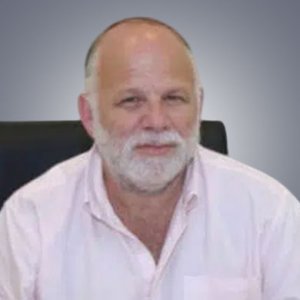
David Mishaali
El Dr. David (Dudi) Mishali, MD, es Director de Cirugía Cardiotorácica Pediátrica y Congénita en el Centro Médico Sheba. Atiende a lactantes y niños con cardiopatías congénitas. Su labor abarca anomalías raras y de alto riesgo y reconstrucciones complejas en recién nacidos.
Se formó a nivel internacional. Completó la residencia en el Centro Médico Rabin y realizó fellowships clínicos en cirugía cardíaca en la Cleveland Clinic y en cirugía cardiotorácica pediátrica congénita en la UCSF.

Moni Shuvi
El Dr. Moni Shuvi se especializa en enfermedades de las válvulas cardíacas en el Hadassah Medical Center, centrándose en la cardiología intervencionista.
- Experto en procedimientos de válvula mitral
- Experto en ICP y angiografía coronaria
- Especializado en el tratamiento del infarto de miocardio

Avraham Lorber
El Dr. Lorber se centra específicamente en el diagnóstico y tratamiento de problemas cardíacos estructurales, como las CIV, en el Centro Médico Rambam.
- Especialista en Pediatría y Cardiología Pediátrica
- Profesor titular en la facultad de medicina del Technion-Israel Institute of Technology
- Sus intereses clínicos y académicos incluyen el tratamiento intervencionista de las cardiopatías congénitas
- Apoya tratamientos complejos en el Hospital Infantil Meyer
Compartir contenido
Historias en video de pacientes de Bookimed
 Olena Sikoza
Preguntas frecuentes sobre el tratamiento de Defecto septal ventricular en Israel
¿Es la cirugía la única opción para la comunicación interventricular (CIV) en Israel, o existen alternativas menos invasivas?
La reparación quirúrgica no es la única opción para la comunicación interventricular en Israel. Los centros israelíes utilizan cierres transcatéter no quirúrgicos para pacientes adecuados. Estos procedimientos utilizan dispositivos oclusores guiados por catéteres. Este enfoque evita grandes incisiones en el pecho y acorta significativamente los tiempos de recuperación.
- Cierre con catéter: Se despliega un dispositivo especial similar a un tapón a través de la ingle.
- Tasas de éxito: Los centros cardíacos israelíes reportan tasas de éxito del 95% al 97%.
- Mínimamente invasivo: Los cirujanos utilizan pequeñas incisiones toracoscópicas para evitar abrir el pecho.
- Elegibilidad para el tratamiento: La viabilidad depende del tamaño del defecto y la ubicación muscular.
Perspectiva del experto de Bookimed: Las clínicas de cardiología israelíes como el Rambam Medical Center atienden a casi 1.000.000 de pacientes al año. Este volumen masivo a menudo permite a los especialistas ofrecer enfoques híbridos para casos complejos. Estos combinan la precisión del catéter con el acceso microquirúrgico para reducir los riesgos de infección en bebés.
Consenso de los pacientes: Los padres suelen señalar que el cierre transcatéter permite que los niños se recuperen en días. Muchos aprecian el enfoque de espera vigilante para defectos pequ
¿Cuáles son las tasas de éxito y complicaciones de los cierres de CIV realizados en hospitales israelíes?
Los hospitales israelíes reportan una tasa de éxito del 95% al 97% para el cierre de la comunicación interventricular (CIV). La mortalidad quirúrgica se mantiene cerca del 0% en las series pediátricas modernas. Las complicaciones ocurren en aproximadamente el 5% de los casos. La mayoría de los problemas, como pequeños cortocircuitos residuales o arritmias, se resuelven sin impacto a largo plazo en la salud del paciente.
- Éxito del procedimiento: Las tasas de cierre de defectos suelen alcanzar del 95% al 97% en los principales centros.
- Tasa de supervivencia: Los estudios quirúrgicos contemporáneos reportan una tasa de supervivencia del 100% para reparaciones estándar.
- Complicaciones menores: Problemas temporales de ritmo o pequeñas fugas ocurren en aproximadamente el 5% de los casos.
- Estancia y recuperación: Los pacientes permanecen de 3 a 5 días con una recuperación completa en 6 semanas.
Perspectiva del experto de Bookimed: La cardiología israelí destaca debido a los altos volúmenes clínicos y la integración académica. Centros como el Sourasky Medical Center gestionan 34,000 cirugías al año, asegurando que los médicos mantengan la máxima competencia. El especialista Dr. David Mishaali en el Sheba Medical Center ofrece enfoques mínimamente invasivos únicos para defectos congénitos. Esta técnica reduce el trauma físico en comparación con
¿Cuánto tiempo tendré que permanecer en Israel antes y después de la reparación de una comunicación interventricular?
Planifique una estancia de 14 a 15 días en Israel para la reparación de una comunicación interventricular. Debe llegar 2 días antes de la cirugía para las evaluaciones. La hospitalización suele durar de 5 a 7 días. Los pacientes deben permanecer en la zona durante 5 días adicionales para garantizar la seguridad del vuelo.
- Evaluación preoperatoria: Llegue 2 días antes para realizarse un ECG, análisis de sangre y pruebas de imagen.
- Duración de la hospitalización: Permanezca de 5 a 7 días para el seguimiento y la recuperación inicial.
- Monitoreo en UCI: Espere pasar los primeros 1 a 2 días después de la cirugía.
- Autorización para viajar: Espere de 10 a 14 días después de la operación para evitar el barotrauma aéreo.
Perspectiva del experto de Bookimed: Los centros israelíes como el Sourasky Medical Center gestionan más de 400.000 pacientes al año con gran eficiencia. Nuestros datos muestran que cirujanos de primer nivel como el Dr. David Mishaali en Sheba priorizan las técnicas mínimamente invasivas. Estos métodos a menudo reducen las estancias hospitalarias a solo 4 días para pacientes pediátricos. Elegir a un especialista centrado en defectos congénitos puede reducir significativamente su tiempo total en el país.
Consenso de los pacientes: Los pacientes señalan que la recuperación suele ser más rápida de lo esperad
¿Qué hospitales y especialistas israelíes tratan con mayor frecuencia a pacientes internacionales con CIV?
Hospitales israelíes como el Sourasky Medical Center y el Sheba Medical Center tratan frecuentemente a pacientes internacionales con comunicación interventricular (CIV). Estas instituciones utilizan instalaciones acreditadas por la JCI y técnicas de cierre mínimamente invasivas. Especialistas como el Dr. David Mishaali y la Dra. Livia Kapusta lideran programas dedicados a la cardiología pediátrica.
- Sourasky Medical Center: Centro clasificado por Newsweek que trata a más de 1.800.000 pacientes al año en Tel Aviv.
- Sheba Medical Center: Alberga departamentos especializados en cirugía cardiotorácica pediátrica y congénita compleja.
- Rambam Medical Center: Hospital acreditado por la JCI en Haifa que atiende a casi 1.000.000 de pacientes cada año.
- Especialistas expertos: La Dra. Livia Kapusta y el Dr. Avraham Lorber se centran en tratamientos intervencionistas para cardiopatías congénitas.
Perspectiva de expertos de Bookimed: Los datos muestran una clara distinción entre los centros multidisciplinarios de gran volumen como Sourasky y Rambam. Sourasky atiende a 1.800.000 pacientes al año con 2.200 médicos en su plantilla. Esta escala permite consultas multidisciplinarias rápidas. Por el contrario, Rambam atiende a casi 1.000.000 de pacientes y cuenta con múltiples clasificaciones de Newsweek. Los pacientes que necesiten una intervención complej
¿Tendré cicatrices visibles después de una cirugía de CIV en Israel?
La visibilidad de las cicatrices después de una cirugía de CIV en Israel depende de si los cirujanos utilizan el cierre transcatéter o la cirugía invasiva. Las técnicas mínimamente invasivas dan lugar a marcas diminutas o ninguna. Los métodos tradicionales dejan una línea central en el pecho. Los especialistas israelíes priorizan los resultados cosméticos ocultando las incisiones debajo del brazo o cerca del pezón.
- Cierre transcatéter: Una simple punción en la ingle no deja cicatriz visible en el pecho.
- Mínimamente invasiva: Las incisiones de menos de 8 cm a menudo se ocultan debajo del brazo.
- Esternotomía media: Una cicatriz central vertical en el pecho se desvanece significativamente en 12 meses.
- Terapias adyuvantes: Las clínicas israelíes ofrecen láser y crioterapia para refinar la textura de la cicatriz.
Perspectiva del experto de Bookimed: Los cirujanos pediátricos israelíes como el Dr. David Mishaali en el Centro Médico Sheba se especializan en enfoques mínimamente invasivos personalizados. Nuestros datos muestran que centros de alto volumen como el Centro Médico Sourasky realizan más de 34,000 operaciones al año. Este inmenso volumen quirúrgico permite a los médicos perfeccionar técnicas que reducen específicamente las cicatrices visibles para los pacientes más jóvenes. Elegir a un especialista que tenga una beca de instituciones
¿Qué pruebas preoperatorias se requieren para pacientes extranjeros que reciben tratamiento de CIV en Israel?
Los centros cardíacos israelíes requieren ecocardiogramas transtorácicos y electrocardiogramas de 12 derivaciones para finalizar los planes quirúrgicos de la comunicación interventricular (CIV). Los pacientes extranjeros se someten a un protocolo de diagnóstico de dos días. Esto incluye radiografías de tórax y paneles sanguíneos completos para garantizar la seguridad del procedimiento en instalaciones como el Sourasky Medical Center.
- Imágenes principales: La ecografía cardíaca y la resonancia magnética ayudan a los cirujanos a mapear la ubicación exacta del defecto.
- Evaluación cardíaca: Un electrocardiograma monitorea el ritmo cardíaco para detectar cualquier arritmia preexistente.
- Exámenes de laboratorio: Los análisis de sangre verifican los factores de coagulación, los electrolitos y los marcadores de enfermedades infecciosas.
- Especialidad diagnóstica: Cardiólogos pediátricos como la Dra. Livia Kapusta revisan los resultados durante las consultas iniciales.
Opinión de expertos de Bookimed: Los especialistas israelíes a menudo requieren resonancias magnéticas cardíacas a pesar de las ecografías recientes de su país de origen. Los datos muestran que centros como Sourasky gestionan más de 400.000 pacientes al año manteniendo estos estrictos estándares de diagnóstico. Esta verificación local confirma altas tasas de éxito para reparaciones
¿Qué tan pronto puedo volar a casa después de un cierre de CIV en Israel?
Los pacientes suelen volar a casa de 7 a 14 días después de un cierre de CIV mediante catéter. Para una reparación quirúrgica a corazón abierto, los viajes internacionales suelen requerir de 3 a 6 semanas. Los especialistas israelíes requieren un ecocardiograma de seguimiento claro y un certificado de aptitud para volar antes de la salida para garantizar la estabilidad.
- Procedimiento mediante catéter: Por lo general, es seguro volar de 1 a 2 semanas después del procedimiento.
- Cronograma de reparación quirúrgica: Espere de 10 a 14 días para vuelos cortos después de la cirugía.
- Viajes de larga distancia: Los médicos recomiendan de 3 a 6 semanas para vuelos internacionales de regreso a casa.
- Curación del esternón: El momento del viaje depende de los riesgos de la presión de la cabina para el hueso en proceso de curación.
Perspectiva de expertos de Bookimed: Los centros israelíes como el Sourasky Medical Center gestionan grandes volúmenes pediátricos con alrededor de 11,450 niños tratados anualmente. Debido a esta experiencia, especialistas como la Dra. Livia Kapusta a menudo priorizan imágenes especializadas como resonancias magnéticas cardíacas para confirmar la estabilidad del parche antes de autorizar viajes internacionales. Incluso con una tasa de éxito del 90% en casos complejos, permanecer cerca de la clínica durante 10 días después
¿Por qué Israel es uno de los principales destinos para la neurocirugía?
Israel es un centro líder en neurocirugía gracias a su combinación de avances médicos de alta tecnología y una experiencia quirúrgica de primer nivel. Instalaciones avanzadas como el Centro Médico Sheba utilizan sistemas de navegación basados en IA y resonancia magnética intraoperatoria en tiempo real. Centros especializados reportan una tasa de éxito del 98% en procedimientos complejos, como la craneotomía con el paciente despierto y el tratamiento de trastornos del movimiento.
- Tecnología avanzada: Las clínicas utilizan ultrasonido enfocado guiado por resonancia magnética (MRgFUS) y sistemas robóticos para realizar incisiones.
- Experiencia quirúrgica: Cirujanos como el Dr. Zvi Ram lideran asociaciones internacionales con más de 25 años de experiencia.
- Acceso rápido: Los pacientes internacionales generalmente pueden programar cirugías complejas de cerebro o columna en un plazo de 2 a 4 semanas.
- Atención médica acreditada: Grandes centros como Sourasky (Ichilov) y Assuta están acreditados por la JCI, lo que confirma su seguridad.
Opinión experta de Bookimed: Los datos muestran una clara diferencia entre las opciones de tratamiento públicas y privadas en Israel. Centros privados, como el Centro Médico Assuta, realizan más de 92.000 cirugías al año y permiten a los pacientes elegir a un cirujano líder específico. Esto supone una ventaja signi
¿Qué tipos de enfermedades neuroquirúrgicas se tratan en Israel?
Los neurocirujanos israelíes tratan una amplia gama de afecciones, desde tumores cerebrales y de médula espinal hasta trastornos funcionales complejos. Los centros especializados utilizan tecnologías de vanguardia, como el bisturí de rayos gamma, la estimulación cerebral profunda y la resonancia magnética intraoperatoria, para un diagnóstico altamente preciso de la epilepsia, la enfermedad de Parkinson y las patologías cerebrovasculares.
- Enfermedades oncológicas: tratamiento de gliomas, meningiomas y tumores hipofisarios mediante resección de la base del cráneo.
- Trastornos funcionales: tratamiento de la enfermedad de Parkinson y del temblor esencial mediante estimulación cerebral profunda.
- Patologías de columna: corrección de escoliosis, hernias discales y tumores espinales mediante sistemas robóticos.
- Tratamiento de las enfermedades cerebrovasculares: tratamiento quirúrgico de aneurismas cerebrales y malformaciones arteriovenosas mediante intervenciones endovasculares.
- Neurocirugía pediátrica: atención especializada en hidrocefalia y anomalías congénitas en centros pediátricos especializados.
Opinión experta de Bookimed: Los hospitales israelíes suelen combinar diversas especialidades para abordar casos complejos. En el Centro Médico Sourasky, neurocirujanos como el Dr. Zvi Lidar combinan neurocirugía y ortopedi
¿Qué hospitales en Israel son más conocidos por sus departamentos de neurocirugía?
Israel alberga centros neuroquirúrgicos de renombre mundial, como el Centro Médico Sourasky, el Centro Médico Sheba y el Centro Médico Hadassah. Estas instituciones son líderes mundiales en el tratamiento de tumores cerebrales complejos, enfermedades de la columna vertebral y trastornos del movimiento. Utilizan tecnologías de vanguardia como el bisturí de rayos gamma, sistemas robóticos y resonancia magnética intraoperatoria.
- Suraski (Ichilov): realiza más de 2.500 operaciones neuroquirúrgicas al año en Tel Aviv con una tasa de éxito del 98%.
- Centro Médico Sheba: clasificado entre los diez mejores hospitales del mundo, trata a 1,9 millones de pacientes al año.
- Centro Médico Hadassah: Nominado al Premio Nobel de la Paz. Líder en neurocirugía pediátrica y terapia génica.
- Centro Médico Assuta: el centro médico privado más grande de Israel. Especializado en cirugías mínimamente invasivas de columna y cerebro.
- Hospital Infantil Schneider: un centro líder en neurocirugía pediátrica que trata a 275.000 niños al año.
Opinión experta de Bookimed: Nuestros datos muestran que, si bien la mayoría de los pacientes buscan tratamiento en Tel Aviv, el Centro Médico Rambam en Haifa ofrece una atención única para neurotraumatismos. Cuenta con una unidad especializada en cuidados neurocríticos que atiende a aproximadamente un milló