Defecto septal ventricular Tratamiento en Lituania — Costos 2026


Revisado médicamente por
Fahad Mawlood
¿Cuál es el precio del diagnóstico y los tratamientos de Defecto septal ventricular en Lituania? Descubra ahora
| España | Turquía | |
|---|---|---|
| Cirugía de comunicación interventricular (VSD) | ≈ $21,000 | de $15,000 |
| Cirugía de comunicación interventricular | ≈ $35,000 | de $10,500 |
| Cirugía a corazón abierto | de $50,500 | de $13,500 |
Sus beneficios y garantías con Bookimed
Precios directos
Bookimed no añade cargos extra a los precios de los tratamientos de Defecto septal ventricular. Las tarifas proceden de las listas de precios oficiales de las clínicas. Pagará directamente en la clínica por su tratamiento a su llegada al país.
Sólo clínicas y médicos verificados
Bookimed está comprometido con su seguridad. Solo trabajamos con las clínicas que mantienen altos estándares internacionales en el tratamiento de Defecto septal ventricular y cuentan con las licencias necesarias para atender a pacientes internacionales en todo el mundo.
Asistencia 24/7 gratuita
Bookimed ofrece asistencia experta gratuita. Un coordinador médico personal le apoya antes, durante y después de su tratamiento, resolviendo cualquier problema. Nunca estará solo en su viaje médico de tratamiento de Defecto septal ventricular.

Su coordinador médico personal de Bookimed
- Le apoya en cada etapa
- Ayuda a elegir la clínica y el médico adecuados
- Asegura un acceso rápido y conveniente a la información
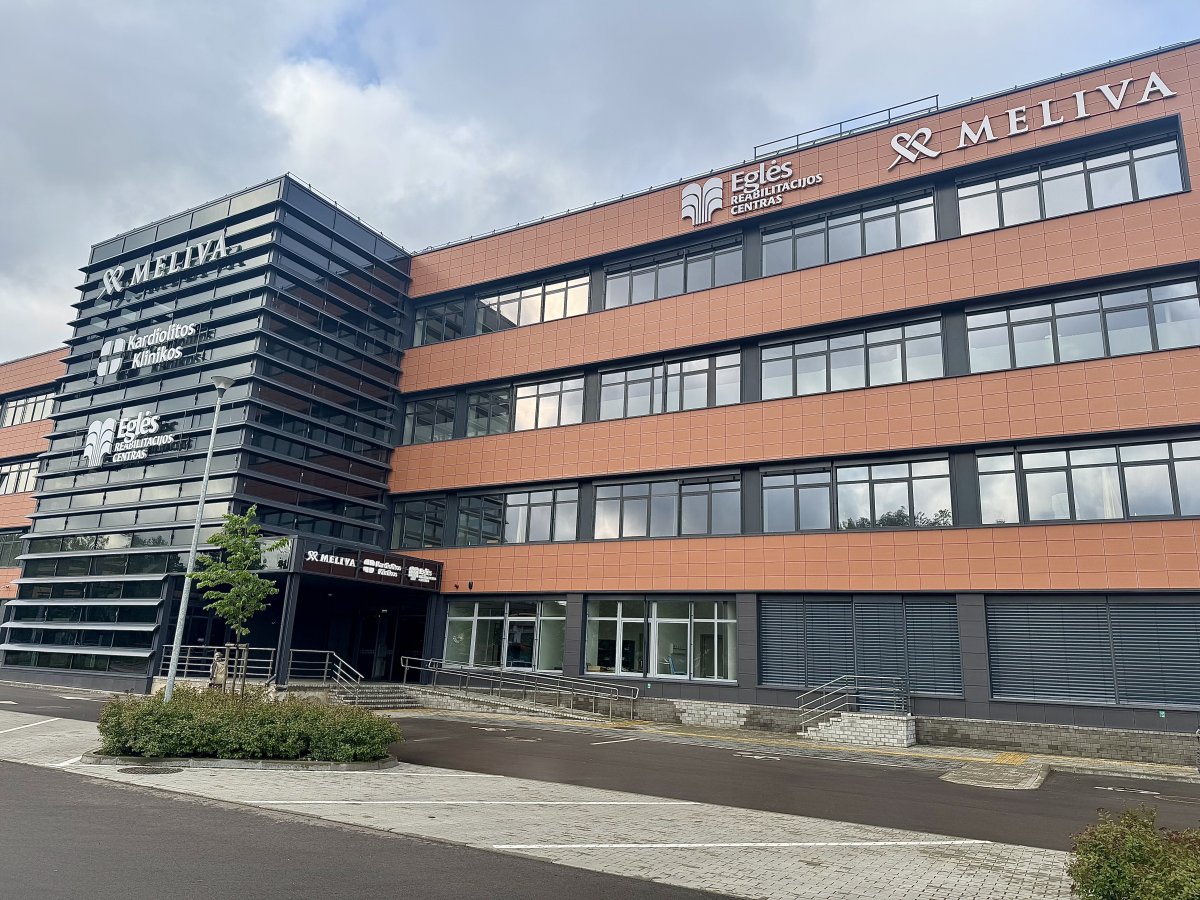
Descubra las mejores clínicas de tratamiento de Defecto septal ventricular en Lituania: 1 opciones verificadas y Precios

Compartir contenido
Historias en video de pacientes de Bookimed
 Olena Sikoza
Preguntas frecuentes sobre el tratamiento de Defecto septal ventricular en Lituania
¿Qué opciones de tratamiento para la CIV están disponibles en los hospitales lituanos?
Los hospitales lituanos ofrecen reparación quirúrgica, cierre transcatéter y manejo médico para los defectos del tabique ventricular (CIV). Centros especializados como el Hospital Universitario de Vilna Santaros Klinikos ofrecen atención cardíaca congénita pediátrica. Instalaciones como el Hospital Meliva Kardiolita mantienen la acreditación de la Joint Commission International para cirugía cardíaca y seguridad del paciente.
- Reparación quirúrgica: Los cirujanos utilizan parches o injertos para sellar defectos grandes o complejos.
- Cierre transcatéter: Los cardiólogos utilizan dispositivos de oclusión para defectos musculares más pequeños a través de la ingle.
- Manejo médico: Los médicos utilizan diuréticos o betabloqueantes para controlar los líquidos y la tensión cardíaca.
- Monitoreo diagnóstico: Los especialistas realizan ecocardiogramas periódicos para rastrear defectos pequeños que pueden cerrarse.
Perspectiva del experto de Bookimed: Mientras que los centros universitarios manejan casos complejos, las instalaciones privadas como el Hospital Meliva Kardiolita gestionan grandes volúmenes. Atiende a 298,000 pacientes anualmente con más de 500 médicos disponibles. Esta alta proporción de pacientes por médico garantiza tiempos de espera más cortos para consultas cardíacas en comparación con las rutas públicas.
Consenso de lo
¿Son seguros y están aprobados internacionalmente los dispositivos médicos utilizados en Lituania?
Los dispositivos médicos en Lituania cumplen con los estándares de seguridad más altos. Cumplen estrictamente con el Reglamento de Dispositivos Médicos de la Unión Europea (UE MDR 2017/745). Todos los aparatos deben poseer el marcado CE antes de su uso. Esto garantiza que satisfacen rigurosos puntos de referencia de salud, seguridad y protección ambiental.
- Estándares universales de la UE: Todos los equipos requieren la certificación de Conformité Européenne (CE) para su aplicación clínica.
- Supervisión local estratégica: La Agencia Estatal de Acreditación de Atención Médica (VASPVT) supervisa toda la colocación en el mercado.
- Auditorías de seguridad rigurosas: Los dispositivos de alto riesgo pasan evaluaciones de organismos notificados de la UE independientes y acreditados.
- Sistemas de calidad: Los fabricantes deben implementar protocolos de gestión de calidad ISO 13485 reconocidos internacionalmente.
Perspectiva del experto de Bookimed: La calidad en Lituania va más allá de las regulaciones estándar de la UE. El Hospital Meliva Kardiolita cuenta con la acreditación de la Joint Commission International (JCI). Este es el estándar de oro mundial para la seguridad del paciente. Las instalaciones de este calibre atienden a 298,000 pacientes anualmente. Gestionan grandes volúmenes provenientes de EE. UU., Canadá y Europa. Esto indica que su t
¿Cuáles son las tasas de éxito de la reparación de la CIV en Lituania?
Lituania reporta tasas de éxito para la reparación de la CIV (comunicación interventricular) entre el 92% y el 98%. Estos resultados cumplen con los estándares médicos de Europa Occidental. El país sigue los marcos médicos de la Unión Europea. Los centros utilizan ecocardiografía 2D/3D avanzada y modernos laboratorios de cateterismo. La recuperación frecuentemente procede sin complicaciones clínicas mayores.
- Cierre transcatéter: Este método mínimamente invasivo logra una tasa de éxito del 92,3%.
- Reparación quirúrgica: Los procedimientos de corazón abierto mantienen tasas de éxito entre el 91,4% y el 92%.
- Estabilización postoperatoria: Las tasas de supervivencia al año para reparaciones cardíacas superan consistentemente el 93%.
- Capacidad hospitalaria: El Hospital Meliva Kardiolita en Vilna trata a 298,000 personas anualmente.
Perspectiva de expertos de Bookimed: El volumen de pacientes es un indicador principal de calidad en Lituania. El Hospital Meliva Kardiolita gestiona casi 300,000 pacientes cada año. Los centros de alto volumen a menudo muestran mejores resultados debido a la experiencia quirúrgica estandarizada. Esta instalación también mantiene la acreditación JCI, que confirma estrictos protocolos de seguridad. Los grandes centros multiespecializados en Vilna aseguran una atención integral para pacientes cardíacos adultos.
<¿Cuál es el cronograma de recuperación estándar después del cierre de una CIV?
La recuperación depende del método quirúrgico. El cierre mediante catéter requiere de 1 a 2 días de hospitalización. La cirugía a corazón abierto generalmente requiere de 3 a 8 días en el hospital. La curación completa del esternón toma de 6 a 8 semanas. La actividad física generalmente se reanuda dentro de 1 a 2 meses.
- Estancia hospitalaria: Espere de 1 a 2 días para el cateterismo o de 3 a 8 días para la cirugía.
- Regreso al trabajo: La mayoría de los pacientes regresan al trabajo de oficina dentro de 1 a 4 semanas.
- Curación del esternón: La fusión ósea después de la reparación quirúrgica toma aproximadamente de 6 a 8 semanas.
- Restricciones de actividad: Evite levantar objetos pesados o deportes de contacto durante al menos 6 semanas después de la cirugía.
Perspectiva de expertos de Bookimed: Hospitales como el Meliva Kardiolita Hospital en Vilna se centran exclusivamente en pacientes cardíacos adultos. Esta especialización es vital para la recuperación de la CIV. Los cuerpos de los adultos sanan de manera diferente a los de los niños. Las instalaciones con altos volúmenes anuales, que a menudo superan los 298,000 pacientes, brindan enfermería especializada para la descondicionamiento postquirúrgico complejo. Esto ayuda a controlar la fatiga específica de los adultos de manera más efectiva durante las semanas iniciales en casa.
¿Cuánto tiempo debe permanecer un paciente en Lituania para el procedimiento de CIV?
Los pacientes suelen permanecer en Lituania de 10 a 14 días para un procedimiento de CIV (comunicación interventricular). El plazo depende de si los médicos realizan un cierre mediante catéter o una cirugía a corazón abierto. Espere 2 días para la evaluación previa y 7 días después del alta para asegurarse de que está en condiciones de volar a casa de forma segura.
- Estancia por cierre con catéter: Las estancias hospitalarias suelen durar solo de 1 a 2 días para observación.
- Estancia por reparación quirúrgica: Los procedimientos a corazón abierto requieren de 5 a 10 días de atención hospitalaria.
- Evaluación prequirúrgica: Planifique de 1 a 2 días para análisis de sangre y ecocardiografía antes del tratamiento.
- Recuperación local obligatoria: Permanezca de 7 a 10 días localmente para exámenes cardíacos de seguimiento vitales.
Perspectiva del experto de Bookimed: El Hospital Meliva Kardiolita en Vilna es un centro importante de alto volumen que trata a 298,000 pacientes al año. Aunque el hospital cuenta con 54 camas, su departamento especializado en cirugía cardíaca se centra exclusivamente en casos de CIV en adultos. Si está coordinando la atención para un niño, debe buscar un centro cardíaco pediátrico, ya que los hospitales privados lituanos a menudo tienen restricciones de edad.
Consenso de los pacientes: Los pa
¿Necesitan los pacientes internacionales un visado para recibir tratamiento médico en Lituania?
Los requisitos de visado para Lituania dependen de su nacionalidad y de la duración del tratamiento. Los ciudadanos de la UE, el EEE y Suiza entran sin visado. Los ciudadanos de EE. UU., Reino Unido, Canadá y Australia suelen utilizar una exención de visado de 90 días. Otros requieren un visado Schengen de tipo C o un visado nacional de tipo D.
- Normas de entrada: Lituania sigue las leyes de inmigración estándar del espacio Schengen para todos los pacientes internacionales.
- Documentos necesarios: Los pacientes necesitan cartas de confirmación del hospital y prueba de fondos médicos suficientes.
- Prueba financiera: Los pacientes que no pertenecen a la UE deben demostrar al menos 50 € por día de estancia.
- Seguro de viaje: El seguro Schengen obligatorio debe cubrir al menos 30.000 € para atención médica de emergencia.
Perspectiva del experto de Bookimed: El Hospital Meliva Kardiolita de Vilna trata a 298.000 pacientes al año. La mayoría de los visitantes internacionales provienen de EE. UU., Canadá y el Reino Unido. Los pacientes de estas regiones a menudo pasan por alto el límite de 90 días. El tratamiento de la CIV implica escaneos preoperatorios, cirugía y seguimiento. Asegúrese siempre de tener un margen de tiempo para evitar exceder la estancia si la recuperación lleva más tiempo.
Consenso de los pacientes: Los p