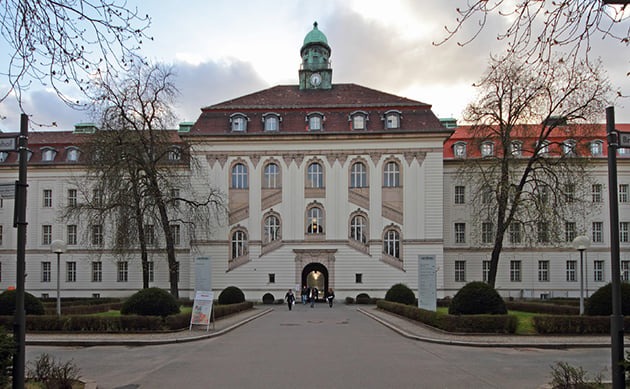
Hospital Havelhoehe
Alemania, Berlín


Revisado médicamente por
Fahad Mawlood
El costo del tratamiento de la comunicación interventricular en Alemania depende del enfoque quirúrgico elegido y de la edad del paciente. Los diagnósticos esenciales, como una ecocardiografía, oscilan entre $120 y $230, mientras que los procedimientos correctivos primarios, como la cirugía de comunicación interventricular, van desde $45,000 hasta $75,000. Los gastos totales están influenciados por la categoría de la clínica y la duración de la estancia en la UCI, con los principales centros cardíacos ubicados en Berlín, Hamburgo y Essen.
Costos típicos del tratamiento de la comunicación interventricular en Alemania
Perspectiva de los expertos de Bookimed: Los pacientes pediátricos que requieren atención especializada en cardiopatías congénitas se benefician de los centros afiliados a universidades. Charité - Universitätsmedizin Berlin atiende a más de 5,000 niños al año con diagnóstico por imagen digital avanzado. Para casos complejos en adultos, el Deutsches Herzzentrum Berlin ofrece una amplia experiencia quirúrgica. El Dr. Felix Berger cuenta allí con 34 años de experiencia en el manejo de cardiopatías congénitas. El Hospital Asklepios St. Georg es una opción de primer nivel para el tratamiento multidisciplinario de vasos sanguíneos y corazón.
| Alemania | España | Turquía | |
|---|---|---|---|
| Cirugía de comunicación interventricular (VSD) | ≈ $45,000 | ≈ $21,000 | de $15,000 |
| Cirugía de comunicación interventricular | ≈ $28,000 | ≈ $35,000 | de $10,500 |
| Cirugía a corazón abierto | ≈ $28,000 | de $50,500 | de $13,500 |
Bookimed no añade cargos extra a los precios de los tratamientos de Defecto septal ventricular. Las tarifas proceden de las listas de precios oficiales de las clínicas. Pagará directamente en la clínica por su tratamiento a su llegada al país.
Bookimed está comprometido con su seguridad. Solo trabajamos con las clínicas que mantienen altos estándares internacionales en el tratamiento de Defecto septal ventricular y cuentan con las licencias necesarias para atender a pacientes internacionales en todo el mundo.
Bookimed ofrece asistencia experta gratuita. Un coordinador médico personal le apoya antes, durante y después de su tratamiento, resolviendo cualquier problema. Nunca estará solo en su viaje médico de tratamiento de Defecto septal ventricular.


El Dr. Felix Berger es un reconocido cardiólogo pediátrico con de experiencia, especializado en cardiopatías congénitas e hipertensión arterial pulmonar.
 Olena Sikoza
El tratamiento de las comunicaciones interventriculares en Alemania incluye medicamentos, cirugía a corazón abierto e intervenciones mínimamente invasivas mediante catéter. Los centros especializados priorizan la reparación quirúrgica para defectos grandes, mientras utilizan el cierre con dispositivo por catéter para casos musculares. Las instalaciones alemanas como el Deutsches Herzzentrum Berlin mantienen estándares de seguridad líderes para cardiopatías congénitas pediátricas y adultas.
Perspectiva del experto de Bookimed: Mientras que los hospitales universitarios como Charité Berlin manejan volúmenes masivos de pacientes, los centros especializados como el Deutsches Herzzentrum Berlin a menudo brindan una experiencia más profunda para casos complejos. El Dr. Felix Berger en este centro tiene más de 30 años de experiencia en card
El tratamiento de la CIV en Alemania tiene tasas de éxito de entre el 95 % y el 100 % para defectos congénitos estándar. El cierre quirúrgico logró una tasa de éxito procedimental del 100 % en grupos pediátricos típicos. Los procedimientos de cateterismo intervencionista reportan un éxito técnico de entre el 91,6 % y el 95 %. Las tasas de cierre completo a largo plazo alcanzan el 98,6 % después de cinco años.
Perspectiva del experto de Bookimed: Alemania ofrece una alta densidad de centros cardíacos pediátricos especializados. El Dr. Felix Berger, del Deutsches Herzzentrum Berlin, es presidente de la Sociedad Alemana de Cardiología Pediátrica. Los centros con este nivel de liderazgo académico a menudo manejan derivaciones complejas que los hospitales generales podrían rechazar. Su alto volumen
Los especialistas alemanes siguen directrices nacionales conjuntas para seleccionar el tratamiento basándose en la ubicación anatómica, el peso del paciente y los riesgos del sistema de conducción. La cirugía abierta sigue siendo el estándar de oro para defectos complejos o de entrada. El cierre mediante catéter se prefiere para las CIV musculares en pacientes que pesan más de 10 kg.
Perspectiva del experto de Bookimed: Alemania ocupa un lugar destacado a nivel mundial en atención cardíaca, con centros como el Deutsches Herzzentrum Berlin realizando 5,700 operaciones al año. El liderazgo especializado es una señal clave de calidad. El Dr. Felix Berger, quien se desempeña como presidente de la Sociedad Alemana de Cardiología Pediátrica, ejerce en este centro. Estas instituciones de alto v
La recuperación tras el cierre de una CIV en Alemania implica una estancia hospitalaria estructurada de 5 a 7 días para reparaciones quirúrgicas o de 1 a 2 días para procedimientos mediante catéter. Los pacientes reciben movilización inmediata y rehabilitación cardíaca especializada (Anschlussheilbehandlung) en centros acreditados como el Deutsches Herzzentrum Berlin o la Charité Universitätsmedizin Berlin.
Perspectiva del experto de Bookimed: Los centros cardíacos alemanes demuestran una capacidad excepcional para casos complejos, con el Deutsches Herzzentrum Berlin realizando más de 5.700 operaciones al año. El Prof. Dr. Felix Berger en este centro es un experto líder en cardiopatías congénitas tanto pediátricas como adultas. Elegir un hospital universitario como la Charité, que atiende a más de 800.000 pacientes al año, garantiza el acceso a equip
Los centros de tratamiento de CIV de primer nivel en Alemania incluyen el Deutsches Herzzentrum Berlin y la Charité Universitätsmedizin Berlin. Estas instituciones destacan en la atención cardíaca congénita pediátrica y de adultos. Utilizan quirófanos híbridos para reparaciones complejas. La mayoría de las instalaciones líderes mantienen acreditaciones de la Joint Commission International o clasificaciones especializadas de Newsweek.
Perspectiva del experto de Bookimed: El volumen de pacientes a menudo indica la fiabilidad de un centro para reparaciones congénitas complejas. La Charité Universitätsmedizin Berlin atiende a más de 800,000 pacientes al año. Sin embargo, los centros especializados como el Deutsches Herzzentrum Berlin ofrecen un entorno cardiológico más enfocado para la CIV. Elegir un centro cardíaco dedicado puede proporcionar procesos administrat
Alemania alberga algunos de los departamentos de neurocirugía más prestigiosos del mundo, liderados por la Charité – Universitätsmedizin Berlin y el Hospital Universitario de Heidelberg. Estos centros destacan en el tratamiento de tumores cerebrales complejos y enfermedades cerebrovasculares. Para maximizar la eficacia de sus procedimientos, utilizan tecnologías de vanguardia como la resonancia magnética intraoperatoria y la neuronavegación asistida por computadora.
Opinión experta de Bookimed: Los datos muestran que elegir centros con un alto volumen quirúrgico suele llevar a recomendaciones de tratamiento más conservadoras. En el Centro Médico Solingen, que atiende a más de 60.000 pacientes al año, los cirujanos suelen sugerir fisioterapia en lugar de cirugía
En Alemania, los procedimientos neuroquirúrgicos de alta complejidad demuestran una seguridad excepcional. Las tasas de éxito en las fusiones espinales alcanzan el 99 %. La tasa de supervivencia en las resecciones de tumores cerebrales primarios es del 97 %. La independencia funcional es alta. Más del 82 % de los pacientes reciben el alta inmediatamente después del tratamiento. Los centros alemanes priorizan la preservación de la función neurológica mediante técnicas modernas de mapeo.
Opinión experta de Bookimed: Cirujanos experimentados como el Dr. Uwe Köhler, de la Clínica Asklepios Altona, realizan más de 2000 cirugías al año. Los datos muestran que estos especialistas mantienen tasas de éxito de hasta el 90 %, incluso en los tumores cerebrales más comp
Las clínicas neuroquirúrgicas alemanas incorporan regularmente instrumentos digitales de alta precisión y visualización en tiempo real a la práctica quirúrgica. Entre las tecnologías clave se encuentra la neuronavegación computarizada para cirugías de cerebro y médula espinal. Instituciones como la Clínica Asklepios Nord utilizan la resonancia magnética intraoperatoria para verificar la extirpación de tumores en tiempo real. Estos sistemas proporcionan a los cirujanos navegación GPS 3D.
Opinión experta de Bookimed: Grandes centros como la Charité – Universitätsmedizin de Berlín realizan más de 4000 procedimientos neuroquirúrgicos al año, lo que crea un entorno rico en datos para p
En Alemania, los neurocirujanos deben completar una residencia especializada de seis años tras graduarse de la facultad de medicina. Este programa estructurado incluye cuidados intensivos, práctica clínica y una revista quirúrgica obligatoria. Posteriormente, los candidatos aprueban un examen estatal para obtener el título de residente (Facharzt für Neurochirurgie).
Opinión experta de Bookimed: La formación neuroquirúrgica alemana se centra en una amplia experiencia quirúrgica. Por ejemplo, el Dr. Ralf Buhl, del Centro Médico Solingen, ha realizado más de 4000 cirugías. El Dr. Jürgen Kiwit, del Hospital Meoklinik, cuenta con más de 25 años de experiencia. Este riguroso sistema garantiza que los especialistas de los principales centros aborden casos complejos con una precisión demostrada.
Comentarios de los pacientes: Los pacientes se sienten seguros al saber que sus médicos han recibido año
Los neurocirujanos extranjeros deben cumplir estrictos requisitos de idioma y licencia para realizar formación o prácticas en Alemania. La formación requiere una licencia médica válida o un permiso temporal. Los internos deben obtener la autorización de un hospital específico. Ambas opciones requieren un alto nivel de alemán para participar en debates clínicos y realizar procedimientos quirúrgicos complejos con seguridad.
Opinión experta de Bookimed: Las clínicas alemanas con un alto volumen de pacientes, como Nordwest Clinic o Asklepios Nord, suelen priorizar a los candidatos que ya han pasado una evaluación preliminar de la documentación. Nuestros datos muestran que profesores como el Dr. Uwe Köhler y el D