Tratamiento de Defecto septal ventricular en España — obtenga 3 coincidencias personalizadas de clínicas


Revisado médicamente por
Fahad Mawlood
Cómo funciona
¿Cuál es el precio del diagnóstico y los tratamientos de Defecto septal ventricular en España? Descubra ahora
El costo del tratamiento de la comunicación interventricular en España comienza habitualmente con una ecocardiografía que oscila entre $100 y $250. Las intervenciones quirúrgicas primarias, como la cirugía de comunicación interventricular, generalmente van desde $21,000 hasta $32,000. Los gastos totales dependen de la técnica de reparación, la complejidad del caso y el nivel de la clínica. Los pacientes suelen encontrar ahorros del 30-50% en comparación con los EE. UU. Las principales ciudades para este tratamiento incluyen Barcelona y Madrid.
Costos típicos del tratamiento de la comunicación interventricular en España
- Ecocardiografía: $100 – $250
- Consulta con un cirujano cardíaco: de $560
- Resonancia magnética cardíaca: $480 – $800
- Cirugía de comunicación interventricular: $21,000 – $32,000
- Cirugía a corazón abierto: de $50,400
- Cirugía de comunicación interventricular: $35,000 – $65,000
Perspectiva de los expertos de Bookimed: Los pacientes pediátricos se benefician más de los centros especializados. El SJD Barcelona Children's Hospital es una de las tres mejores instituciones europeas para niños. Para casos complejos en adultos, centros acreditados por la JCI como el Centro Médico Teknon ofrecen cirugías robotizadas avanzadas. La Clínica Universidad de Navarra es ideal para pacientes internacionales. Fue la primera en España en obtener un certificado JCI de EE. UU. Los altos volúmenes quirúrgicos en HM Madrid garantizan una atención experimentada para procedimientos cardiovasculares.
| España | Turquía | México | |
|---|---|---|---|
| Cirugía de comunicación interventricular (VSD) | ≈ $21,000 | de $15,000 | ≈ $16,500 |
| Cirugía de comunicación interventricular | ≈ $35,000 | de $10,500 | ≈ $18,000 |
| Cirugía a corazón abierto | de $50,400 | de $13,500 | ≈ $26,000 |
Descubra las mejores clínicas de tratamiento de Defecto septal ventricular en España: 6 opciones verificadas y Precios







Hospital Sant Joan de Déu Barcelona









Obtenga una evaluación médica para Defecto septal ventricular en España: consulte con doctores experimentados ahora
Ver todos los médicos
Fernando Villagrá
Durante más de 44 años, el Dr. Villagrá se ha especializado en cirugía cardíaca pediátrica, con un fuerte enfoque en defectos cardíacos congénitos como la comunicación interventricular.
- Jefe de Cirugía Cardíaca Infantil en el Hospital Universitario HM Montepríncipe desde 1999
- Amplia formación en instituciones de primer nivel, incluyendo la Clínica Mayo y el Boston Children's Hospital
- Autor de más de 100 publicaciones en revistas médicas nacionales e internacionales
- Miembro del European Board of Cardiovascular Surgeons
Compartir contenido
Historias en video de pacientes de Bookimed
 Olena Sikoza
Preguntas frecuentes sobre el tratamiento de Defecto septal ventricular en España
¿Qué puntos de referencia de seguridad y éxito quirúrgico alcanzan los centros españoles para la reparación de la CIV?
Los centros cardíacos españoles reportan tasas de supervivencia de entre el 98,2% y el 98,8% para reparaciones cardíacas pediátricas especializadas. Los procedimientos logran un cierre exitoso de la comunicación interventricular en el 95% al 99% de los casos. Los centros priorizan técnicas percutáneas e híbridas avanzadas dentro de marcos clínicos regulados por la Unión Europea.
- Eficacia del cierre: La mayoría de los hospitales especializados mantienen un 95% a 99% de cierres definitivos exitosos.
- Puntos de referencia de supervivencia: Las unidades pediátricas logran una tasa de supervivencia postoperatoria del 98,2% al 98,8%.
- Estabilidad a largo plazo: Los registros muestran una tasa de resultados positivos del 96% un año después de la cirugía.
- Estancia hospitalaria: La recuperación hospitalaria típica tras una reparación quirúrgica dura de 5 a 7 días.
Perspectiva del experto de Bookimed: El volumen de casos es un indicador clave de seguridad en las instituciones españolas. El Hospital Sant Joan de Déu de Barcelona realiza 14.000 operaciones al año. El Hospital Universitario HM Madrid gestiona 75.000 pacientes hospitalizados cada año. Un alto volumen quirúrgico a menudo se correlaciona con las tasas de estabilidad a largo plazo del 96% reportadas en los registros nacionales. Elegir centros como la Clínica Universidad de Navarra, el pri
¿Qué técnicas de cierre de CIV se ofrecen en España?
Los hospitales españoles utilizan el cierre con dispositivo transcatéter, la cirugía a corazón abierto y técnicas híbridas para tratar las comunicaciones interventriculares (CIV). Los centros acreditados por la JCI en Madrid y Barcelona mantienen tasas de éxito del 95% al 99%. Los especialistas utilizan ecocardiografía 3D avanzada para seleccionar el método de reparación más seguro para pacientes pediátricos y adultos.
- Cierre transcatéter: Reparación mínimamente invasiva mediante dispositivos Amplatzer o espirales NitOcclud a través de un catéter.
- Reparación quirúrgica: Cirugía tradicional a corazón abierto utilizando parches sintéticos o pericárdicos para defectos complejos.
- Técnica de doble parche: Método quirúrgico especializado para tejido cardíaco frágil tras un evento isquémico.
- Enfoque híbrido: Combina el acceso quirúrgico con la colocación de dispositivos mediante catéter en salas de cardiología especializadas.
Opinión de expertos de Bookimed: España destaca por su volumen pediátrico, con el Hospital Infantil SJD de Barcelona tratando a 450.000 pacientes al año. Mientras que muchos países se centran en la cirugía estándar, centros españoles como la Clínica Universidad de Navarra fueron pioneros en los estándares JCI a nivel local. Esta experiencia institucional a menudo conduce a una mayor frecuencia de cierres exitosos mediante
¿Cuándo recomiendan los cardiólogos españoles una intervención frente a un enfoque de observación?
Los cardiólogos españoles recomiendan la intervención para los defectos del tabique interventricular cuando los pacientes muestran síntomas de insuficiencia cardíaca o un cortocircuito significativo. Las decisiones siguen las directrices de la Sociedad Europea de Cardiología. Los médicos priorizan el cierre si el defecto causa una sobrecarga de volumen en el ventrículo izquierdo. Los centros de gran volumen en Barcelona y Madrid utilizan imágenes avanzadas para monitorear la estabilidad estructural.
- Umbral sintomático: Se requiere intervención inmediata ante angina, disnea o síncope durante la actividad física.
- Función ventricular izquierda: Se recomienda cirugía si la fracción de eyección cae por debajo del umbral del 50%.
- Marcadores hemodinámicos: Los cardiólogos actúan si la velocidad del chorro aórtico alcanza los 5 metros por segundo.
- Monitoreo del crecimiento: La espera vigilante se aplica a bebés asintomáticos con defectos pequeños y estables en la pared muscular.
Perspectiva de expertos de Bookimed: El panorama de la cirugía cardíaca en España se define por su gran escala. El Hospital Infantil SJD de Barcelona trata a 450.000 pacientes al año. Este alto volumen permite a cirujanos como el Dr. Fernando Villagrá especializarse profundamente en casos congénitos. Los grandes centros suelen utilizar equipos cardíacos multidisciplinar
¿Cuál es la estancia hospitalaria típica y el cronograma de recuperación completa después de una reparación de CIV en España?
La reparación de CIV en España requiere de 5 a 7 días de hospitalización para la cirugía a corazón abierto. Los cierres transcatéter mínimamente invasivos suelen permitir el alta en un plazo de 1 a 3 días. Los pacientes logran una recuperación funcional en 4 a 6 semanas. La curación estructural completa suele tardar 8 semanas.
- Monitoreo intensivo: Los pacientes pasan de 1 a 2 días en la UCI para observación.
- Viaje: Los pacientes internacionales deben permanecer en España de 10 a 14 días.
- Límites de actividad: Evite levantar objetos pesados o realizar deportes extenuantes durante 6 a 8 semanas.
- Seguimiento: Se realizan ecocardiogramas al momento del alta, a los 6 meses y a los 12 meses.
Perspectiva del experto de Bookimed: Los principales centros cardíacos de España, como la Clínica Universidad de Navarra y el Centro Médico Teknon, mantienen los estándares de la JCI. Cirujanos destacados como el Dr. Fernando Villagrá han realizado miles de cirugías cardíacas congénitas complejas. Este alto volumen a menudo resulta en protocolos de recuperación más eficientes para pacientes internacionales. Incluso con 450,000 pacientes anuales en SJD Barcelona, la atención sigue siendo altamente personalizada.
Consenso de los pacientes: Los pacientes señalan que las dos primeras semanas en casa implican una fatiga significativa y
¿Qué restricciones de estilo de vida y actividad se aplican después de la operación y qué tan permanentes son?
La mayoría de las restricciones de actividad postoperatorias después del tratamiento de un defecto del tabique ventricular en España son temporales. Los pacientes generalmente limitan el levantamiento de objetos pesados y el ejercicio extenuante durante 6 a 12 semanas. La mayoría de las personas reanudan sus actividades completas, incluidos los deportes, una vez que el tejido cardíaco o el esternón sanan por completo y las imágenes de seguimiento son claras.
- Límites de levantamiento: Los pacientes deben evitar levantar más de 10 libras (aprox. 4,5 kg) durante 6 a 8 semanas.
- Protección del esternón: Evitar la tensión en los brazos es vital después de una cirugía abierta durante 2 meses.
- Actividad física: Los deportes de alto impacto se pausan hasta que las pruebas de seguimiento confirmen una función cardíaca estable.
- Precauciones contra la endocarditis: Es posible que se requieran antibióticos para trabajos dentales durante los primeros 6 meses.
Perspectiva de expertos de Bookimed: Los principales centros pediátricos de España, como el SJD Barcelona Children's Hospital, atienden a 450.000 pacientes al año. Nuestros datos muestran una tendencia en la que los médicos priorizan la movilización temprana sobre el reposo estricto en cama. Por ejemplo, el Dr. Fernando Villagra, que cuenta con más de 40 años de experiencia, a menudo individuali
¿Qué ciudades y hospitales son reconocidos como centros líderes para el tratamiento de la CIV en España?
Barcelona y Madrid son los principales centros para el tratamiento de la comunicación interventricular (CIV) en España. Estas ciudades albergan centros como el SJD Barcelona Children's Hospital y HM Madrid. Estas instalaciones ofrecen cirugía cardíaca pediátrica avanzada y cierres mínimamente invasivos. Los centros especializados a menudo cuentan con acreditación JCI y clasificaciones de Newsweek.
- SJD Barcelona: Una de las tres mejores instalaciones pediátricas europeas que trata a 450.000 pacientes al año.
- Centro Médico Teknon: Centro de Barcelona acreditado por la JCI, conocido por las reparaciones de defectos cardíacos estructurales.
- HM Montepríncipe: Hospital de Madrid que cuenta con especialistas con más de 40 años de experiencia.
- Hospital de Navarra: Reconocido por Newsweek como un hospital inteligente líder en Pamplona.
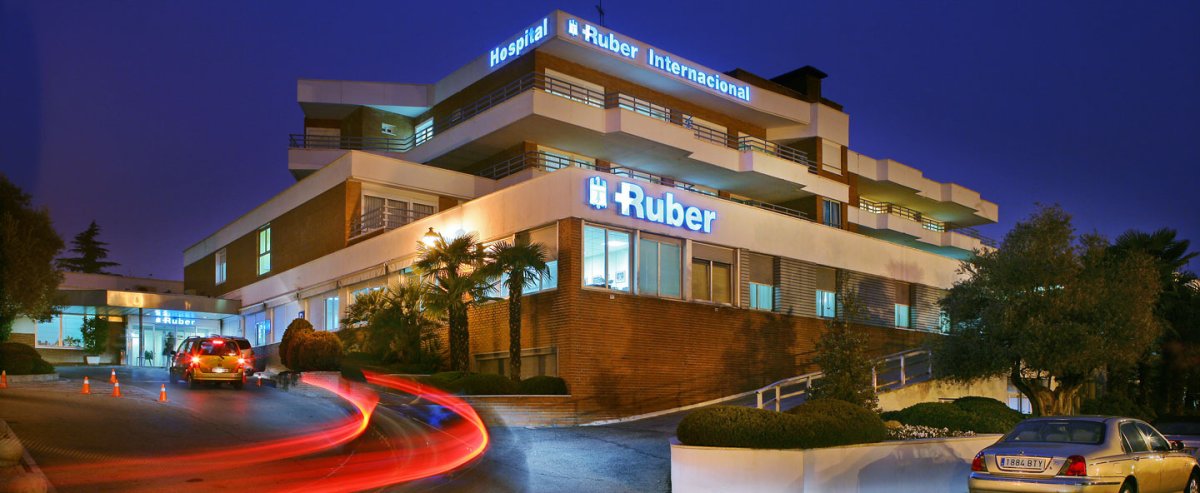
Perspectiva del experto de Bookimed: Los datos clínicos muestran una clara distinción entre los centros que se centran en la atención pediátrica frente a la atención de cardiopatías congénitas en adultos. Mientras que el SJD Barcelona Children's Hospital gestiona un gran volumen de casos pediátricos, el Hospital Ruber Internacional está estructurado de forma única para tratar tanto a niños como a adultos. Los pacientes deben verificar si el centro ofrece programas de transición de por vida para el manejo de la CIV
¿Cómo apoyan los hospitales españoles a los pacientes internacionales y a sus familias?
Los hospitales españoles apoyan a las familias internacionales a través de departamentos dedicados que gestionan la coordinación médica, los seguros y la logística. Centros como el Centro Médico Teknon y la Clínica Universidad de Navarra ofrecen asistencia multilingüe y atención acreditada por la JCI. Las familias desempeñan un papel central, proporcionando a menudo apoyo no clínico junto a la cama durante la recuperación.
- Departamentos internacionales: Unidades dedicadas gestionan tareas administrativas y coordinan con aseguradoras globales.
- Asistencia lingüística: Los grandes centros proporcionan intérpretes profesionales y documentación médica bilingüe.
- Participación familiar: Los hospitales ofrecen alojamiento junto a la cama, incluyendo sillones o camas para los familiares.
- Apoyo logístico: Los servicios a menudo incluyen traslados al aeropuerto y ayuda con el alojamiento cercano.
Perspectiva del experto de Bookimed: Los hospitales privados españoles ofrecen una ventaja distintiva para las familias gracias a una mayor proporción de personal por paciente. Aunque los centros públicos son clínicamente excelentes, los hospitales privados como el Hospital Quirón Barcelona priorizan los servicios de conserjería y una programación más rápida. Para casos complejos como la comunicación interventricular, estas instalaciones suelen proporcion