Nefrología en Italia — Costos 2026

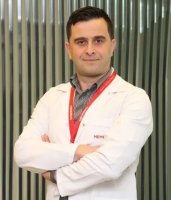
Revisado médicamente por
Gokhan Temiz
¿Cuál es el precio de procedimientos de Nefrología en Italia? Descubra ahora
Los servicios de nefrología en Italia suelen costar entre $9,500 y $27,000. Los gastos finales dependen de si requiere atención crónica como diálisis, cirugía mínimamente invasiva para cálculos renales o procedimientos robóticos complejos. Los pacientes internacionales generalmente pueden esperar ahorros del 30-50% en comparación con los costos de la atención médica privada en los EE. UU.
Costos típicos de nefrología en Italia
- Consulta con nefrólogo: $100 – $300
- Biopsia renal: Precio a consultar
- Diálisis: $300 – $500
- Nefrectomía: $23,000 – $32,200
- Litotricia uretroscópica: $3,200 – $5,000
- Nefrectomía con robot Da Vinci: $16,500 – $25,000
- Pieloplastia: $7,500 – $13,500
- Gammagrafía: $400 – $700
Los principales centros de nefrología se encuentran en Milán y Roma, siendo Milán un centro clave para la cirugía robótica avanzada y los trasplantes. Los costos pueden variar entre regiones, por lo que debe consultar con un especialista para obtener precios precisos para sus necesidades médicas específicas.
| Italia | España | Turquía | |
| Ureteroscopia con litotricia láser (extracción de cálculos renales) | de $4,200 | de $4,500 | de $2,200 |
| Plasmaféresis | de $2,200 | de $12,566 | de $2,880 |
| Pieloplastia | de $7,500 | de $8,000 | de $4,500 |
| Nefrectomía radical robótica | de $18,000 | de $17,000 | de $18,000 |
| Nefrectomía con Robot Da Vinci | de $16,500 | de $25,269 | de $16,650 |
Todas las enfermedades de Nefrología
Sus beneficios y garantías con Bookimed
Precios directos
Bookimed no añade cargos extra a los precios de los tratamientos de Nefrología. Las tarifas proceden de las listas de precios oficiales de las clínicas. Pagará directamente en la clínica por su tratamiento a su llegada al país.
Sólo clínicas y médicos verificados
Bookimed está comprometido con su seguridad. Solo trabajamos con las clínicas que mantienen altos estándares internacionales en el tratamiento de Nefrología y tienen las licencias necesarias para atender a pacientes internacionales en todo el mundo.
Asistencia 24/7 gratuita
Bookimed ofrece asistencia experta gratuita. Un coordinador médico personal le apoya antes, durante y después del tratamiento, resolviendo cualquier problema. Nunca estará solo en su viaje médico de procedimientos de Nefrología.

Su coordinador médico personal de Bookimed
- Le apoya en cada etapa
- Ayuda a elegir la clínica y el médico adecuados
- Asegura un acceso rápido y conveniente a la información
Descubra las mejores clínicas de Nefrología en Italia: 8 opciones verificadas y Precios





La Madonnina Clinic




Los mejores centros médicos de Nefrología en Italia
- San Raffaele, Italia
- San Donato Hospital, Italia
- La Madonnina Clinic, Italia
- IRCCS OSPEDALE GALEAZZI - SANT'AMBROGIO, Italia
- Ospedale San Carlo di Nancy, Italia
Obtenga una evaluación médica para en Italia: Elija su especialista entre los mejores en el campo
Ver todos los médicos
Maria Doria
El Dr. Doria dirige el Centro de Nefrología Clínica y Diálisis del Hospital San Donato con un enfoque en la predíalisis y la terapia conservadora.
- Realiza fístulas arteriovenosas junto con cirujanos vasculares
- Especialista en la colocación de CVC tunelizados para diálisis
- Trabaja con equipos de la UCI para diálisis continua (CRRT)
- Más de 15 años de experiencia en nefrología

Alessandro Calarco
El Dr. Calarco posee una patente internacional de un dispositivo para cirugía renal y ha formado a cirujanos de toda Europa en técnicas urológicas mínimamente invasivas.
- Especializado en litotricia percutánea y ureterorrenoscopia, procedimientos clave en nefrología
- Doctorado en Urología Oncológica por la Università Cattolica del Sacro Cuore
- Jefe Nacional de Urología de la SPIGC (Sociedad Italiana de Cirujanos Jóvenes)
- Realiza investigaciones sobre el cáncer de próstata hormonorrefractario
Compartir contenido
Historias en video de pacientes de Bookimed
 Olena Sikoza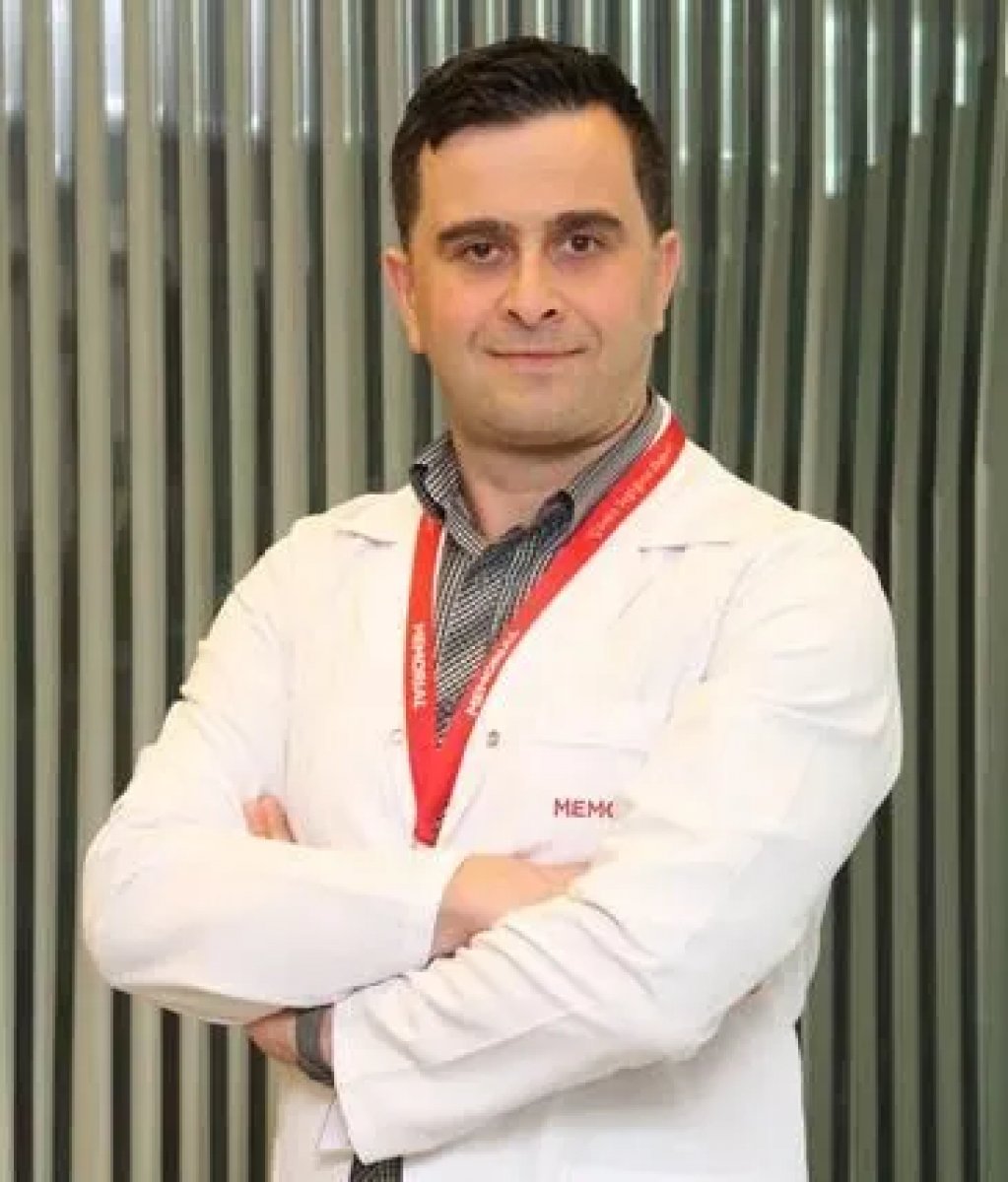
Preguntas frecuentes sobre Nefrología en Italia
¿Qué procedimientos nefrológicos son los más solicitados por pacientes internacionales en Italia?
Los pacientes internacionales en Italia buscan principalmente diálisis renal avanzada, trasplantes renales y cirugías de acceso vascular. Centros de primer nivel como el Hospital San Donato realizan 11.000 sesiones de diálisis al año. Los procedimientos especializados incluyen la creación de fístulas arteriovenosas distales y la colocación de catéteres venosos centrales tunelizados. Los centros italianos reportan tasas de supervivencia del 90–95% para trasplantes.
- Diálisis renal: Los centros de alto volumen en Milán ofrecen programas de diálisis continua y diálisis vacacional.
- Acceso vascular: Los cirujanos se especializan en la creación de fístulas arteriovenosas duraderas con bajas tasas de infección.
- Trasplante de riñón: Los programas ofrecen trasplantes de donantes vivos y fallecidos con plazos de aprobación de 6 a 12 meses.
- Cirugía de cálculos: Especialistas como el Dr. Alessandro Calarco utilizan técnicas percutáneas patentadas para cálculos grandes.
Perspectiva de expertos de Bookimed: Los hospitales de investigación italianos, específicamente las instalaciones acreditadas por IRCCS como San Donato y San Raffaele, integran la nefrología con la atención cardíaca avanzada. Esta es una ventaja crítica para los pacientes en diálisis. Nuestros datos muestran que estos centros gestionan más de 300.000 pacientes al año. Se especializan
¿Qué certificaciones reconocidas internacionalmente poseen los nefrólogos y cirujanos de trasplante renal italianos?
Los nefrólogos y cirujanos de trasplante renal italianos a menudo poseen certificaciones como el European Specialty Examination in Nephrology (ESENeph) y el Fellow of the European Board of Surgery (FEBS). Estas credenciales respaldadas por la UEMS aseguran que los especialistas cumplan con los estándares clínicos unificados de la Unión Europea. Muchos también mantienen la acreditación de la Joint Commission International (JCI) en centros especializados.
- Certificación en nefrología: El ESENeph evalúa el conocimiento clínico de alto nivel a través de las fronteras europeas.
- Fellowship en cirugía de trasplante: Los cirujanos a menudo poseen títulos FEBS específicamente en módulos de cirugía de trasplante.
- Experiencia clínica: La Dra. Maria Doria en el Hospital San Donato gestiona más de 11.000 diálisis al año.
- Acreditación de instalaciones: El Hospital de Investigación Humanitas y el Hospital Maria Cecilia mantienen los prestigiosos estándares de seguridad de la JCI.
Perspectiva de expertos de Bookimed: Nuestros datos muestran que las clínicas italianas con acreditación IRCCS, como San Raffaele y San Donato, priorizan la investigación junto con la cirugía. Los especialistas en estos centros a menudo poseen patentes nacionales, como el dispositivo de cirugía renal del Dr. Alessandro Calarco. Este vínculo entre un alto volumen de trabajo clí
¿Cuánto dura la estancia médica típica para los turistas de diálisis y para la evaluación previa a un trasplante de riñón?
Los turistas de diálisis en Italia suelen quedarse de 1 a 4 semanas dependiendo de sus planes de vacaciones. Las evaluaciones previas al trasplante de riñón requieren de 1 a 2 días para diagnósticos intensivos. Sin embargo, los pacientes internacionales a menudo necesitan de 2 a 4 semanas para completar un estudio exhaustivo que incluya evaluaciones psicológicas y biopsias.
- Programa de diálisis: Los turistas suelen organizar 3 sesiones por semana para coincidir con los ciclos de tratamiento estándar en el hogar.
- Cronograma de evaluación: Las fases de diagnóstico intensivo en los principales centros a menudo terminan en 48 horas.
- Estudio completo: Los procesos completos de aprobación de donantes o receptores pueden durar de 8 a 10 meses.
- Período de recuperación: El monitoreo posquirúrgico cerca del centro de trasplantes generalmente requiere una estancia de 4 a 6 semanas.
Perspectiva del experto de Bookimed: Nuestros datos muestran una brecha de eficiencia significativa entre los tipos de instalaciones en Milán. Las clínicas privadas a menudo completan evaluaciones de trasplante `exprés` en 7 días. Las grandes redes públicas como el Hospital San Donato, que realiza 11,000 sesiones de diálisis al año, ofrecen experiencia de alto volumen, pero pueden implicar tiempos de espera burocráticos más largos para el papeleo internacional.
<
¿Qué protocolos de monitoreo de inmunosupresión y enfermedades infecciosas son estándar para los receptores de trasplantes internacionales?
El monitoreo estándar para los receptores de trasplantes internacionales en Italia se centra en el mantenimiento de por vida del estado de inmunosupresión. Las unidades especializadas en centros como el Hospital San Donato siguen los protocolos europeos. Estos utilizan un mantenimiento con tres fármacos y pruebas cuantitativas mensuales de carga viral para los casos de riesgo.
- Monitoreo de medicamentos: El Monitoreo Terapéutico de Fármacos (TDM) apunta a niveles valle de tacrolimus entre 5 y 15 ng/mL.
- Vigilancia viral: Las pruebas de PCR mensuales monitorean CMV, BKV y EBV durante el primer año.
- Diagnóstico renal: El Hospital San Donato realiza más de 11,000 procedimientos de diálisis al año para el manejo renal agudo.
- Cribado clínico: Las evaluaciones trimestrales incluyen creatinina sérica, función hepática y pruebas de ácido nucleico (NAT).
Perspectiva del experto de Bookimed: Los hospitales italianos acreditados por IRCCS, como San Raffaele y Galeazzi-Sant’Ambrogio, integran la investigación clínica directamente en la atención. Esto significa que los pacientes a menudo acceden a biomarcadores avanzados, como pruebas de polimorfismo genético (CYP3A5), para predecir la toxicidad de los medicamentos adaptada a sus tasas de aclaramiento genético específicas.
Consenso de los pacientes: Los pacientes enfatizan que
¿La diálisis durante las vacaciones está cubierta por mi seguro de viaje o es financiada directamente por el Servicio Nacional de Salud italiano?
El Servicio Nacional de Salud italiano (SSN) financia la diálisis para ciudadanos de la UE, el EEE y el Reino Unido que posean una tarjeta EHIC o GHIC válida. El seguro de viaje estándar generalmente excluye la diálisis planificada porque es una condición preexistente. Los viajeros de fuera de la UE sin acuerdos recíprocos deben pagar los tratamientos en clínicas privadas o públicas.
- Cobertura pública: Los ciudadanos de la UE/Reino Unido acceden a diálisis gratuita en centros acreditados por el estado utilizando tarjetas EHIC/GHIC.
- Copago obligatorio: Los pacientes pueden pagar una pequeña tarifa (ticket) por diagnósticos o derivaciones a especialistas.
- Pre-organización: Los viajeros deben reservar las sesiones con las unidades de diálisis italianas con varios meses de antelación.
- Opciones privadas: Los residentes fuera de la UE suelen pagar los costes totales en centros como el Hospital San Donato.
Perspectiva del experto de Bookimed: Los centros de alto volumen como el Hospital San Donato en Milán realizan 11.000 diálisis al año. Estas grandes instituciones suelen tener más flexibilidad con la programación que las unidades públicas más pequeñas. La Dra. Maria Doria en San Donato gestiona la atención especializada previa a la diálisis. Esta experiencia es vital para los viajeros que necesitan un manejo renal complejo más allá de la diá
¿Qué apoyo lingüístico y comodidades para turistas se ofrecen durante la atención nefrológica ambulatoria?
Los centros de nefrología ambulatoria italianos ofrecen interpretación médica y oficinas internacionales dedicadas para ayudar a los viajeros. Instalaciones como el Hospital San Donato en Milán ofrecen unidades de diálisis especializadas. Estos centros coordinan turnos de diálisis transitorios. También proporcionan apoyo administrativo para documentos médicos y logística local en las principales ciudades.
- Interpretación médica: Las clínicas ofrecen acceso 24/7 a intérpretes presenciales o por video para consultas.
- Coordinación logística: Los departamentos internacionales ayudan con traslados al aeropuerto y alojamiento local en instalaciones acreditadas por la JCI.
- Tratamientos especializados: Las unidades gestionan más de 11,000 procedimientos de diálisis al año, incluyendo colocación de CVC tunelizados y cuidado de fístulas.
- Estándares de acreditación: Los hospitales milaneses mejor valorados cuentan con certificaciones IRCCS y Newsweek para atención especializada de alta calidad.
Perspectiva del experto de Bookimed: Nuestros datos muestran un claro puente de excelencia en el norte de Italia. Las clínicas en Milán, como San Donato, atienden a más de 300,000 pacientes al año. Estos centros de alto volumen a menudo integran la nefrología con cardiología avanzada. Esto es vital porque la salud renal y cardíaca están profundamente vincula
¿Qué ciudades italianas combinan servicios de nefrología de alto volumen con la mejor conectividad de viaje?
Milán y Bolonia son las principales ciudades de Italia para servicios de nefrología de alto volumen con una conectividad de viaje de élite. Milán sirve como el centro médico principal. Ofrece tres aeropuertos internacionales y trenes de alta velocidad. Bolonia proporciona un cruce estratégico. Conecta las regiones del norte y del centro con tránsito rápido y centros renales especializados.
- Volumen en Milán: El Hospital San Donato realiza 11.000 tratamientos de diálisis anualmente para casos renales complejos.
- Experiencia especializada: La Dra. Maria Doria en San Donato gestiona diálisis avanzada y fístulas arteriovenosas.
- Liderazgo en investigación: El Hospital San Raffaele realiza más de 52.000 procedimientos anuales como centro de investigación IRCCS.
- Acceso en Bolonia: El Hospital Maria Cecilia está a 40 minutos del Aeropuerto de Bolonia con servicios de traslado de pacientes.
Perspectiva del experto de Bookimed: La infraestructura médica de Milán está diseñada para la velocidad y el volumen. IRCCS San Donato y San Raffaele atienden a más de 300.000 pacientes cada año. Estos centros combinan la investigación con la atención clínica. Esta configuración permite a los pacientes acceder a nuevos protocolos de diálisis y técnicas de fístula que las clínicas regionales más pequeñas no pueden ofrecer.
Consenso de los paciente