Nefrología en Alemania: las 30 mejores clínicas con opiniones de pacientes

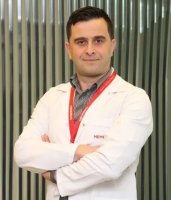
Revisado médicamente por
Gokhan Temiz
¿Cuál es el precio de procedimientos de Nefrología en Alemania? Descubra ahora
El costo de la nefrología en Alemania suele oscilar entre $8,800 y $21,000. Los gastos totales dependen del tipo de tratamiento, como la diálisis rutinaria o la cirugía robótica compleja, así como de la duración de la estancia hospitalaria. Los pacientes internacionales suelen encontrar costos entre un 40 y un 60% más bajos que en los EE. UU.
Costos típicos de nefrología en Alemania
- Consulta con un urólogo: de $180
- Análisis de sangre bioquímico: de $96
- Resonancia magnética abdominal: $650 – $700
- Diálisis: $380 – $950
- Nefrectomía: de $13,500
- Litotricia uretroscópica: $4,000 – $7,000
- Nefrectomía con robot Da Vinci: $17,500 – $24,500
- Pieloplastia: $9,500 – $14,500
- Ureteroscopia con litotricia láser (extracción de cálculos renales): $4,000 – $7,000
Los principales centros de atención renal se encuentran en Berlín, Hamburgo y Múnich. Los precios en estos centros médicos se mantienen relativamente constantes, aunque las clínicas regionales más pequeñas podrían ofrecer tarifas ligeramente diferentes. Consulte con un especialista para obtener precios precisos para sus necesidades médicas específicas.
| Alemania | España | Turquía | |
|---|---|---|---|
| Ureteroscopia con litotricia láser (extracción de cálculos renales) | ≈ $4,000 | ≈ $3,600 | de $8,900 |
| Plasmaféresis | ≈ $2,200 | de $12,300 | de $3,200 |
| Pieloplastia | ≈ $9,500 | ≈ $7,200 | ≈ $4,200 |
| Nefrectomía radical robótica | ≈ $14,500 | ≈ $13,500 | de $23,400 |
| Nefrectomía con Robot Da Vinci | ≈ $17,500 | de $24,700 | de $18,500 |
Todas las enfermedades de Nefrología
Sus beneficios y garantías con Bookimed
Precios directos
Bookimed no añade cargos extra a los precios de los tratamientos de Nefrología. Las tarifas proceden de las listas de precios oficiales de las clínicas. Pagará directamente en la clínica por su tratamiento a su llegada al país.
Sólo clínicas y médicos verificados
Bookimed está comprometido con su seguridad. Solo trabajamos con las clínicas que mantienen altos estándares internacionales en el tratamiento de Nefrología y tienen las licencias necesarias para atender a pacientes internacionales en todo el mundo.
Asistencia 24/7 gratuita
Bookimed ofrece asistencia experta gratuita. Un coordinador médico personal le apoya antes, durante y después del tratamiento, resolviendo cualquier problema. Nunca estará solo en su viaje médico de procedimientos de Nefrología.

Su coordinador médico personal de Bookimed
- Le apoya en cada etapa
- Ayuda a elegir la clínica y el médico adecuados
- Asegura un acceso rápido y conveniente a la información
Descubra las mejores clínicas de Nefrología en Alemania: 30 opciones verificadas y Precios






Hospital Havelhoehe



Kerckhoff clinic



Hospital in the Pfeiffer`s foundations

Elbland Clinic

St. Josefs Hospital Wiesbaden
Los mejores centros médicos de Nefrología en Alemania
- Medical Center in Solingen, Alemania
- Nordwest Hospital, Alemania
- Nordrhein-Westfalen Clinic Complex, Alemania
- Hospital Havelhoehe, Alemania
- Charité, Alemania
- Kerckhoff clinic, Alemania
- Medical Center Rechts der Isar , Alemania
- Hospital in the Pfeiffer`s foundations, Alemania
- Elbland Clinic, Alemania
- St. Josefs Hospital Wiesbaden, Alemania
Obtenga una evaluación médica para en Alemania: Elija su especialista entre los mejores en el campo
Ver todos los médicos
Peter Heering
El Prof. Peter Heering dirige la Clínica de Nefrología del Centro Médico de Solingen, especializándose en enfermedades renales complejas e hipertensión. Ganador del ranking de la revista Focus.
- Más de 40 años de experiencia en nefrología y medicina interna
- Experto en vasculitis sistémica y trastornos del metabolismo óseo
- Miembro de la junta directiva de la Sociedad Alemana de Medicina de Cuidados Intensivos
- Consultor del programa internacional Nefrología en África
- Autor de múltiples artículos científicos en nefrología

Walter Zidek
El Prof. Dr. Walter Zidek es un renombrado nefrólogo con más de 26 años de experiencia, especializado en afecciones renales complejas y complicaciones relacionadas con la diabetes.
- Experiencia en enfermedades hormonales y metabólicas, incluidos trastornos tiroideos y suprarrenales
- Enfoque especial en enfermedades renales genéticas y cuidados postrasplante
- Miembro de la junta directiva de la Sociedad Médica de Berlín desde el año 2000
- Expresidente de la Liga Alemana contra la Hipertensión
- Ha publicado extensamente en revistas científicas revisadas por pares
Compartir contenido
Historias en video de pacientes de Bookimed
 Olena Sikoza
Preguntas frecuentes sobre Nefrología en Alemania
¿Cuándo debo consultar a un especialista en nefrología en Alemania?
Debe consultar a un especialista en nefrología en Alemania si su tasa de filtración glomerular (TFG) cae por debajo de 60 ml/min. Es necesaria una derivación inmediata si se produce una disminución rápida de la TFG del 25 % en un año. La proteinuria persistente, la hematuria o la hipertensión no controlada también requieren atención renal especializada de expertos como el Prof. Dr. Peter Heering.
- Umbrales clínicos: Consulte a un especialista si la TFG cae por debajo de 60 o 30 ml/min.
- Señales de alerta urinarias: Busque expertos si se detecta proteína o sangre persistente en los análisis de orina.
- Síntomas físicos: Programe una visita si presenta hinchazón inexplicable en la cara o los tobillos.
- Riesgos crónicos: Los pacientes con diabetes o hipertensión deben controlar su función renal regularmente.
Perspectiva del experto de Bookimed: Los datos de grandes centros como la Charité - Universitätsmedizin Berlin muestran que los departamentos especializados gestionan más de 100 áreas clínicas diferentes. Este alto grado de especialización permite a los médicos distinguir entre problemas renales rutinarios y trastornos genéticos raros. Los pacientes a menudo obtienen citas más rápidas en hospitales académicos como el Medical Center de Solingen al traer un análisis de sangre bioquímico completo de su médico local.
Consenso de
¿Qué debo esperar durante una consulta de nefrología en Alemania?
Una consulta de nefrología en Alemania dura de 15 a 30 minutos y sigue un protocolo de diagnóstico altamente estructurado. Los pacientes reciben un examen físico, análisis de orina inmediato y análisis de sangre para medir la tasa de filtración glomerular (TFG). Centros especializados como el Medical Center en Solingen ofrecen un manejo integral de la hipertensión y las enfermedades renales.
- Documentos requeridos: Los pacientes deben traer una tarjeta de seguro médico y una carta de derivación del médico de cabecera (Überweisung).
- Diagnóstico estándar: Espere análisis de orina inmediatos en el lugar y análisis de sangre para los niveles de creatinina y urea.
- Examen físico: Los médicos verifican la presión arterial y la frecuencia cardíaca mientras buscan edemas en las piernas.
- Atención especializada: Los hospitales universitarios como Charité Berlin ofrecen seguimiento avanzado para pacientes con trasplante de riñón.
Perspectiva del experto de Bookimed: Los nefrólogos alemanes priorizan los datos sobre las anécdotas, por lo que es esencial llevar un diario de síntomas conciso o un registro de presión arterial. Las clínicas con más de 60,000 pacientes anuales, como el Medical Center en Solingen o la Clínica Nordwest, a menudo tienen tiempos de diagnóstico más rápidos debido a sus laboratorios internos de alto volumen. Este volumen permit
¿Qué métodos de tratamiento principales están disponibles para las afecciones renales en Alemania?
Alemania ofrece atención renal avanzada que abarca desde el tratamiento farmacológico de enfermedades crónicas hasta la cirugía robótica y las terapias de reemplazo renal. Los centros especializados utilizan sistemas como el robot Da Vinci para nefrectomías y litotricia láser para la eliminación de cálculos. Instituciones líderes como el Hospital Universitario Charité de Berlín y el Centro Médico de Solingen ofrecen servicios integrales de nefrología.
- Tecnología quirúrgica: La nefrectomía radical robótica cuesta entre $14,500 y $21,000 utilizando sistemas Da Vinci.
- Manejo de cálculos: La ureteroscopia con litotricia láser oscila entre $4,000 y $7,000 para la eliminación de cálculos.
- Reemplazo renal: Los tratamientos de diálisis estándar están disponibles desde $380 hasta $950 por sesión.
- Consultas de expertos: Las consultas con especialistas en nefrología en Alemania cuestan entre $150 y $250.
Perspectiva de expertos de Bookimed: Los datos muestran una alta concentración de experiencia en centros afiliados a universidades como Solingen y Charité. Estos hospitales suelen gestionar más de 60.000 pacientes al año. Este volumen les permite mantener unidades especializadas para enfermedades renales genéticas raras. Los grandes centro
¿Qué hospitales alemanes están mejor valorados para la atención nefrológica?
Los mejores hospitales alemanes para nefrología incluyen la Charité - Universitätsmedizin Berlin, el Centro Médico de Solingen y la Clínica Nordwest. Estas instituciones cuentan con certificaciones JCI o de la revista Focus. Se especializan en trasplante renal, diálisis y nefrectomía robótica. La atención experta está dirigida por especialistas como el Prof. Dr. Peter Heering.
- Credenciales clínicas: La Charité de Berlín se encuentra entre los 10 mejores hospitales del mundo según Newsweek.
- Cirujanos expertos: El Prof. Dr. Peter Heering cuenta con más de 20 años de liderazgo en nefrología.
- Tecnología avanzada: Instalaciones como el complejo clínico de Renania del Norte-Westfalia utilizan robots Da Vinci para nefrectomías.
- Alto volumen: Solingen atiende a más de 60.000 pacientes al año como afiliado de la Universidad de Colonia.
Perspectiva del experto de Bookimed: Los datos muestran una clara ventaja al elegir centros académicos como Solingen o la Charité para casos complejos. Estos hospitales integran la investigación con la práctica clínica, ofreciendo más de 15 departamentos especializados. Esta configuración garantiza que los pacientes reciban atención multidisciplinaria para enfermedades sistémicas que afectan la función renal.
Consenso de los pacientes: Los pacientes señalan que los hospitales universitarios
¿Qué hospitales en Alemania tienen las calificaciones más altas en neurocirugía?
Alemania alberga algunos de los departamentos de neurocirugía más prestigiosos del mundo, liderados por la Charité – Universitätsmedizin Berlin y el Hospital Universitario de Heidelberg. Estos centros destacan en el tratamiento de tumores cerebrales complejos y enfermedades cerebrovasculares. Para maximizar la eficacia de sus procedimientos, utilizan tecnologías de vanguardia como la resonancia magnética intraoperatoria y la neuronavegación asistida por computadora.
- Charité Berlín: Realiza más de 5000 cirugías al año. La clínica está dirigida por el reconocido neurocirujano Dr. Peter Vaikoczy.
- Centro Médico Solingen: El Dr. Ralf Buhl ha realizado más de 4.000 cirugías, incluidas cirugías de columna mínimamente invasivas.
- Clínica Asklepios Nord: equipada con el único sistema de resonancia magnética intraoperatoria bilateral de Alemania para garantizar precisión quirúrgica en tiempo real durante la extirpación del tumor.
- Clínica Nordwest: reconocida por la revista Newsweek como un hospital líder por su innovación en tecnología de ultrasonido 3D.
Opinión experta de Bookimed: Los datos muestran que elegir centros con un alto volumen quirúrgico suele llevar a recomendaciones de tratamiento más conservadoras. En el Centro Médico Solingen, que atiende a más de 60.000 pacientes al año, los cirujanos suelen sugerir fisioterapia en lugar de cirugía
¿Cuáles son las tasas de éxito de los procedimientos neuroquirúrgicos complejos en Alemania?
En Alemania, los procedimientos neuroquirúrgicos de alta complejidad demuestran una seguridad excepcional. Las tasas de éxito en las fusiones espinales alcanzan el 99 %. La tasa de supervivencia en las resecciones de tumores cerebrales primarios es del 97 %. La independencia funcional es alta. Más del 82 % de los pacientes reciben el alta inmediatamente después del tratamiento. Los centros alemanes priorizan la preservación de la función neurológica mediante técnicas modernas de mapeo.
- Resección de tumores: los cirujanos logran una resección tumoral completa en el 87,2% de los casos de metástasis cerebrales.
- Éxito en el tratamiento de enfermedades vasculares: los hospitales alemanes informan de una tasa de supervivencia del 98,7% para aneurismas no rotos.
- Mejora del estado neurológico: casi el 43% de los pacientes experimentan una mejora de los parámetros funcionales después de resecciones complejas.
- Seguridad de las intervenciones quirúrgicas: En grandes centros quirúrgicos, las tasas de supervivencia de los pacientes después de la cirugía de columna son del 98-99%.
Opinión experta de Bookimed: Cirujanos experimentados como el Dr. Uwe Köhler, de la Clínica Asklepios Altona, realizan más de 2000 cirugías al año. Los datos muestran que estos especialistas mantienen tasas de éxito de hasta el 90 %, incluso en los tumores cerebrales más comp
¿Qué tecnologías avanzadas suelen estar disponibles en las clínicas neuroquirúrgicas alemanas?
Las clínicas neuroquirúrgicas alemanas incorporan regularmente instrumentos digitales de alta precisión y visualización en tiempo real a la práctica quirúrgica. Entre las tecnologías clave se encuentra la neuronavegación computarizada para cirugías de cerebro y médula espinal. Instituciones como la Clínica Asklepios Nord utilizan la resonancia magnética intraoperatoria para verificar la extirpación de tumores en tiempo real. Estos sistemas proporcionan a los cirujanos navegación GPS 3D.
- Neuronavegación: proporciona visualización 3D y seguimiento de instrumentos en tiempo real para lograr precisión quirúrgica hasta el nivel submilimétrico.
- Imágenes intraoperatorias: sistemas como iMRI y O-arm CT permiten la confirmación inmediata de una resección exitosa.
- Neuromonitorización: Monitorea las funciones motoras y sensoriales durante la cirugía para proteger el sistema nervioso.
- Diagnóstico de fluorescencia: se utiliza el colorante 5-ALA para resaltar los bordes del tumor para una eliminación más completa.
- Asistencia robótica: Sistemas como el Da Vinci mejoran la precisión en procedimientos complejos y mínimamente invasivos.
Opinión experta de Bookimed: Grandes centros como la Charité – Universitätsmedizin de Berlín realizan más de 4000 procedimientos neuroquirúrgicos al año, lo que crea un entorno rico en datos para p
¿Qué formación especializada reciben los neurocirujanos en ejercicio en Alemania?
En Alemania, los neurocirujanos deben completar una residencia especializada de seis años tras graduarse de la facultad de medicina. Este programa estructurado incluye cuidados intensivos, práctica clínica y una revista quirúrgica obligatoria. Posteriormente, los candidatos aprueban un examen estatal para obtener el título de residente (Facharzt für Neurochirurgie).
- Residencia clínica: requiere de 48 a 72 meses de práctica neuroquirúrgica especializada.
- Cuidados intensivos: incluye una pasantía obligatoria de 6 meses en una unidad de cuidados intensivos neuroquirúrgicos.
- Revista quirúrgica: los cirujanos documentan cientos de cirugías, incluidas craneotomías y cirugías de columna.
- Examen de licencia: Los solicitantes deben aprobar un examen médico oral y práctico administrado por el estado.
Opinión experta de Bookimed: La formación neuroquirúrgica alemana se centra en una amplia experiencia quirúrgica. Por ejemplo, el Dr. Ralf Buhl, del Centro Médico Solingen, ha realizado más de 4000 cirugías. El Dr. Jürgen Kiwit, del Hospital Meoklinik, cuenta con más de 25 años de experiencia. Este riguroso sistema garantiza que los especialistas de los principales centros aborden casos complejos con una precisión demostrada.
Comentarios de los pacientes: Los pacientes se sienten seguros al saber que sus médicos han recibido año
¿Qué requisitos de idioma y de licencia se exigen a los cirujanos extranjeros que deseen formarse u observar procedimientos neuroquirúrgicos en Alemania?
Los neurocirujanos extranjeros deben cumplir estrictos requisitos de idioma y licencia para realizar formación o prácticas en Alemania. La formación requiere una licencia médica válida o un permiso temporal. Los internos deben obtener la autorización de un hospital específico. Ambas opciones requieren un alto nivel de alemán para participar en debates clínicos y realizar procedimientos quirúrgicos complejos con seguridad.
- Conocimientos de idiomas: Para la formación clínica se requiere un nivel general de alemán B2 y un nivel de lenguaje médico C1 (Fachsprachprüfung).
- Licencia clínica: Los cirujanos necesitan un permiso para la práctica permanente (Approbation) o un permiso profesional (Berufserlaubnis) para prácticas supervisadas temporales.
- Estado de observación: La hospitalización permite la observación de procedimientos quirúrgicos sin responsabilidad médica ni licencia formal.
- Evaluación de la cualificación: Los graduados médicos no pertenecientes a la UE a menudo tienen que pasar por un proceso de validación del diploma en un plazo de 3 a 6 meses.
Opinión experta de Bookimed: Las clínicas alemanas con un alto volumen de pacientes, como Nordwest Clinic o Asklepios Nord, suelen priorizar a los candidatos que ya han pasado una evaluación preliminar de la documentación. Nuestros datos muestran que profesores como el Dr. Uwe Köhler y el D
¿Hay suficientes neurocirujanos en Alemania para tratar tanto a pacientes nacionales como internacionales?
Alemania cuenta con la mayor concentración de neurocirujanos de Europa: 2,94 especialistas por cada 100.000 habitantes. Esta sólida base de talento gestiona con facilidad la afluencia de pacientes internacionales gracias a sus 184 departamentos especializados. Centros médicos clave como Charité Berlin realizan más de 4.000 cirugías al año. Esta alta disponibilidad de especialistas proporciona capacidad adicional para casos internacionales complejos.
- Densidad de especialistas: Alemania tiene 2,94 neurocirujanos por cada 100.000 habitantes, el doble de la media europea.
- Infraestructura clínica: Más de 182 departamentos neuroquirúrgicos especializados garantizan una amplia accesibilidad geográfica en toda Alemania.
- Experiencia quirúrgica: El profesor Dr. Peter Vaikocsi de la Charité de Berlín realiza más de 4.000 operaciones al año.
- Tecnología de vanguardia: Clínicas como Asklepios Nord Clinic utilizan resonancia magnética intraoperatoria y neuronavegación computarizada.
Opinión experta de Bookimed: Aunque Alemania cuenta con numerosos especialistas de alto nivel, profesores como el Dr. Ralf Buhl o el Dr. Uwe Köhler suelen concentrarse en grandes centros como Hamburgo o Solingen. Nuestros datos muestran que estos grandes centros ofrecen un acceso más rápido a pacientes internacionales que las clínicas más pequeñas. Los grandes hospitales uni