Nefrología en Estados Unidos — Costos 2026


Revisado médicamente por
Gokhan Temiz
¿Cuál es el precio de procedimientos de Nefrología en Estados Unidos? Descubra ahora
El costo de la nefrología en los Estados Unidos suele promediar entre $26,200 y $55,800. Los precios varían significativamente según la etapa de la enfermedad renal, la necesidad de diálisis crónica y la complejidad de las intervenciones quirúrgicas. Estos costos a menudo incluyen la duración de la estancia hospitalaria, la atención de enfermería especializada y el uso de tecnologías asistidas por robot.
Costos típicos de nefrología en Estados Unidos
- Consulta con nefrólogo: $350 – $550
- Biopsia renal: Precio a consultar
- Análisis bioquímico de sangre: de $150
- Diálisis: $550 – $2,200
- Nefrectomía: $38,000 – $68,000
- Ureteroscopia con litotricia láser (extracción de cálculos renales): $8,500 – $19,000
- Nefrectomía radical robótica: $38,000 – $58,000
- Pieloplastia: $28,000 – $42,000
- Gammagrafía: $1,200 – $2,800
- Análisis de orina: $30 – $110
Los principales centros médicos para la salud renal se encuentran en Rochester, Cleveland y Baltimore. Los costos de las consultas y los servicios ambulatorios pueden variar según el estado, y algunas regiones ofrecen diferentes tarifas de pago en efectivo. Consulte con un especialista para obtener precios precisos para sus necesidades médicas específicas.
| Estados Unidos | España | Turquía | |
|---|---|---|---|
| Ureteroscopia con litotricia láser (extracción de cálculos renales) | ≈ $8,500 | ≈ $3,600 | de $10,300 |
| Plasmaféresis | de $7,000 | de $12,200 | de $3,200 |
| Pieloplastia | ≈ $28,000 | ≈ $7,200 | ≈ $4,200 |
| Nefrectomía radical robótica | ≈ $38,000 | ≈ $13,500 | de $23,400 |
| Nefrectomía con Robot Da Vinci | ≈ $38,000 | de $24,600 | de $18,500 |
Sus beneficios y garantías con Bookimed
Precios directos
Bookimed no añade cargos extra a los precios de los tratamientos de Nefrología. Las tarifas proceden de las listas de precios oficiales de las clínicas. Pagará directamente en la clínica por su tratamiento a su llegada al país.
Sólo clínicas y médicos verificados
Bookimed está comprometido con su seguridad. Solo trabajamos con las clínicas que mantienen altos estándares internacionales en el tratamiento de Nefrología y tienen las licencias necesarias para atender a pacientes internacionales en todo el mundo.
Asistencia 24/7 gratuita
Bookimed ofrece asistencia experta gratuita. Un coordinador médico personal le apoya antes, durante y después del tratamiento, resolviendo cualquier problema. Nunca estará solo en su viaje médico de procedimientos de Nefrología.

Su coordinador médico personal de Bookimed
- Le apoya en cada etapa
- Ayuda a elegir la clínica y el médico adecuados
- Asegura un acceso rápido y conveniente a la información
Descubra las mejores clínicas de Nefrología en Estados Unidos: 15 opciones verificadas y Precios
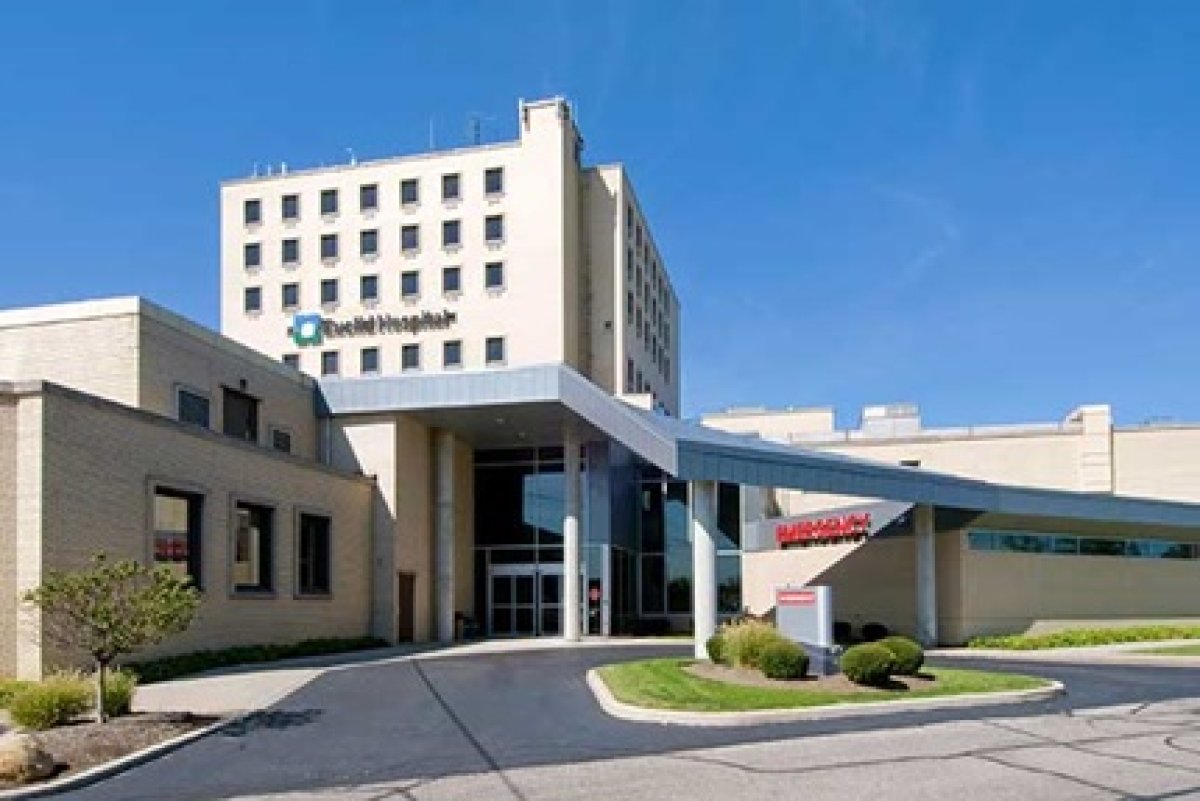





Princeton Hospital at Plainsboro

Memorial Sloan Kettering Cancer Center
The Dental Clinic-Kedzie

The Aesthetic Institute of Chicago - Brian M. Braithwaite

International Dental Center

UIC Plastic Surgery

Cosmetic Surgery of Chicago & Medical Spa Dr. Cynthia Buono

North Park Dental Clinic

Blue Illusion Beauty Facial Plastic Surgery Center
Los mejores centros médicos de Nefrología en Estados Unidos
- Cleveland Clinic, Estados Unidos
- Princeton Hospital at Plainsboro, Estados Unidos
- Memorial Sloan Kettering Cancer Center, Estados Unidos
- The Dental Clinic-Kedzie, Estados Unidos
- The Aesthetic Institute of Chicago - Brian M. Braithwaite, Estados Unidos
- International Dental Center, Estados Unidos
- UIC Plastic Surgery, Estados Unidos
- Cosmetic Surgery of Chicago & Medical Spa Dr. Cynthia Buono, Estados Unidos
- North Park Dental Clinic, Estados Unidos
- Blue Illusion Beauty Facial Plastic Surgery Center, Estados Unidos
Obtenga una evaluación médica para en Estados Unidos: Elija su especialista entre los mejores en el campo
Ver todos los médicos
Eric Klein
El Dr. Eric Klein es urólogo en Cleveland Clinic. Es el exdirector del Glickman Urological and Kidney Institute. El Dr. Klein se especializa en urología y nefrología. Atiende a pacientes en una institución que cuenta con el estatus de World's Best Smart Hospital otorgado por Newsweek. Cleveland Clinic cuenta con casi 6,500 camas y posee múltiples acreditaciones de calidad a nivel mundial.
Compartir contenido
Historias en video de pacientes de Bookimed
 Olena Sikoza
Preguntas frecuentes sobre Nefrología en Estados Unidos
¿Qué trata un nefrólogo?
Un nefrólogo trata afecciones médicas que afectan la función renal y problemas sistémicos como la enfermedad renal crónica. Estos especialistas manejan la insuficiencia renal mediante diálisis y tratan la hipertensión causada por disfunción renal. También abordan los desequilibrios electrolíticos, la nefropatía diabética y las causas metabólicas de los cálculos renales en centros como el Princeton Hospital en Plainsboro.
- Enfermedad renal crónica: Manejo de la pérdida de función a largo plazo para prevenir la insuficiencia renal terminal.
- Manejo de diálisis: Supervisión de hemodiálisis o diálisis peritoneal que salva vidas para pacientes con insuficiencia renal.
- Estudios metabólicos: Uso de pruebas de orina de 24 horas para prevenir la formación recurrente de cálculos mediante la dieta.
- Enfermedades glomerulares: Tratamiento de la inflamación y trastornos de pérdida de proteínas como el síndrome nefrótico o la glomerulonefritis.
Opinión de expertos de Bookimed: Las clínicas de EE. UU. a menudo utilizan un enfoque multidisciplinario para casos complejos. Por ejemplo, el Princeton Hospital en Plainsboro utiliza un quirófano híbrido con imágenes en 3D. Esto permite a los nefrólogos colaborar estrechamente con los cirujanos para diagnósticos precisos como biopsias renales. Elegir un hospital universitario puede proporcionar acceso a estas ca
¿Cuáles son las principales causas de la enfermedad renal en los Estados Unidos?
La diabetes y la presión arterial alta son las causas principales de la enfermedad renal en los Estados Unidos. Estas condiciones representan la mayoría de los nuevos casos de insuficiencia renal. Otras causas incluyen trastornos genéticos como la enfermedad renal poliquística y la inflamación por glomerulonefritis. El uso prolongado de medicamentos también contribuye al daño.
- Control de la diabetes: El azúcar alto en sangre daña las nefronas en el 38% de los casos de insuficiencia renal.
- Presión arterial: La hipertensión daña los vasos pequeños y causa el 26% de los casos de insuficiencia renal.
- Condiciones genéticas: La enfermedad renal poliquística provoca el crecimiento de quistes llenos de líquido que desplazan el tejido.
- Enfermedades inflamatorias: La glomerulonefritis desencadena inflamación en los diminutos grupos de filtración de los riñones.
- Problemas estructurales: Los cálculos renales o tumores crean obstrucciones que conducen a la pérdida de función.
Perspectiva del experto de Bookimed: La detección temprana mediante biopsia renal o gammagrafía es vital porque el daño suele ser silencioso. Los centros estadounidenses como el Princeton Hospital en Plainsboro utilizan sistemas robóticos Da Vinci para intervenciones quirúrgicas precisas. Estas tecnologías avanzadas ayudan a preservar el tejido sano du
Si me diagnostican enfermedad renal crónica (ERC), ¿significa que eventualmente necesitaré diálisis?
La enfermedad renal crónica no siempre conduce a la diálisis. La mayoría de las personas diagnosticadas en etapas tempranas nunca llegan a la insuficiencia renal. La función renal a menudo permanece estable durante décadas con un manejo adecuado. Solo un pequeño porcentaje de pacientes progresa a la etapa 5 o enfermedad renal terminal.
- Etapas renales: La ERC tiene 5 etapas basadas en la tasa de filtración glomerular (TFGe).
- Factores de estabilización: Controlar la presión arterial y la diabetes ayuda a preservar la función renal a largo plazo.
- Monitoreo de tendencias: El seguimiento de las tendencias de la TFGe y la proteinuria es más crítico que los resultados de laboratorio individuales.
- Diagnóstico temprano: Centros como el Princeton Hospital at Plainsboro utilizan imágenes 3D avanzadas para el diagnóstico.
Opinión de expertos de Bookimed: Las clínicas estadounidenses como el Princeton Hospital at Plainsboro utilizan el sistema robótico Da Vinci para procedimientos renales. Esta tecnología permite una cirugía precisa y mínimamente invasiva cuando la intervención es necesaria. Los datos muestran que las consultas tempranas con nefrólogos a menudo evitan la necesidad de diálisis al identificar las causas raíz desde el principio. El uso de diagnósticos avanzados como la gammagrafía puede proporcionar una imagen más clara de la salud ren
¿Cuándo es momento de ver a un nefrólogo?
Debe ver a un nefrólogo cuando su tasa de filtración glomerular caiga por debajo de 60 o cuando los exámenes de rutina muestren proteínas persistentes en la orina. Los especialistas manejan condiciones complejas como la enfermedad renal crónica en etapa 3, hipertensión no controlada y cálculos renales recurrentes para prevenir un mayor deterioro renal.
- Indicadores de laboratorio: Tasa de filtración glomerular por debajo de 60 o niveles crecientes de creatinina sérica.
- Cambios urinarios: Proteína persistente, albúmina o sangre inexplicable en muestras de orina.
- Indicadores físicos: Hinchazón inexplicable en tobillos u ojos y orina espumosa.
- Riesgos crónicos: Presión arterial alta difícil de controlar o diabetes que muestra signos de estrés renal.
Perspectiva del experto de Bookimed: Las clínicas de EE. UU. a menudo ofrecen paquetes de diagnóstico especializados como análisis de sangre bioquímicos y biopsia renal para confirmar las tendencias de filtración. Nuestros datos muestran que comenzar con una consulta y la creación de un plan de tratamiento, que cuesta entre Precio a consultar y Precio a consultar, ayuda a identificar el deterioro temprano antes de que aparezcan los síntomas.
Consenso de los pacientes: Los pacientes señalan que los tiempos de espera para los especialistas suelen ser largos. Recomiendan
¿Qué debo esperar durante mi primera visita con un nefrólogo en los EE. UU.?
Su primera visita incluye una evaluación integral de la función renal y la salud metabólica. Espere una consulta de 45 a 60 minutos que incluye la revisión del historial médico, un examen físico y pruebas de laboratorio. Los médicos se centran en el control de la presión arterial, la seguridad de los medicamentos y la identificación de las causas subyacentes de los problemas renales.
- Evaluación médica: Los médicos revisan los hábitos de hidratación, los antecedentes familiares y síntomas como el edema.
- Revisión de medicamentos: Los especialistas evalúan todos los medicamentos recetados y suplementos para determinar su posible impacto en los riñones.
- Pruebas de diagnóstico: Espere análisis de sangre y orina para calcular su eGFR.
- Examen físico: Su médico comprobará sus signos vitales y buscará signos de retención de líquidos.
Perspectiva del experto de Bookimed: Los centros de nefrología de EE. UU., como el Princeton Hospital en Plainsboro, utilizan tecnologías avanzadas como resonancia magnética de 3.0 Tesla y quirófanos híbridos para el diagnóstico. Los pacientes deben tener en cuenta que la primera visita a menudo se centra en establecer una base de referencia. Es posible que su médico solicite pruebas especializadas como una gammagrafía o una biopsia renal después de revisar los resultados iniciales.
Consenso de los pa
¿Qué cambios en la dieta y el estilo de vida tendré que hacer?
Los pacientes de nefrología en los EE. UU. deben centrarse en una ingesta baja en sodio y en controlar la presión arterial para proteger la función renal. Los cambios dietéticos priorizan las comidas caseras sobre los alimentos procesados. Los cambios en el estilo de vida incluyen evitar medicamentos específicos como los AINE e incorporar 30 minutos de actividad diaria moderada, como caminar.
- Reducción de sodio: Evite las carnes frías, la comida rápida y los fideos instantáneos para controlar la presión arterial.
- Seguridad de los medicamentos: Deje de usar AINE como ibuprofeno o naproxeno para evitar una mayor tensión renal.
- Gestión de proteínas: Mantenga una ingesta moderada de proteínas en lugar de eliminarlas por completo de su dieta.
- Actividad física: Realice ejercicio regular como natación o entrenamiento con pesas para apoyar la salud metabólica.
Perspectiva de expertos de Bookimed: Las clínicas estadounidenses como el Hospital Princeton en Plainsboro enfatizan que el cuidado renal no es igual para todos. Nuestros datos muestran que las mejores consultas de nefrología a menudo conducen a restricciones específicas basadas en laboratorio para el potasio o el fósforo. Los pacientes solo deben limitar estos minerales si los análisis de sangre indican específicamente una necesidad. Este enfoque específico previene deficiencias nutricio