Nefrología en Israel: las 15 mejores clínicas con opiniones de pacientes

Revisado médicamente por
Gokhan Temiz
¿Cuál es el precio de procedimientos de Nefrología en Israel? Descubra ahora
La nefrología en Israel suele costar entre $11,300 y $28,300. Los gastos finales dependen del plan de tratamiento específico, la duración de la estancia hospitalaria requerida y la antigüedad del especialista. Elegir un tratamiento en Israel ofrece un ahorro del 30-50% en comparación con los Estados Unidos, manteniendo al mismo tiempo altos estándares de atención renal.
Costos típicos de nefrología en Israel
- Chequeo básico: Precio a consultar
- Resonancia magnética abdominal: de $1,600
- Nefrectomía: de $18,000
La mayoría de los servicios especializados de nefrología se concentran en Tel Aviv, Ramat Gan y Jerusalén. Aunque los precios están generalmente regulados, las clínicas en diversas ciudades pueden tener ligeras diferencias en las tarifas administrativas. Consulte con un especialista para obtener precios precisos para sus necesidades específicas de salud renal.
| Israel | España | Turquía | |
|---|---|---|---|
| Ureteroscopia con litotricia láser (extracción de cálculos renales) | ≈ $5,500 | ≈ $3,600 | de $8,900 |
| Plasmaféresis | ≈ $1,800 | de $12,300 | de $3,200 |
| Pieloplastia | ≈ $11,500 | ≈ $7,200 | ≈ $4,200 |
| Nefrectomía radical robótica | ≈ $24,000 | ≈ $13,500 | de $21,100 |
| Nefrectomía con Robot Da Vinci | ≈ $24,000 | de $24,600 | de $18,500 |
Todas las enfermedades de Nefrología
Sus beneficios y garantías con Bookimed
Precios directos
Bookimed no añade cargos extra a los precios de los tratamientos de Nefrología. Las tarifas proceden de las listas de precios oficiales de las clínicas. Pagará directamente en la clínica por su tratamiento a su llegada al país.
Sólo clínicas y médicos verificados
Bookimed está comprometido con su seguridad. Solo trabajamos con las clínicas que mantienen altos estándares internacionales en el tratamiento de Nefrología y tienen las licencias necesarias para atender a pacientes internacionales en todo el mundo.
Asistencia 24/7 gratuita
Bookimed ofrece asistencia experta gratuita. Un coordinador médico personal le apoya antes, durante y después del tratamiento, resolviendo cualquier problema. Nunca estará solo en su viaje médico de procedimientos de Nefrología.

Su coordinador médico personal de Bookimed
- Le apoya en cada etapa
- Ayuda a elegir la clínica y el médico adecuados
- Asegura un acceso rápido y conveniente a la información
Descubra las mejores clínicas de Nefrología en Israel: 15 opciones verificadas y Precios













Centro médico Assaf Harofeh (Assaf Harofeh Medical Center)




Sheba Tel HaShomer
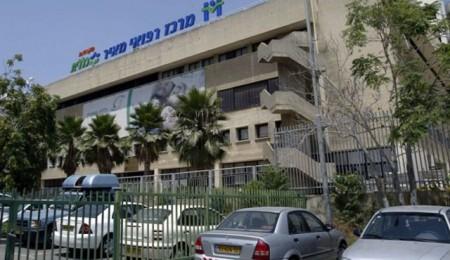
Meir Medical Center
Los mejores centros médicos de Nefrología en Israel
- Centro médico Sourasky, Israel
- Centro Médico Sheba, Israel
- Assuta Hospital en Israel, Israel
- Centro Médico Hadassah, Israel
- Rambam Medical Center, Israel
- Centro médico Assaf Harofeh (Assaf Harofeh Medical Center), Israel
- Centro médico infantil Schneider, Israel
- Rabin Medical Center, Israel
- Sheba Tel HaShomer, Israel
- Meir Medical Center, Israel
Obtenga una evaluación médica de Nefrología en Israel: haga una consulta con 8 médicos experimentados ahora
Ver todos los médicos
Barak Rosenzweig
El Dr. Barak Rosenzweig, MD, dirige el Servicio de Oncología Urológica del Centro Médico Sheba. Es un cirujano uro-oncológico con casi 20 años de experiencia. Trata cánceres urológicos complejos con métodos robóticos avanzados y mínimamente invasivos. Figura entre los Mejores Médicos de Israel según Forbes.
Su experiencia abarca tumores de próstata, riñón, vejiga, testículo y tracto urinario superior. Realiza prostatectomía radical robótica, nefrectomía parcial con preservación renal y

Schwartz Doron
Director de Nefrología y Diálisis en el Centro Médico Sourasky – el Profesor Schwartz se especializa en el tratamiento de enfermedades renales complejas y tumores.
- Formado en nefrología en la Universidad de San Diego
- Más de 20 años dirigiendo departamentos de diálisis
- Utiliza herramientas de diagnóstico avanzadas como RM y TC
- Profesor en la Universidad de Tel Aviv
- Ha publicado numerosos artículos de investigación en nefrología

Jacob Ben-chaim
El Dr. Jacob Ben-chaim se especializa en urología pediátrica con un enfoque en técnicas mínimamente invasivas como la pieloplastia laparoscópica, con un notable reconocimiento por su trabajo.
- Formación de subespecialidad (Fellowship) en investigación de urología pediátrica en Johns Hopkins
- Presidente de la Unión de Urología Pediátrica en Israel
- Premiado por el mejor estudio de urología pediátrica sobre pieloplastia laparoscópica
- Profesor en la Facultad de Medicina Sackler de la Universidad de Tel Aviv

Roksana Klepper
Más de 29 años de especialización en nefrología pediátrica en el Centro Médico Sourasky: el profesor Klepper prepara a los niños para trasplantes de hígado y cuidados posquirúrgicos.
- Miembro de tres sociedades de nefrología líderes, incluida la Comunidad Europea de Nefrología
- Se especializa en afecciones renales en pacientes de oncología pediátrica
- Habla inglés y hebreo con fluidez para pacientes internacionales
Reseñas
Todas las reseñasCompartir contenido
Historias en video de pacientes de Bookimed
 Olena Sikoza
Preguntas frecuentes sobre Nefrología en Israel
¿Por qué se considera a Israel un destino para la atención nefrológica de clase mundial?
Israel es un destino principal en nefrología debido a tasas de éxito de trasplante del 90% y una investigación pionera en regeneración renal. Instalaciones como el Centro Médico Sheba utilizan células de pacientes para revertir potencialmente enfermedades crónicas. Los centros especializados integran cirugía robótica y emparejamiento impulsado por IA para garantizar resultados superiores en casos renales complejos.
- Tasas de éxito: El Centro Médico Tel Aviv Sourasky (Ichilov) reporta un 90% de éxito en trasplantes de riñón.
- Tecnología avanzada: El Dr. Vladimir Yutkin en Hadassah realiza cirugías robóticas utilizando reconstrucciones renales en 3D.
- Pediatría especializada: El Centro Médico Hadassah es la única instalación regional que combina la atención renal y urinaria pediátrica.
- Experiencia experta: Profesores como Roksana Klepper y Schwartz Doron aportan más de 30 años de experiencia clínica.
Perspectiva del experto de Bookimed: La excelencia en nefrología israelí está impulsada por volúmenes masivos de pacientes e integración académica. El Centro Médico Sheba atiende a más de 1,500,000 pacientes anualmente y realiza el 25% de toda la investigación médica israelí. Este alto volumen permite a los médicos dominar afecciones raras como la nefropatía por IgA, que los centros regionales más pequeños rara vez encuentran.
Con
¿Qué tratamientos innovadores son exclusivos de los centros de nefrología israelíes?
Los centros de nefrología israelíes lideran la medicina regenerativa a través de los primeros organoides renales del mundo y protocolos de rejuvenecimiento con células madre. Estas instalaciones especializadas, como el Centro Médico Sheba, utilizan células madre específicas de tejido para crear mini-riñones estables. Estos modelos duran 34 semanas para pruebas de fármacos e investigación genética de alta precisión.
- Rejuvenecimiento renal: Reintroducción de las propias células cultivadas en laboratorio del paciente para reconstruir el tejido renal dañado.
- Tecnología de organoides: Cultivo de modelos de riñón humano puro a partir de células madre derivadas de la orina para una atención personalizada.
- Crioablación: Uso de nitrógeno líquido para congelar y destruir tumores renales sin cirugía invasiva.
- Robótica avanzada: Realización de nefrectomía parcial con reconstrucción 3D para la máxima preservación del tejido sano.
Perspectiva de expertos de Bookimed: Los datos de Sourasky y Hadassah muestran un cambio hacia la personalización genómica para la inmunosupresión. Mientras que las clínicas estándar utilizaban protocolos fijos, estos centros utilizan IA para adaptar la selección de fármacos. Este enfoque basado en el volumen reduce significativamente los riesgos de rechazo en casos de trasplante complejos.
Consenso de los pa
¿Pueden los turistas continuar con su hemodiálisis rutinaria mientras están en Israel?
Los turistas pueden completar su hemodiálisis rutinaria en Israel en más de 70 centros médicos certificados. Instalaciones como el Sourasky Medical Center y el Sheba Medical Center brindan tratamiento a visitantes internacionales. La mayoría de las clínicas requieren reservar con 6 a 8 semanas de antelación. Debe proporcionar registros médicos y resultados de laboratorio recientes.
- Instalaciones disponibles: Centros acreditados por la JCI como Sourasky y Assuta Medical Center ofrecen servicios de diálisis.
- Personal experto: El Prof. Schwartz Doron en Sourasky se especializa en diálisis e insuficiencia renal.
- Documentos requeridos: Los pacientes deben proporcionar una receta de diálisis, un ECG y análisis de sangre recientes.
- Costo del servicio: Las sesiones de diálisis en Israel suelen costar entre de $330.
Perspectiva del experto de Bookimed: Los datos muestran que los centros acreditados por la JCI como Sheba y Sourasky manejan volúmenes masivos de pacientes, a menudo superando el 1,000,000 anual. Esta alta capacidad significa que tienen una infraestructura dedicada para pacientes internacionales de 'diálisis vacacional'. Las clínicas en ciudades importantes como Tel Aviv o Ramat Gan ofrecen un acceso más fácil a nefrólogos especializados que hablan inglés con fluidez.
Consenso de los pac
¿Cuáles son las tasas de éxito y los requisitos para los donantes de trasplante de riñón en Israel?
El trasplante de riñón en Israel logra una tasa de supervivencia al año del 90% al 95% para los receptores. Los trasplantes de donantes vivos, que alcanzan una eficacia del 95%, superan a los casos de donantes fallecidos. Centros especializados como el Centro Médico Sheba y el Centro Médico Sourasky (Ichilov) utilizan inmunosupresión avanzada para mantener estos resultados.
- Edad del donante: Los donantes vivos deben tener entre 27 y 72 años para obtener la aprobación legal.
- Criterios de salud: La presión arterial alta, la diabetes y un IMC superior a 30-35 suelen descalificar a los posibles donantes.
- Reglas de estilo de vida: Los donantes deben dejar de fumar 4 semanas antes del procedimiento de nefrectomía.
- Aprobación legal: El Comité Nacional para Donantes Altruistas debe aprobar todos los casos de trasplante no relacionado.
Perspectiva del experto de Bookimed: Los centros médicos israelíes demuestran un alto nivel de eficiencia al integrar la atención especializada pediátrica y de adultos. Por ejemplo, el profesor Schwartz Doron en el Centro Médico Sourasky gestiona la nefrología compleja de adultos, mientras que la profesora Roksana Klepper prepara a los pacientes pediátricos para los trasplantes. Esta sinergia departamental garantiza que los pacientes en edad de transición reciban un seguimiento continuo y de alta calidad, lo cual
¿Se habla inglés en las clínicas de nefrología israelíes?
El inglés es ampliamente hablado en las clínicas de nefrología israelíes por la mayoría de los médicos especialistas. Muchos nefrólogos, incluidos el profesor Schwartz Doron y el Dr. Vladimir Yutkin, han completado becas internacionales en los EE. UU. o Europa. La documentación médica y la investigación en los principales centros médicos académicos de Israel también utilizan principalmente literatura en inglés.
- Competencia médica: La mayoría de los nefrólogos mantienen una gran fluidez debido a la formación médica obligatoria en inglés.
- Personal de apoyo: El personal de enfermería y los equipos administrativos pueden tener un inglés más limitado en comparación con los médicos.
- Apoyo lingüístico: Centros como el Sheba Medical Center ofrecen divisiones internacionales dedicadas para ayudar a los pacientes.
- Disponibilidad regional: El inglés es más común en los centros médicos de Tel Aviv, Haifa y Jerusalén.
Perspectiva de expertos de Bookimed: Los datos muestran que las clínicas acreditadas por la JCI, como el Sourasky Medical Center y Assuta, priorizan al personal de habla inglesa para gestionar su gran volumen de pacientes internacionales. Solo Sourasky trata a más de 400.000 pacientes al año, incluidos muchos del extranjero. Reservar con médicos que poseen la certificación ECFMG, como el profesor Jacob Ben-chaim, proporciona una capa a
¿Qué preguntas clínicas y de estilo de vida debo discutir con mi nefrólogo israelí?
Discutir la salud renal con nefrólogos israelíes como el Prof. Dr. Schwartz Doron o la Dra. Roksana Klepper requiere centrarse en las métricas de función y la estabilidad a largo plazo. Los pacientes deben verificar sus niveles actuales de eGFR y uACR. Aclarar cómo los tratamientos especializados como la nefrectomía parcial robótica o la diálisis afectan el estilo de vida es esencial para un manejo efectivo en Israel.
- Estado clínico: Solicite las tendencias de eGFR y uACR durante 3 a 6 meses para realizar un seguimiento de la estabilidad.
- Seguridad de los medicamentos: Confirme si los medicamentos actuales para la presión arterial o el colesterol son seguros para los riñones.
- Acceso a expertos: Pregunte si especialistas como el Dr. Vladimir Yutkin ofrecen opciones robóticas o de reconstrucción 3D.
- Costos del tratamiento: Verifique los precios de procedimientos como la diálisis, que oscilan entre de $330.
Perspectiva del experto de Bookimed: Los departamentos de nefrología israelíes en centros como Sourasky o Sheba a menudo integran imágenes avanzadas en la planificación rutinaria. Nuestros datos muestran que las clínicas que realizan más de 34,000 cirugías al año tienden a utilizar la reconstrucción renal 3D para casos complejos. Esta tecnología mejora significativamente la precisión durante las nefrectom
¿Por qué Israel es uno de los principales destinos para la neurocirugía?
Israel es un centro líder en neurocirugía gracias a su combinación de avances médicos de alta tecnología y una experiencia quirúrgica de primer nivel. Instalaciones avanzadas como el Centro Médico Sheba utilizan sistemas de navegación basados en IA y resonancia magnética intraoperatoria en tiempo real. Centros especializados reportan una tasa de éxito del 98% en procedimientos complejos, como la craneotomía con el paciente despierto y el tratamiento de trastornos del movimiento.
- Tecnología avanzada: Las clínicas utilizan ultrasonido enfocado guiado por resonancia magnética (MRgFUS) y sistemas robóticos para realizar incisiones.
- Experiencia quirúrgica: Cirujanos como el Dr. Zvi Ram lideran asociaciones internacionales con más de 25 años de experiencia.
- Acceso rápido: Los pacientes internacionales generalmente pueden programar cirugías complejas de cerebro o columna en un plazo de 2 a 4 semanas.
- Atención médica acreditada: Grandes centros como Sourasky (Ichilov) y Assuta están acreditados por la JCI, lo que confirma su seguridad.
Opinión experta de Bookimed: Los datos muestran una clara diferencia entre las opciones de tratamiento públicas y privadas en Israel. Centros privados, como el Centro Médico Assuta, realizan más de 92.000 cirugías al año y permiten a los pacientes elegir a un cirujano líder específico. Esto supone una ventaja signi
¿Qué tipos de enfermedades neuroquirúrgicas se tratan en Israel?
Los neurocirujanos israelíes tratan una amplia gama de afecciones, desde tumores cerebrales y de médula espinal hasta trastornos funcionales complejos. Los centros especializados utilizan tecnologías de vanguardia, como el bisturí de rayos gamma, la estimulación cerebral profunda y la resonancia magnética intraoperatoria, para un diagnóstico altamente preciso de la epilepsia, la enfermedad de Parkinson y las patologías cerebrovasculares.
- Enfermedades oncológicas: tratamiento de gliomas, meningiomas y tumores hipofisarios mediante resección de la base del cráneo.
- Trastornos funcionales: tratamiento de la enfermedad de Parkinson y del temblor esencial mediante estimulación cerebral profunda.
- Patologías de columna: corrección de escoliosis, hernias discales y tumores espinales mediante sistemas robóticos.
- Tratamiento de las enfermedades cerebrovasculares: tratamiento quirúrgico de aneurismas cerebrales y malformaciones arteriovenosas mediante intervenciones endovasculares.
- Neurocirugía pediátrica: atención especializada en hidrocefalia y anomalías congénitas en centros pediátricos especializados.
Opinión experta de Bookimed: Los hospitales israelíes suelen combinar diversas especialidades para abordar casos complejos. En el Centro Médico Sourasky, neurocirujanos como el Dr. Zvi Lidar combinan neurocirugía y ortopedi
¿Qué hospitales en Israel son más conocidos por sus departamentos de neurocirugía?
Israel alberga centros neuroquirúrgicos de renombre mundial, como el Centro Médico Sourasky, el Centro Médico Sheba y el Centro Médico Hadassah. Estas instituciones son líderes mundiales en el tratamiento de tumores cerebrales complejos, enfermedades de la columna vertebral y trastornos del movimiento. Utilizan tecnologías de vanguardia como el bisturí de rayos gamma, sistemas robóticos y resonancia magnética intraoperatoria.
- Suraski (Ichilov): realiza más de 2.500 operaciones neuroquirúrgicas al año en Tel Aviv con una tasa de éxito del 98%.
- Centro Médico Sheba: clasificado entre los diez mejores hospitales del mundo, trata a 1,9 millones de pacientes al año.
- Centro Médico Hadassah: Nominado al Premio Nobel de la Paz. Líder en neurocirugía pediátrica y terapia génica.
- Centro Médico Assuta: el centro médico privado más grande de Israel. Especializado en cirugías mínimamente invasivas de columna y cerebro.
- Hospital Infantil Schneider: un centro líder en neurocirugía pediátrica que trata a 275.000 niños al año.
Opinión experta de Bookimed: Nuestros datos muestran que, si bien la mayoría de los pacientes buscan tratamiento en Tel Aviv, el Centro Médico Rambam en Haifa ofrece una atención única para neurotraumatismos. Cuenta con una unidad especializada en cuidados neurocríticos que atiende a aproximadamente un milló
¿Quiénes son los principales neurocirujanos en Israel?
Entre los neurocirujanos israelíes más destacados se encuentran los profesores Zvi Ram, Shlomi Constantini e Itzhak Fried, del Centro Médico Sourasky. Estos especialistas ocupan puestos de liderazgo en la Asociación Europea de Sociedades de Neurocirugía (EANS) y la Sociedad Mundial de Neurocirugía Estereotáctica y Funcional (WSSFN). Utilizan técnicas avanzadas de mapeo intraoperatorio y sistemas robóticos.
- Profesor Zvi Ram: experto en cirugía mínimamente invasiva de tumores cerebrales y terapia genética para el cáncer.
- Profesor Shlomi Constantini: Se especializa en procedimientos neuroendoscópicos pediátricos complejos y microcirugía para tumores cerebrales.
- Profesor Itzhak Fried: una autoridad en cirugía de epilepsia, mapeo cerebral funcional y estimulación cerebral profunda.
- Dr. Eli Ashkenazi: Cirujano ortopédico líder en el Hospital Assuta, especializado en el innovador sistema TOPS.
Opinión de los expertos de Bookimed: Los datos de Sourasky y Sheba indican una fuerte correlación entre un alto volumen quirúrgico y la seguridad del paciente. Por ejemplo, Sourasky realiza más de 34.000 cirugías oncológicas al año con una tasa de éxito del 90 %. Los pacientes que requieren la extirpación de un tumor complejo deberían priorizar centros como estos, donde los cirujanos realizan cientos de procedimientos especializados al año.