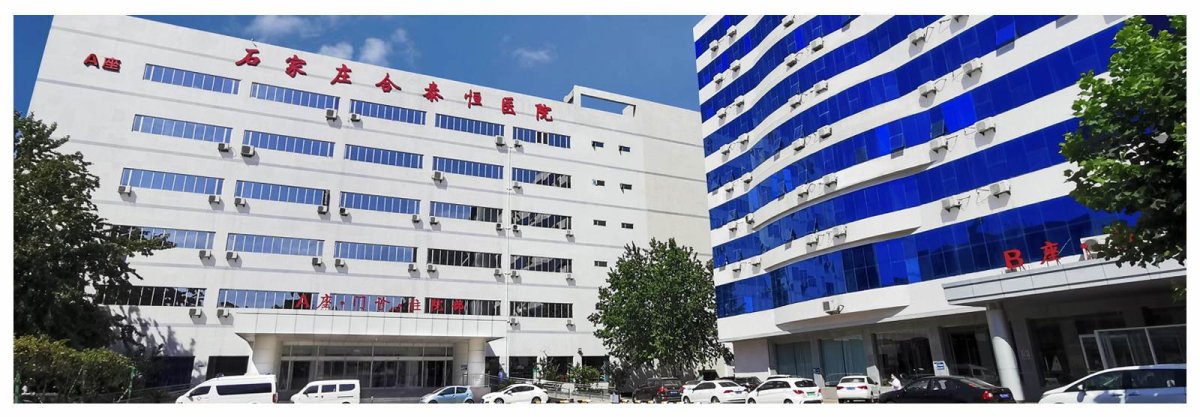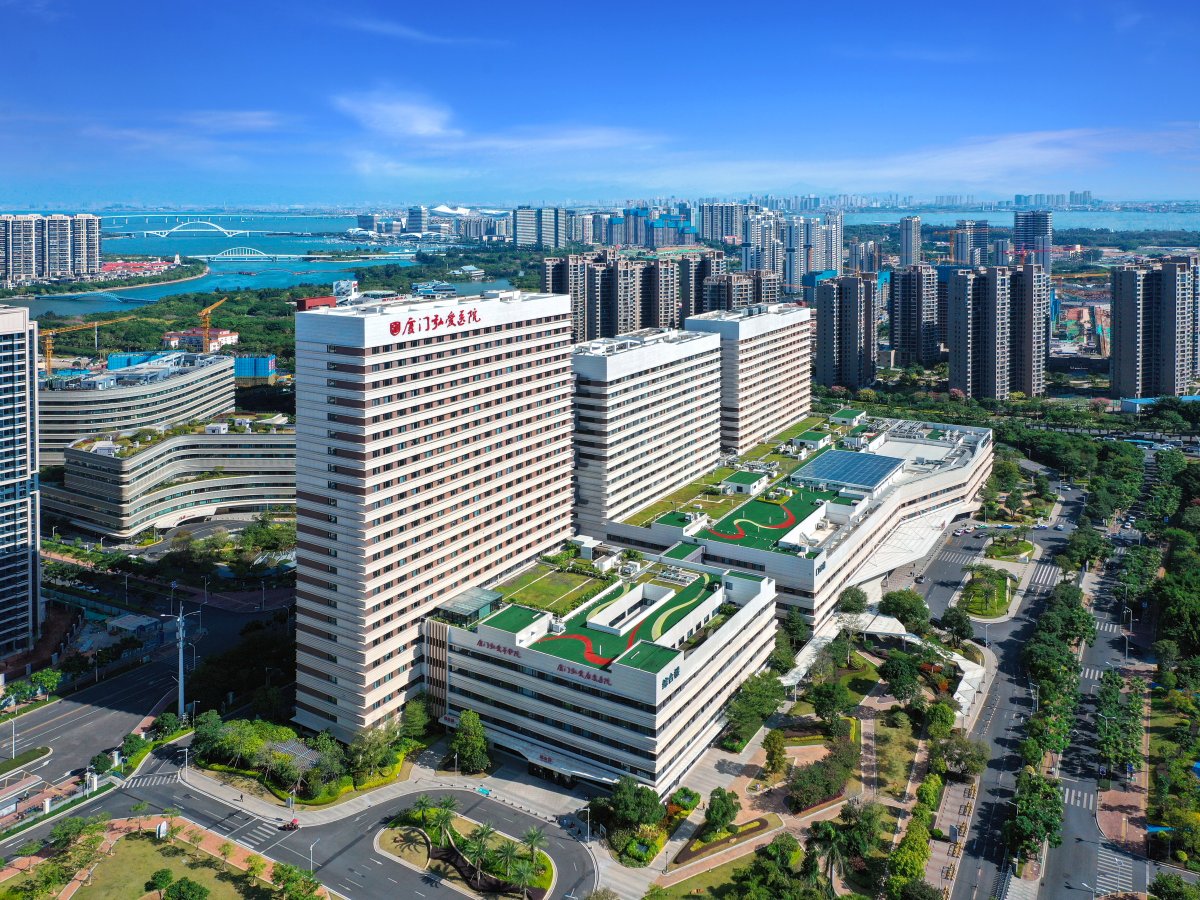
Hospital Xiamen Humanity
China, Xiamen


Revisado médicamente por
Gokhan Temiz
El tratamiento de nefrología en China suele costar entre $7,800 y $20,800. El gasto total depende de la etapa de la enfermedad renal, la frecuencia de las sesiones de diálisis y la complejidad de las intervenciones quirúrgicas, como los procedimientos asistidos por robot. Los pacientes que eligen China para su tratamiento pueden esperar un ahorro aproximado del 40-60% en comparación con los EE. UU.
Costos típicos de nefrología en China
Los principales centros de nefrología se encuentran en Pekín, Shanghái y Sanhe. Si bien Pekín y Shanghái albergan las clínicas privadas más especializadas, las instalaciones en otras regiones pueden ofrecer estructuras de precios diferentes. Debe consultar con un especialista para obtener precios precisos para sus necesidades médicas específicas.
| China | España | Turquía | |
|---|---|---|---|
| Ureteroscopia con litotricia láser (extracción de cálculos renales) | ≈ $3,800 | ≈ $3,600 | de $8,900 |
| Plasmaféresis | ≈ $2,200 | de $12,300 | de $3,200 |
| Pieloplastia | ≈ $5,500 | ≈ $7,200 | ≈ $4,200 |
| Nefrectomía radical robótica | ≈ $17,500 | ≈ $13,500 | de $23,400 |
| Nefrectomía con Robot Da Vinci | ≈ $14,000 | de $24,700 | de $18,500 |
Bookimed no añade cargos extra a los precios de los tratamientos de Nefrología. Las tarifas proceden de las listas de precios oficiales de las clínicas. Pagará directamente en la clínica por su tratamiento a su llegada al país.
Bookimed está comprometido con su seguridad. Solo trabajamos con las clínicas que mantienen altos estándares internacionales en el tratamiento de Nefrología y tienen las licencias necesarias para atender a pacientes internacionales en todo el mundo.
Bookimed ofrece asistencia experta gratuita. Un coordinador médico personal le apoya antes, durante y después del tratamiento, resolviendo cualquier problema. Nunca estará solo en su viaje médico de procedimientos de Nefrología.


Médico jefe y profesor. Experto de nivel 1 en el Centro Oncológico del West China Hospital, Sichuan University (clasificado n.º 2 en China). Completó un posdoctorado en radiología intervencionista en el Chinese PLA General Hospital. Dirige equipos multidisciplinarios (MDT) para tumores complejos. Experto en oncología intervencionista mínimamente invasiva para cánceres de hígado, pulmón y páncreas.
Acreditaciones: Miembro del consejo, WATA. Miembro de los comités de CACA y CMDA sobre in

El Dr. Zhang Yan Lin es un nefrólogo de reconocido prestigio nacional, con más de 30 años en atención clínica, docencia e investigación. Anteriormente trabajó en el Primer Hospital Afiliado de la Universidad de Xiamen.
Participó en dos proyectos de la NSFC, fue investigador principal de un proyecto provincial de Fujian de la NSFC y dirigió dos proyectos clave del municipio de Xiamen. Es editor principal de una monografía y coeditor de tres. Ha publicado más de 30 artículos, seis de ell

El profesor Fan Yu es médico jefe y director de trasplante renal. Su centro ocupó el primer lugar en Fujian durante tres años consecutivos en trasplantes de hígado y riñón. Su equipo realizó 112 trasplantes renales y un trasplante combinado hígado-riñón en dos años.
Se especializa en trasplante renal, complicaciones posrasplante y manejo de la inmunosupresión. Desarrolló un sistema para mejorar la supervivencia a largo plazo del injerto y del paciente.
Fue pionero en el diagnóst

La profesora Liang Xiaoxiao es Directora del Departamento y Jefa de Servicio de Neurorrehabilitación. Cuenta con una maestría en neurología. Es experta en neuromodulación para trastornos de la conciencia, la cognición y el movimiento. Su labor se centra en casos de enfermedad cerebrovascular, enfermedad de Parkinson y afecciones relacionadas. También realiza inyecciones de toxina botulínica guiadas por ecografía para el blefaroespasmo, el espasmo hemifacial, la espasticidad de las extremidade
 Olena Sikoza
Los mejores hospitales para el tratamiento de enfermedades renales en China se concentran en Pekín, Shanghái, Guangzhou y Nankín. El Primer Hospital de la Universidad de Pekín y el Hospital General del Ejército Popular de Liberación de China son instituciones líderes en el campo de la nefrología. Estos centros se especializan en diálisis moderna, terapia de reemplazo renal y trasplantes renales complejos.
Opinión de expertos de Bookimed: Los datos muestran que los hospitales de categoría A y nivel III, como el Hospital Internacional de Yanda y el Hospital Humanitario de Xiamen, atienden a más de 1.000.000 de pacientes al año. Estos grandes centros suelen contar con departamentos especializados en inmunoadsorción y terapia celular. Elegir un centro que combine investigación académica
Los principales desafíos que enfrentan los pacientes que requieren diálisis en China incluyen importantes diferencias regionales en la prestación de servicios y dificultades financieras. Los altos costos que deben pagar los pacientes y las restricciones de reembolso suelen limitar la frecuencia del tratamiento. Los pacientes en zonas rurales enfrentan barreras de infraestructura. El acceso para los no residentes es limitado sin una identificación local o un seguro especial.
Opinión de expertos de Bookimed: Grandes centros como el Hospital Internacional Yanda atienden a 2,5 millones de pacientes al año. Estas instalaciones suelen combinar protocolos internacionales con enfoques tradicionales chinos. Los paci
En China, el tiempo medio de espera para un trasplante de riñón para pacientes locales es de aproximadamente 3 a 4 años. Los tiempos de espera varían considerablemente según el hospital y las necesidades médicas específicas. Los pacientes internacionales generalmente no pueden entrar en las listas de espera nacionales y suelen verse obligados a depender de un familiar vivo como donante.
Opinión de expertos de Bookimed: Si bien grandes centros como el Hospital Internacional Janda atienden a 2.500.000 pacientes anualmente, se centran principalmente en la rehabilitación integral en lugar del trasplante. Los pacientes que requieren tratamiento para la enfermedad renal deben tener en cuenta que los hospitales de Clase A Nivel III ofrecen los más altos estándares para la diálisis
En China, las tasas de supervivencia de los trasplantes renales son comparables a los estándares internacionales. La tasa de supervivencia al año para los receptores de trasplantes de donantes fallecidos es de aproximadamente el 97,8 %. Para los trasplantes de donantes vivos emparentados, esta tasa alcanza casi el 99,4 %. Estas cifras son similares o superiores a las tasas promedio observadas en Estados Unidos y Europa.
Opinión de expertos de Bookimed: Grandes centros como el Hospital Internacional de Yanda y el Hospital Humanitario de Xiamen atienden a más de 1.000.000 de pacientes al año. Este elevado volumen de intervenciones quirúrgicas suele conllevar el desarroll