Tratamiento de Deformidad del tórax en embudo en Italia — obtenga 3 coincidencias personalizadas de clínicas


Revisado médicamente por
Fahad Mawlood
Cómo funciona
¿Cuál es el precio del diagnóstico y los tratamientos de Deformidad del tórax en embudo en Italia? Descubra ahora
De $45. Los costos de la intervención quirúrgica dependen de la técnica elegida, como los procedimientos de Nuss o Ravitch, y del nivel de la clínica. Los pacientes pueden esperar ahorros de aproximadamente un 40-60% en comparación con los EE. UU. Milán, Roma y Bolonia son las principales ciudades para este tratamiento especializado.
Costos típicos del tratamiento de la deformidad de tórax en embudo en Italia
- ECG: de $45
- Consulta con un ortopedista: $150 – $240
- Consulta con un ortopedista: $150 – $220
Perspectiva del experto de Bookimed: Los pacientes que buscan experiencia quirúrgica de alto volumen deben considerar los centros con sede en Milán. El IRCCS Ospedale Galeazzi - Sant'Ambrogio es el principal hospital de Italia para ingresos ortopédicos, realizando el 75% de todas las cirugías ortopédicas de revisión a nivel nacional. Para casos complejos que involucran consideraciones cardiovasculares, el Hospital San Donato brinda atención especializada como una clínica italiana líder en cirugía cardíaca. Los pacientes internacionales a menudo prefieren instalaciones acreditadas por la JCI como el Hospital Maria Cecilia en Bolonia para obtener estándares de seguridad verificados.
Descubra las mejores clínicas de tratamiento de Deformidad del tórax en embudo en Italia: 6 opciones verificadas y Precios







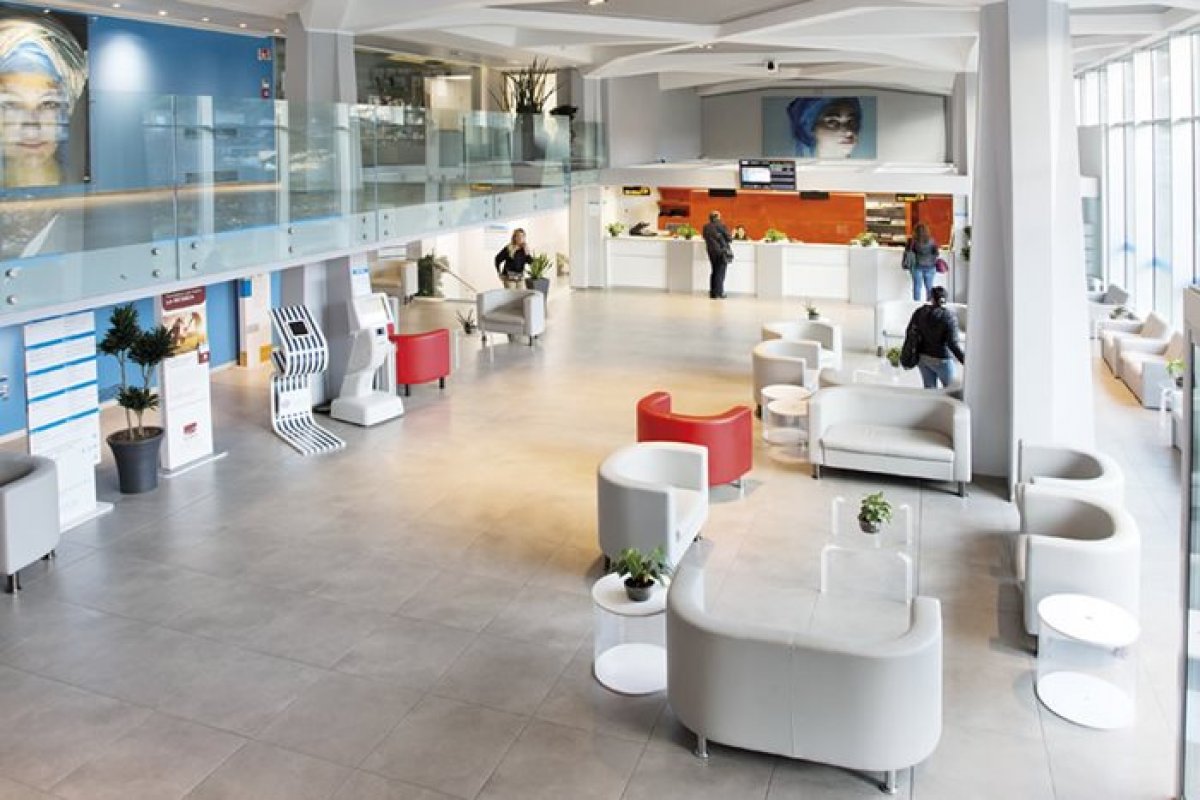
La Madonnina Clinic







Obtenga una evaluación médica para Deformidad del tórax en embudo en Italia: consulte con doctores experimentados ahora
Ver todos los médicos
Raul Zini
15,000 operaciones y 1,215 artroscopias de cadera entre 2009 y 2015 – El Dr. Zini trata a atletas de élite con atención ortopédica especializada en el Maria Cecilia Hospital.
- Especializado en pinzamiento femoroacetabular, condropatía y lesiones deportivas
- Coordinador de Ortopedia y Traumatología en el Maria Cecilia Hospital desde 2007
- Autor de más de 100 publicaciones y 7 monografías sobre tratamientos ortopédicos
- Galardonado dos veces con el Premio Bellando-Randone por la SIOT por sus destacadas monografías
Compartir contenido
Historias en video de pacientes de Bookimed
 Olena Sikoza
Preguntas frecuentes sobre el tratamiento de Deformidad del tórax en embudo en Italia
¿Cuáles son las principales técnicas quirúrgicas disponibles en Italia para corregir la deformidad de tórax en embudo?
Italia ofrece varias técnicas quirúrgicas avanzadas para la corrección del tórax en embudo (pectus excavatum). Estas incluyen el procedimiento de Nuss mínimamente invasivo y el innovador Pectus Up. Los cirujanos también realizan el método clásico de Ravitch e implantes de silicona 3D personalizados. Los principales centros torácicos de Milán y Roma utilizan estos métodos para restaurar la función de la pared torácica.
- Procedimiento de Nuss (MIRPE): Los cirujanos insertan barras de metal detrás del esternón a través de pequeñas incisiones laterales.
- Pectus Up (Taulinoplastia): Una placa de titanio extratorácica tira del esternón hacia arriba sin necesidad de entrada interna.
- Procedimiento de Ravitch: Los cirujanos extirpan el cartílago anormal durante una cirugía abierta para casos graves o complejos.
- Implantes 3D personalizados: Las prótesis de silicona personalizadas proporcionan una corrección estética para pacientes sin problemas funcionales.
Opinión de expertos de Bookimed: Los centros italianos como el IRCCS Ospedale Galeazzi - Sant'Ambrogio y el Hospital San Donato mantienen departamentos ortopédicos y cardíacos de gran volumen. Nuestros datos muestran que estas instalaciones atienden a más de 300.000 pacientes al año. Este volumen es crucial para reparaciones torácicas complejas como el procedimiento de Nuss. Los mejores cirujano
¿Qué hospitales italianos son reconocidos internacionalmente para la cirugía de tórax en embudo?
Los hospitales italianos reconocidos internacionalmente para la cirugía de tórax en embudo (pectus excavatum) incluyen el Maria Cecilia Hospital, la Policlínica IRCCS San Donato y el IRCCS Ospedale Galeazzi - Sant Ambrogio. Estos centros utilizan técnicas mínimamente invasivas Nuss y Pectus Up. Cirujanos expertos operan en instalaciones que poseen certificaciones JCI e ISO.
- Técnicas quirúrgicas: Las clínicas ofrecen los procedimientos extratorácicos Pectus Up y los mínimamente invasivos Nuss.
- Alto volumen: San Donato es el centro líder de Italia para casos cardíacos y torácicos complejos.
- Experiencia acreditada: El Maria Cecilia Hospital cuenta con acreditación JCI y maneja más del 15% de las cirugías cardíacas italianas.
- Unidades especializadas: El Ospedale Galeazzi - Sant Ambrogio se especializa en problemas ortopédicos vinculados a deformidades torácicas.
Perspectiva del experto de Bookimed: Aunque muchos eligen centros universitarios públicos, las clínicas de la red San Donato, como la Policlínica IRCCS San Donato o La Madonnina, ofrecen una ventaja distinta para los pacientes internacionales. Estas instalaciones combinan la investigación de alto volumen con una atención personalizada de primera calidad. Solo San Donato trata a 300,000 pacientes anualmente y reporta el mayor volumen del país de intervenciones torácicas mínimamente i
¿Cómo se determina la necesidad médica para que una cirugía sea cubierta en lugar de clasificarse como cosmética?
La necesidad médica para la cirugía de tórax en embudo (pectus excavatum) en Italia requiere pruebas clínicas de deterioro funcional. Los servicios de salud italianos clasifican el procedimiento como necesario cuando trata problemas fisiológicos. Los indicadores clave incluyen un gasto cardíaco reducido, una función pulmonar deteriorada o dolor físico persistente documentado.
- Deterioro funcional: Se requiere prueba de dificultades respiratorias o intolerancia al ejercicio.
- Pruebas de espirometría: Las pruebas de función pulmonar deben mostrar patrones restrictivos claros para la cobertura.
- Evidencia cardiológica: Los ecos diagnósticos que muestran un gasto cardíaco reducido respaldan la necesidad médica.
- Índice de Haller: Un índice de tomografía computarizada superior a 3.25 a menudo desencadena la aprobación de la cirugía.
Perspectiva del experto de Bookimed: Los datos sugieren que elegir un centro multidisciplinario como el Hospital Maria Cecilia o el Hospital San Donato mejora las probabilidades de aprobación. Estos centros cuentan con equipos cardíacos dedicados y especialistas que pueden proporcionar la documentación multiespecializada requerida. El éxito a menudo depende de que tanto un cardiólogo como un neumólogo confirmen cómo la deformidad afecta la función de los órganos vitales.
Consenso de los pacientes:
¿Cuál es el cronograma típico de recuperación después de cada técnica quirúrgica?
La recuperación del pecho hundido (pectus excavatum) en Italia depende del enfoque quirúrgico elegido. Las técnicas mínimamente invasivas como el procedimiento de Nuss suelen requerir de 4 a 7 días de hospitalización. Los pacientes generalmente retoman actividades ligeras en un plazo de 3 semanas. Los métodos tradicionales como el procedimiento de Ravitch requieren de 6 a 12 meses para la curación ósea completa.
- Procedimiento de Nuss: La estancia hospitalaria dura de 4 a 7 días. Regreso al trabajo ligero en 3 semanas.
- Procedimiento de Ravitch: Requiere de 5 a 10 días en el hospital. Evitar levantar peso durante 6 semanas.
- Extracción de la barra: Se realiza después de 2 a 3 años. La actividad completa se retoma en 6 semanas.
- Reanudación del deporte: Los atletas suelen esperar de 3 a 6 meses antes de retomar deportes de contacto.
Perspectiva del experto de Bookimed: Los centros italianos acreditados por el IRCCS, como San Donato o Galeazzi-Sant'Ambrogio, se especializan en atención torácica y ortopédica de alto volumen. Elegir un centro que realiza miles de operaciones al año a menudo garantiza un protocolo postoperatorio más estandarizado. Este alto volumen de pacientes generalmente conduce a un manejo del dolor más eficiente y tiempos de alta más rápidos.
Consenso de los pacientes: Los pacientes señalan que el do
¿Existen opciones no quirúrgicas para niños cuya deformidad aún es flexible?
El pectus excavatum flexible en niños puede tratarse de forma no quirúrgica mediante el uso de la campana de vacío (vacuum bell) y fisioterapia especializada. Estos métodos tienen como objetivo elevar el esternón gradualmente mientras la pared torácica permanece flexible. Los centros ortopédicos italianos priorizan estos enfoques conservadores para pacientes en la primera infancia con el fin de evitar procedimientos invasivos.
- Terapia con campana de vacío: Crea un vacío para elevar la pared torácica mediante un dispositivo de silicona.
- Fisioterapia: Se centra en ejercicios de respiración y entrenamiento postural para mejorar la apariencia del pecho.
- Corsés ortopédicos: Corrigen la protrusión costal y la postura mediante prendas de compresión externas hechas a medida.
- Monitoreo regular: Requiere una evaluación ortopédica pediátrica cada 6 a 12 meses para realizar un seguimiento del progreso.
Perspectiva del experto de Bookimed: Los centros italianos como el IRCCS Ospedale Galeazzi - Sant'Ambrogio manejan grandes volúmenes con 343,500 pacientes anuales. Esto sugiere que los grandes hospitales académicos italianos ofrecen una profunda experiencia en protocolos ortopédicos conservadores. Los pacientes que buscan atención no quirúrgica se benefician de centros que combinan la investigación con la práctica clínica. Estas instalaciones a menud
¿Qué evaluaciones preoperatorias me realizarán en los centros italianos?
Los centros de diagnóstico italianos realizan pruebas cardíacas y pulmonares exhaustivas para prepararse para la corrección del tórax en embudo. Las evaluaciones obligatorias suelen incluir una tomografía computarizada 3D para calcular el índice de Haller. Los pacientes también se someten a ecocardiogramas, pruebas de función pulmonar y consultas psicológicas para garantizar la preparación quirúrgica.
- Evaluación cardíaca: Incluye ECG, monitoreo Holter de 24 horas y pruebas de esfuerzo.
- Protocolos de imagen: Las tomografías computarizadas 3D miden con precisión la profundidad del pecho y el desplazamiento de los órganos internos.
- Pruebas respiratorias: La espirometría y las pruebas de función pulmonar evalúan la capacidad pulmonar y la mecánica respiratoria.
- Detección de síndromes: Las pruebas genéticas para el síndrome de Marfan y los trastornos del tejido conectivo son comunes.
Perspectiva del experto de Bookimed: Centros italianos como el IRCCS Ospedale Galeazzi - Sant'Ambrogio y el Hospital Maria Cecilia priorizan el cribado multidisciplinario. Nuestros datos muestran que los centros ortopédicos de alto volumen a menudo incluyen diagnósticos cardíacos especializados en el plan quirúrgico inicial. Elegir instalaciones privadas puede reducir el cronograma de evaluación a 4–6 semanas en comparación con las listas de espera públicas. Est
¿Qué pautas de actividad debo seguir después de la colocación de una barra o implante?
El enfoque de la actividad postoperatoria se centra en prevenir el desplazamiento de la barra. Los pacientes deben evitar los deportes de contacto y levantar objetos pesados durante 6 meses. Se puede comenzar a caminar suavemente después de 2 semanas. Los cirujanos en centros italianos acreditados por la JCI proporcionan planes de recuperación gradual para garantizar la estabilidad del implante y la corrección a largo plazo de la pared torácica.
- Límites de carga: Evite levantar más de 5 kg durante las primeras semanas.
- Restricciones del core: Evite las flexiones o planchas durante al menos 6 meses después de la cirugía.
- Deportes de contacto: Espere de 6 a 12 meses antes de reanudar actividades de alto impacto.
- Control del dolor: Utilice los niveles de dolor diarios para guiar su aumento gradual de actividad.
Perspectiva del experto de Bookimed: Los centros ortopédicos italianos como el IRCCS Ospedale Galeazzi - Sant'Ambrogio manejan un gran volumen de casos complejos. Su experiencia en cirugías de revisión demuestra que cumplir con la regla de 6 meses de reposo del core es vital. Prevenir una segunda cirugía es más fácil que corregir una barra desplazada por ejercicio prematuro.
Consenso de los pacientes: Los pacientes enfatizan que actividades como el patinaje sobre hielo o el yoga pueden causar contratiempos in