Deformidad del tórax en embudo en Corea del Sur: las 6 mejores clínicas para su tratamiento


Revisado médicamente por
Fahad Mawlood
¿Cuál es el precio del diagnóstico y los tratamientos de Deformidad del tórax en embudo en Corea del Sur? Descubra ahora
De $30. Los gastos totales dependen de la gravedad del pectus excavatum, la técnica quirúrgica elegida y el nivel del hospital. Los pacientes pueden ahorrar aproximadamente entre un 40 y un 60% en comparación con los Estados Unidos. Los principales destinos médicos para este tratamiento incluyen Seúl, Busan e Incheon.
Costos típicos del tratamiento de la deformidad de tórax en embudo en la República de Corea
- Consulta con un ortopedista: $90 – $200
- Consulta con un ortopedista (traumatólogo): de $55
- ECG: de $30
Perspectiva de los expertos de Bookimed: Las reconstrucciones torácicas complejas se realizan mejor en centros multidisciplinarios de gran volumen. El Centro Médico Asan atiende a más de 2,500 pacientes hospitalizados diariamente. Cuenta con acreditación JCI y clasificaciones de Newsweek. Para casos pediátricos, el Hospital Severance ofrece equipos quirúrgicos especializados enfocados en niños. Los pacientes que buscan atención ortopédica especializada pueden considerar el Hospital Kang Dong en Busan. Fueron pioneros en enfoques multifacéticos para los trastornos musculoesqueléticos. Los hospitales digitales como el SNUBH proporcionan imágenes avanzadas para una planificación quirúrgica precisa. Estos centros a menudo coordinan seguimientos de varios años para los procedimientos de extracción de barras.
Sus beneficios y garantías con Bookimed
Precios directos
Bookimed no añade cargos extra a los precios de los tratamientos de Deformidad del tórax en embudo. Las tarifas proceden de las listas de precios oficiales de las clínicas. Pagará directamente en la clínica por su tratamiento a su llegada al país.
Sólo clínicas y médicos verificados
Bookimed está comprometido con su seguridad. Solo trabajamos con las clínicas que mantienen altos estándares internacionales en el tratamiento de Deformidad del tórax en embudo y cuentan con las licencias necesarias para atender a pacientes internacionales en todo el mundo.
Asistencia 24/7 gratuita
Bookimed ofrece asistencia experta gratuita. Un coordinador médico personal le apoya antes, durante y después de su tratamiento, resolviendo cualquier problema. Nunca estará solo en su viaje médico de tratamiento de Deformidad del tórax en embudo.

Su coordinador médico personal de Bookimed
- Le apoya en cada etapa
- Ayuda a elegir la clínica y el médico adecuados
- Asegura un acceso rápido y conveniente a la información
Descubra las mejores clínicas de tratamiento de Deformidad del tórax en embudo en Corea del Sur: 6 opciones verificadas y Precios






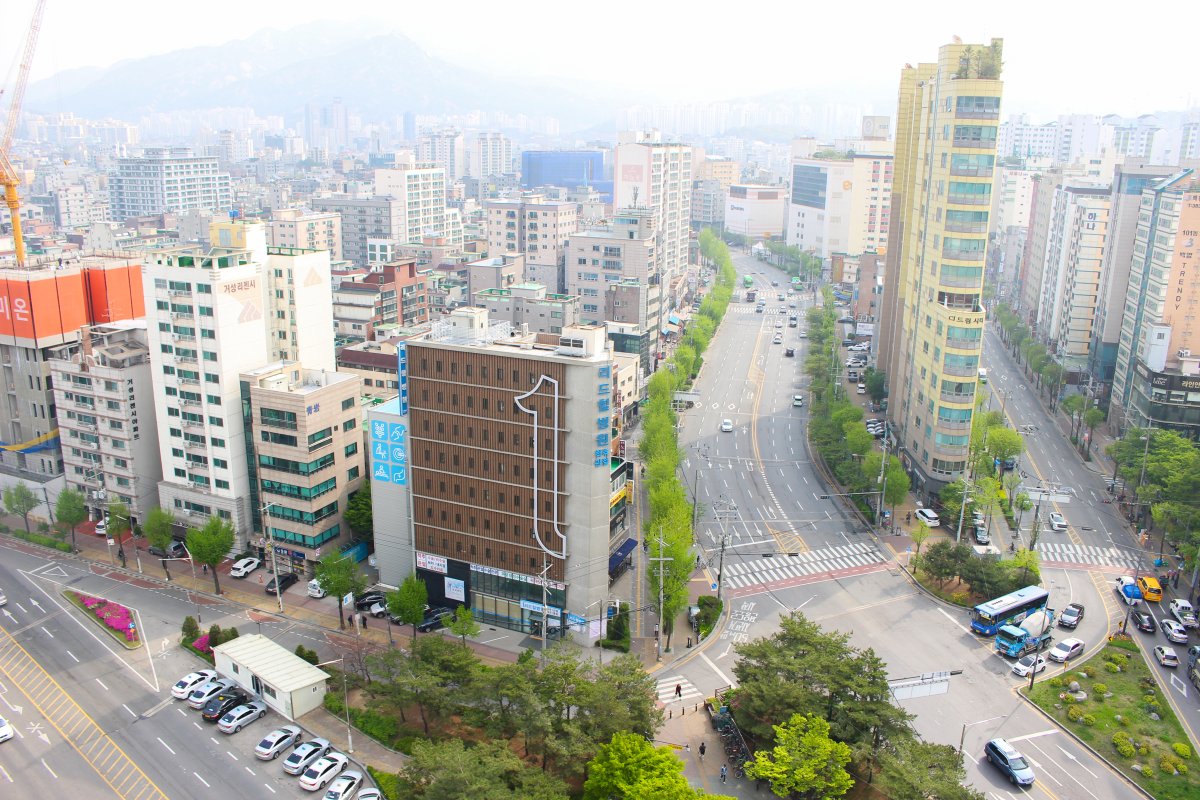
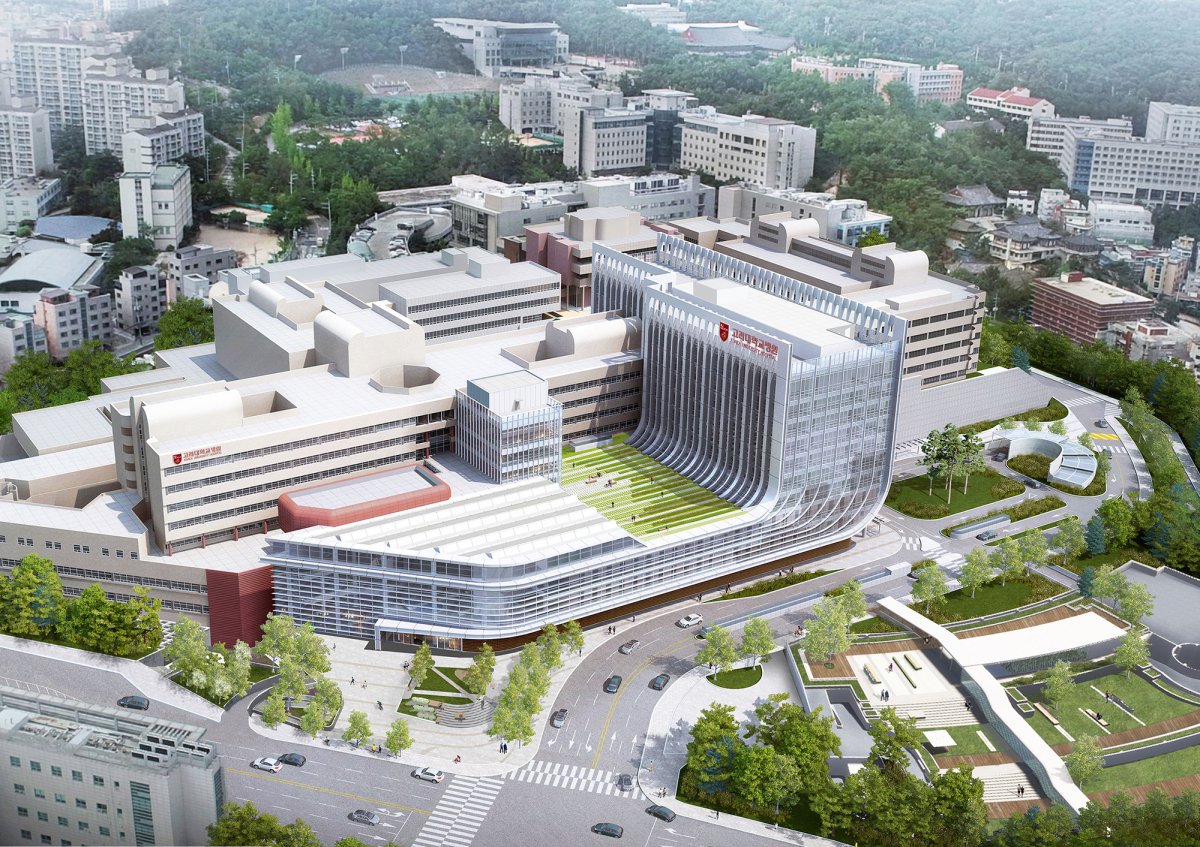
Clínica de columna y articulaciones Leadheal






Compartir contenido
Historias en video de pacientes de Bookimed
 Olena Sikoza
Preguntas frecuentes sobre el tratamiento de Deformidad del tórax en embudo en Corea del Sur
¿Qué técnica quirúrgica se utiliza más comúnmente en Corea para la deformidad de pecho hundido (pectus excavatum)?
El procedimiento de Nuss es la técnica quirúrgica más utilizada en Corea del Sur. Este método mínimamente invasivo utiliza barras metálicas curvas para reposicionar el esternón. Los centros coreanos avanzados suelen utilizar la variante NeoPectus. Este enfoque evolucionado incorpora una elevación asistida por grúa para mejorar la seguridad y la simetría.
- Procedimiento de Nuss: Técnica estándar mínimamente invasiva que utiliza barras metálicas para remodelar la pared torácica.
- Método NeoPectus: Evolución coreana avanzada que utiliza grúas montadas en la mesa para elevar el esternón de forma segura.
- Placas de estabilización: Placas de puente especializadas aseguran las barras para evitar el desplazamiento después de la cirugía.
- Procedimiento de Ravitch: Cirugía abierta tradicional reservada para casos estructurales rígidos o extremadamente complejos.
Perspectiva del experto de Bookimed: Aunque el procedimiento de Nuss es el estándar, la experiencia surcoreana se define por el volumen. El Hospital Bundang de la Universidad Nacional de Seúl atiende a más de 1.500.000 pacientes al año en todos los departamentos. Este flujo masivo de pacientes permite a los equipos quirúrgicos perfeccionar técnicas complejas como el enfoque NeoPectus. Los pacientes deben buscar centros que realicen más de 30.000 operaciones anuales para garantizar una alta co
¿Existe una alternativa no quirúrgica disponible en Corea?
El tratamiento no quirúrgico para el pectus excavatum en Corea se centra en la terapia con campana de vacío y el uso de ortesis especializadas. Estos métodos son más efectivos en pacientes menores de 18 años, mientras los huesos aún son flexibles. Los centros ortopédicos coreanos, como el Hospital Kang Dong, utilizan enfoques multidisciplinarios para tratar trastornos musculoesqueléticos complejos sin técnicas invasivas.
- Terapia con campana de vacío: Crea un vacío para elevar el esternón tras varios meses de uso.
- Ortesis personalizadas: Especialistas en ortopedia diseñan aparatos externos para remodelar la pared torácica gradualmente.
- Fisioterapia: Los ejercicios se centran en fortalecer los músculos del pecho para mantener los resultados de la corrección no quirúrgica.
- Monitoreo diagnóstico: Los especialistas utilizan ECG y consultas ortopédicas para realizar un seguimiento del progreso y la seguridad.
Perspectiva del experto de Bookimed: Aunque las tasas de éxito de la campana de vacío disminuyen en adultos, el Hospital Bundang de la Universidad Nacional de Seúl y el Centro Médico Asan mantienen un alto volumen de pacientes, realizando más de 30,000 operaciones al año. Esta profundidad clínica sugiere que, si los métodos no quirúrgicos fallan después de 6 meses, estos centros ofrecen las alternativas quirúrgicas más avanzadas a nivel
¿Cuál es la edad ideal para la corrección quirúrgica en Corea?
La edad ideal para la corrección quirúrgica del tórax en embudo en Corea es entre los 14 y 18 años. Los cirujanos recomiendan esperar hasta que las placas de crecimiento se cierren para evitar que el pecho vuelva a crecer de forma desigual. Los pacientes mayores de 19 años pueden recibir tratamiento de forma independiente, mientras que los menores requieren el consentimiento por escrito de los padres para la cirugía.
- Estabilidad del crecimiento: Los cirujanos priorizan la corrección de la deformidad después del pico de crecimiento adolescente.
- Minimización de riesgos: Esperar hasta los 15-18 años reduce la posibilidad de requerir segundas operaciones.
- Flexibilidad quirúrgica: Los procedimientos realizados antes de los 20 años se benefician de una mayor flexibilidad de la pared torácica.
- Requisitos legales: Los pacientes menores de 19 años necesitan la aprobación de los padres para procedimientos ortopédicos electivos de tórax.
Perspectiva del experto de Bookimed: Aunque muchos buscan centros pediátricos específicos, las instalaciones multidisciplinarias de primer nivel, como el Hospital de la Universidad Nacional de Seúl, atienden a más de 10.000 pacientes al día. Elegir un gran hospital digital garantiza las imágenes de alta precisión necesarias para las correcciones en la adolescencia tardía. Estos centros manejan grandes volúmenes, l
¿Cuánto tiempo permanecen colocadas las barras implantadas?
Las barras implantadas para el tratamiento del pecho hundido (pectus excavatum) suelen permanecer colocadas durante 2 a 3 años. Los cirujanos en la República de Corea supervisan la remodelación del tórax mediante radiografías periódicas. Retiran las barras metálicas una vez que la pared torácica alcanza una corrección permanente estable para evitar su desplazamiento.
- Duración del implante: La mayoría de los pacientes mantienen las barras durante un total de 24 a 36 meses.
- Recuperación en adultos: Algunos adultos requieren hasta 4 años para una estabilidad ósea completa.
- Retirada en pediatría: En pacientes más jóvenes, la retirada puede realizarse a partir de los 18 meses después de la cirugía.
- Cuidados de seguimiento: El control mediante radiografías asegura que el tórax se haya remodelado correctamente antes de la extracción.
Opinión de expertos de Bookimed: Corea del Sur alberga 5 de los mejores hospitales del mundo según Newsweek 2023. Centros como el Hospital de la Universidad Nacional de Seúl y el Centro Médico Asan manejan volúmenes masivos de pacientes. Esta alta frecuencia quirúrgica a menudo conduce a protocolos de retirada perfeccionados. Los cirujanos altamente experimentados pueden ajustar el cronograma basándose en imágenes digitales precisas y en la densidad ósea individual.
Consenso de los pacientes:
¿Qué implica normalmente la recuperación postoperatoria en los centros coreanos?
La recuperación postoperatoria en los centros de Corea del Sur implica una estancia estructurada de 7 a 14 días centrada en el manejo intensivo del dolor y la terapia respiratoria. Los pacientes suelen permanecer hospitalizados durante la primera semana para controlar el drenaje torácico. Las clínicas especializadas utilizan sistemas automatizados de administración de medicamentos para garantizar la comodidad después de la cirugía.
- Estancia hospitalaria: Los pacientes suelen pasar de 7 a 10 días bajo observación clínica por seguridad.
- Manejo del dolor: Los médicos utilizan bombas de analgesia controlada por el paciente (PCA) con fentanilo durante los primeros 5 días.
- Cuidado respiratorio: Se requieren ejercicios de respiración diarios dos veces al día para prevenir la neumonía después del procedimiento.
- Reglas de movilidad: Conducir está estrictamente prohibido durante 6 semanas para evitar la migración interna de la barra.
- Imágenes de seguimiento: Las radiografías semanales son estándar durante la fase de curación inicial para confirmar la estabilidad de la barra.
Perspectiva del experto de Bookimed: Mientras que muchos centros occidentales tratan el pectus excavatum como un procedimiento ambulatorio, los hospitales académicos coreanos como el Severance Hospital y el Asan Medical Center prefieren estancias hos
¿Tienen los hospitales coreanos experiencia en el tratamiento de pacientes internacionales?
Los hospitales de Corea del Sur demuestran una amplia experiencia al tratar a más de 1 millón de pacientes internacionales al año. Centros importantes como el Asan Medical Center y el Severance Hospital atienden a miles de visitantes extranjeros. Ofrecen alas internacionales dedicadas, acreditación JCI y personal especializado para la atención de no residentes.
- Volumen diario de pacientes: El Asan Medical Center trata aproximadamente a 11.800 pacientes ambulatorios cada día.
- Acreditación de alto nivel: Las instalaciones líderes mantienen certificaciones de la Joint Commission International (JCI) y KOIHA.
- Atención médica digital: El Hospital Bundang de la Universidad Nacional de Seúl utiliza BESTcare para reducir los errores médicos.
- Alcance global de pacientes: El Hospital Anam de la Universidad de Corea maneja habitualmente casos de los EAU y Mongolia.
Opinión de expertos de Bookimed: Si bien muchos países se especializan en un área, los datos de Corea del Sur muestran una concentración única de centros multidisciplinarios masivos. Por ejemplo, el Asan Medical Center y el Severance Hospital gestionan cada uno más de 1.500.000 pacientes ambulatorios al año. Este alto volumen en más de 40 departamentos significa que sus equipos internacionales están equipados de manera única para coordinar una atención compleja y multiespecializada de ma
¿Qué ciudades de Corea ofrecen centros especializados para la cirugía de pectus?
Seúl es el principal centro mundial para la cirugía especializada de pectus en Corea del Sur. Cuenta con centros reconocidos a nivel mundial como el Hospital de la Universidad Nacional de Seúl y el Hospital Severance. Otras ciudades, incluyendo Busan, Incheon y Suwon, también ofrecen departamentos torácicos avanzados con cirujanos capacitados en el procedimiento de Nuss.
- Centros en Seúl: Las instalaciones especializadas mantienen la acreditación JCI y atienden a millones de pacientes anualmente.
- Cirujanos expertos: El Dr. Hyung-Joo Park y el Dr. Sungsoo Lee son autoridades reconocidas mundialmente.
- Opciones en Busan: El Hospital Kang Dong ofrece servicios integrales para deformidades ortopédicas y musculoesqueléticas.
- Atención en Incheon: Instalaciones como el Hospital Na-Eun ofrecen experiencia quirúrgica en trastornos articulares y óseos importantes.
Perspectiva de expertos de Bookimed: Los hospitales de Seúl, como el Hospital Bundang de la Universidad Nacional de Seúl y el Hospital Severance, aparecen constantemente en la lista de los mejores hospitales del mundo de Newsweek. Estos centros ofrecen una gran experiencia en correcciones complejas de la pared torácica. Si bien las clínicas de Busan, como el Hospital Kang Dong, brindan atención ortopédica personalizada, los sistemas de imágenes digitales y robóticos más avanzados se conce