Reparación de aneurisma cerebral en Italia — obtén 3 clínicas con costos


Revisado médicamente por
Fahad Mawlood
¿Cuál es el precio de Reparación de aneurisma cerebral en Italia? Descubra ahora
La reparación de aneurisma cerebral en Italia suele costar entre $21,000 y $34,000. El precio final depende de la técnica quirúrgica, la complejidad del caso y el tipo de clínica. En los EE. Los costos estándar suelen incluir el procedimiento neuroquirúrgico, el diagnóstico por imagen y la hospitalización.
- Técnica quirúrgica: El embolizado endovascular puede costar más por los materiales, pero a menudo reduce las estancias hospitalarias en un 39%.
- Complejidad del caso: Las puntuaciones clínicas más altas pueden aumentar los costos totales del tratamiento en aproximadamente un 16% por punto.
- Ubicación del centro médico: Los principales hospitales de investigación en Milán o Roma a menudo tienen precios diferentes a los de las clínicas regionales.
- Equipo especializado: El uso de imágenes 4K 3D o sistemas robóticos puede influir en la tarifa quirúrgica base.
Perspectiva del experto de Bookimed: Elegir un hospital de investigación IRCCS como el Maria Cecilia Hospital ofrece acceso de alto valor a una atención acreditada por la JCI. Estas instalaciones a menudo combinan altos volúmenes quirúrgicos con microscopía digital 4K 3D avanzada para mayor precisión. El Dr. Ignazio Borghesi en esta clínica gestiona más de 1,000 casos al año. Este volumen sugiere un alto nivel de eficiencia técnica. Asegura que los pacientes reciban atención experta a las tarifas médicas italianas establecidas.
Beneficios clave
¿Por qué elegir Italia para la reparación de aneurismas cerebrales?
- Clínicas acreditadas: Hospitales certificados por JCI que ofrecen los más altos estándares de atención y seguridad para el paciente.
- Últimas tecnologías: Italia utiliza técnicas innovadoras como los Stents de Desviación de Flujo (por ejemplo, el Dispositivo de Embolización Pipeline) y materiales como las Bobinas de Hidrogel. Estos avances contribuyen a mejorar los resultados del tratamiento.
- Altas tasas de éxito: Los procedimientos de reparación de aneurismas cerebrales en Italia logran una tasa de eficacia del 85-90%. Las tasas de éxito son aún mayores para los aneurismas no rotos.
- Cirujanos expertos: Los principales neurocirujanos, certificados por la Asociación Europea de Sociedades Neuroquirúrgicas (EANS), han realizado más de 500 reparaciones de aneurismas cerebrales cada uno. Esto garantiza que manos experimentadas manejen casos complejos.
Acceda a soluciones avanzadas de Reparación de Aneurismas Cerebrales en clínicas de confianza de $21,000.
| Italia | España | Turquía | |
|---|---|---|---|
| Reparación de aneurisma cerebral | ≈ $21,000 | de $34,000 | de $14,300 |
Sus beneficios y garantías con Bookimed
Precios directos
Bookimed no añade cargos adicionales a los precios de Reparación de aneurisma cerebral. Las tarifas proceden de las listas de precios oficiales de las clínicas. Pagará directamente en la clínica por su Reparación de aneurisma cerebral a su llegada al país.
Sólo clínicas y médicos verificados
Bookimed está comprometido con su seguridad. Solo trabajamos con las clínicas que mantienen altos estándares internacionales en Reparación de aneurisma cerebral y tienen las licencias necesarias para atender a pacientes internacionales en todo el mundo.
Asistencia 24/7 gratuita
Bookimed ofrece asistencia experta gratuita. Un coordinador médico personal le apoya antes, durante y después del tratamiento, resolviendo cualquier problema. Nunca estará solo en su viaje médico de Reparación de aneurisma cerebral.

Su coordinador médico personal de Bookimed
- Le apoya en cada etapa
- Ayuda a elegir la clínica y el médico adecuados
- Asegura un acceso rápido y conveniente a la información
Descubra las mejores clínicas de Reparación de aneurisma cerebral en Italia: 3 opciones verificadas y Precios


Maria Cecilia Hospital
François Lechanoine





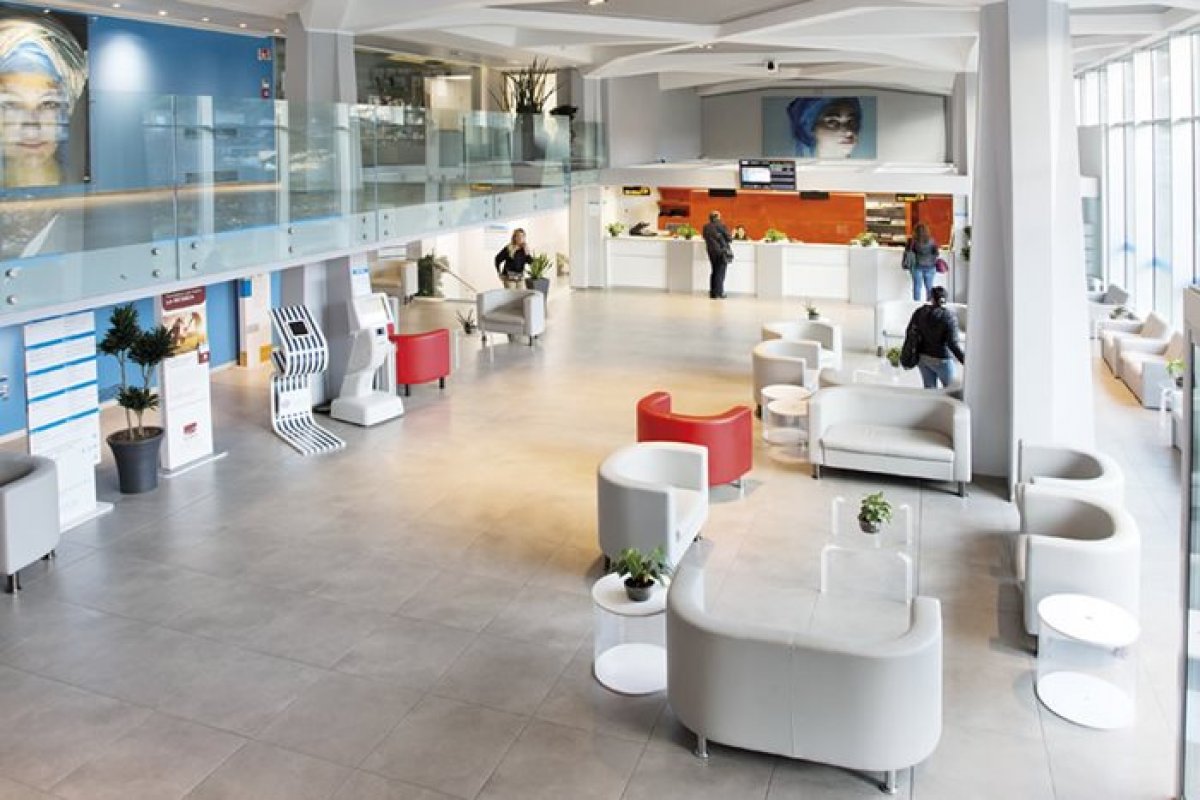

Descripción general de Reparación de aneurisma cerebral en Italia
- Reparación de aneurisma cerebral - de $21,000La operación sella un vaso sanguíneo débil en el cerebro, evitando la ruptura y el daño cerebral potencial.
Día 1:
- Llegada al país.
- Traslado del aeropuerto al hotel.
Dia 2:
- Traslado del hotel a la clínica.
- Consultar con neurólogo y neurocirujano.
- Hágase una angiografía por TC.
Día 3:
- Evaluación previa a la cirugía basada en los resultados de las pruebas.
- Preparación para la cirugía (ayuno, pautas).
Día 4:
- Someterse a una cirugía de reparación de aneurisma cerebral.
- El procedimiento tiene una duración de 3-6 horas bajo anestesia general.
Día 5 a Día 10:
- Seguimiento postoperatorio en UCI durante 24-48 horas.
- Traslado a sala regular durante 5-7 días.
Semana 2:
- Inicie actividades de rehabilitación suaves.
- Consulta de seguimiento con neurocirujano.
Semana 3 a Semana 6:
- Continúe la rehabilitación en casa o en el hospital local.
- Regreso gradual a las actividades diarias normales.
Semana 7:
- Puede volver al trabajo si la recuperación es satisfactoria.
Semana 12:
- Puede reanudar los deportes y otras actividades extenuantes.
- Resultado final de la cirugía visible.
Tenga en cuenta que el proceso de recuperación de cada paciente puede variar según el estado de salud individual y la complejidad de la cirugía.
- Depósito de Bookimed: 200 $ o 200 €.
- Depósito de la clínica: Pague un porcentaje fijo por adelantado.
Obtenga una evaluación médica para Reparación de aneurisma cerebral en Italia: Elija su especialista entre los mejores en el campo
Ver todos los médicos
Ignazio Borghesi
Ha realizado más de 4.500 procedimientos neuroquirúrgicos complejos – El Dr. Borghesi dirige la Unidad de Neurocirugía en el Hospital Maria Cecilia.
- Especializado en cirugía cerebral mínimamente invasiva con imágenes 4K 3D
- Trató con éxito más de 400 casos de neuralgia del trigémino
- Formado en hospitales internacionales de primer nivel como la Schulthess Klinik en Zúrich
- Autor de numerosas publicaciones científicas en neurocirugía
François Lechanoine
Más de 1,600 cirugías cerebrales complejas como cirujano principal – el Dr. Lechanoine se especializa en técnicas mínimamente invasivas en el Maria Cecilia Hospital.
- Más de 2,500 procedimientos neuroquirúrgicos realizados
- Experto en afecciones del tronco encefálico y neuroendoscopia intraventricular
- Formado en instituciones prestigiosas, incluido el CHU de Grenoble Alpes
- Posee el Diploma Europeo de Cirugía de Columna (Eurospine)
- Fundó un centro de formación quirúrgica UBE
Historias en video de pacientes de Bookimed
Reseñas
Todas las reseñasCompartir contenido
 Olena Sikoza
Preguntas frecuentes sobre Reparación de aneurisma cerebral en Italia
¿Qué hospitales en Italia se consideran los mejores para la reparación de aneurismas cerebrales?
Italia ofrece atención neuroquirúrgica de clase mundial para la reparación de aneurismas cerebrales, con instalaciones de primer nivel ubicadas en Milán, Roma y Bolonia. Instituciones líderes como el Hospital Maria Cecilia y el Hospital de Investigación San Raffaele se especializan en clipping microquirúrgico avanzado y coiling endovascular mínimamente invasivo utilizando tecnología de imagen 4K 3D de alta definición.
- Hospital Maria Cecilia: Instalación acreditada por la JCI en Bolonia que utiliza tecnología de cámara orbital 3D para mayor precisión.
- Hospital San Raffaele: Centro milanés de alto volumen que realiza más de 52.000 procedimientos quirúrgicos al año.
- Cirujanos expertos: El Dr. Ignazio Borghesi ha realizado más de 4.500 procedimientos neuroquirúrgicos complejos.
- Tecnología especializada: Los centros utilizan microscopios digitales y neuronavegación para reparaciones seguras y mínimamente invasivas.
Perspectiva de expertos de Bookimed: Si bien Milán y Roma son centros médicos famosos, el Hospital Maria Cecilia en Bolonia destaca por su infraestructura neuroquirúrgica. Alberga un centro de formación dedicado a la endoscopia biportal unilateral y la imagen 4K. Esta concentración de tecnología especializada a menudo resulta en que cirujanos principales como el Dr. François Lechanoine tengan registros de experiencia superiores al
¿Quiénes son los principales especialistas italianos en cirugía de aneurismas cerebrales?
Italia cuenta con neurocirujanos de primer nivel especializados en la reparación de aneurismas cerebrales, incluyendo el clipaje microquirúrgico y el embolizado endovascular. Entre los expertos clave se encuentran el Dr. Ignazio Borghesi en el Hospital Maria Cecilia y el Prof. Dr. Pietro Mortini en el Hospital San Raffaele. Estos especialistas utilizan imágenes 3D 4K avanzadas para tratar afecciones vasculares complejas.
- Dr. Ignazio Borghesi: Ha realizado más de 4.500 cirugías complejas utilizando microscopios digitales 4K 3D de alta definición en el Hospital Maria Cecilia.
- Dr. François Lechanoine: Realiza cirugías cerebrales mínimamente invasivas en el Hospital Maria Cecilia, con 1.600 procedimientos como cirujano principal.
- Prof. Dr. Pietro Mortini: Dirige la neurocirugía en el Hospital San Raffaele, centrándose en el clipaje microquirúrgico complejo de aneurismas.
- Dr. Giovanni Sabatino: Especialista en neurocirugía vascular en el Hospital Mater Olbia con más de 4.000 procedimientos.
Perspectiva del experto de Bookimed: El Hospital Maria Cecilia es una opción destacada porque maneja más del 15% de las cirugías cardíacas y vasculares de Italia. Nuestros datos muestran que los centros de alto volumen como este, que cuentan con acreditación JCI, a menudo ofrecen una integración tecnológica superior, como imágenes 3D microquirúrgicas digi
¿Cuánto tiempo permaneceré en el hospital y en Italia después de una reparación de aneurisma cerebral?
Las estancias hospitalarias para la reparación de un aneurisma cerebral en Italia suelen durar de 1 a 2 días para el coiling endovascular y de 3 a 7 días para el clipping quirúrgico. Los pacientes internacionales deben permanecer en el país durante 2 a 4 semanas después del alta para garantizar la seguridad de los viajes aéreos y completar los seguimientos neurológicos esenciales.
- Estancia endovascular: La mayoría de los pacientes pasan de 1 a 2 noches en el hospital después de los procedimientos de coiling.
- Clipping quirúrgico: Espere de 3 a 7 días de hospitalización, dependiendo de la inflamación cerebral y la velocidad de recuperación.
- Observación post-alta: Los expertos recomiendan permanecer en Italia durante 14 días para controlar posibles complicaciones tardías.
- Seguridad en viajes aéreos: Por lo general, se restringe volar durante 2 a 4 semanas después de procedimientos de craneotomía abierta.
Perspectiva de expertos de Bookimed: Los centros italianos como el Hospital Maria Cecilia utilizan imágenes 3D 4K para minimizar los pasos invasivos. El análisis del volumen quirúrgico muestra que cirujanos líderes como el Dr. François Lechanoine realizan más de 1,600 procedimientos. Este alto volumen a menudo resulta en tiempos de alta más rápidos en comparación con clínicas regionales más pequeñas.
Consenso de los paciente
¿Cuál es el cronograma de recuperación esperado después de la reparación de un aneurisma cerebral?
La recuperación tras la reparación de un aneurisma cerebral en Italia suele permitir un retorno completo a la actividad física en un plazo de 4 a 8 semanas. El coiling endovascular generalmente requiere de 1 a 5 días de hospitalización, mientras que el clipping quirúrgico o los casos de ruptura pueden extender la hospitalización a 1 o 3 semanas para el control de la estabilidad.
- Estancia hospitalaria: 5 a 14 días es la duración estándar en los departamentos de neurocirugía italianos especializados.
- Retirada de suturas: Las grapas o suturas del clipping se retiran generalmente de 7 a 10 días después de la cirugía.
- Reanudación de actividades: La mayoría de los pacientes regresan al trabajo de oficina o a conducir en un plazo de 4 a 6 semanas.
- Recuperación a largo plazo: El ejercicio extenuante está restringido durante 3 meses para asegurar la cicatrización vascular y de la incisión.
Perspectiva del experto de Bookimed: Los datos de centros acreditados por la JCI, como el Hospital Maria Cecilia, indican que los cirujanos con un alto volumen de casos, como aquellos que realizan más de 1.000 procedimientos anuales, utilizan cámaras orbitales 3D 4K avanzadas. Esta precisión a menudo reduce la ventana de recuperación de 14 días para los clippings complejos. Los pacientes deben priorizar clínicas con unidades de neuro-rehabilitación dedicadas p
¿Existen tiempos de espera significativos para la cirugía de aneurisma en Italia?
Los centros de neurocirugía italianos priorizan los casos de aneurisma según la urgencia clínica. Los aneurismas rotos de emergencia reciben tratamiento inmediato en un plazo de 48 horas. La reparación electiva de aneurismas no rotos suele ocurrir dentro de 1 a 4 semanas en el sistema público, mientras que las clínicas privadas a menudo brindan acceso dentro de la misma semana.
- Niveles de urgencia: Los casos de emergencia se tratan dentro de las 72 horas para afecciones vasculares que ponen en peligro la vida.
- Programación electiva: Los centros privados como el Hospital Maria Cecilia ofrecen una planificación de tratamiento instantánea para casos no rotos.
- Velocidad regional: Los principales centros en Roma y Milán generalmente informan colas más cortas que los centros rurales.
- Prioridad del sistema: Los procedimientos neurovasculares reciben un estatus de prioridad más alto que las cirugías ortopédicas o electivas estándar.
Perspectiva del experto de Bookimed: Los centros neuroquirúrgicos privados en Italia ofrecen una ventaja de velocidad significativa sin los costos extremos observados en América del Norte. Mientras que los pacientes estadounidenses podrían pagar _price_compare_US_average_ por la reparación de un aneurisma cerebral, los hospitales italianos acreditados por la JCI, como el Hospital Maria Cecilia, brindan atención de é
¿Qué métodos quirúrgicos se utilizan en Italia: coiling, clipping o ambos?
Los centros neuroquirúrgicos en Italia utilizan tanto el coiling endovascular como el clipping quirúrgico para tratar los aneurismas cerebrales. Los centros especializados en Roma y Bolonia determinan el enfoque mediante un consenso multidisciplinario, priorizando el clipping para casos complejos de ACM y el coiling para necesidades mínimamente invasivas en pacientes de alto riesgo.
- Técnicas disponibles: Los hospitales italianos ofrecen tanto el clipping quirúrgico abierto como métodos de coiling endovascular.
- Preferencia quirúrgica: El clipping representa el 83% de los casos que involucran aneurismas de la arteria cerebral media (ACM).
- Estándares tecnológicos: Los cirujanos utilizan microscopios digitales con imágenes 3D 4K para una colocación precisa de los clips.
- Estándares de calidad: Los principales departamentos de neurocirugía en Italia mantienen la acreditación de la Joint Commission International (JCI).
Perspectiva del experto de Bookimed: Aunque el coiling está ganando popularidad, Italia sigue siendo un bastión del clipping quirúrgico. El Hospital Maria Cecilia recibió recientemente las mejores clasificaciones de los pacientes en neurocirugía. Esta clínica se centra en la video-microcirugía de alta precisión. Esto garantiza resultados duraderos para aneurismas complejos no rotos que requieren una craneotomía.
C
¿Está disponible y se utiliza de forma rutinaria la monitorización cerebral intraoperatoria?
La monitorización cerebral intraoperatoria está disponible y se utiliza de forma rutinaria en los principales centros neuroquirúrgicos italianos. Los hospitales especializados en Roma y Milán utilizan la Monitorización Neurofisiológica Intraoperatoria (IONM) como estándar para las reparaciones de aneurismas cerebrales de alto riesgo. Esta tecnología proporciona información en tiempo real para prevenir daños neurológicos.
- Monitorización estándar: Técnicas como la electroencefalografía (EEG) han sido una práctica estándar desde la década de 1970.
- Enfoque multimodal: Los cirujanos monitorizan simultáneamente los potenciales evocados motores (PEM) y las señales somatosensoriales.
- Centros especializados: Los principales centros como el Ospedale Niguarda proporcionan neuromonitorización de alta densidad y técnicos especializados.
- Adyuvantes quirúrgicos: Los casos de clipaje abierto a menudo incluyen micro-Doppler y angiografía con verde de indocianina (ICG).
Perspectiva del experto de Bookimed: Los centros de neurocirugía italianos muestran una clara división en los protocolos de monitorización según el enfoque. Mientras que el coiling endovascular a menudo omite la neuromonitorización profunda, el clipaje quirúrgico abierto en clínicas de primer nivel lo prioriza. Los pacientes deben confirmar si su centro cuenta con un neurofisiólogo dedica