La esclerosis lateral amiotrófica Tratamiento en Lituania — Costos 2026


Revisado médicamente por
Fahad Mawlood
¿Cuál es el precio del diagnóstico y los tratamientos de La esclerosis lateral amiotrófica en Lituania? Descubra ahora
Sus beneficios y garantías con Bookimed
Precios directos
Bookimed no añade cargos extra a los precios de los tratamientos de La esclerosis lateral amiotrófica. Las tarifas proceden de las listas de precios oficiales de las clínicas. Pagará directamente en la clínica por su tratamiento a su llegada al país.
Sólo clínicas y médicos verificados
Bookimed está comprometido con su seguridad. Solo trabajamos con las clínicas que mantienen altos estándares internacionales en el tratamiento de La esclerosis lateral amiotrófica y cuentan con las licencias necesarias para atender a pacientes internacionales en todo el mundo.
Asistencia 24/7 gratuita
Bookimed ofrece asistencia experta gratuita. Un coordinador médico personal le apoya antes, durante y después de su tratamiento, resolviendo cualquier problema. Nunca estará solo en su viaje médico de tratamiento de La esclerosis lateral amiotrófica.

Su coordinador médico personal de Bookimed
- Le apoya en cada etapa
- Ayuda a elegir la clínica y el médico adecuados
- Asegura un acceso rápido y conveniente a la información
Descubra las mejores clínicas de tratamiento de La esclerosis lateral amiotrófica en Lituania: 2 opciones verificadas y Precios



Compartir contenido
Historias en video de pacientes de Bookimed
 Olena Sikoza
Preguntas frecuentes sobre el tratamiento de La esclerosis lateral amiotrófica en Lituania
¿Es curable la ELA en Lituania?
La ELA es actualmente incurable en Lituania y en todo el mundo. Es una enfermedad neurodegenerativa progresiva sin reversión conocida. Las clínicas lituanas se centran en controlar los síntomas y ralentizar la progresión. Los tratamientos se ajustan a las normas de la Unión Europea para mejorar la calidad de vida de los pacientes.
- Estándares de medicación: Las clínicas proporcionan Riluzol para ralentizar modestamente el avance de la enfermedad.
- Atención multidisciplinaria: Los equipos en Vilna coordinan la fisioterapia y el soporte respiratorio.
- Investigación clínica: Los centros locales estudian variantes genéticas como el gen SOD1.
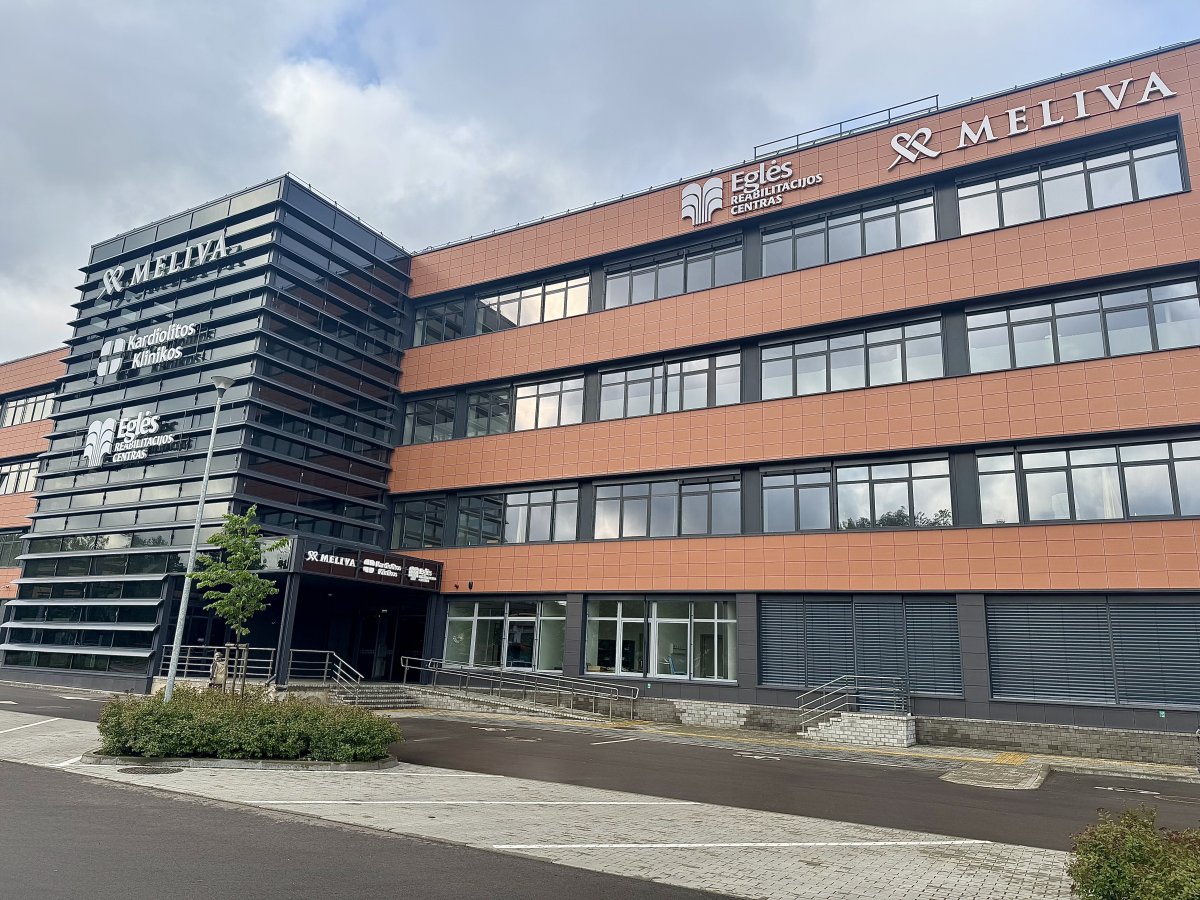
- Instalaciones acreditadas: Los centros acreditados por la JCI, como el Hospital Meliva Kardiolita, ofrecen diagnósticos avanzados.
Perspectiva del experto de Bookimed: Los pacientes que buscan atención especializada en Lituania deben priorizar las instalaciones acreditadas por la JCI en Vilna. Aunque ninguna clínica ofrece una cura, los grandes centros como Meliva Kardiolita tratan a 298.000 pacientes al año. Este alto volumen a menudo garantiza un acceso más rápido a diagnósticos neurológicos multidisciplinarios. Esta rapidez es vital para controlar eficazmente los síntomas en las primeras etapas.
Consenso de los pacientes: Los pacientes enfatizan la importancia de acudir a neurólo
¿A qué medicamentos pueden acceder los pacientes con ELA en Lituania?
Los pacientes con esclerosis lateral amiotrófica (ELA) en Lituania pueden acceder al riluzol, el medicamento principal autorizado por la Agencia Europea de Medicamentos para ralentizar la progresión de la enfermedad. La mayoría de los pacientes lo reciben a través del sistema nacional de salud. Las clínicas especializadas también proporcionan infusiones de edaravona y terapias con células madre mesenquimales para controlar la inflamación y el deterioro funcional.
- Tratamiento modificador de la enfermedad: El riluzol es el medicamento oral estándar para prolongar la esperanza de vida.
- Terapia antioxidante: La edaravona se administra por vía intravenosa en ciclos en centros de neurología especializados.
- Control de síntomas: Las inyecciones de toxina botulínica ayudan a controlar la espasticidad muscular y el exceso de saliva.
- Cuidados de apoyo: Los médicos recetan medicamentos para los calambres musculares, el dolor y la labilidad emocional.
Perspectiva del experto de Bookimed: Lituania es una opción estratégica para la atención neurológica porque los centros privados como el Medical Diagnostic and Treatment Center brindan un acceso rápido al diagnóstico. Si bien el sistema público cubre el riluzol en su totalidad, los pacientes internacionales a menudo utilizan instalaciones privadas para evitar los tiempos de espera de los neurólogos. Lo
¿Qué servicios de apoyo multidisciplinario están integrados en los centros de ELA de Lituania?
Los centros de ELA de Lituania integran la neurología, la genética y la atención respiratoria en una única vía clínica. Centros como el Hospital Universitario de Vilnius Santaros Klinikos siguen las normas europeas. Ofrecen diagnóstico mediante electromiografía, asesoramiento genético y rehabilitación física. Los equipos se centran en la preservación de la movilidad y la ventilación no invasiva para el apoyo respiratorio.
- Diagnóstico especializado: La neurofisiología clínica incluye electromiografía avanzada y estudios de conducción nerviosa.
- Apoyo a la rehabilitación: Los fisioterapeutas gestionan la debilidad muscular mediante programas individualizados de preservación de la movilidad.
- Cuidados paliativos: El apoyo neuropaliativo integrado se centra en el alivio de los síntomas y la calidad de vida.
- Servicios nutricionales: Los dietistas gestionan la disfagia y abordan las dificultades específicas para comer y beber.
Opinión de los expertos de Bookimed: Las clínicas privadas de Vilnius ofrecen un nivel adicional de apoyo logístico a los pacientes. El Hospital Meliva Kardiolita y el Centro de Diagnóstico y Tratamiento Médico cuentan con la acreditación de la JCI. Esta certificación garantiza que mantienen las normas internacionales de seguridad en sus más de 30 departamentos. Aunque los hospitales universitarios lideran la investigació
¿Qué hospitales y centros de investigación se especializan en la atención de la ELA en Lituania?
Lituania coordina la atención de la esclerosis lateral amiotrófica (ELA) a través del Hospital Universitario de Vilna Santaros Klinikos y las Clínicas de Kaunas. Estos centros terciarios proporcionan diagnósticos multidisciplinarios. Utilizan electromiografía y pruebas genéticas para evaluar trastornos neuromusculares. Los pacientes a menudo acceden a estándares internacionales a través de las Redes Europeas de Referencia para enfermedades raras.
- Santaros Klinikos: Cuenta con un centro de neurología certificado especializado en diagnósticos neurofisiológicos complejos.
- Clínicas de Kaunas: Opera una Unidad Neuromuscular dedicada para el monitoreo avanzado de unidades motoras.
- Meliva Kardiolita: Instalación acreditada por la JCI que ofrece consultas neurológicas especializadas en un entorno privado.
- Centro de Diagnóstico Médico: Proporciona protocolos de diagnóstico rápido y terapia de rehabilitación para el manejo de síntomas.
Opinión de expertos de Bookimed: Los datos clínicos muestran una alta concentración de experiencia en Vilna. El Hospital Meliva Kardiolita trata a 298,000 pacientes al año. Mientras que los hospitales universitarios manejan la investigación genética compleja, los centros privados como el Centro de Diagnóstico y Tratamiento Médico destacan en la rapidez de diagnóstico. Esto permite a los pacientes evitar los largos
¿Lituania ofrece terapia experimental con células madre para la ELA y cuál es su base?
Lituania ofrece terapia experimental con células madre para la ELA utilizando células madre mesenquimales (CMM). El tratamiento se centra en la neuroprotección y la reducción de la inflamación en el sistema nervioso central. Los procedimientos están disponibles en clínicas privadas bajo la Ley de Ética de la Investigación Biomédica y las regulaciones nacionales de trasplantes.
- Fuente celular: Las células madre mesenquimales (CMM) se derivan de la médula ósea o del tejido adiposo.
- Objetivos de neuroprotección: Se liberan factores de crecimiento para ayudar a nutrir y proteger las neuronas motoras existentes.
- Control de la inflamación: La terapia tiene como objetivo disminuir la neuroinflamación que acelera el deterioro funcional en los pacientes.
- Seguridad regulatoria: Centros acreditados como el Hospital Meliva Kardiolita mantienen los estándares JCI para la seguridad clínica.
Perspectiva de expertos de Bookimed: Aunque Lituania cuenta con hospitales acreditados por la JCI de buena reputación como Meliva Kardiolita y el Centro de Diagnóstico y Tratamiento Médico, se especializan principalmente en diagnóstico y rehabilitación. Nuestros datos muestran que los centros de alto volumen para terapias celulares experimentales a menudo están separados de estos centros quirúrgicos. Siempre confirme si el protocolo específico de ELA de una clínic