La esclerosis lateral amiotrófica Tratamiento en Alemania — Costos 2026


Revisado médicamente por
Fahad Mawlood
¿Cuál es el precio del diagnóstico y los tratamientos de La esclerosis lateral amiotrófica en Alemania? Descubra ahora
El costo total del tratamiento de la esclerosis lateral amiotrófica en Alemania varía según su plan de tratamiento. Los diagnósticos iniciales y la terapia orientada a los síntomas cuestan aproximadamente 1.040 €. Las consultas avanzadas de radiología varían entre 18.900 € y 55.700 €. El programa de tratamiento se determina después de una evaluación individual de cada paciente.
| Alemania | España | Turquía | |
|---|---|---|---|
| Terapia con células madre pluripotentes inducidas | ≈ $14,000 | ≈ $9,000 | ≈ $6,500 |
| Terapia con células madre para la ELA (esclerosis lateral amiotrófica) | ≈ $14,000 | ≈ $9,000 | de $10,000 |
| Terapia con células madre | ≈ $4,500 | de $33,800 | de $1,600 |
| Plasmaféresis | ≈ $2,200 | de $12,300 | de $3,200 |
Sus beneficios y garantías con Bookimed
Precios directos
Bookimed no añade cargos extra a los precios de los tratamientos de La esclerosis lateral amiotrófica. Las tarifas proceden de las listas de precios oficiales de las clínicas. Pagará directamente en la clínica por su tratamiento a su llegada al país.
Sólo clínicas y médicos verificados
Bookimed está comprometido con su seguridad. Solo trabajamos con las clínicas que mantienen altos estándares internacionales en el tratamiento de La esclerosis lateral amiotrófica y cuentan con las licencias necesarias para atender a pacientes internacionales en todo el mundo.
Asistencia 24/7 gratuita
Bookimed ofrece asistencia experta gratuita. Un coordinador médico personal le apoya antes, durante y después de su tratamiento, resolviendo cualquier problema. Nunca estará solo en su viaje médico de tratamiento de La esclerosis lateral amiotrófica.

Su coordinador médico personal de Bookimed
- Le apoya en cada etapa
- Ayuda a elegir la clínica y el médico adecuados
- Asegura un acceso rápido y conveniente a la información
Descubra las mejores clínicas de tratamiento de La esclerosis lateral amiotrófica en Alemania: 12 opciones verificadas y Precios









Hospital in the Pfeiffer`s foundations
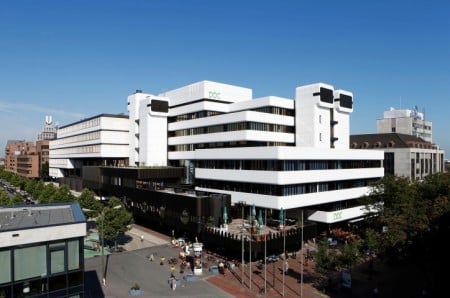
Diagnostic Center DOC Dortmund

Leopoldina Hospital Schweinfurt



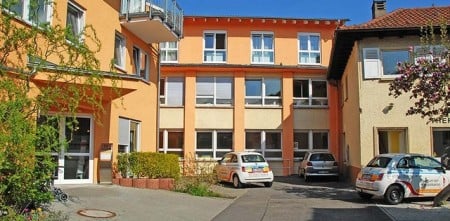
Zentrum der Rehabilitation Pforzheim
Compartir contenido
Historias en video de pacientes de Bookimed
 Olena Sikoza
Preguntas frecuentes sobre el tratamiento de La esclerosis lateral amiotrófica en Alemania
¿Existe una cura para la ELA disponible en Alemania?
No existe una cura absoluta para la ELA en Alemania ni en el mundo. Los centros médicos alemanes se centran en ralentizar la progresión de la enfermedad y controlar los síntomas. Los pacientes acceden a tratamientos farmacológicos estándar como el Riluzol junto con terapias innovadoras y ensayos clínicos internacionales en hospitales universitarios e institutos de investigación especializados.
- Medicación estándar: El Riluzol es el fármaco principal aprobado para reducir el daño a las células nerviosas.
- Diagnóstico avanzado: Centros como la Charité-Universitätsmedizin Berlin ofrecen estadificación neurológica integral y consultas especializadas.
- Opciones experimentales: Las clínicas pueden ofrecer terapia de secretoma de células madre autólogas para combatir la neuroinflamación.
- Apoyo a la movilidad: La terapia con el exoesqueleto robótico Hybrid Assistive Limb (HAL) ayuda a mantener la función muscular y la movilidad.
Opinión experta de Bookimed: Aunque muchos buscan clínicas privadas, el mayor nivel de atención se encuentra en hospitales universitarios alemanes como la Charité o Erlangen. Estas instituciones atienden a más de 800.000 pacientes al año y brindan acceso directo a ensayos clínicos en toda la UE. Elegir un gran centro académico garantiza que reciba los protocolos más actuales sin pagar por programas alternativos no probados
¿Cuáles son los medicamentos principales utilizados para la ELA en Alemania?
El riluzol sigue siendo el principal medicamento modificador de la enfermedad para la ELA en Alemania. Reduce los niveles de glutamato para proteger las neuronas motoras. La Comisión Europea también aprobó recientemente Tofersen para la variante genética ELA-SOD1. Las clínicas alemanas proporcionan estos tratamientos junto con terapias sintomáticas dirigidas para controlar la espasticidad y la sialorrea.
- Riluzol: Medicamento oral estándar utilizado para prolongar la esperanza de vida y ralentizar la progresión.
- Tofersen (Qalsody): Primera terapia genética aprobada en Europa para pacientes con la mutación SOD1.
- Cuidado sintomático: La pirenzepina o las inyecciones de toxina botulínica controlan eficazmente el babeo excesivo y la saliva.
- Manejo de la espasticidad: El baclofeno y las combinaciones de THC:CBD son prescripciones comunes para la rigidez muscular.
Perspectiva del experto de Bookimed: Los centros académicos alemanes como Charité Berlin o Solingen ofrecen un entorno de diagnóstico de alto volumen. Esto es crucial porque Tofersen solo es eficaz para mutaciones genéticas específicas. Los pacientes deben asegurarse de que su clínica ofrezca una secuenciación genética completa para identificar si califican para estas nuevas terapias dirigidas.
Consenso de los pacientes: Los pacientes señalan que es importante
¿Qué tratamientos innovadores o 'fuera de indicación' (off-label) se ofrecen en las clínicas alemanas?
Las clínicas alemanas ofrecen acceso avanzado a tratamientos innovadores para la esclerosis lateral amiotrófica (ELA). Los enfoques principales incluyen la terapia con células madre mesenquimales (MSC) y protocolos experimentales con anticuerpos monoclonales. Centros especializados en Berlín y Hamburgo utilizan diagnósticos moleculares para crear planes de atención individualizados para enfermedades neurodegenerativas.
- Terapia con células madre: Los programas de células madre mesenquimales autólogas tienen como objetivo restaurar el tejido nervioso dañado.
- Neurología de precisión: Los hospitales universitarios utilizan imágenes en tiempo real para monitorear la progresión de la enfermedad y la terapia.
- Infusiones experimentales: El acceso a anticuerpos monoclonales de alta eficacia está disponible a través de ensayos clínicos específicos.
- Diagnóstico estratégico: Las pruebas moleculares basadas en ADN identifican marcadores genéticos específicos para estrategias de tratamiento dirigidas.
Perspectiva del experto de Bookimed: Los hospitales universitarios alemanes como Charité Berlin atienden a más de 800,000 pacientes al año. Este volumen masivo crea un entorno de alta densidad para ensayos clínicos. Si bien las clínicas privadas ofrecen terapia con células madre, el acceso experimental más confiable ocurre en estos centros académicos de
¿Qué incluye un paquete de tratamiento típico para la ELA para pacientes internacionales?
Los paquetes de tratamiento típicos para la esclerosis lateral amiotrófica (ELA) en Alemania se centran en la atención multidisciplinaria para ralentizar la progresión. Estos planes generalmente combinan diagnósticos especializados, medicamentos aprobados por la FDA como el Riluzol y soporte respiratorio o nutricional intensivo. La mayoría de los programas internacionales duran de 1 a 4 semanas en instalaciones acreditadas por la JCI o certificadas por la ISO.
- Estudio diagnóstico: Incluye electromiografía (EMG), estudios de conducción nerviosa y resonancia magnética para confirmar la etapa.
- Gestión de medicamentos: Los paquetes a menudo incorporan infusiones de Riluzol o Edaravona para preservar la función.
- Terapias de apoyo: Las sesiones intensivas de fisioterapia, terapia ocupacional y logopedia son inclusiones estándar.
- Planificación respiratoria: Evaluación para ventilación no invasiva, como BiPAP, para mejorar la respiración.
- Soporte logístico: La mayoría de los paquetes incluyen cartas de invitación para visas, coordinadores de habla inglesa y traslados al aeropuerto.
Opinión del experto de Bookimed: Aunque muchos pacientes buscan opciones curativas, los centros alemanes como los de la red Asklepios destacan en logros prácticos para la calidad de vida. Los datos de las mejores clínicas en Hamburgo y Solin
¿Cómo pueden los pacientes acceder a ensayos clínicos para la ELA en Alemania?
Los pacientes acceden a ensayos clínicos de ELA en Alemania a través de la Red Alemana de Enfermedades de la Motoneurona (MND-NET). Esta infraestructura central coordina la investigación en clínicas universitarias especializadas. El acceso requiere un diagnóstico neurológico confirmado. La mayoría de los ensayos priorizan a pacientes en etapas tempranas con puntuaciones funcionales o marcadores genéticos específicos.
- Registro central: Únase al registro MND-NET para ser emparejado con ensayos intervencionales activos.
- Centros especializados: Sitios como Charité Berlín y la Escuela de Medicina de Hannover lideran la investigación primaria.
- Bases de datos digitales: Utilice ClinicalTrials.gov o el Registro de Ensayos Clínicos de la UE para sitios alemanes.
- Defensa del paciente: La Sociedad Alemana de Enfermedades Musculares (DGM) proporciona alertas verificadas de ensayos.
Perspectiva del experto de Bookimed: Los datos de los principales centros alemanes muestran un alto volumen de pacientes internacionales; solo Charité Berlín atiende a más de 840,000 personas al año. El acceso a los ensayos a menudo depende del enfoque de la clínica específica, como el Hospital Universitario de Erlangen para investigación avanzada. Elegir un hospital universitario multidisciplinario aumenta sus posibilidades de encontrar ensayos de terapia génica o célul
¿Qué hospitales en Alemania tienen las calificaciones más altas en neurocirugía?
Alemania alberga algunos de los departamentos de neurocirugía más prestigiosos del mundo, liderados por la Charité – Universitätsmedizin Berlin y el Hospital Universitario de Heidelberg. Estos centros destacan en el tratamiento de tumores cerebrales complejos y enfermedades cerebrovasculares. Para maximizar la eficacia de sus procedimientos, utilizan tecnologías de vanguardia como la resonancia magnética intraoperatoria y la neuronavegación asistida por computadora.
- Charité Berlín: Realiza más de 5000 cirugías al año. La clínica está dirigida por el reconocido neurocirujano Dr. Peter Vaikoczy.
- Centro Médico Solingen: El Dr. Ralf Buhl ha realizado más de 4.000 cirugías, incluidas cirugías de columna mínimamente invasivas.
- Clínica Asklepios Nord: equipada con el único sistema de resonancia magnética intraoperatoria bilateral de Alemania para garantizar precisión quirúrgica en tiempo real durante la extirpación del tumor.
- Clínica Nordwest: reconocida por la revista Newsweek como un hospital líder por su innovación en tecnología de ultrasonido 3D.
Opinión experta de Bookimed: Los datos muestran que elegir centros con un alto volumen quirúrgico suele llevar a recomendaciones de tratamiento más conservadoras. En el Centro Médico Solingen, que atiende a más de 60.000 pacientes al año, los cirujanos suelen sugerir fisioterapia en lugar de cirugía
¿Cuáles son las tasas de éxito de los procedimientos neuroquirúrgicos complejos en Alemania?
En Alemania, los procedimientos neuroquirúrgicos de alta complejidad demuestran una seguridad excepcional. Las tasas de éxito en las fusiones espinales alcanzan el 99 %. La tasa de supervivencia en las resecciones de tumores cerebrales primarios es del 97 %. La independencia funcional es alta. Más del 82 % de los pacientes reciben el alta inmediatamente después del tratamiento. Los centros alemanes priorizan la preservación de la función neurológica mediante técnicas modernas de mapeo.
- Resección de tumores: los cirujanos logran una resección tumoral completa en el 87,2% de los casos de metástasis cerebrales.
- Éxito en el tratamiento de enfermedades vasculares: los hospitales alemanes informan de una tasa de supervivencia del 98,7% para aneurismas no rotos.
- Mejora del estado neurológico: casi el 43% de los pacientes experimentan una mejora de los parámetros funcionales después de resecciones complejas.
- Seguridad de las intervenciones quirúrgicas: En grandes centros quirúrgicos, las tasas de supervivencia de los pacientes después de la cirugía de columna son del 98-99%.
Opinión experta de Bookimed: Cirujanos experimentados como el Dr. Uwe Köhler, de la Clínica Asklepios Altona, realizan más de 2000 cirugías al año. Los datos muestran que estos especialistas mantienen tasas de éxito de hasta el 90 %, incluso en los tumores cerebrales más comp
¿Qué tecnologías avanzadas suelen estar disponibles en las clínicas neuroquirúrgicas alemanas?
Las clínicas neuroquirúrgicas alemanas incorporan regularmente instrumentos digitales de alta precisión y visualización en tiempo real a la práctica quirúrgica. Entre las tecnologías clave se encuentra la neuronavegación computarizada para cirugías de cerebro y médula espinal. Instituciones como la Clínica Asklepios Nord utilizan la resonancia magnética intraoperatoria para verificar la extirpación de tumores en tiempo real. Estos sistemas proporcionan a los cirujanos navegación GPS 3D.
- Neuronavegación: proporciona visualización 3D y seguimiento de instrumentos en tiempo real para lograr precisión quirúrgica hasta el nivel submilimétrico.
- Imágenes intraoperatorias: sistemas como iMRI y O-arm CT permiten la confirmación inmediata de una resección exitosa.
- Neuromonitorización: Monitorea las funciones motoras y sensoriales durante la cirugía para proteger el sistema nervioso.
- Diagnóstico de fluorescencia: se utiliza el colorante 5-ALA para resaltar los bordes del tumor para una eliminación más completa.
- Asistencia robótica: Sistemas como el Da Vinci mejoran la precisión en procedimientos complejos y mínimamente invasivos.
Opinión experta de Bookimed: Grandes centros como la Charité – Universitätsmedizin de Berlín realizan más de 4000 procedimientos neuroquirúrgicos al año, lo que crea un entorno rico en datos para p
¿Qué formación especializada reciben los neurocirujanos en ejercicio en Alemania?
En Alemania, los neurocirujanos deben completar una residencia especializada de seis años tras graduarse de la facultad de medicina. Este programa estructurado incluye cuidados intensivos, práctica clínica y una revista quirúrgica obligatoria. Posteriormente, los candidatos aprueban un examen estatal para obtener el título de residente (Facharzt für Neurochirurgie).
- Residencia clínica: requiere de 48 a 72 meses de práctica neuroquirúrgica especializada.
- Cuidados intensivos: incluye una pasantía obligatoria de 6 meses en una unidad de cuidados intensivos neuroquirúrgicos.
- Revista quirúrgica: los cirujanos documentan cientos de cirugías, incluidas craneotomías y cirugías de columna.
- Examen de licencia: Los solicitantes deben aprobar un examen médico oral y práctico administrado por el estado.
Opinión experta de Bookimed: La formación neuroquirúrgica alemana se centra en una amplia experiencia quirúrgica. Por ejemplo, el Dr. Ralf Buhl, del Centro Médico Solingen, ha realizado más de 4000 cirugías. El Dr. Jürgen Kiwit, del Hospital Meoklinik, cuenta con más de 25 años de experiencia. Este riguroso sistema garantiza que los especialistas de los principales centros aborden casos complejos con una precisión demostrada.
Comentarios de los pacientes: Los pacientes se sienten seguros al saber que sus médicos han recibido año
¿Qué requisitos de idioma y de licencia se exigen a los cirujanos extranjeros que deseen formarse u observar procedimientos neuroquirúrgicos en Alemania?
Los neurocirujanos extranjeros deben cumplir estrictos requisitos de idioma y licencia para realizar formación o prácticas en Alemania. La formación requiere una licencia médica válida o un permiso temporal. Los internos deben obtener la autorización de un hospital específico. Ambas opciones requieren un alto nivel de alemán para participar en debates clínicos y realizar procedimientos quirúrgicos complejos con seguridad.
- Conocimientos de idiomas: Para la formación clínica se requiere un nivel general de alemán B2 y un nivel de lenguaje médico C1 (Fachsprachprüfung).
- Licencia clínica: Los cirujanos necesitan un permiso para la práctica permanente (Approbation) o un permiso profesional (Berufserlaubnis) para prácticas supervisadas temporales.
- Estado de observación: La hospitalización permite la observación de procedimientos quirúrgicos sin responsabilidad médica ni licencia formal.
- Evaluación de la cualificación: Los graduados médicos no pertenecientes a la UE a menudo tienen que pasar por un proceso de validación del diploma en un plazo de 3 a 6 meses.
Opinión experta de Bookimed: Las clínicas alemanas con un alto volumen de pacientes, como Nordwest Clinic o Asklepios Nord, suelen priorizar a los candidatos que ya han pasado una evaluación preliminar de la documentación. Nuestros datos muestran que profesores como el Dr. Uwe Köhler y el D