La esclerosis lateral amiotrófica en Corea del Sur: las 4 mejores clínicas para su tratamiento


Revisado médicamente por
Fahad Mawlood
¿Cuál es el precio del diagnóstico y los tratamientos de La esclerosis lateral amiotrófica en Corea del Sur? Descubra ahora
| Corea del Sur | España | Turquía | |
|---|---|---|---|
| Terapia con células madre pluripotentes inducidas | ≈ $12,000 | ≈ $9,000 | ≈ $6,500 |
| Terapia con células madre para la ELA (esclerosis lateral amiotrófica) | ≈ $15,000 | ≈ $9,000 | de $10,000 |
| Terapia con células madre | de $3,500 | ≈ $3,500 | de $1,600 |
| Plasmaféresis | ≈ $1,500 | de $12,300 | de $3,200 |
Sus beneficios y garantías con Bookimed
Precios directos
Bookimed no añade cargos extra a los precios de los tratamientos de La esclerosis lateral amiotrófica. Las tarifas proceden de las listas de precios oficiales de las clínicas. Pagará directamente en la clínica por su tratamiento a su llegada al país.
Sólo clínicas y médicos verificados
Bookimed está comprometido con su seguridad. Solo trabajamos con las clínicas que mantienen altos estándares internacionales en el tratamiento de La esclerosis lateral amiotrófica y cuentan con las licencias necesarias para atender a pacientes internacionales en todo el mundo.
Asistencia 24/7 gratuita
Bookimed ofrece asistencia experta gratuita. Un coordinador médico personal le apoya antes, durante y después de su tratamiento, resolviendo cualquier problema. Nunca estará solo en su viaje médico de tratamiento de La esclerosis lateral amiotrófica.

Su coordinador médico personal de Bookimed
- Le apoya en cada etapa
- Ayuda a elegir la clínica y el médico adecuados
- Asegura un acceso rápido y conveniente a la información
Descubra las mejores clínicas de tratamiento de La esclerosis lateral amiotrófica en Corea del Sur: 4 opciones verificadas y Precios
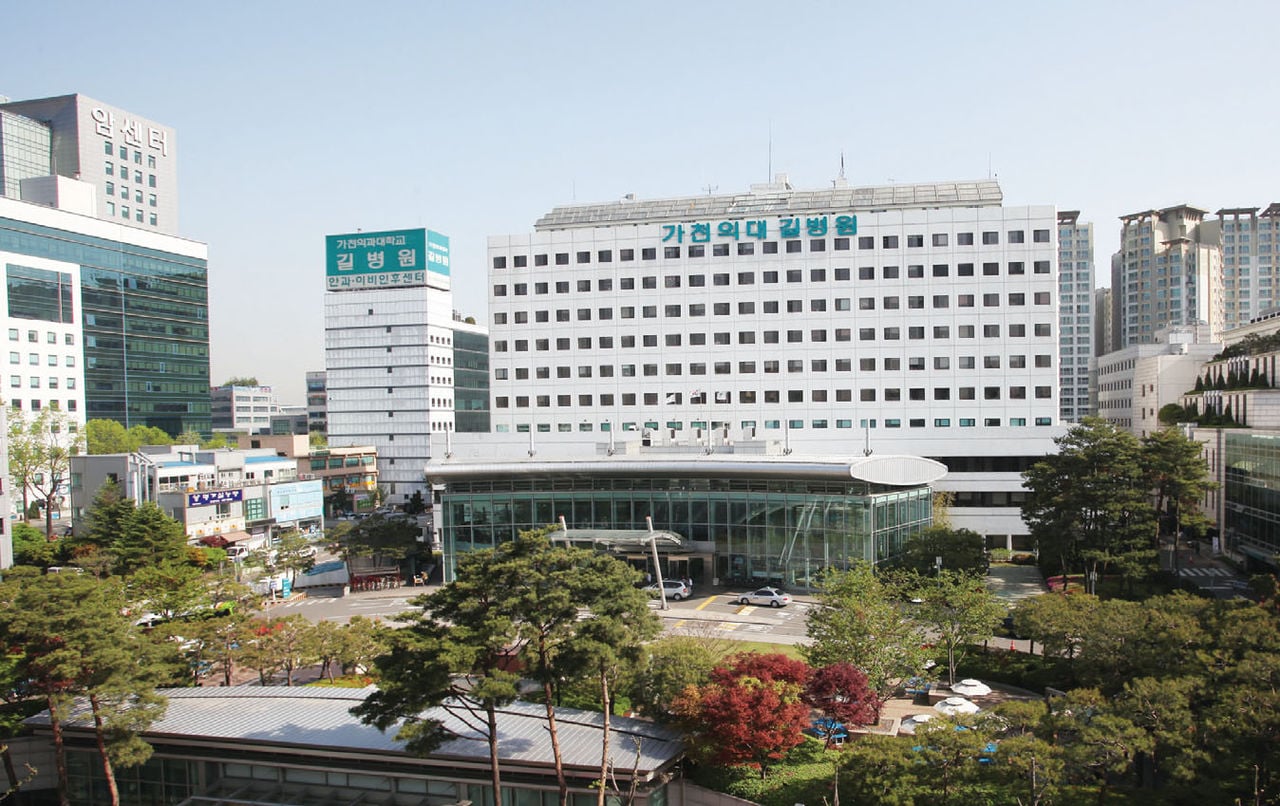





RE:YOUTH (YONSEI BH Arterial Stemcell Clinic)
Byung-hee Lee


Obtenga una evaluación médica para La esclerosis lateral amiotrófica en Corea del Sur: consulte con doctores experimentados ahora
Ver todos los médicosByung-hee Lee
El Dr. Byung-hee Lee cuenta con _doctor_9660_años_ de experiencia y ha realizado más de 900 tratamientos, especializándose en enfoques innovadores para afecciones neurológicas.
- Miembro fundador de la Sociedad Coreana de Neurología Intervencionista
- Miembro fundador de la Sociedad Coreana de Accidentes Cerebrovasculares
- Autor de 24 artículos en revistas SCI
- Ponente en más de 50 conferencias internacionales y nacionales
- Miembro regular de la Asociación Americana de Accidentes Cerebrovasculares y la Sociedad Mundial de Accidentes Cerebrovasculares
Compartir contenido
Historias en video de pacientes de Bookimed
 Olena Sikoza
Preguntas frecuentes sobre el tratamiento de La esclerosis lateral amiotrófica en Corea del Sur
¿Qué tratamientos únicos para la ELA están disponibles en Corea del Sur que no se encuentran en otros lugares?
Corea del Sur ofrece Neuronata-R, la primera terapia con células madre autorizada del mundo para la ELA. Este tratamiento autólogo con células madre mesenquimales solo está disponible actualmente en hospitales universitarios coreanos especializados. Su objetivo es ralentizar la progresión de la enfermedad mediante inyecciones intratecales en el líquido cefalorraquídeo.
- Administración arterial: La clínica RE:YOUTH utiliza métodos arteriales para un objetivo 100% directo a los órganos durante la terapia.
- Medicina integrativa: Los centros especializados combinan cuidados de nivel Parkinson con farmacopuntura de veneno de abeja y decocciones herbales.
- Instalaciones especializadas: El Centro Médico de la Universidad de Hanyang opera una clínica dedicada exclusivamente a la ELA.
- Estándares regionales: Los protocolos coreanos mantienen tasas más altas de traqueostomía para un mejor manejo respiratorio en etapas avanzadas.
Perspectiva del experto de Bookimed: Aunque muchos países ofrecen tratamientos experimentales con células madre, Corea del Sur destaca porque Neuronata-R está oficialmente autorizado para uso clínico. Instalaciones como RE:YOUTH se especializan en la administración arterial para garantizar que las células lleguen a los órganos objetivo. Esta aprobación regulatoria proporciona un nivel de supervisión oficial que rara vez se en
¿Qué hospitales en Corea del Sur tienen más experiencia en el diagnóstico y manejo multidisciplinario de la ELA?
Los hospitales terciarios de Corea del Sur brindan atención especializada para la esclerosis lateral amiotrófica (ELA) a través de clínicas dedicadas y equipos multidisciplinarios. Centros líderes como el Hospital Universitario Hanyang y el Hospital Severance integran neurología, rehabilitación y soporte respiratorio. Estas instituciones también ofrecen tratamientos innovadores, incluyendo terapia con células madre y plasmaféresis.
- Hospital Universitario Hanyang: Inauguró la primera clínica dedicada a la ELA en Corea, con una experiencia significativa en investigación clínica.
- Hospital Severance: Este centro acreditado por la JCI gestiona 1,6 millones de pacientes ambulatorios al año utilizando IA avanzada.
- Asan Medical Center: Ofrece evaluaciones neurológicas integrales y participa en estudios multicéntricos globales sobre la ELA.
- RE:YOUTH Yonsei BH: Especializado en terapia con células madre arteriales para administrar células directamente a los órganos.
Perspectiva del experto de Bookimed: El volumen de pacientes es un indicador clave de la precisión diagnóstica en Corea. El Hospital Severance gestiona más de 1,6 millones de pacientes ambulatorios al año. La Dra. Yeon Jung Kim del Asan Medical Center aporta experiencia internacional del New York Presbyterian. Estos centros de alto volumen a menudo brindan acceso a programas gubername
¿El seguro médico internacional cubre NeuroNata-R o las inyecciones de células madre en Corea?
El seguro médico internacional rara vez cubre NeuroNata-R o las inyecciones de células madre en Corea del Sur. Las aseguradoras suelen clasificar estas terapias regenerativas como experimentales o en fase de investigación. Aunque Corea del Sur aprobó condicionalmente NeuroNata-R para la ELA, carece de la aprobación total de la Administración de Alimentos y Medicamentos (FDA) de los Estados Unidos.
- Estado experimental: Las aseguradoras rechazan la mayoría de las reclamaciones de terapias regenerativas que carecen de la aprobación total de la FDA.
- Cobertura local: El sistema nacional de seguro médico de Corea del Sur no cubre NeuroNata-R.
- Atención estándar: Los procedimientos establecidos, como los trasplantes de médula ósea para cánceres de la sangre, suelen estar cubiertos.
- Documentación clínica: Centros como RE:YOUTH proporcionan documentación para ayudar a los pacientes a solicitar un posible reembolso.
Perspectiva del experto de Bookimed: Los datos sobre el volumen de pacientes sugieren que muchos viajan a Corea del Sur para la administración arterial de células madre. Este método, disponible en clínicas como RE:YOUTH, se dirige directamente a los órganos en lugar de utilizar la vía intravenosa tradicional. Médicos como el Dr. Byung-hee Lee se centran en esta precisión, pero los pacientes aún deben planificar los gastos de su bolsill
¿Cómo es la práctica coreana de cuidados paliativos para la ELA en cuanto al soporte de las vías respiratorias y la nutrición?
Los cuidados paliativos para la ELA en Corea del Sur enfatizan las intervenciones médicas intensivas dentro de los hospitales terciarios. Las prácticas priorizan el manejo invasivo de las vías respiratorias y el soporte nutricional mediante procedimientos. Aproximadamente el 35% de los pacientes se someten a una traqueostomía. Esta tasa es significativamente más alta que en la mayoría de los sistemas de salud occidentales.
- Uso de traqueostomía: Aproximadamente el 32,2% de los pacientes utilizan ventiladores dentro de los 24 meses posteriores al diagnóstico.
- Transiciones de las vías respiratorias: La atención respiratoria a menudo pasa rápidamente de máscaras no invasivas a métodos quirúrgicos invasivos.
- Soporte de gastrostomía: Alrededor del 26,6% de los pacientes reciben una gastrostomía endoscópica percutánea (PEG) para su nutrición.
- Equipos multidisciplinarios: Equipos especializados que incluyen dietistas y farmacéuticos gestionan protocolos complejos de alimentación enteral.
Perspectiva del experto de Bookimed: Los datos clínicos revelan que Corea del Sur sirve como un centro importante para la neurología compleja. El Hospital Severance por sí solo atiende a 1,6 millones de pacientes ambulatorios al año. Este alto volumen respalda una infraestructura masiva para intervenciones técnicas como las traqueostomías. Sin embargo, la ELA a
¿Cuánto dura un ciclo típico de evaluación/tratamiento para un paciente internacional con ELA en Corea?
Las evaluaciones estándar para la ELA en Corea del Sur suelen requerir 1 semana. Los ciclos de tratamiento varían según el protocolo, con ciclos de terapia con células madre que duran de 9 a 10 días. Los protocolos avanzados o las infusiones de medicamentos como Edaravona a menudo requieren estancias de 10 a 14 días por sesión.
- Evaluación diagnóstica: Los estudios estándar que incluyen EMG, VCN y resonancia magnética toman aproximadamente 1 semana.
- Ciclo de células madre: Un ciclo de terapia con células madre autólogas suele tomar de 9 a 10 días.
- Ciclos de infusión: Los ciclos de tratamiento con Edaravona generalmente requieren de 10 a 14 días de infusiones supervisadas.
- Protocolos extendidos: Los pacientes que reciben múltiples inyecciones pueden permanecer de 4 a 12 semanas o regresar más tarde.
Perspectiva del experto de Bookimed: Mientras que los grandes centros como el Hospital Severance gestionan volúmenes masivos de pacientes, las clínicas especializadas se centran en métodos de administración específicos. La clínica RE:YOUTH utiliza un método de inyección arterial dirigida para la terapia con células madre. Esto enfatiza que el tiempo de tratamiento no se trata solo del medicamento utilizado. Depende de la complejidad de la tecnología de administración disponible en la clínica.
Consenso de los pacientes:
¿Existe atención posterior o seguimiento remoto una vez que regrese a casa?
Los hospitales de Corea del Sur ofrecen un seguimiento remoto integral para pacientes con ELA utilizando sistemas avanzados de telemedicina y registros médicos electrónicos. Instalaciones como el Severance Hospital utilizan imágenes digitales y tecnología de edificios inteligentes para monitorear la recuperación. Los pacientes reciben documentación bilingüe detallada e instrucciones para garantizar una continuidad de atención sin problemas con los médicos locales.
- Integración de telemedicina: El Severance Hospital utiliza inteligencia artificial y telemedicina para consultas remotas eficientes.
- Monitoreo digital: Los registros médicos electrónicos (EHR) permiten a los médicos seguir el progreso del paciente desde el extranjero.
- Continuidad de la atención: Las clínicas proporcionan informes bilingües para garantizar que los neurólogos locales puedan gestionar la atención continua.
- Coordinación de seguimiento: Los servicios internacionales en centros especializados gestionan la programación de chequeos virtuales y renovaciones de recetas.
Opinión de expertos de Bookimed: Si bien muchas instalaciones ofrecen un seguimiento estándar, elegir una clínica con EHR integrados e IA como el Severance Hospital marca una gran diferencia. Su enorme volumen de 1,6 millones de pacientes ambulatorios al año les ayuda a perfeccionar los protocolos de mon