Tratamiento de La esclerosis lateral amiotrófica en Tailandia — obtenga 3 coincidencias personalizadas de clínicas


Revisado médicamente por
Fahad Mawlood
Cómo funciona
¿Cuál es el precio del diagnóstico y los tratamientos de La esclerosis lateral amiotrófica en Tailandia? Descubra ahora
| Tailandia | España | Turquía | |
|---|---|---|---|
| Terapia con células madre pluripotentes inducidas | ≈ $12,000 / 444,000฿ | ≈ $9,000 / 333,000฿ | ≈ $6,500 / 240,500฿ |
| Terapia con células madre para la ELA (esclerosis lateral amiotrófica) | de $13,400 / 495,800฿ | ≈ $9,000 / 333,000฿ | de $10,000 / 370,000฿ |
| Terapia con células madre | de $1,800 / 66,600฿ | de $33,600 / 1,243,200฿ | de $1,600 / 59,200฿ |
| Plasmaféresis | ≈ $1,200 / 44,400฿ | de $12,300 / 455,100฿ | de $3,200 / 118,400฿ |
Descubra las mejores clínicas de tratamiento de La esclerosis lateral amiotrófica en Tailandia: 4 opciones verificadas y Precios

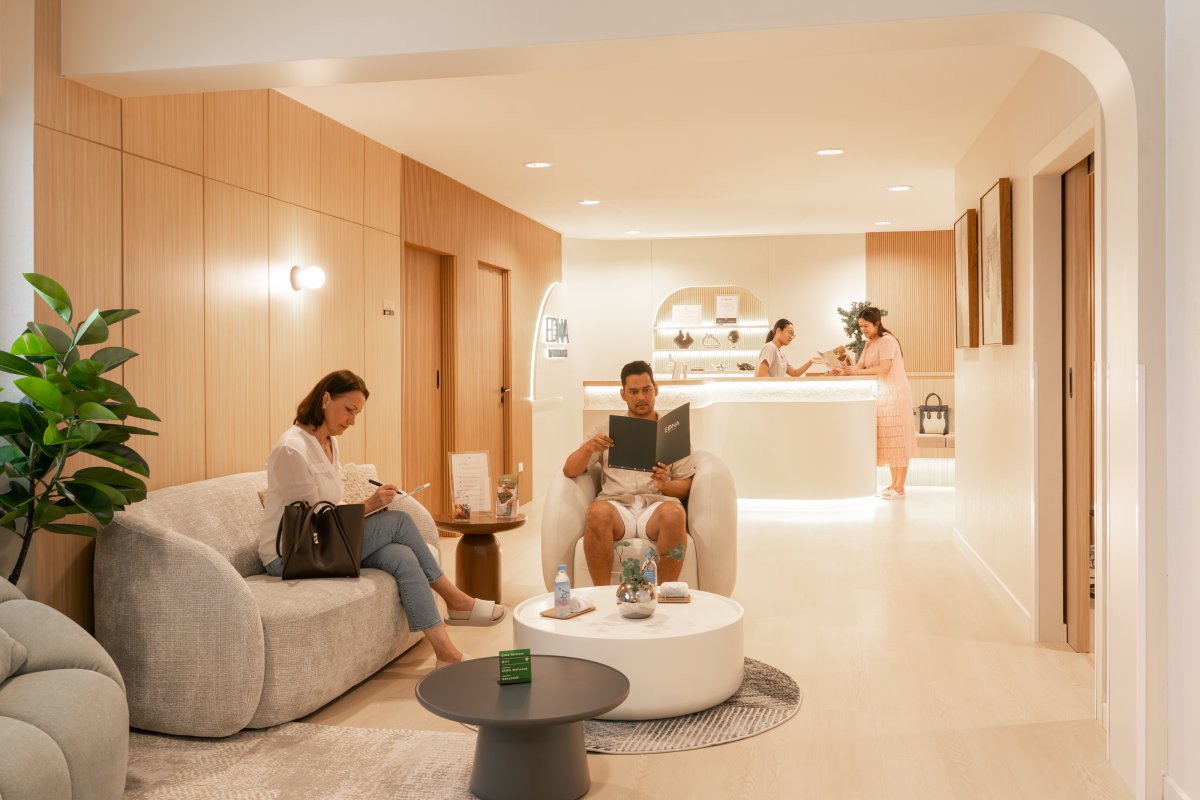






MedConsult Bangkok Medical Clinic
Obtenga una evaluación médica para La esclerosis lateral amiotrófica en Tailandia: consulte con doctores experimentados ahora
Ver todos los médicos
Dr Theeracha Wuttiphan
El Dr. Theeracha Wuttiphan es cirujano ortopédico en la ID Clinic de Bangkok. Se especializa en cirugía artroscópica de rodilla, cirugía de columna y reemplazos articulares. El Dr. Wuttiphan es pionero en el uso de terapia con células madre para la artritis y el dolor articular crónico. Trata afecciones complejas como escoliosis, fracturas de cadera y espondilitis anquilosante.
- Realiza reemplazos de rodilla y cadera y reparación artroscópica de menisco.
- Proporciona inyeccio
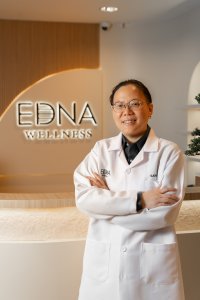
Sarunya Yutthagovit
La Dra. Sarunya Yuthagovit es una destacada neurocirujana en Tailandia, especializada en cirugía neurovascular. Trata condiciones complejas como aneurismas intracraneales, enfermedad de moyamoya y fístulas arteriovenosas durales espinales. Tiene experiencia en revascularización cerebral y procedimientos microquirúrgicos avanzados.
Ha contribuido al desarrollo de programas de formación para residentes de neurocirugía y enfermeros neurológicos. En EDNA Wellness, lidera los programas de
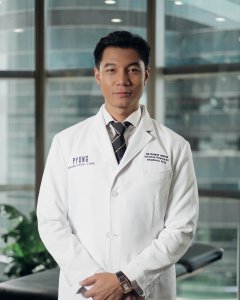
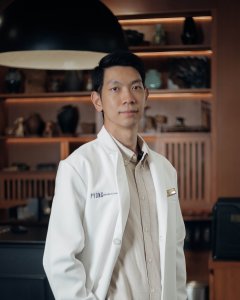
Kantaphong Thongrong
El Dr. PYONG integra robótica avanzada y tecnologías no invasivas para mejorar los resultados de la neurorrehabilitación en PYONG Rehabilitation Group.
- Fisiatra certificado con experiencia en neurorrehabilitación
- Jefe del Departamento de Rehabilitación del Hospital King Mongkut Chaokhunthahan
- Fundador de un centro de rehabilitación premium centrado en la atención al paciente
- Investigación sobre entrenamiento de la marcha con exoesqueletos robóticos portátiles para la recuperación de accidentes cerebrovasculares
- Colaboraciones internacionales en atención geriátrica y robótica de rehabilitación
Tara Rak-areekul
El Dr. Rak-areekul se especializa en neurología cognitiva y trastornos neurocognitivos, con una beca en el King Chulalongkorn Memorial Hospital.
- Honrado como Jefe Académico de Residentes de Neurología en 2023
- Presentó investigaciones en la Conferencia Internacional de la Asociación de Alzheimer
- Certificado en la Escala de Ictus de los NIH y tratamiento de ictus agudo
- Fundador de un canal de YouTube centrado en la prevención de la demencia
Compartir contenido
Historias en video de pacientes de Bookimed
 Olena Sikoza
Preguntas frecuentes sobre el tratamiento de La esclerosis lateral amiotrófica en Tailandia
¿Cuáles son las principales opciones de tratamiento para la ELA disponibles en Tailandia?
El tratamiento principal de la ELA en Tailandia se centra en la atención multidisciplinaria en centros acreditados por la JCI en Bangkok. Los pacientes acceden a medicamentos aprobados por la FDA como el Riluzol junto con terapias de apoyo para el manejo respiratorio y motor. Los protocolos modernos a menudo integran la neurorrehabilitación con tecnologías avanzadas como el entrenamiento de la marcha robótico y aplicaciones de células madre mesenquimales.
- Neurología especializada: El Bumrungrad International Hospital mantiene una unidad de neurociencia dedicada que utiliza imágenes digitales.
- Rehabilitación motora: El grupo de rehabilitación PYONG proporciona entrenamiento de la marcha robótico y con exoesqueleto portátil para la recuperación motora.
- Medicina regenerativa: El Hospital Wansiri y la Clínica ID ofrecen terapia con células madre mesenquimales para la neurorregeneración.
- Diagnóstico: El cribado integral incluye análisis de sangre preoperatorios, radiografías de tórax y hemogramas completos.
Perspectiva del experto de Bookimed: Aunque muchos buscan tratamientos experimentales con células madre, el verdadero valor en Tailandia reside en su infraestructura de neurorrehabilitación. Centros como el Bumrungrad International Hospital atienden a más de 500.000 pacientes internacionales al año. Combinan tecnología de alta gama con fi
¿Es efectiva la terapia con células madre para la ELA en Tailandia?
La terapia con células madre para la ELA en Tailandia tiene como objetivo ralentizar la progresión de la enfermedad y mejorar la calidad de vida. Las clínicas utilizan células madre mesenquimales por sus propiedades neuroprotectoras. Aunque se consideran experimentales, estos tratamientos están disponibles en instalaciones acreditadas por la JCI en Bangkok mediante métodos de administración intravenosa e intratecal.
- Tipos de células utilizados: Las células madre mesenquimales se derivan de la médula ósea o del tejido del cordón umbilical.
- Métodos de administración: Las inyecciones intratecales evitan la barrera hematoencefálica para dirigirse al canal espinal.
- Estándares clínicos: Hospitales como Bumrungrad International cuentan con acreditaciones de la JCI y Global Healthcare.
- Experiencia especializada: La neurorrehabilitación integrada en centros como el PYONG Rehabilitation Group apoya la recuperación física.
Opinión de expertos de Bookimed: El éxito en Tailandia a menudo depende de combinar la terapia celular con una rehabilitación intensiva. Nuestros datos muestran que centros especializados como el PYONG Rehabilitation Group se centran en el entrenamiento robótico de la marcha y la neurorrehabilitación. Elegir centros que integren estas tecnologías en lugar de inyecciones celulares aisladas a menudo conduce a una mejor estabilidad
¿Qué hospitales en Tailandia son reconocidos por la atención especializada en ELA?
Hospitales tailandeses líderes como Bumrungrad International y Chulalongkorn Memorial brindan atención reconocida para la ELA a través de departamentos de neurociencia especializados. Estas instalaciones ofrecen apoyo multidisciplinario que incluye neurología, rehabilitación y servicios paliativos. Los centros acreditados por la JCI en Bangkok utilizan imágenes avanzadas y protocolos internacionales para controlar los síntomas neurodegenerativos.
- Equipos de expertos: Bumrungrad cuenta con un centro de neurociencia con más de 30 neuroespecialistas dedicados.
- Diagnóstico avanzado: Chulalongkorn Memorial realiza investigación genética y mantiene un registro nacional de ELA.
- Enfoque en rehabilitación: El Dr. Kantaphong Thongrong se especializa en neurorrehabilitación robótica y entrenamiento con exoesqueletos portátiles.
- Opciones de tratamiento: Clínicas como ID Clinic ofrecen terapia con células madre mesenquimales para apoyo neurológico.
Perspectiva del experto de Bookimed: Si bien muchos buscan terapias experimentales, el verdadero valor en Tailandia es la infraestructura de recuperación. Proveedores especializados como PYONG Rehabilitation Group se centran en el entrenamiento robótico de la marcha y la hidrodisección. Estas terapias avanzadas ayudan a mantener la movilidad por más tiempo que la fisioterapia estándar por sí sola. Esta in
¿Por qué los pacientes internacionales eligen Tailandia para el tratamiento de la ELA?
Los pacientes internacionales eligen Tailandia para el manejo de la ELA con el fin de acceder a terapias con células madre mesenquimales (MSC) que a menudo no están disponibles en los países occidentales. Instalaciones como el Bumrungrad International Hospital combinan neurología acreditada por la JCI con robótica avanzada. Muchos programas integran neurorrehabilitación, entrenamiento con exoesqueletos portátiles y protocolos de cuidados paliativos dirigidos por especialistas.
- Acceso a medicina regenerativa: Tailandia ofrece terapia con MSC derivadas del cordón umbilical fuera de los restrictivos ensayos clínicos occidentales.
- Neurología especializada: Los hospitales cuentan con centros dedicados a trastornos cognitivos y entrenamiento de la marcha asistido por robot.
- Credenciales avanzadas: Los médicos a menudo poseen certificaciones del American Board en medicina regenerativa o física.
- Apoyo multidisciplinario: Los planes de atención incluyen terapia del habla, hidrodisección y terapia láser para el manejo de los síntomas.
Perspectiva del experto de Bookimed: Aunque muchos buscan Tailandia para infusiones experimentales de células madre, el verdadero valor reside en la neurorrehabilitación integrada. El Dr. Kantaphong Thongrong del PYONG Rehabilitation Group lidera el uso clínico de exoesqueletos portátiles. Este entrenamiento de la m