Cirugía cardíaca en México — Costos 2026

Revisado médicamente por
Hasim Ustunsoy
¿Cuál es el precio de procedimientos de Cirugía cardíaca en México? Descubra ahora
La cirugía cardíaca en México suele costar desde $18,100 hasta $34,500. El precio final depende de la complejidad del procedimiento específico, el tipo de dispositivos protésicos utilizados y la duración de la estancia hospitalaria. Los pacientes suelen encontrar ahorros del 50 al 80% en comparación con los precios en los Estados Unidos.
Costos típicos de cirugía cardíaca en México
- Consulta con un cirujano cardíaco: $90 – $150
- Angiografía coronaria: de $3,000
- Reemplazo de válvula cardíaca: $22,000 – $35,000
- Cirugía a corazón abierto: Precio a consultar
- Cirugía de bypass coronario: $24,000 – $38,000
- Instalación de marcapasos cardíaco: $9,500 – $15,500
- Ablación por radiofrecuencia: de $3,600
- Stent coronario: $7,800 – $11,000
- Cirugía de aneurisma aórtico: Precio a consultar
- Implantación de válvula aórtica transcatéter (TAVI): Precio a consultar
Los principales centros cardíacos se encuentran principalmente en la Ciudad de México, Tijuana, Guadalajara y Mexicali. Los precios pueden variar entre estos centros dependiendo de la acreditación de la instalación y los gastos generales locales. Consulte con un especialista cardíaco para obtener precios precisos para su caso médico específico.
| España | Turquía | México | |
|---|---|---|---|
| Reemplazo de válvula cardíaca | de $44,800 | de $15,000 | ≈ $22,000 |
| Instalación de marcapasos cardíaco | de $33,600 | de $6,500 | ≈ $9,500 |
| Crioablación del corazón | de $20,200 | de $8,100 | ≈ $7,500 |
| Colocación de stent coronario | de $19,500 | de $2,800 | ≈ $7,800 |
| Cirugía de revascularización coronaria | de $44,800 | de $8,200 | ≈ $24,000 |
Sus beneficios y garantías con Bookimed
Precios directos
Bookimed no añade cargos extra a los precios de los tratamientos de Cirugía cardíaca. Las tarifas proceden de las listas de precios oficiales de las clínicas. Pagará directamente en la clínica por su tratamiento a su llegada al país.
Sólo clínicas y médicos verificados
Bookimed está comprometido con su seguridad. Solo trabajamos con las clínicas que mantienen altos estándares internacionales en el tratamiento de Cirugía cardíaca y tienen las licencias necesarias para atender a pacientes internacionales en todo el mundo.
Asistencia 24/7 gratuita
Bookimed ofrece asistencia experta gratuita. Un coordinador médico personal le apoya antes, durante y después del tratamiento, resolviendo cualquier problema. Nunca estará solo en su viaje médico de procedimientos de Cirugía cardíaca.

Su coordinador médico personal de Bookimed
- Le apoya en cada etapa
- Ayuda a elegir la clínica y el médico adecuados
- Asegura un acceso rápido y conveniente a la información
Descubra las mejores clínicas de Cirugía cardíaca en México: 19 opciones verificadas y Precios












Clínica de terapia con células madre Giostar
Cellular Hope Institute

Allergy, rhinoplasty and otorhinolaryngology clinic Allermedica

Hospital Zambrano Hellion


Los mejores centros médicos de Cirugía cardíaca en México
- Hospital de la Familia, México
- Marroquín & Sandoval Plastic Surgery Clinic, México
- Immunotherapy Regenerative Medicine, México
- Clínica Alice Beauty, México
- Clínica de terapia con células madre Giostar, México
- Cellular Hope Institute, México
- Allergy, rhinoplasty and otorhinolaryngology clinic Allermedica, México
- Hospital Zambrano Hellion, México
- Advance Health Medical Center, México
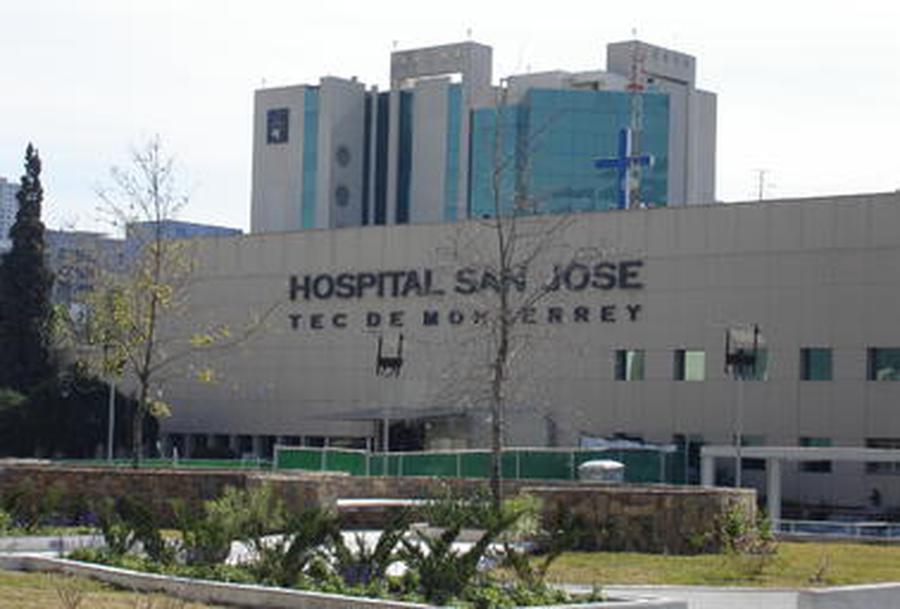
- Hospital San Jos Tecnolgico de Monterrey, México
Obtenga una evaluación médica para en México: Elija su especialista entre los mejores en el campo
Ver todos los médicos
Rafael Moguel Ancheita

Eduardo Fernandez
El Dr. Eduardo Fernández es un experto certificado en células madre con reconocimiento nacional en medicina regenerativa, a la espera de la certificación internacional de sociedades prestigiosas.
- Miembro del Colegio Mexicano de Células Madre y Medicina Regenerativa
- Sometido a un riguroso examen de 8 horas para la certificación avanzada
- Uno de los únicos 50 médicos certificados en células madre en México
- Buscando la membresía en la International Society for Stem Cell Research
- Especializado en terapias de células madre de vanguardia
Artículos relacionados

¿Cuánto cuesta el aneurisma de aorta torácica?
Escrito por Veronika Kazina
Compartir contenido
Historias en video de pacientes de Bookimed
 Olena Sikoza
Preguntas frecuentes sobre Cirugía cardíaca en México
¿Están los cirujanos cardíacos mexicanos tan cualificados como los de EE. UU. y Canadá?
Los cirujanos cardíacos mexicanos en centros de primer nivel poseen cualificaciones equivalentes a las de EE. UU. y Canadá. Los especialistas destacados a menudo completan becas en prestigiosas instituciones estadounidenses. Deben aprobar rigurosos exámenes nacionales y mantener la certificación del Consejo Mexicano de Cirugía Cardiovascular para ejercer como especialistas cardíacos reconocidos.
- Trayectoria educativa: La formación incluye una carrera de medicina de 6 años seguida de 5 a 7 años de residencia especializada.
- Estándares hospitalarios: Los principales centros privados como el Hospital San José Tecnológico de Monterrey cuentan con acreditación JCI.
- Formación internacional: Muchos cirujanos realizan rotaciones en centros de élite como la Mayo Clinic o la Cleveland Clinic.
- Tiempos de espera: Los pacientes a menudo acceden a cirugías cardíacas complejas dentro de las 2 a 4 semanas posteriores a su consulta inicial.
Perspectiva del experto de Bookimed: Los centros de alto volumen en México a menudo brindan a los cirujanos más experiencia práctica al principio de sus carreras. Por ejemplo, el Hospital de la Familia cerca de la frontera combina una experiencia quirúrgica enfocada con accesibilidad internacional. Este volumen permite a los cirujanos dominar procedimientos complejos como el reemplazo de válvulas cardíacas más rápidam
¿Cómo puedo verificar que un hospital mexicano cumple con los estándares internacionales de seguridad para cirugía cardíaca?
Verifique los hospitales mexicanos comprobando la acreditación de la Joint Commission International (JCI) y la certificación del Consejo de Salubridad General (CSG). Estos estándares aseguran protocolos de seguridad rigurosos para procedimientos cardíacos complejos. Confirme que los cirujanos posean credenciales del Consejo Mexicano de Cardiología para garantizar su experiencia en cirugía cardíaca avanzada.
- Acreditación internacional: La JCI representa el estándar de oro global para la seguridad y calidad hospitalaria.
- Certificación nacional: La acreditación CSG del Consejo de Salubridad General refleja estrictos puntos de referencia médicos internacionales.
- Credenciales quirúrgicas: Los cirujanos deben estar certificados por el Consejo Mexicano de Cirugía de Tórax.
- Infraestructura del centro: Asegúrese de que el centro cuente con una Unidad de Cuidados Intensivos (UCI) dedicada las 24 horas del día, los 7 días de la semana.
Perspectiva del experto de Bookimed: Los centros de alto volumen como el Hospital San José Tecnológico de Monterrey mantienen los estándares de la JCI mientras atienden a una vasta base de pacientes internacionales. Nuestros datos muestran que las instalaciones con calificaciones de 4.0+ o más, como el Hospital de la Familia, a menudo priorizan la acreditación CSG para validar su seguridad en casos cardíacos de alto
¿Qué se incluye habitualmente en un paquete médico de cirugía cardíaca en México?
Los paquetes de cirugía cardíaca en México brindan atención integral que incluye honorarios quirúrgicos, anestesia y estancias en cuidados intensivos. La mayoría de los paquetes cubren diagnósticos esenciales como ECG y análisis de sangre. Por lo general, incluyen de 3 a 9 días de hospitalización en instalaciones acreditadas como el Hospital de la Familia o el Hospital San José, acreditado por la JCI.
- Equipo quirúrgico: Cubre a los cirujanos cardíacos principales, asistentes y anestesiólogos.
- Diagnóstico clínico: Incluye ECG preoperatorio, angiografía coronaria y paneles sanguíneos.
- Estancia hospitalaria: Incluye varias noches en la unidad de cuidados intensivos o habitaciones privadas.
- Logística: A menudo incluye transporte terrestre desde el aeropuerto hasta el centro médico.
Perspectiva del experto de Bookimed: Los costos de la cirugía cardíaca en México, como el bypass aortocoronario que oscila entre $24,000 y $38,000, a menudo se mantienen más bajos porque los centros de alto volumen como el Hospital de la Familia capitalizan la proximidad a la frontera con EE. UU. Esta ubicación permite a las clínicas mantener costos generales más bajos mientras emplean especialistas de élite como el Dr. Eduardo Fernández, quien es uno de los 50 expertos certificados en células madre en el país.
Consenso de los
¿Cuáles son los hospitales mejor valorados en México para cirugía cardíaca?
Los hospitales mejor valorados para cirugía cardíaca en México incluyen instalaciones acreditadas por la Joint Commission International (JCI) como Médica Sur y el Hospital San José Tecnológico de Monterrey. Estos centros se especializan en procedimientos avanzados. A menudo cuentan con departamentos de cardiología especializados y unidades de cuidados intensivos para reparaciones cardíacas complejas.
- Hospital de la Familia: Instalación boutique en Mexicali que ofrece cirugía cardíaca cerca de la frontera con California.
- Médica Sur: Hospital de primer nivel en la Ciudad de México y miembro de la Mayo Clinic Care Network.
- Hospital San José: Centro acreditado por la JCI con sede en Monterrey que maneja casos quirúrgicos cardíacos rutinarios y complejos.
- Hospital Zambrano Hellion: Instalación en Monterrey reconocida por tratar afecciones complejas y defectos cardíacos congénitos.
Perspectiva del experto de Bookimed: La proximidad a la frontera define la elección del paciente en México. El Hospital de la Familia en Mexicali ha atendido más de 211 solicitudes de pacientes internacionales. Esto se debe probablemente a su ubicación a pasos de la frontera con EE. UU. Esta instalación equilibra resultados quirúrgicos de alta calidad con un entorno boutique y habitaciones privadas.
Consenso de los pacientes: Los pacientes s
¿Cuánto dura la estancia hospitalaria típica y el periodo de recuperación en México después de una cirugía cardíaca?
Una estancia hospitalaria típica en México después de una cirugía cardíaca oscila entre 3 y 7 días. La complejidad influye en este plazo. Los procedimientos a corazón abierto a menudo requieren de 4 a 11 días. Las cirugías mínimamente invasivas suelen permitir el alta en un plazo de 3 a 4 días. La recuperación completa suele llevar de 6 a 12 semanas.
- Duración de la hospitalización: La cirugía a corazón abierto implica de 1 a 2 días en la UCI más varios días en habitaciones privadas.
- Recuperación inicial: Los pacientes deben permanecer en México durante 14 días antes de volar de regreso a casa.
- Límites de actividad: Evite levantar más de 10 libras (aprox. 4.5 kg) durante al menos 6 semanas después del procedimiento.
- Autorización para viajar: La mayoría de los cirujanos autorizan a los pacientes internacionales para viajar en avión en un plazo de 10 a 21 días.
Perspectiva de expertos de Bookimed: Los datos de centros mexicanos como el Hospital de la Familia muestran una tendencia hacia un alta eficiente. Muchos pacientes después de una cirugía de bypass se van en menos de 4 días. Esto es más rápido que las estancias promedio en EE. UU. o Canadá. Esta eficiencia a menudo se debe a la anestesia multimodal. Reduce el uso de analgésicos fuertes y permite caminar antes.
Consenso de los pacientes: Los pacientes señalan q
¿Cuándo es médicamente seguro volar a casa después de una cirugía cardíaca en México?
Los pacientes suelen volar a casa de 2 a 4 semanas después de una cirugía cardíaca mayor en México. La mayoría de los casos de bypass coronario requieren de 10 a 14 días antes de viajar en avión. Esto permite que el gas intratorácico se reabsorba por completo. Los procedimientos mínimamente invasivos como el TAVR pueden permitir viajar en un plazo de 3 a 5 días.
- Autorización médica: Obtenga un certificado de aptitud para volar por escrito de su cirujano mexicano antes de la salida.
- Estabilidad clínica: Debe haber dejado de tomar analgésicos narcóticos y poder caminar sin ayuda.
- Revisión de heridas: Las incisiones deben mostrar una cicatrización saludable sin fugas activas ni signos de infección.
- Confirmación diagnóstica: Los cirujanos a menudo requieren un ECG o ecocardiografía antes del vuelo para confirmar una función cardíaca estable.
Perspectiva del experto de Bookimed: Las instalaciones mexicanas como el Hospital de la Familia enfatizan la proximidad a la frontera con EE. UU. por una razón. Los pacientes a menudo eligen estas clínicas adyacentes a la frontera para evitar por completo los vuelos a gran altitud. Utilizan transporte terrestre para el primer tramo del viaje. Esto evita cambios tempranos en la presión de la cabina y reduce el riesgo de complicaciones atmosféricas postoperatorias.
Consenso de los pacientes
¿Aceptan los centros de cirugía cardíaca mexicanos seguros médicos de EE. UU. o Canadá?
La mayoría de los centros de cirugía cardíaca en México no aceptan directamente seguros médicos de EE. UU. o Canadá. Los pacientes suelen pagar el costo total por adelantado mediante efectivo o tarjeta de crédito. Posteriormente, debe presentar facturas detalladas a su proveedor para obtener un posible reembolso tras regresar a casa.
- Protocolo de pago: Los hospitales privados de alta gama suelen exigir el pago total antes del ingreso.
- Planes gubernamentales: Medicare de EE. UU. y los planes provinciales canadienses generalmente excluyen las cirugías electivas en el extranjero.
- Facturación directa: Centros como Medica Sur cooperan con redes internacionales, pero requieren garantías.
- Documentación: Los hospitales proporcionan facturas detalladas (super-bills) para ayudar a los pacientes con el proceso de reembolso.
Opinión del experto de Bookimed: Aunque muchos hospitales mexicanos, como el Hospital de la Familia en Mexicali, operan bajo la modalidad de pago directo, su ubicación estratégica cerca de la frontera simplifica la logística para los pacientes estadounidenses. Los centros especializados a menudo cuentan con departamentos dedicados para ayudarle a navegar el ciclo de reembolso de 3 a 6 meses, común con las aseguradoras internacionales.
Consenso de los pacientes: Los pacientes enfatizan la importancia de p